The Eurasian Blue Tit (Cyanistes caeruleus): Acrobat of the Undergrowth

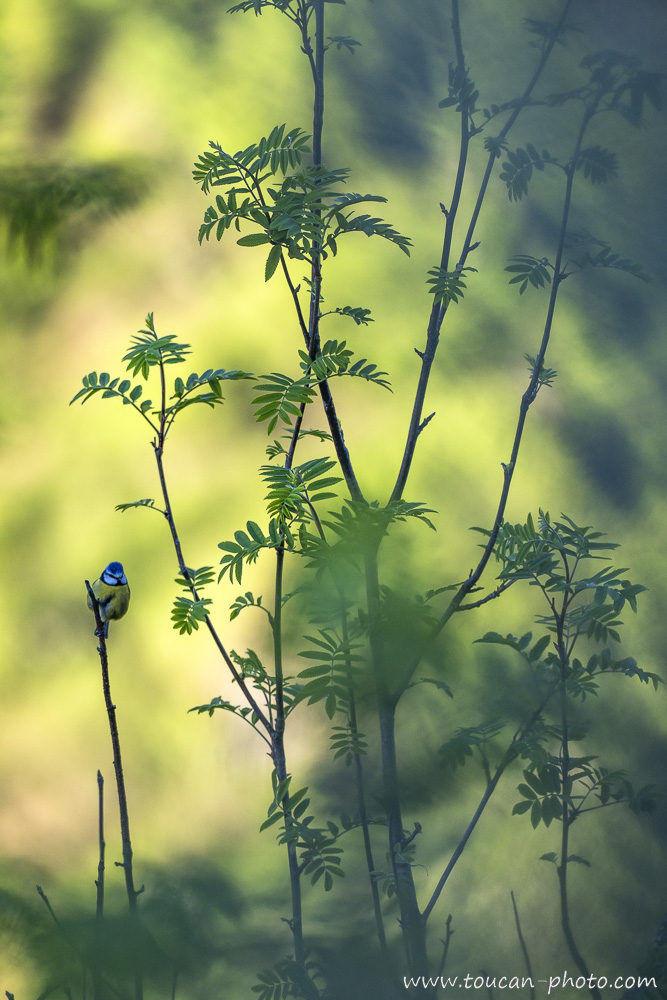
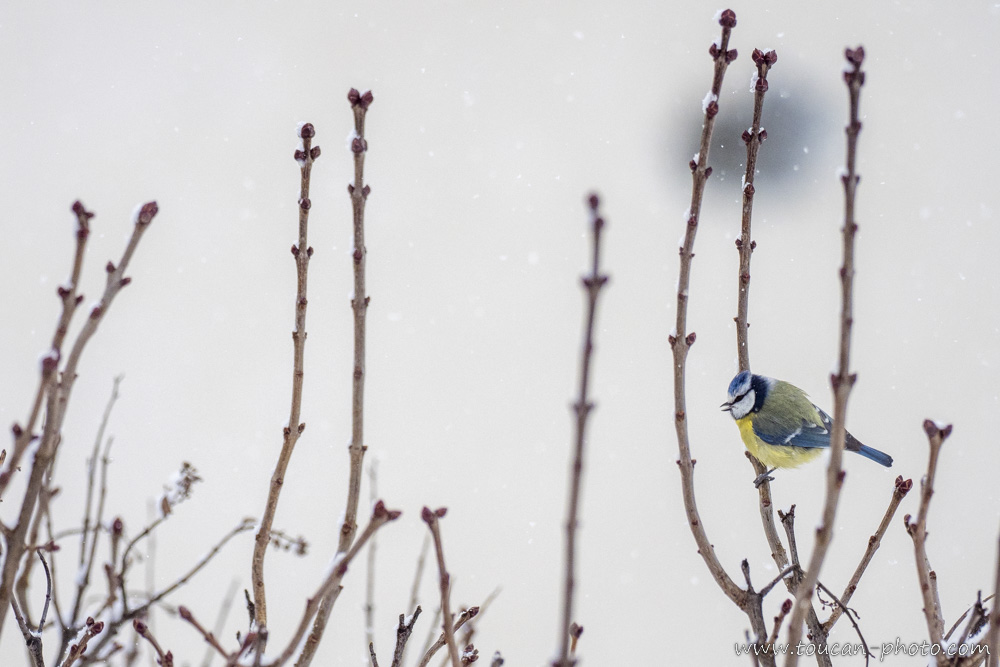
Eurasian Blue Tit (Cyanistes caeruleus) perched in the soft light of the undergrowth

In the soft light of the undergrowth, a Blue Tit pauses for a brief moment.

A burst of color and energy, the Eurasian Blue Tit (Cyanistes caeruleus) brings a vital spark of life to the silence of the forest.

This small, agile acrobat plays a crucial role as a natural regulator within its ecosystem. During the breeding season, a single pair can collect up to 10,000 insects and larvae—particularly defoliating caterpillars—to feed a single brood. Its presence indicates a diverse woodland environment that provides both essential nesting sites and a rich, sustainable food source.

Blue Sparkle of the Male Red-cheeked Cordon-bleu (Uraeginthus bengalus)

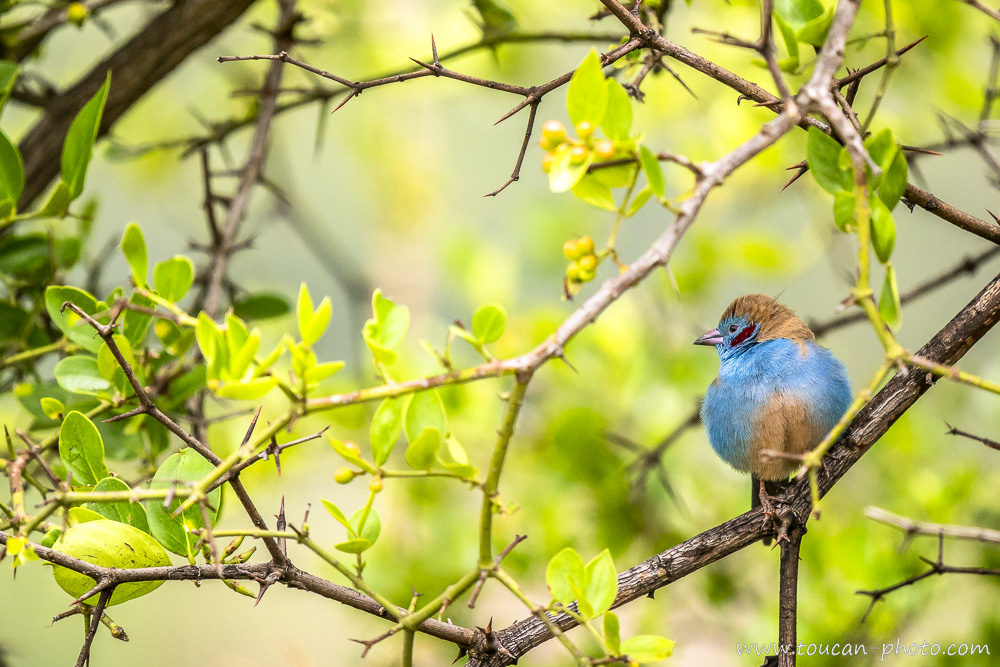
Male Red-cheeked Cordon-bleu (Uraeginthus bengalus) perched in a thorny bush, Ethiopia

A bright turquoise flash amidst the thorny thickets of the Ethiopian savannah.

Perched in a thorny bush, this male Red-cheeked Cordon-bleu (Uraeginthus bengalus) reveals its stunning plumage.

Its vibrant turquoise-blue breast and belly are highlighted by a distinctive red patch on the cheek. In females, these colors are more muted, with the blue being less extensive and the red cheek patch absent. This contrast allows for easy identification of the sexes. Widespread across the savannahs and scrublands of sub-Saharan Africa, this small, graceful bird enlivens the Ethiopian landscape with its vivid colors and energetic movements, often found in pairs or small groups.

The Pale Crag Martin (Ptyonoprogne obsoleta): Messenger of the Sands

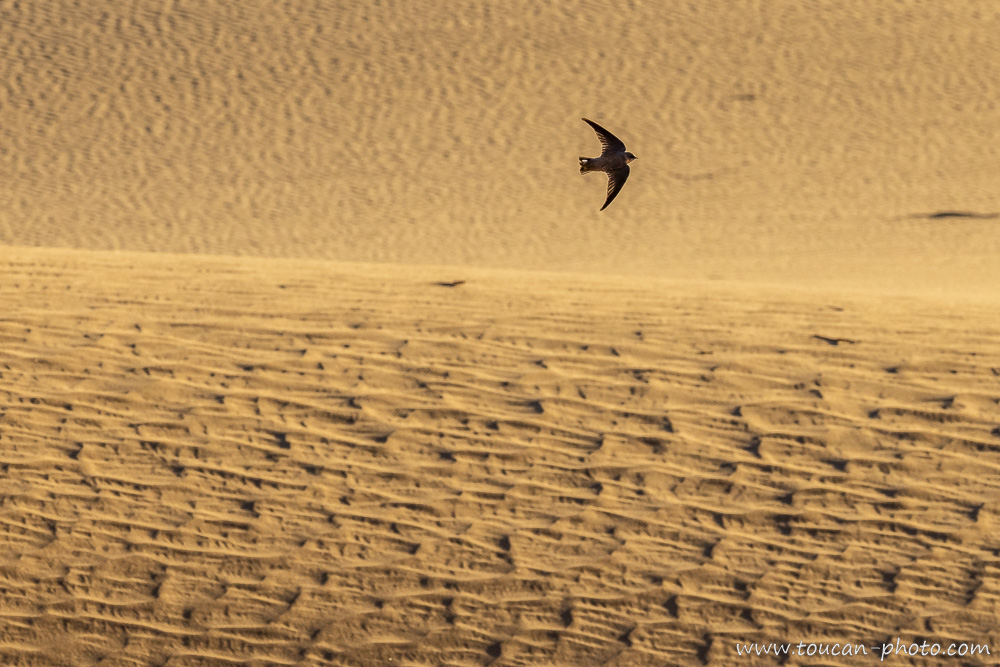
Pale Crag Martin (Ptyonoprogne obsoleta) in flight over the Algerian desert

Silent and light, it pierces the scorching air like a brown arrow.

Silent and light, the Pale Crag Martin (Ptyonoprogne obsoleta) pierces the scorching air like a brown arrow.

It traces arabesques above the dunes, a faithful companion to the wind and the light. Its fleeting silhouette seems to float between sky and earth, a reminder that even in the heart of the mineral vastness, life finds its place and dances with grace. Perfectly adapted to arid environments, this species often nests in the rocky walls of Saharan canyons and wadis.

Skimming Flight, Lesser Black-backed Gull (Larus fuscus) – Oman

Lesser Black-backed Gull (Larus fuscus) flying low over the waves, Oman

The gull skims the crest of the waves, in perfect balance between sky and sea.

In perfect harmony with the water, the Lesser Black-backed Gull (Larus fuscus) performs a silent dance above the ocean.

A remarkable long-distance migrant, identifiable by its slate-grey mantle and yellow legs, it travels thousands of kilometers annually to reach the shores of the Indian Ocean from Northern Europe or Russia. Its low-altitude flight is more than just aesthetic: it utilizes the ground effect to conserve energy during long coastal journeys. In Oman, it is a regular visitor to the coastlines, where its elegant silhouette stands out against the deep blue of the Arabian Sea.

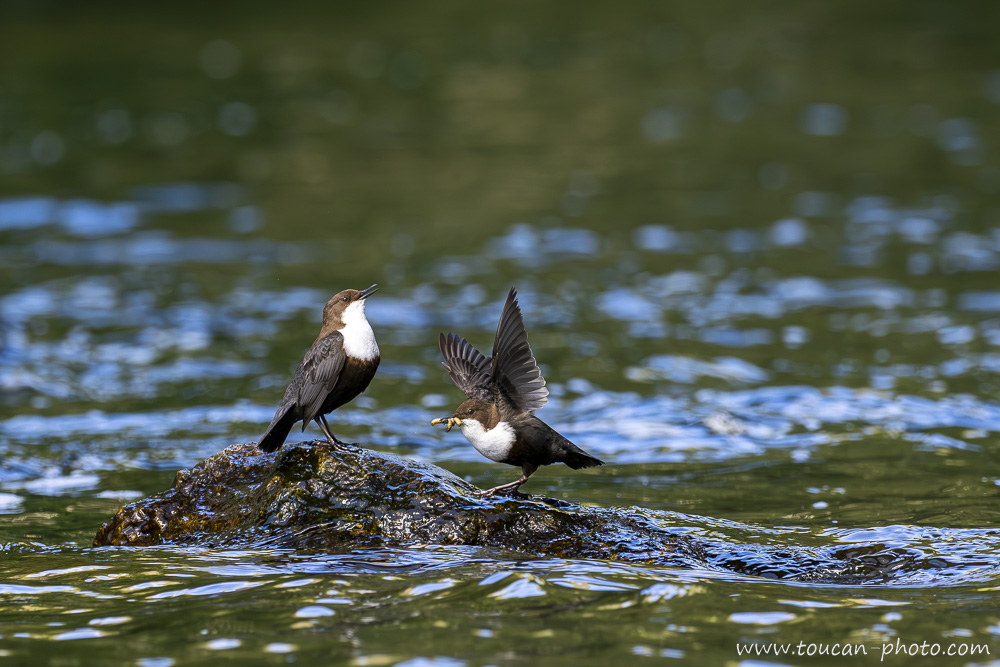
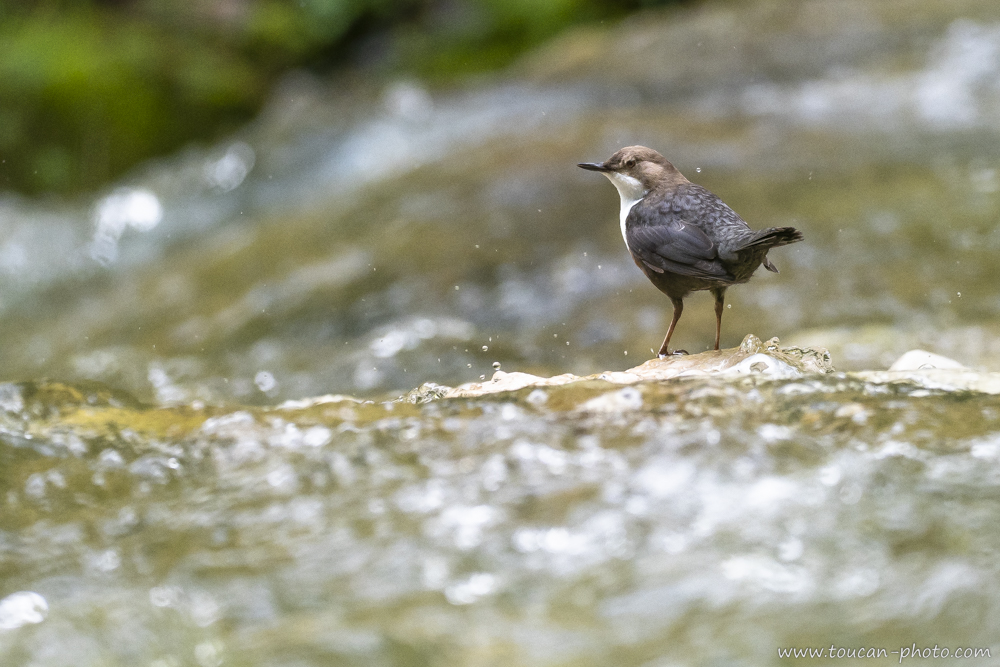
Pair of White-throated Dipper (Cinclus cinclus) – Spain

Pair

Pair of White-throated Dipper (Cinclus cinclus) – Spain


A small bird of fast-flowing rivers, the white-throated dipper fascinates with its aquatic lifestyle. Able to walk underwater against the current, it hunts aquatic insects, larvae, and small crustaceans along the stream bed. In this discreet dweller of cool waters, the bond between mates is strengthened through food exchanges: the male sometimes feeds the female — a gesture that seals their union before nesting begins.