Grooming Behavior of the Eurasian Otter

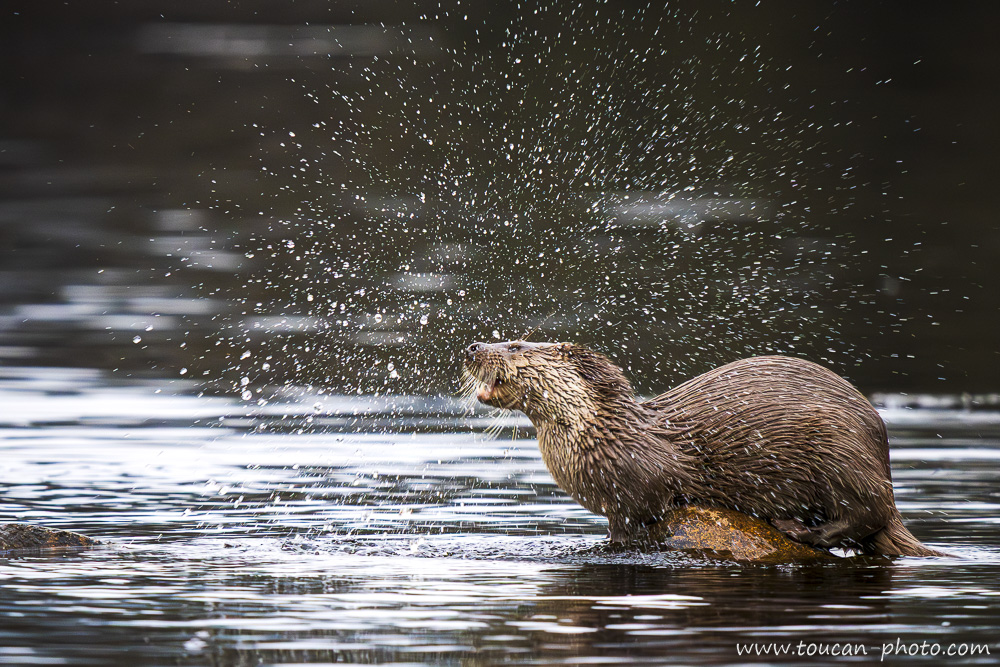
Grooming Behavior of the Eurasian Otter (Lutra lutra), Spain

After a dive, a Eurasian Otter (Lutra lutra) shakes itself to maintain its fur, which is essential for insulation and survival in an aquatic environment.

Discreet and elusive, the Eurasian otter is a valuable bioindicator: its presence is a sign of a healthy river.

As a top predator at the apex of the food chain, it must consume around 10 to 15% of its body weight each day, roughly one kilogram of food (fish, crustaceans, amphibians). Such abundance is only possible in rich aquatic environments, where good water quality allows microorganisms and insects at the base of the food web to thrive.

Furthermore, the otter is extremely sensitive to bioaccumulation: chemical pollutants such as heavy metals and pesticides concentrate along the food chain until they reach it. Its active presence and successful reproduction therefore provide a particularly reliable biological indicator, revealing an aquatic ecosystem that is functional and well preserved.

The Eurasian Blue Tit (Cyanistes caeruleus): Acrobat of the Undergrowth

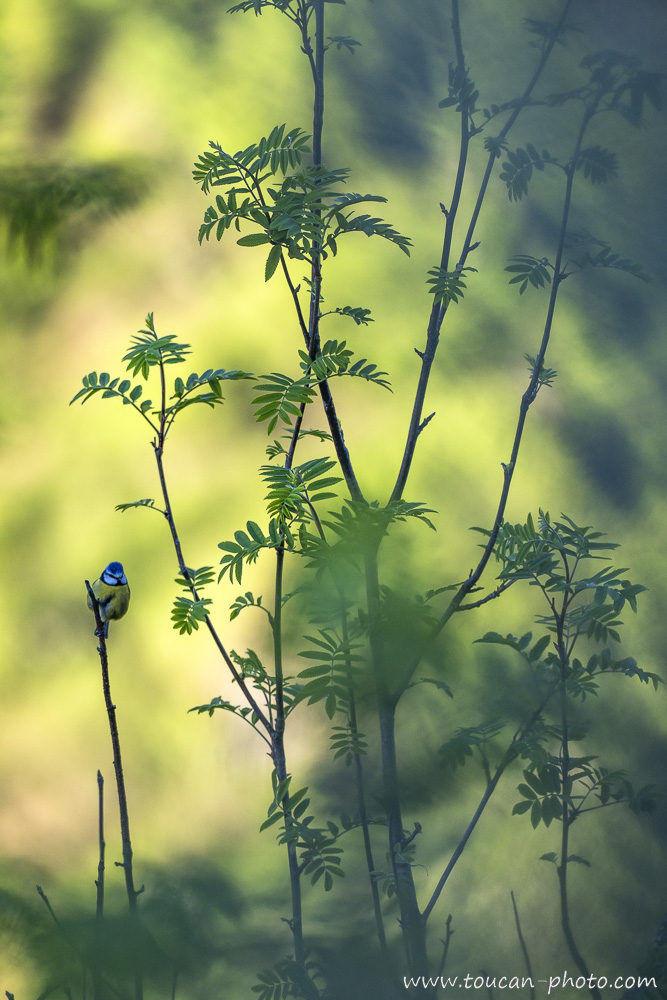
Eurasian Blue Tit (Cyanistes caeruleus) perched in the soft light of the undergrowth

In the soft light of the undergrowth, a Blue Tit pauses for a brief moment.

A burst of color and energy, the Eurasian Blue Tit (Cyanistes caeruleus) brings a vital spark of life to the silence of the forest.

This small, agile acrobat plays a crucial role as a natural regulator within its ecosystem. During the breeding season, a single pair can collect up to 10,000 insects and larvae—particularly defoliating caterpillars—to feed a single brood. Its presence indicates a diverse woodland environment that provides both essential nesting sites and a rich, sustainable food source.

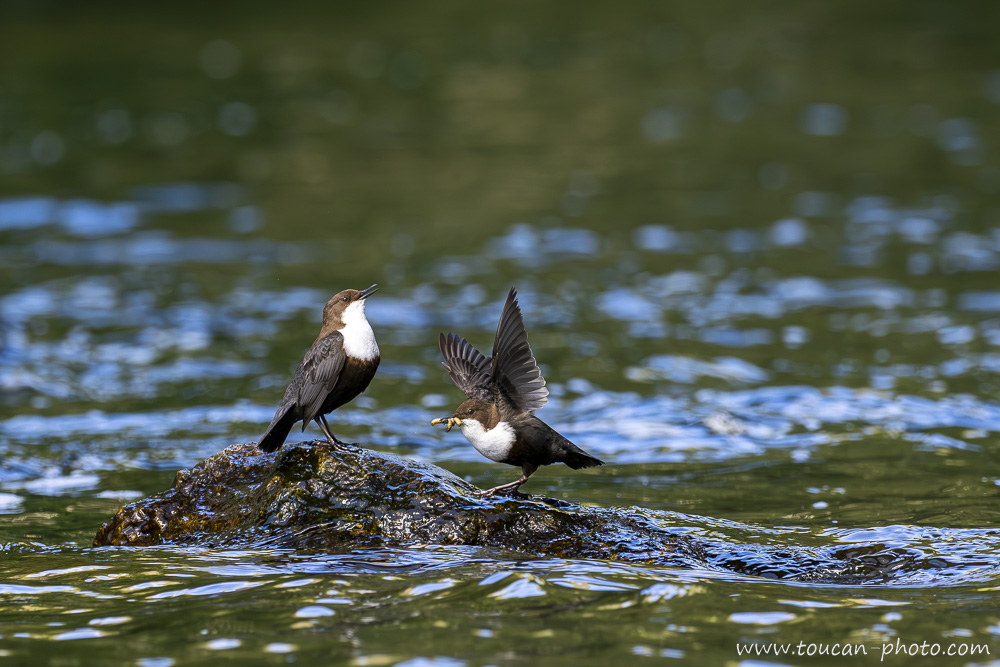
Pair of White-throated Dipper (Cinclus cinclus) – Spain

Pair

Pair of White-throated Dipper (Cinclus cinclus) – Spain


A small bird of fast-flowing rivers, the white-throated dipper fascinates with its aquatic lifestyle. Able to walk underwater against the current, it hunts aquatic insects, larvae, and small crustaceans along the stream bed. In this discreet dweller of cool waters, the bond between mates is strengthened through food exchanges: the male sometimes feeds the female — a gesture that seals their union before nesting begins.

?>
Next page