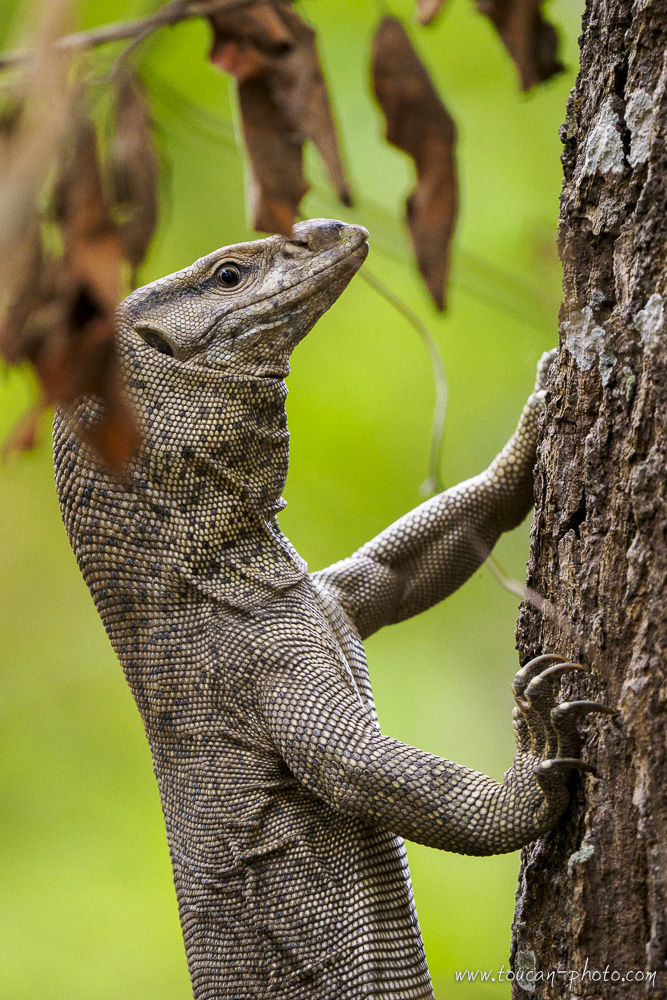
Bengal Monitor (Varanus bengalensis) in Nepal
The Bengal Monitor (Varanus bengalensis) is one of the largest lizards in Asia. An excellent climber, it uses its long claws to scale trees in search of food or shelter while remaining remarkably discreet despite its impressive size.
The Bengal Monitor (Varanus bengalensis) is widely distributed across South Asia, inhabiting forests, farmland, and even areas close to villages. Although it can grow to more than 1.5 metres in length, it often goes unnoticed thanks to its secretive behaviour and coloration, which blends perfectly with its surroundings.
In this photograph, taken in Nepal, the lizard effortlessly climbs the trunk of a tree. Its powerful curved claws provide excellent grip, allowing it to search for bird eggs, small mammals, insects, and other prey hidden among the branches. While it spends much of its time on the ground, the Bengal Monitor is also a particularly agile climber.
Often feared because of its appearance, this large lizard is harmless to humans when left undisturbed. An opportunistic predator and scavenger, it plays an important ecological role by feeding on both live prey and carrion, contributing to the recycling of organic matter.


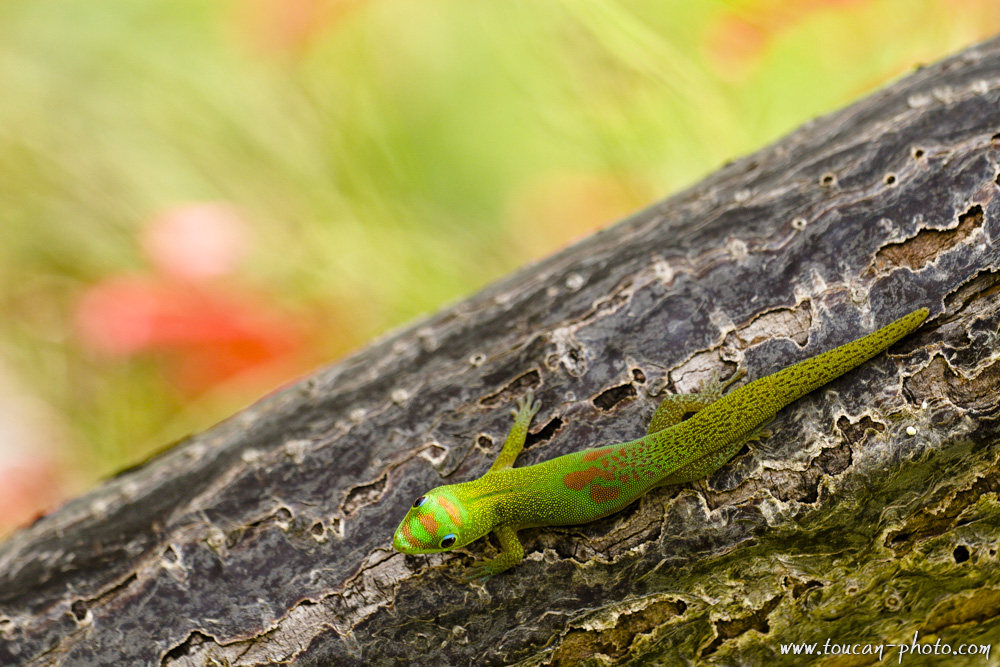


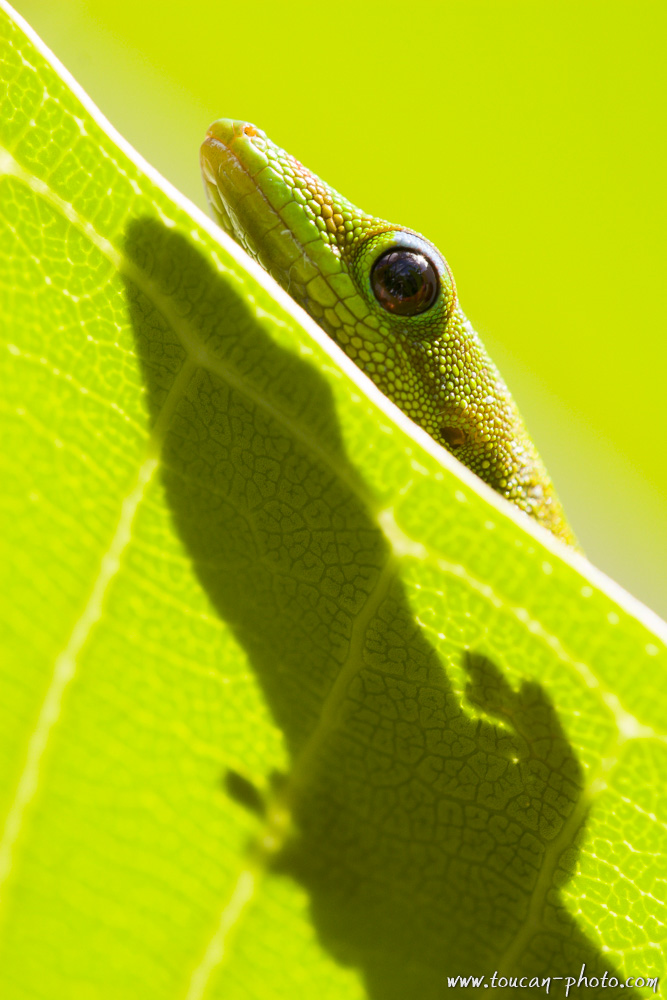 Gold dust gecko (Phelsuma laticauda), France, Reunion Island
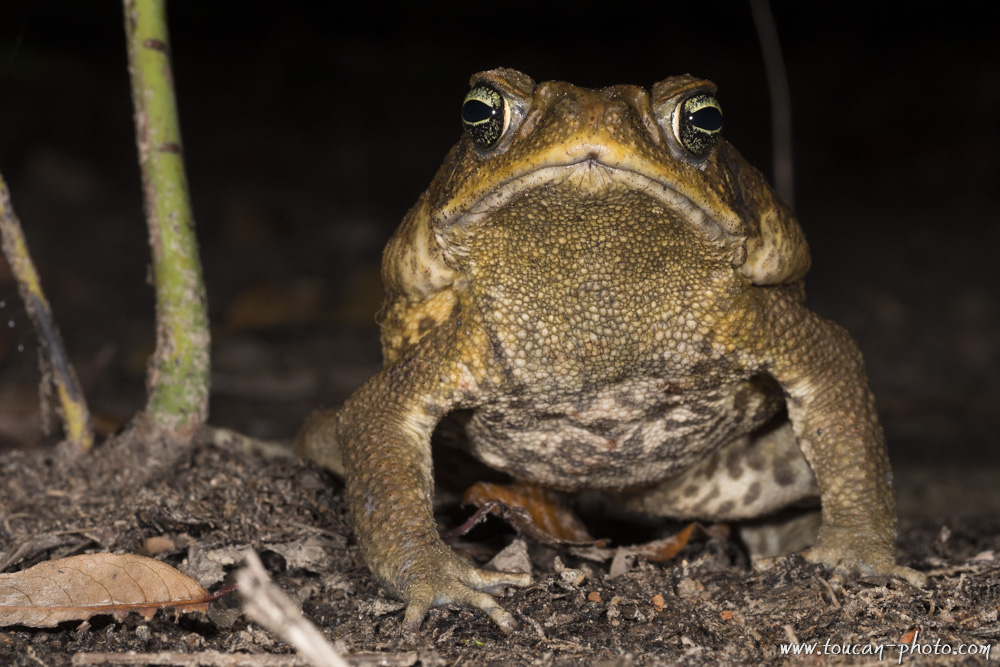
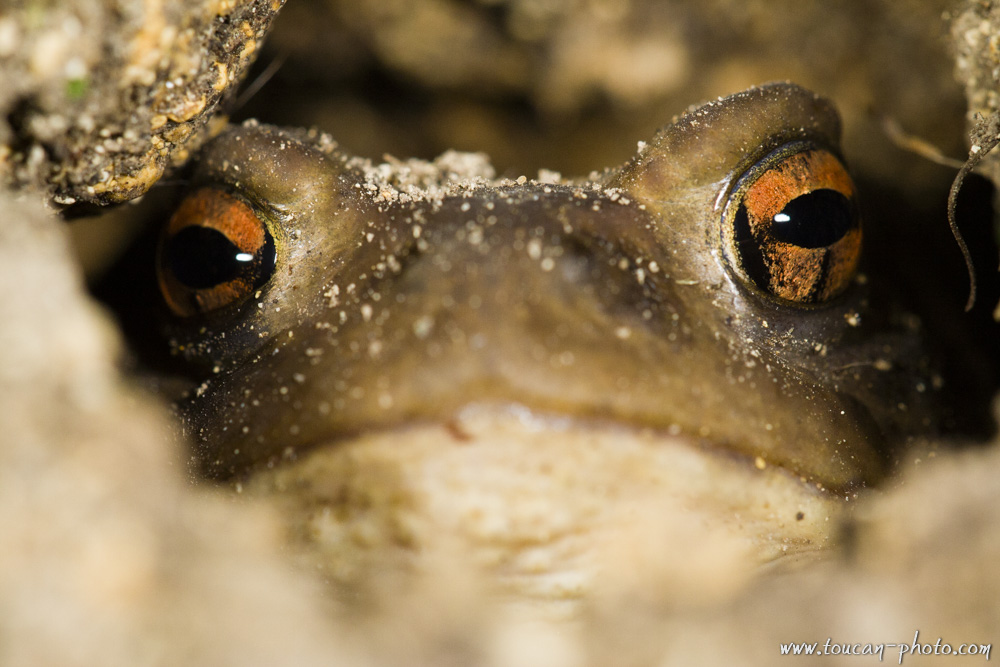 A toad eagerly awaiting in his hole
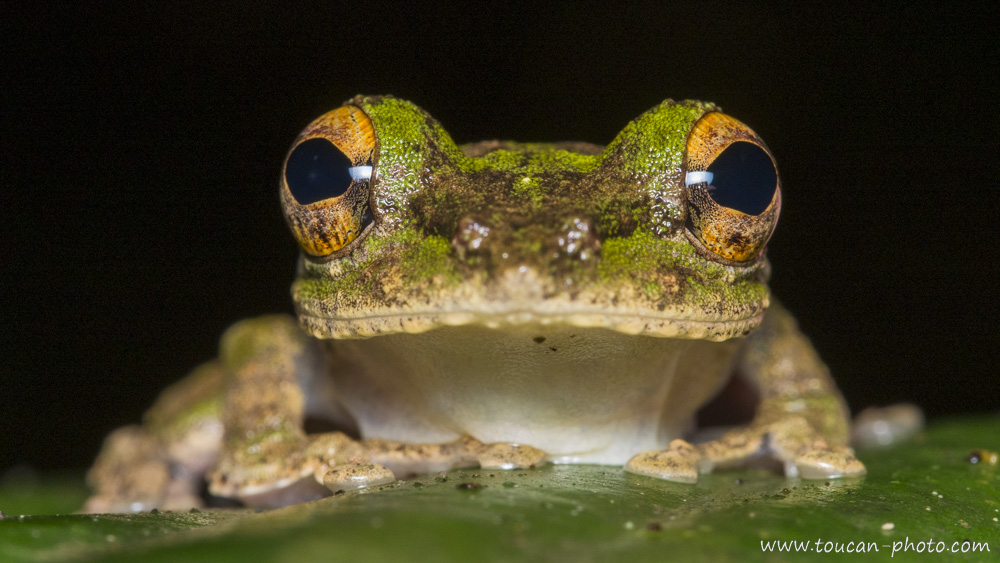
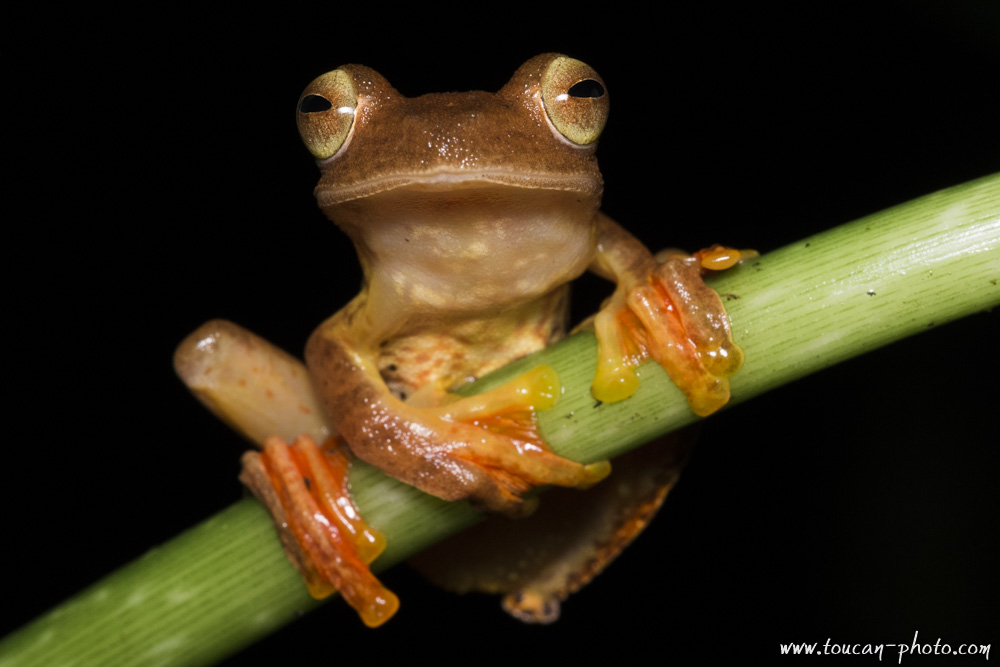 Harlequin tree frog (Rhacophorus pardalis), Borneo, Malaysia
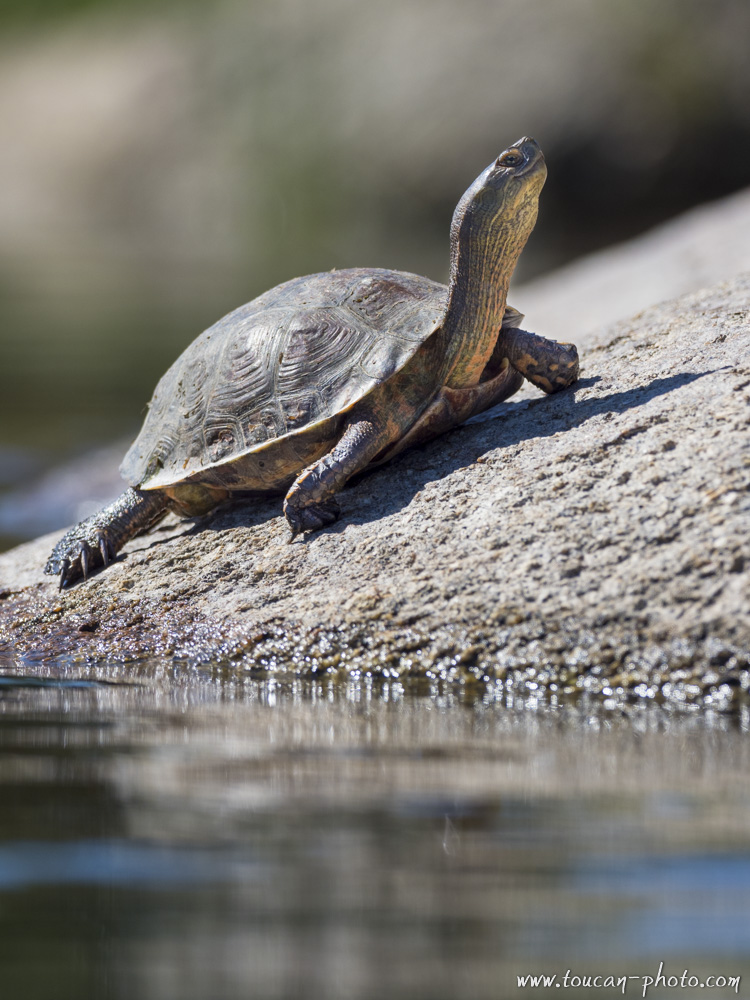
 Turtle