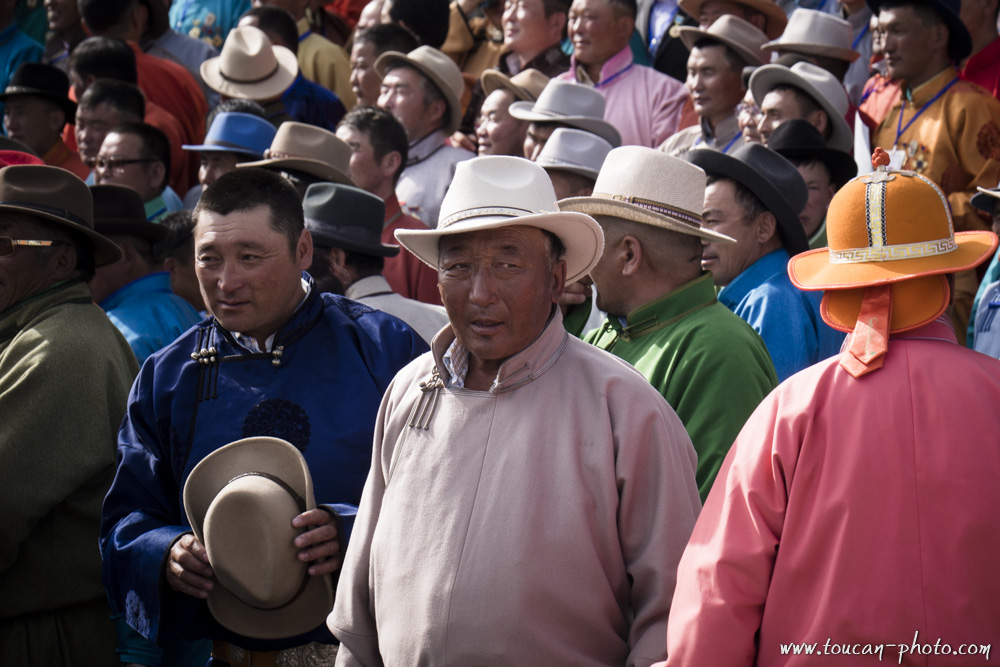
Reunion among the Mongolian farmers

A colorful meeting for a sensitive debate - Mongolia

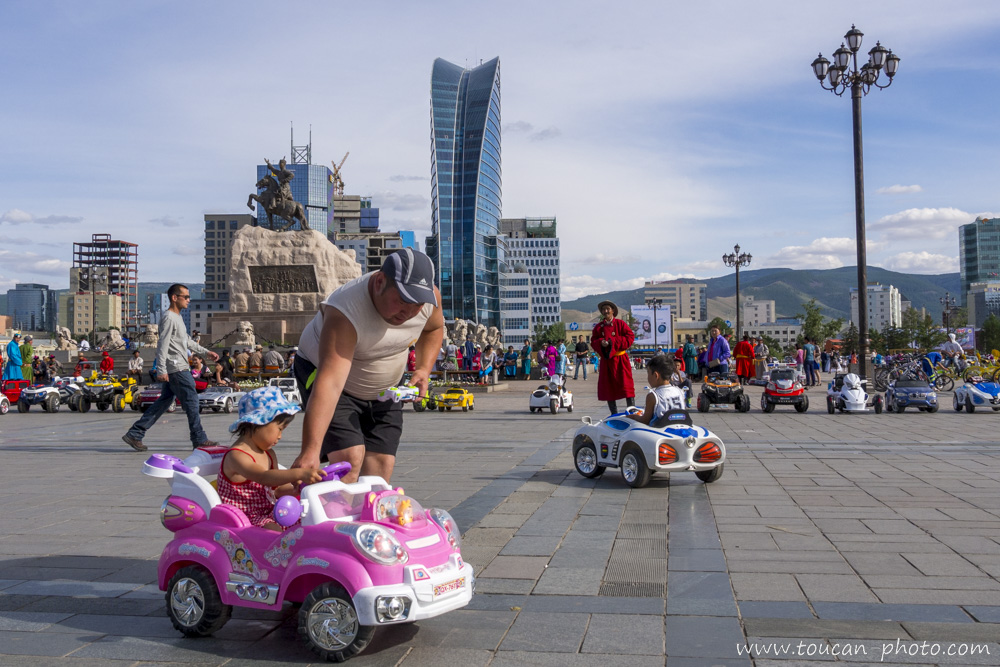
A colorful meeting for a sensitive debate.

This photo was taken in 2015 in Ulaanbaatar, the capital of Mongolia.

Large livestock owners from all over the country met once again to discuss the consequences of the latest “white dzud” that had just hit Mongolia. A “dzud” is a climatic phenomenon (sometimes a summer drought, sometimes a freezing winter, or sometimes a combination of both) that leads to the death of many head of livestock. In recent years, “dzuds” have been occurring one after another. Annual losses are counted in the millions of animals.

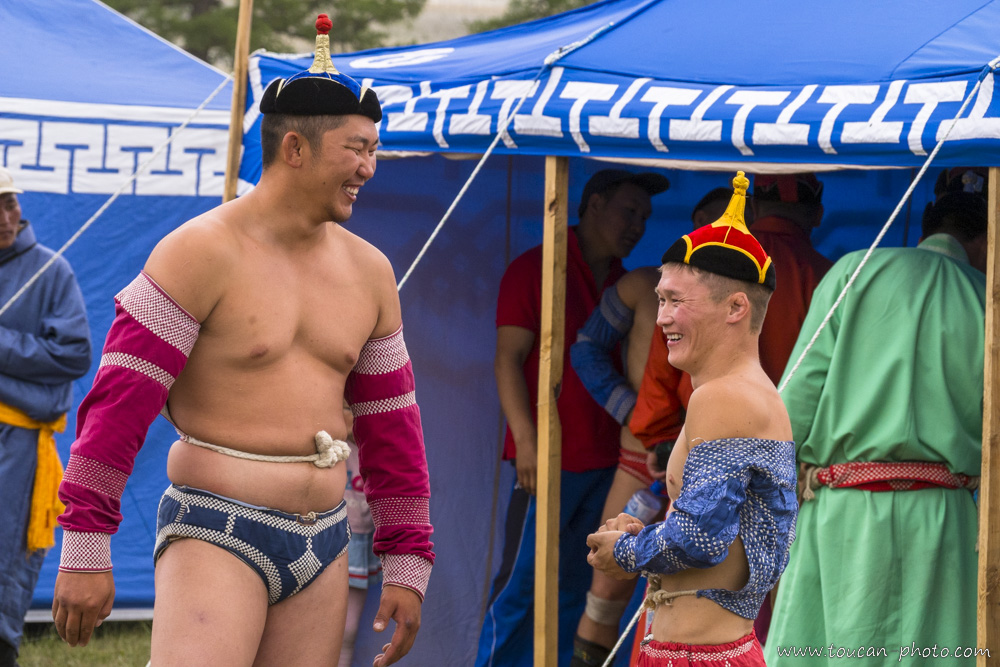
Wreslters relaxing during Naadam festival, Mongolia

Wreslters

Wreslters relaxing during Naadam festival, Mongolia
 

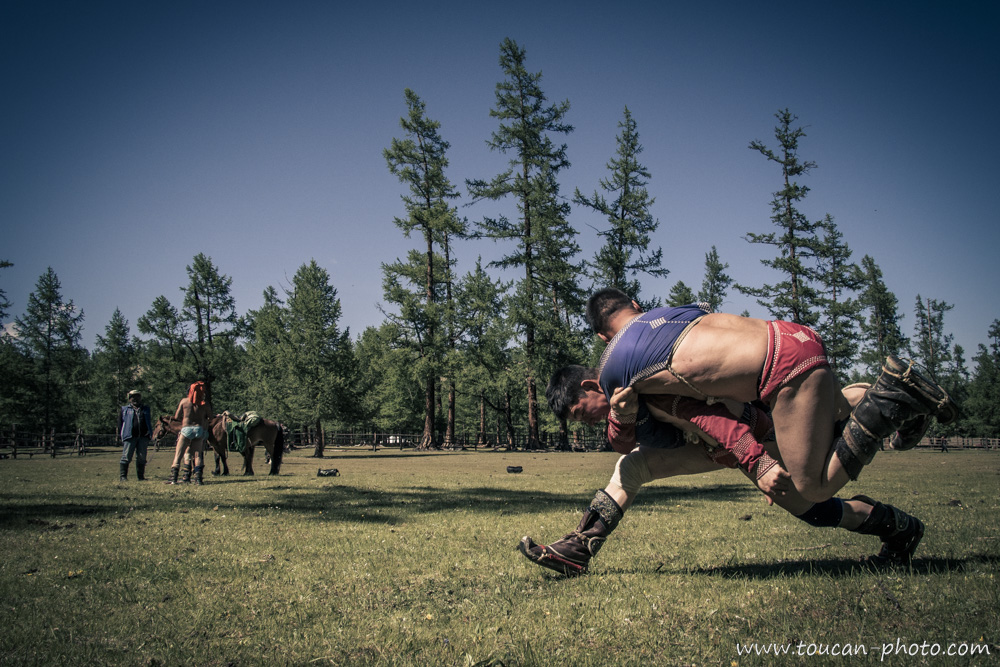
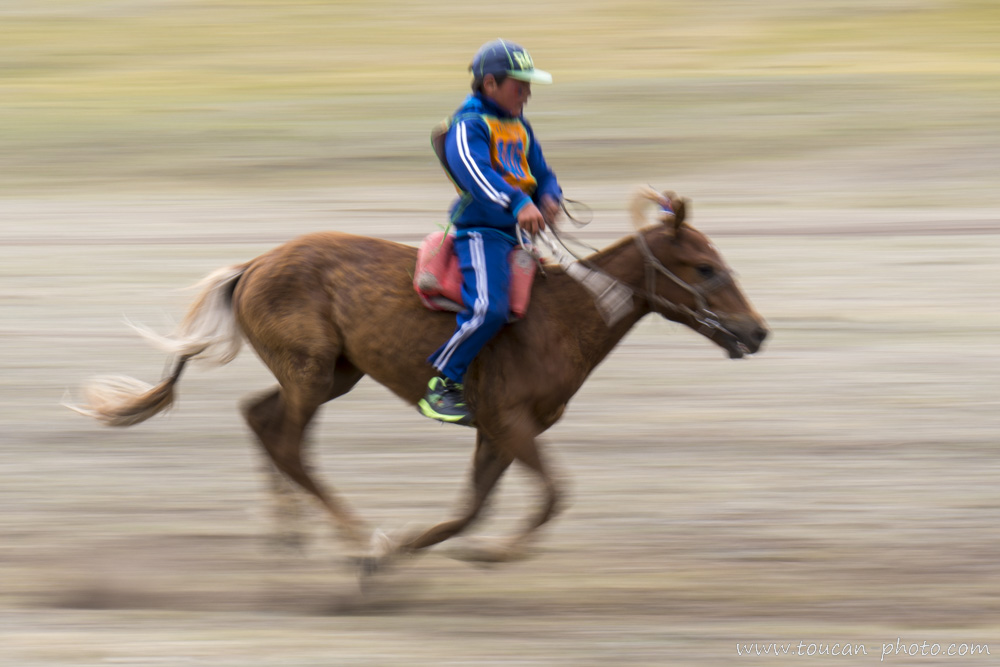
The festival of Naadam (In Mongolian: Наадам, and in classical Mongolian: ᠨᠠᠭᠠᠳᠤᠮ) is a traditional festival celebrated in Mongolia, Inner Mongolia and in Tuva. During the Naadam festival, three different competitions are organized: Mongolian wrestling, archery and horse racing. The three games are held throughout the country during midsummer, but the most mongolian famous competitors participates at Ulaanbaatar events, the capital city. Women have started participating in the archery and girls in the horse-racing games, but not in Mongolian wrestling.

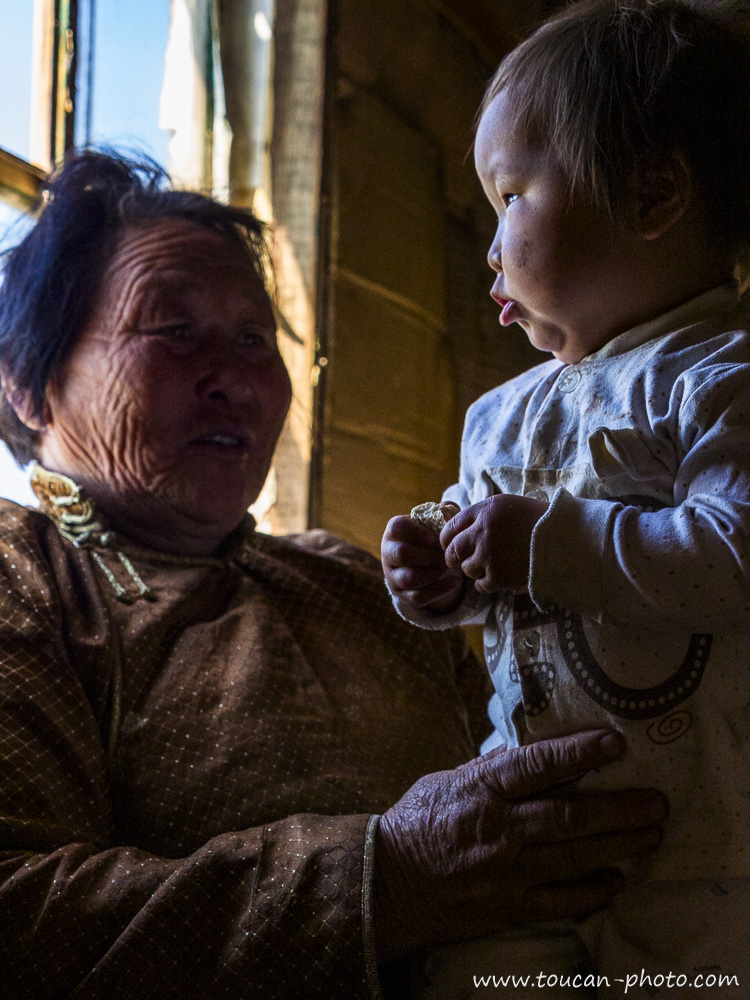
Kushi and her grandmother, Mongolia

Child looking out the window in the morning light inside a wooden house in Mongolia, with her grandmother, intergenerational life scene

Kushi and her grandmother, Mongolia

A suspended moment of connection between generations, at the heart of the Mongolian home.

Kushi stands beside her grandmother, her gaze drawn to the morning light streaming through the window of the wooden house. Her attention turns outward, as if captivated by the world beyond the walls, while her grandmother watches over her, present and attentive. In Mongolia, several generations often live under the same roof, and these simple moments shape everyday life.

In many nomadic or rural cultures, such as in Mongolia, the extended family plays a central role in education and daily life. Knowledge, traditions, and values are passed down over time through closeness, gestures, and the presence of elders.
?>