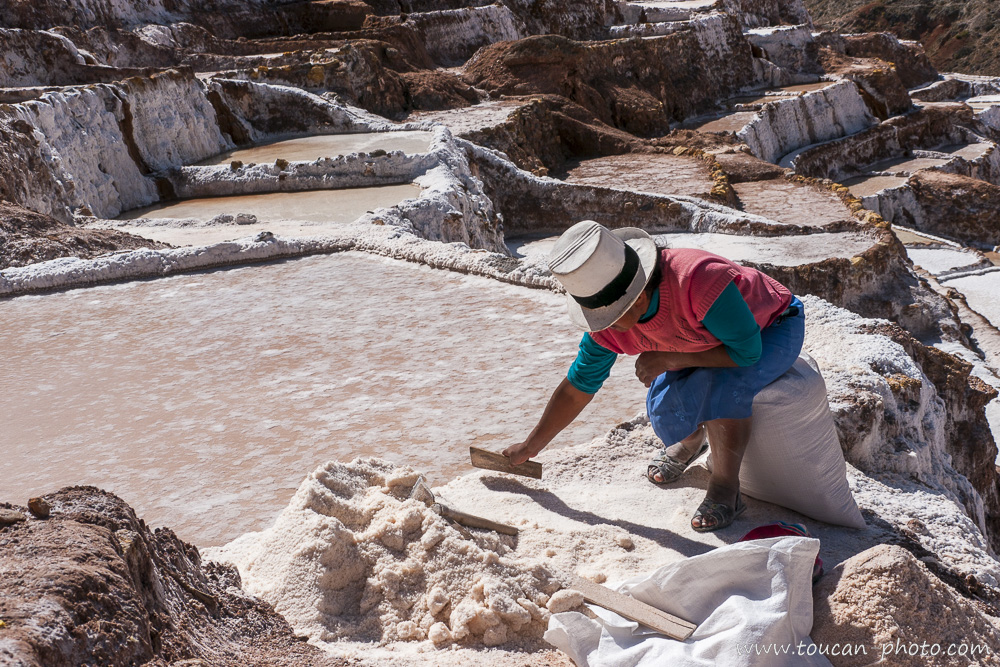
“Inca cachi”, the “Incas Salt”, Salt ponds of Maras, Peru
Peru is one of South America’s greatest cultural and natural crossroads. Stretching from the Pacific coast across the Andes to the Amazon rainforest, the country encompasses an extraordinary diversity of landscapes and ecosystems. This remarkable geography has shaped a rich mosaic of peoples, languages and traditions that continue to define Peru today.
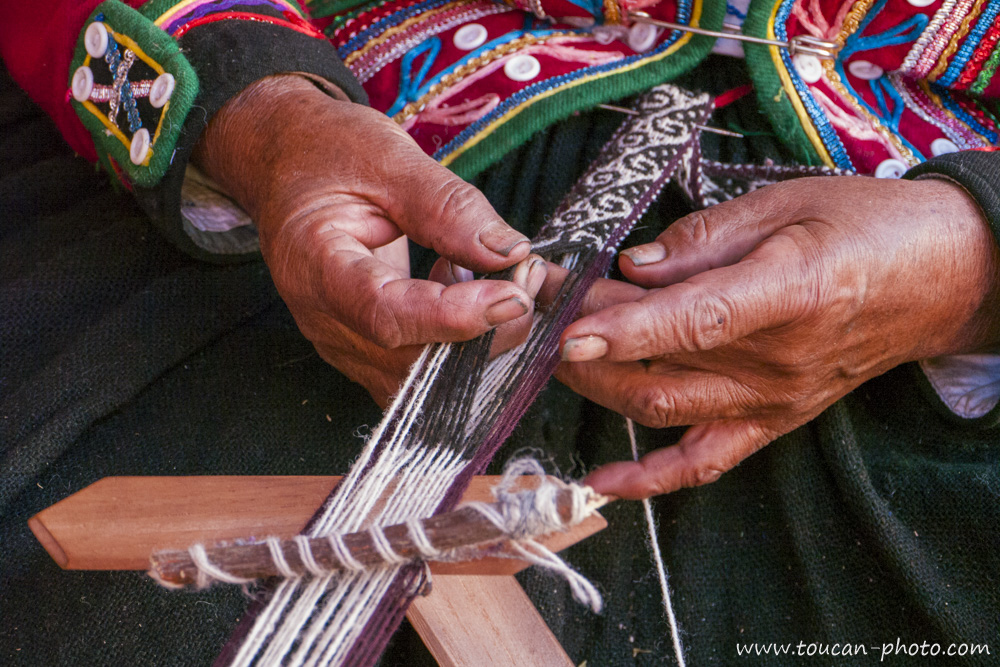
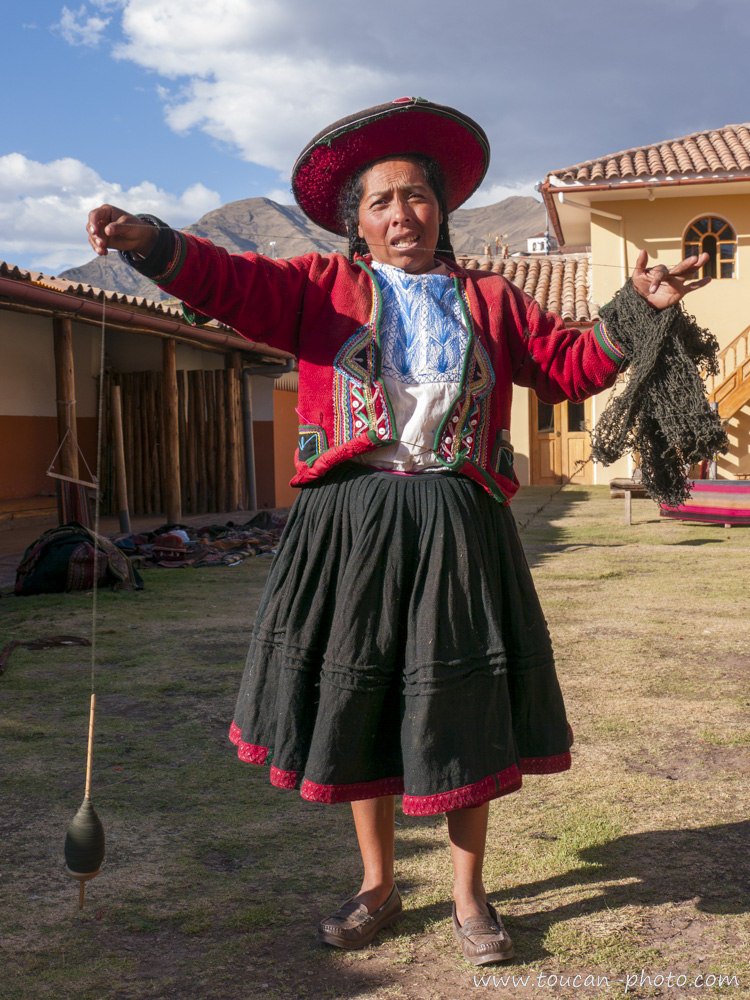
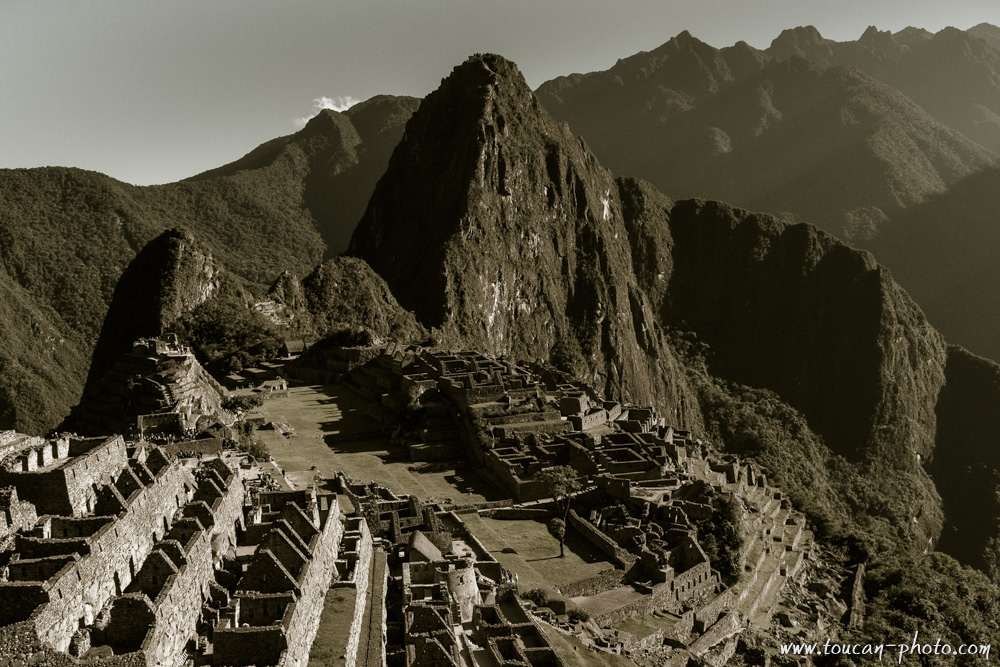
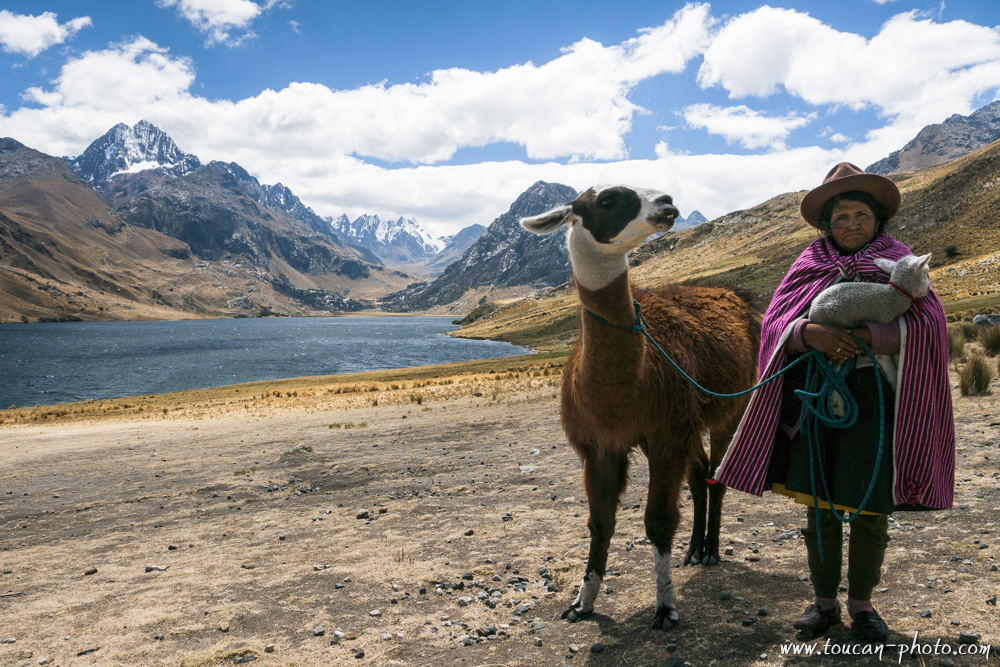
Home to several major pre-Columbian civilizations, most notably the Inca Empire, Peru preserves one of the world’s richest archaeological heritages. From the mysterious Nazca Lines to the iconic citadel of Machu Picchu and the villages of the Sacred Valley, each region tells part of a history that spans thousands of years. Traditional textiles, colourful clothing and distinctive hats worn by different communities still reflect regional origins, cultural traditions and, in some cases, social status, illustrating the remarkable diversity of Peruvian identity.
Through these photographs, I invite you to discover a Peru where spectacular landscapes and a rich cultural heritage are inseparably linked, making every journey an immersion into one of the Americas’ most fascinating civilizations.
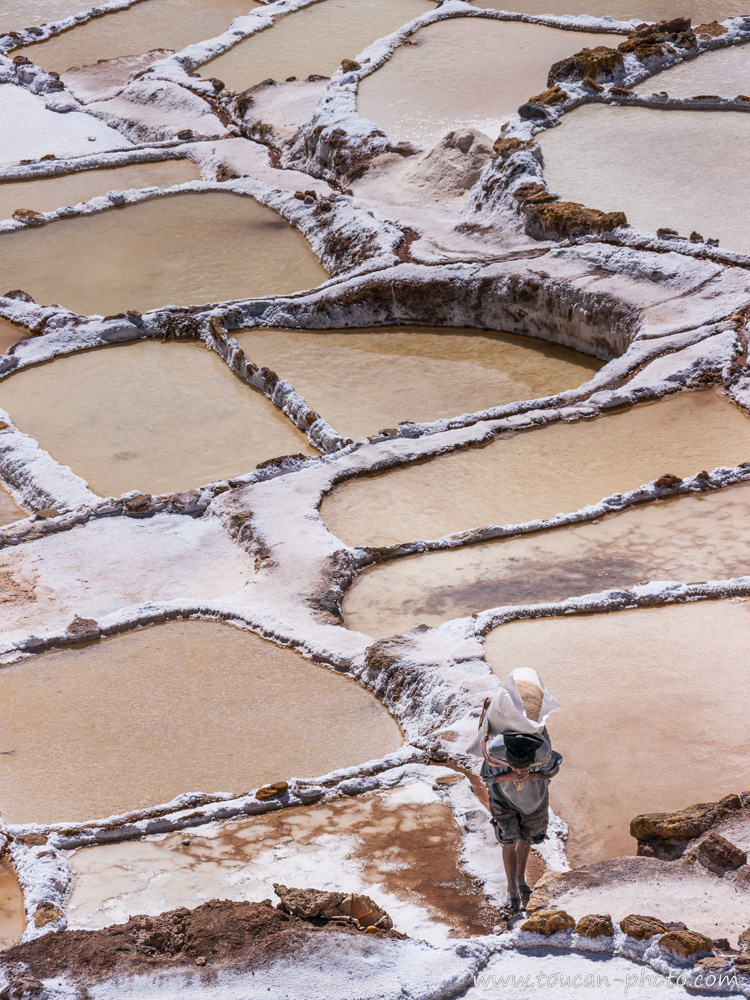
“Inca cachi”, the “Incas Salt”, Salt ponds of Maras, Peru
What makes Maras salt so special is that the ponds in which it is collected are located in the mountains, at more than 3300 meters above sea level and at a distance of more than 400 km from the sea.
The presence of salt in these ponds is due to the ingenuity of the pre-Inca peoples who lived in the region.
Indeed, more than 2000 years ago, they diverted a stream naturally saturated with sodium chloride, and brought it using channels and small canals to come and flow into terraced ponds dug on the side of Qaqawinay mountain, about 50km far from Cuzco.
Once the water is trapped in one of the 3600 ponds, it evaporates leaving the salt ready to be harvested. Today, salt has no longer the same value as in Inca times, during which it was a real “White Gold”, but about 700 to 800 Quechua families organized into cooperatives continues to live off its harvest.
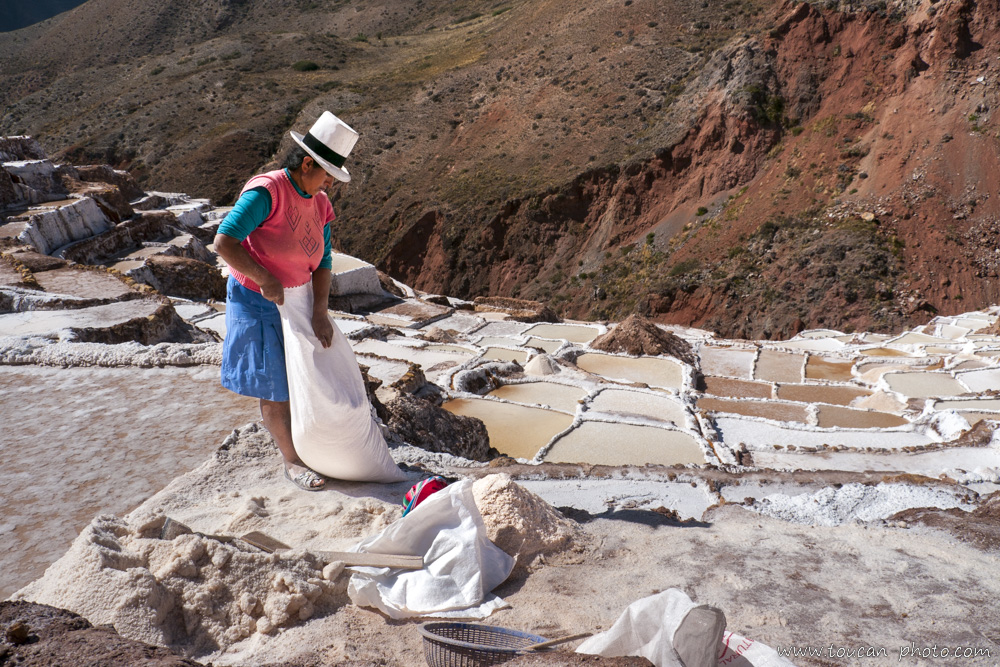
“Inca cachi”, the “Incas Salt”, Salt ponds of Maras, Peru
What makes Maras salt so special is that the ponds in which it is collected are located in the mountains, at more than 3300 meters above sea level and at a distance of more than 400 km from the sea.
The presence of salt in these ponds is due to the ingenuity of the pre-Inca peoples who lived in the region.
Indeed, more than 2000 years ago, they diverted a stream naturally saturated with sodium chloride, and brought it using channels and small canals to come and flow into terraced ponds dug on the side of Qaqawinay mountain, about 50km far from Cuzco.
Once the water is trapped in one of the 3600 ponds, it evaporates leaving the salt ready to be harvested. Today, salt has no longer the same value as in Inca times, during which it was a real “White Gold”, but about 700 to 800 Quechua families organized into cooperatives continues to live off its harvest.
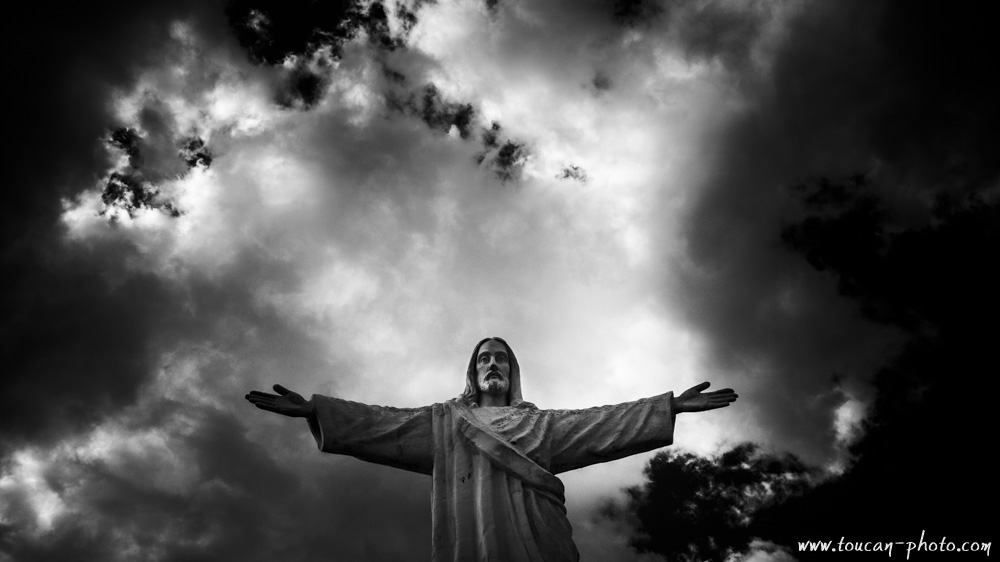
Christ, Cuzco, Peru
Located only 5km. away from Cuzco, this impressive statue opens its arms as if it were protecting the city
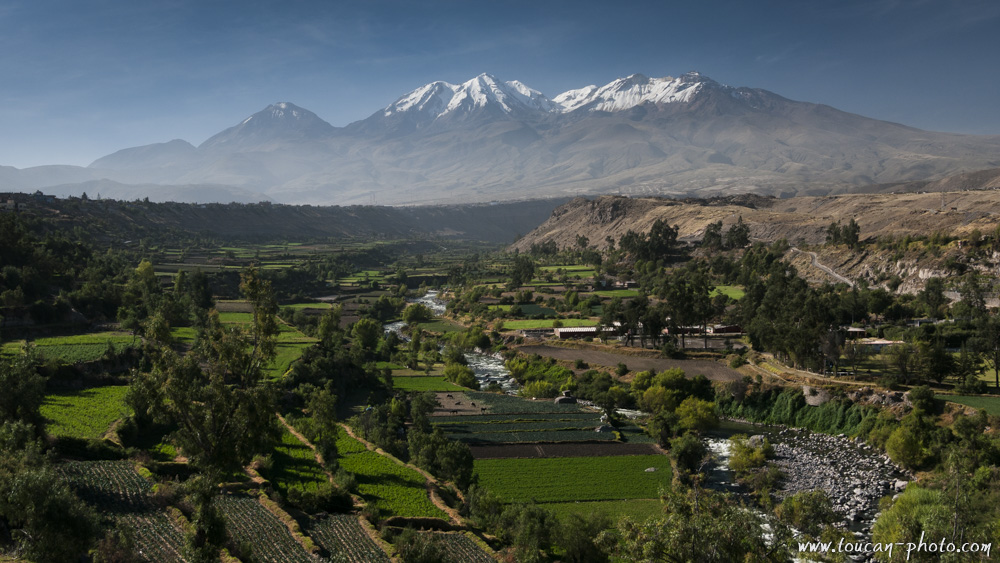 Nevado Chachani, Arequipa Area, Peru
Located in the south Peru, the Nevado Chachani volcano is the highest volcano in the Arequipa (6 075 meters of altitude). This volcano is a part of the central volcanic range of the Andes Cordillera. It is rare to have its top snowy. Since 2008, because of global warming, its last glacier has totally melted.
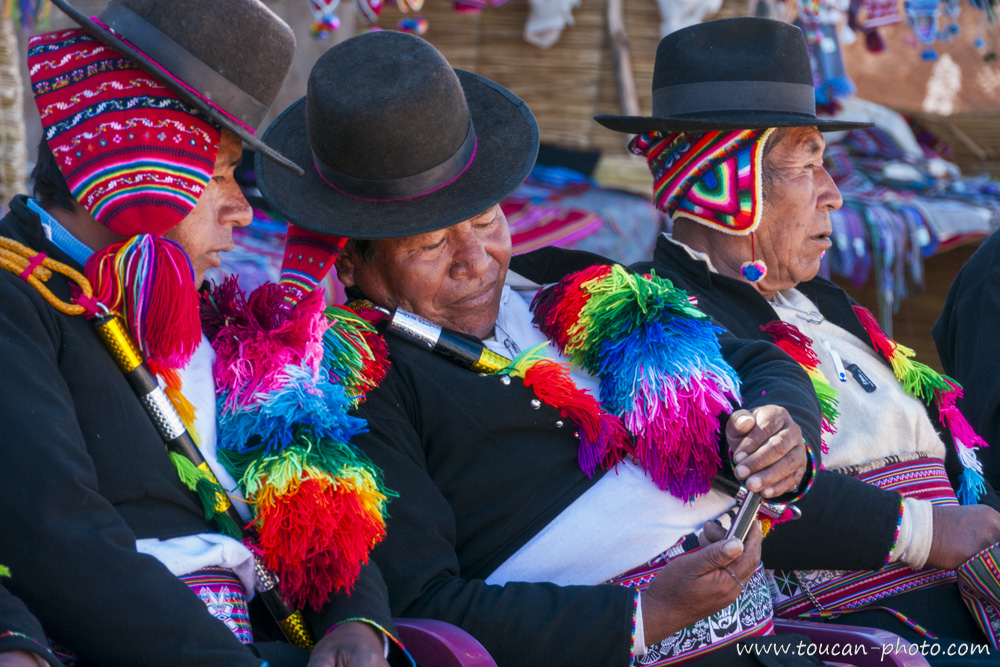
To each their own hat, and for each headgear, a unique meaning. In Peru, and more broadly across the Andean highlands, choosing a hat is far from a simple fashion statement.
Indeed, every piece of headgear, in addition to its practical and decorative purposes, carries vital information about its wearer. A hat can reveal the social or marital status of the person beneath it, while ethnic identity remains instantly recognizable through specific shapes, colors, and materials.
Today it is particularly hot. The air is dry and it hasn’t rained for months, yet you are crossing the vast desert. Your goal is the mountain on the far side. There lives Kon, the servant god who carries messages from the Earth to the Heavens. In exchange for the offering you bring, he might deliver your plea: a desperate request for the celestial gods to bring rain once more to your village’s crops.
To find your way to the mountain, you follow strange paths etched into the ground. These paths have never been seen in their entirety by human eyes. To do so, one would need to fly like a condor—but that gift, like these drawings, is reserved for celestial birds and the gods.
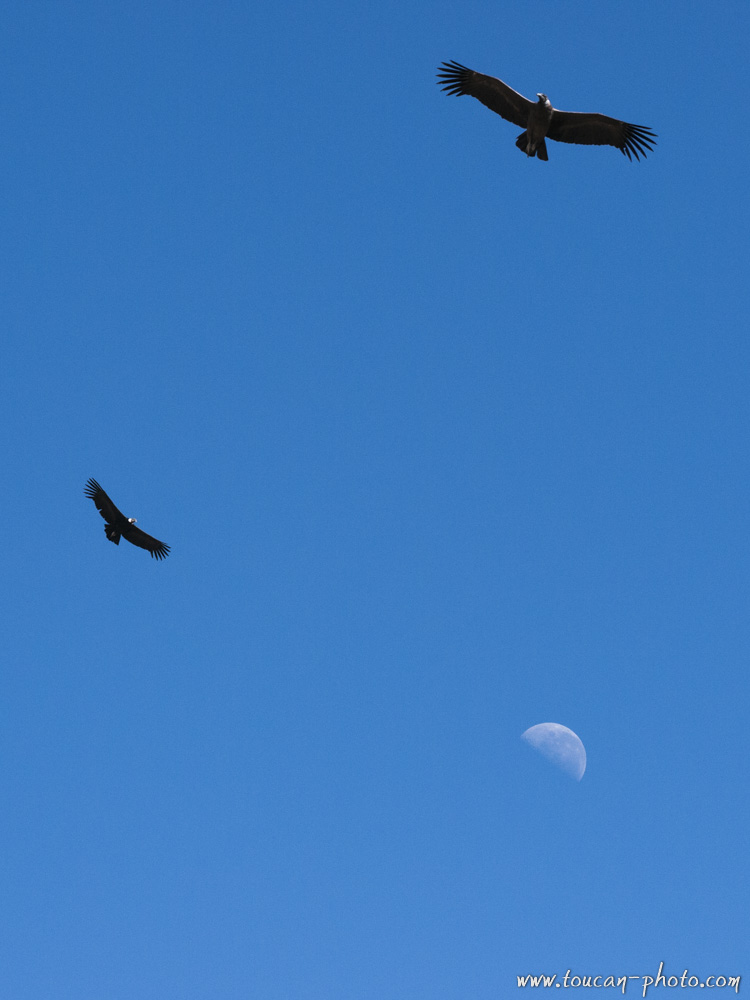 Andean Condor (Vultur gryphus), Peru
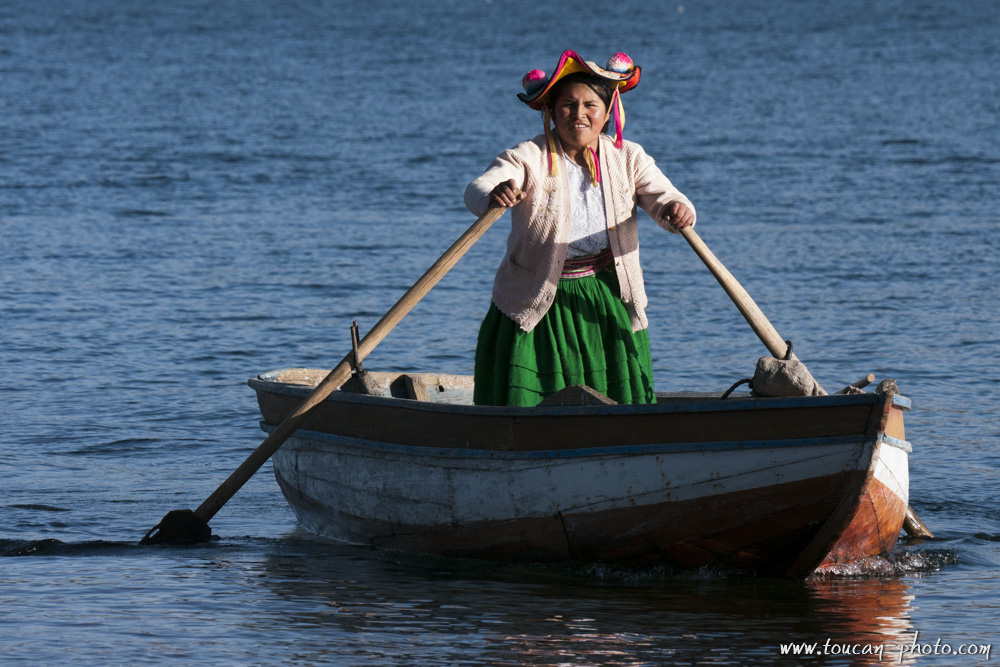 Titicaca lake, Peru
 Peru
Peru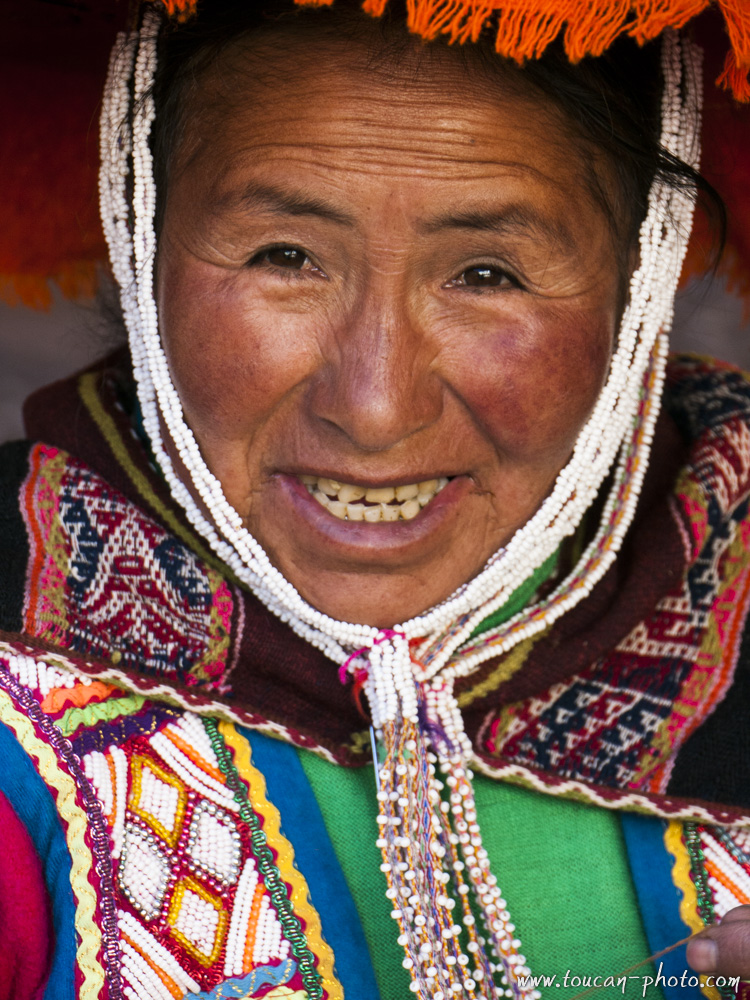 Peru
Peru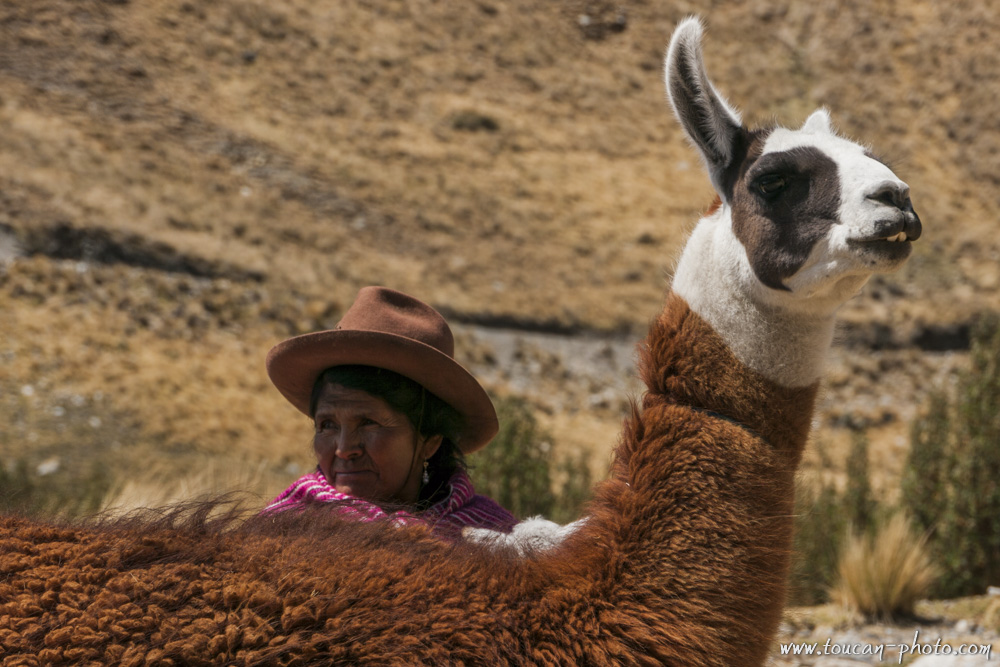 Peru
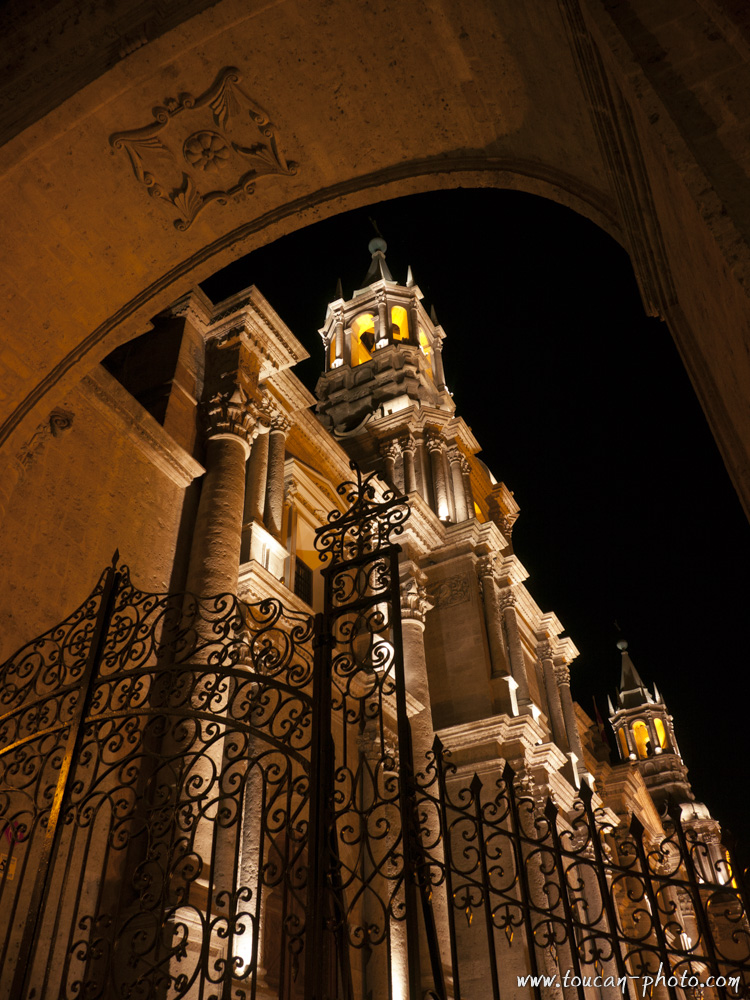
Peru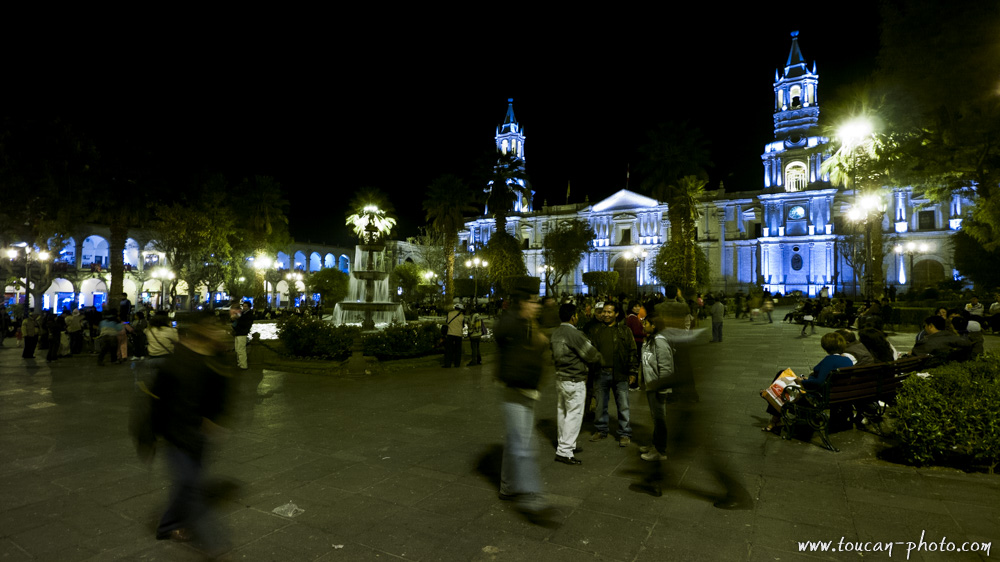 Arequipa, Peru
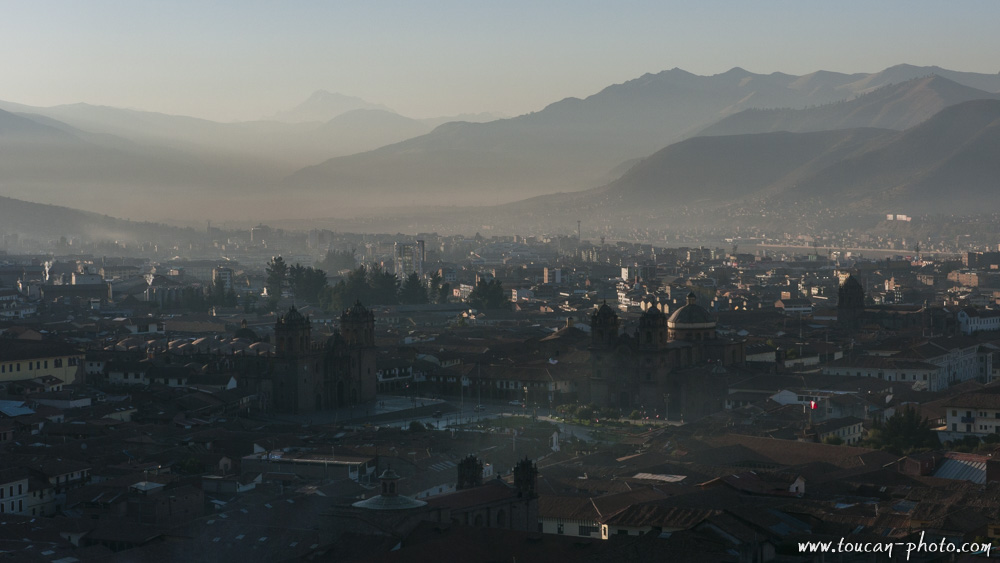 Cuzco, Peru
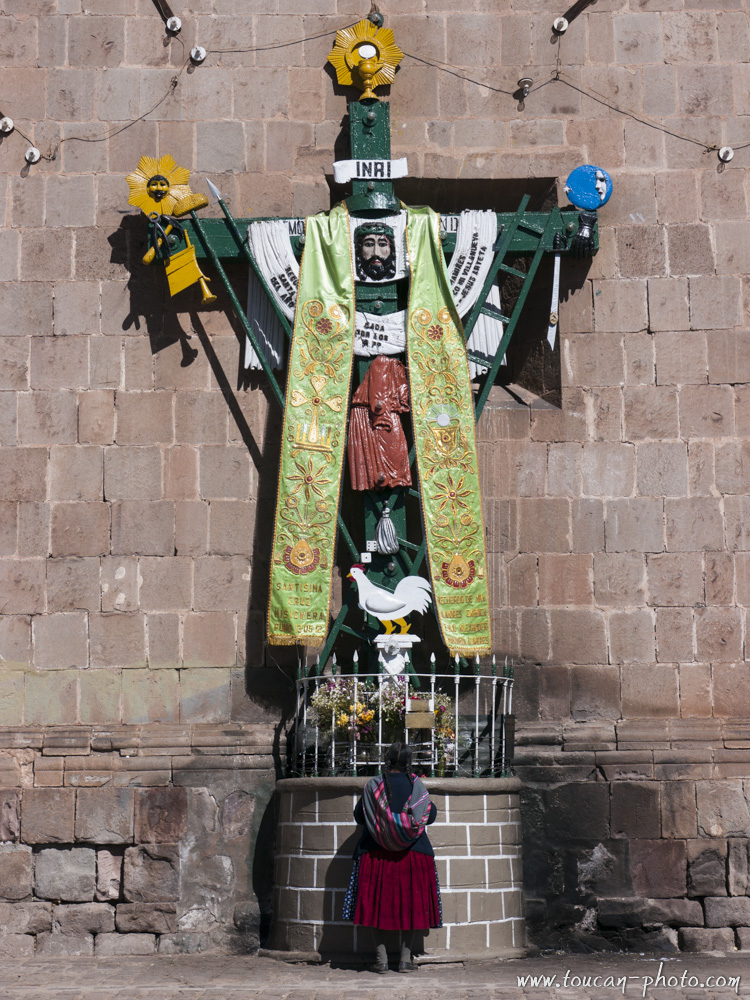 Peru
Peru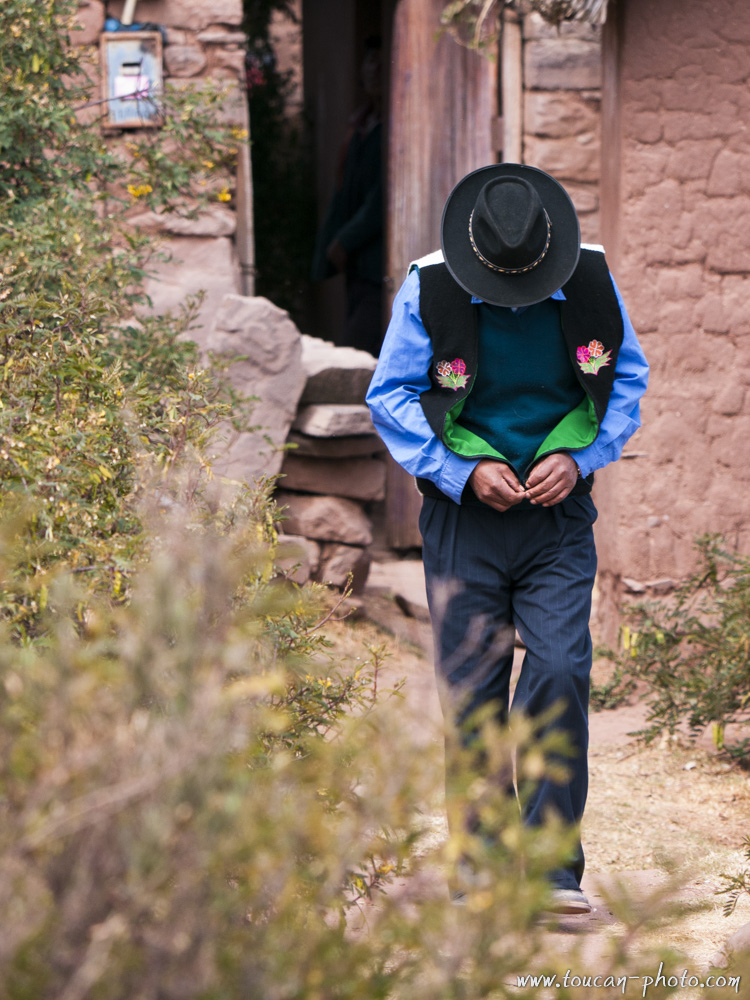 Peru
Peru