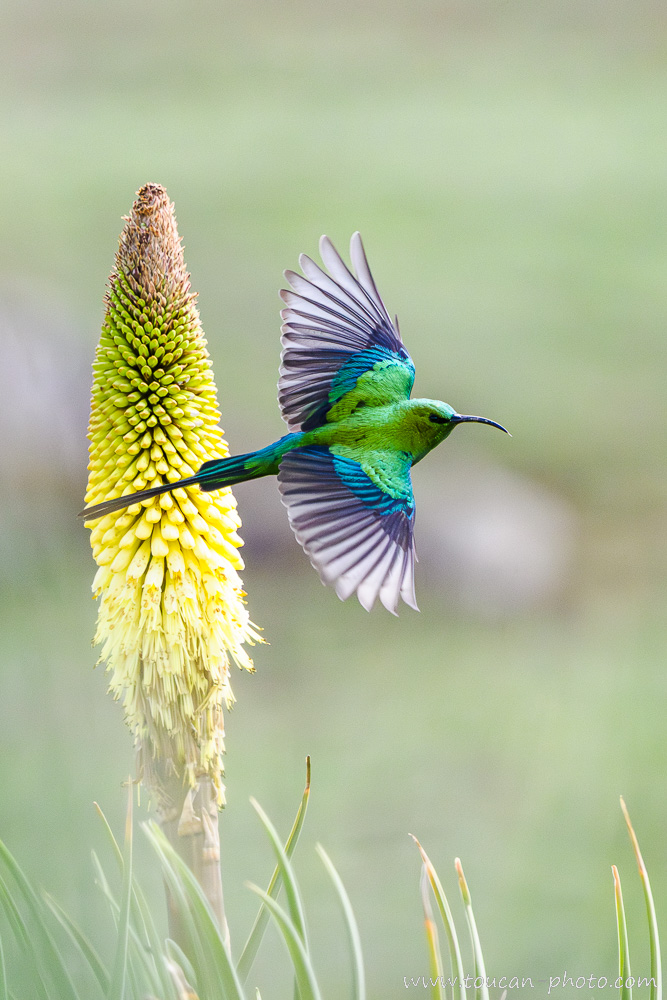
Malachite Sunbird (Nectarinia famosa) taking off from an Ethiopian Red Hot Poker (Kniphofia foliosa), photographed in the highlands of Ethiopia

Malachite Sunbird (Nectarinia famosa) taking off from an Ethiopian Red Hot Poker (Kniphofia foliosa), photographed in the highlands of Ethiopia

Malachite Sunbird (Nectarinia famosa) taking off from a Kniphofia foliosa, photographed in the highlands of Ethiopia

After sipping nectar from the long blossoms of an Kniphofia foliosa, the Malachite Sunbird (Nectarinia famosa) takes flight once more. A nearly silent departure, suspended between two wingbeats, where everything seems completely still despite the speed.

This scene was captured in the highlands of Ethiopia, where the striking flower spikes of the Kniphofia foliosa dot the high-altitude landscapes. Rich in nectar, they represent a precious resource for the Malachite Sunbird (Nectarinia famosa), a tiny passerine whose long, curved bill is perfectly adapted for exploring these flowers.

Photographing these birds requires as much patience as it does luck. Their takeoff is entirely unpredictable and lasts only a fraction of a second. When finally captured, this fleeting instant reveals all the grace and precision in the flight of these true winged jewels.

Yet, behind this incredible agility lies an equally fascinating adaptation. During the day, the Malachite Sunbird’s heart can beat between 500 and 1,000 times per minute to power its rapid metabolism and swift flight, sometimes hovering right before the flowers. However, as night falls over the Ethiopian mountains and temperatures plummet, it adopts a radically different strategy: it enters torpor, a state of deep rest during which its heart rate can drop to around 50 beats per minute. Its body temperature also decreases significantly, allowing it to conserve vital energy until the return of the first sunbeams.

This alternation between some of the most intense activity in the avian world and extreme energy conservation perfectly illustrates the Malachite Sunbird’s extraordinary capacity to adapt to its mountain environment.

Common Greenshank (Tringa nebularia), wintering along the coast of Dhofar, Oman

Common Greenshank (Tringa nebularia) at sunset on a beach in the Dhofar region, Oman

Common Greenshank (Tringa nebularia), wintering along the coast of Dhofar, Oman

Born in the misty wetlands of the North and photographed beneath the blazing sun of Oman, the Common Greenshank (Tringa nebularia) links two worlds that could hardly seem more different.

The name nebularia derives from the Latin nebula, meaning “mist” or “fog.” A tribute to the vast wetlands of northern Eurasia where the Common Greenshank breeds beneath the endless light of the boreal summer. Yet the bird in this photograph is thousands of kilometres away from those misty lands. Along the coast of Oman, bathed in the fiery glow of a setting sun, it continues one of the oldest journeys in the living world, linking each year the fogs of the North with the desert shores of the Arabian Peninsula.

The Nestor Kea, the rebellious intelligence of New Zealand’s mountains

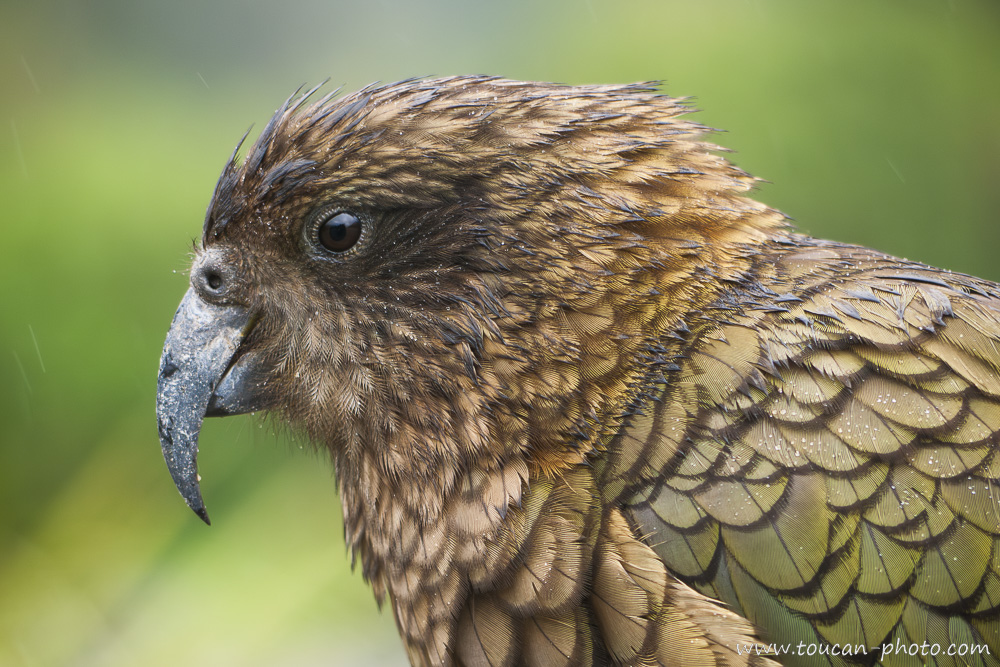
Portrait of a Kea, New Zealand

The Kea, the Rebel Intelligence of the Alps.

Behind this sharp gaze and olive-tinted plumage hides one of the most intelligent birds on the planet: the Kea.

Living exclusively in the mountainous regions of New Zealand’s South Island, this alpine parrot has an exceptional lifespan of up to 40 years. This longevity allows for an extended learning period, essential for developing its complex problem-solving skills. However, this intelligence comes with a trait well-known to travelers: an immoderate love for rubber. Door seals, windshield wipers, or hiking gear—nothing resists its powerful beak. This specimen, captured under a light drizzle, made its mark by nibbling on my tripod handle, leaving an indelible beak print—a wild “autograph” that I still cherish today as a reminder of a meeting as mischievous as it was memorable.

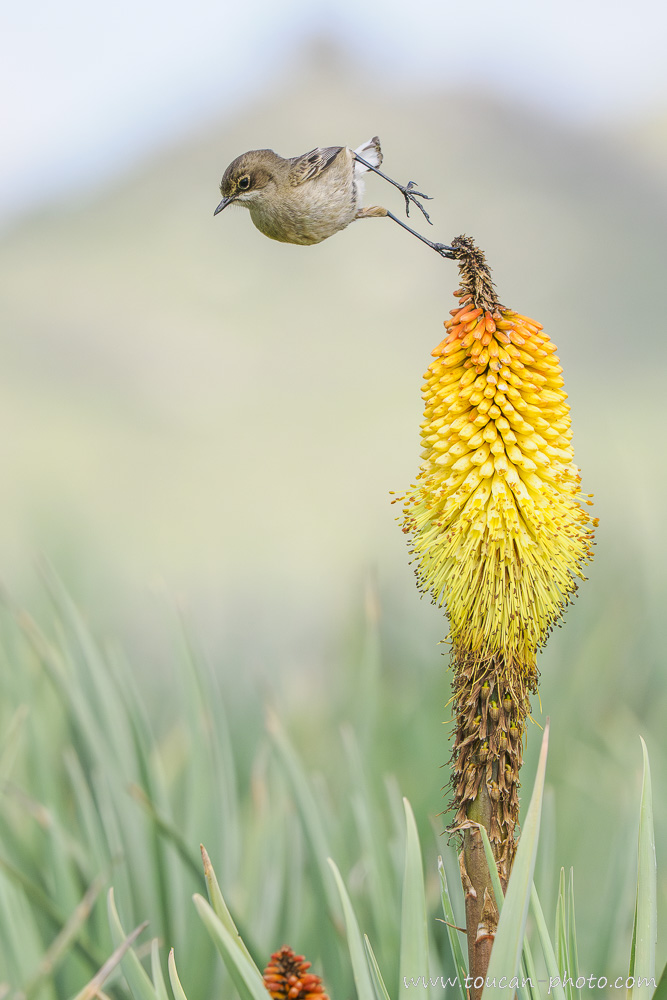
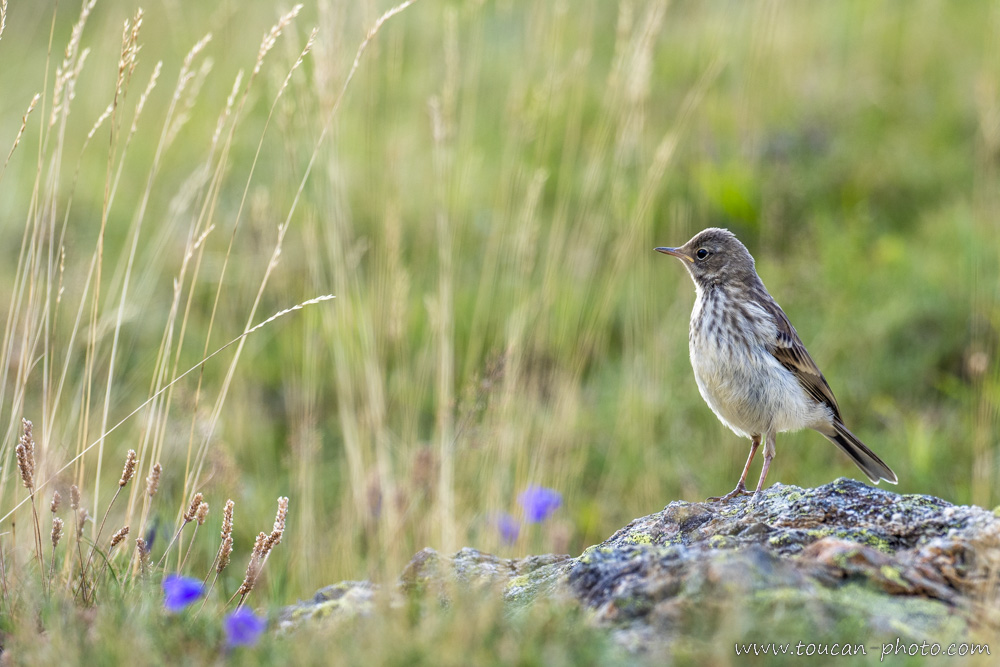
Moorland Chat (Pinarochroa sordida) on a Kniphofia foliosa – Bale Mountains, Ethiopia

Moorland Chat (Pinarochroa sordida) on a Kniphofia foliosa - Bale Mountains, Ethiopia

Moorland Chat (Pinarochroa sordida) on a Kniphofia foliosa – Bale Mountains, Ethiopia.

Perched with surprising agility atop a Red Hot Poker, this Moorland Chat surveys the high-altitude grasslands of the Bale Mountains National Park.

From an ornithological perspective, the Moorland Chat is a fascinating subject. A true champion of extreme environments, it is one of the few passerines capable of living and breeding at altitudes up to 4,500 meters. Unlike many species that migrate to milder valleys during harsh weather, it remains a year-round resident of the high plateaus, daily enduring nocturnal frosts and thinning oxygen.

Here it is seen on a Kniphofia foliosa, an endemic plant whose blooms serve as strategic perches. Its long legs, shown in full extension in this shot, bear witness to its perfect adaptation to life on the ground and in the low vegetation of alpine moorlands. Its ability to maintain constant activity in such a demanding environment makes it a symbol of resilience for Ethiopian wildlife.

Sanderlings in flight (Calidris alba) – Oman

Sanderlings in flight (Calidris alba) – Oman

Sanderlings in flight (Calidris alba) – Oman.

Flying in tight flocks over the shores of the Arabian Sea, these long-distance migrants connect the coasts of Oman to the Arctic tundras every year.

Always on the move, Sanderlings skirt the shoreline in dense groups, punctuating the coast with their swift, synchronized flights. These small shorebirds travel thousands of miles annually between their Arctic breeding grounds and the temperate or tropical beaches where they overwinter. On the foreshore, they tirelessly follow the ebb and flow of the waves, feeding on tiny invertebrates revealed by the receding water.

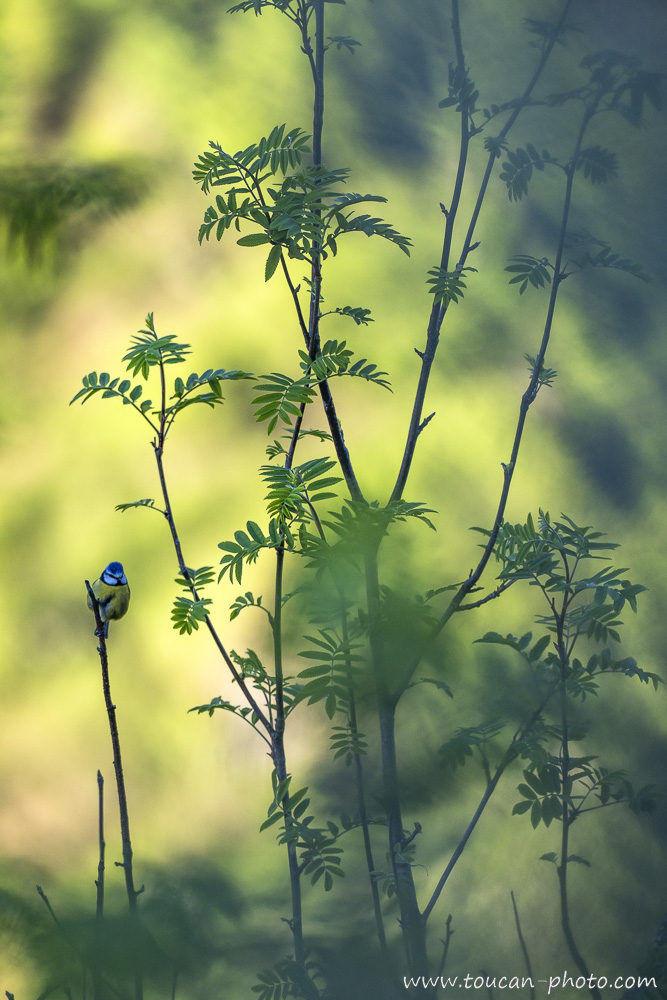
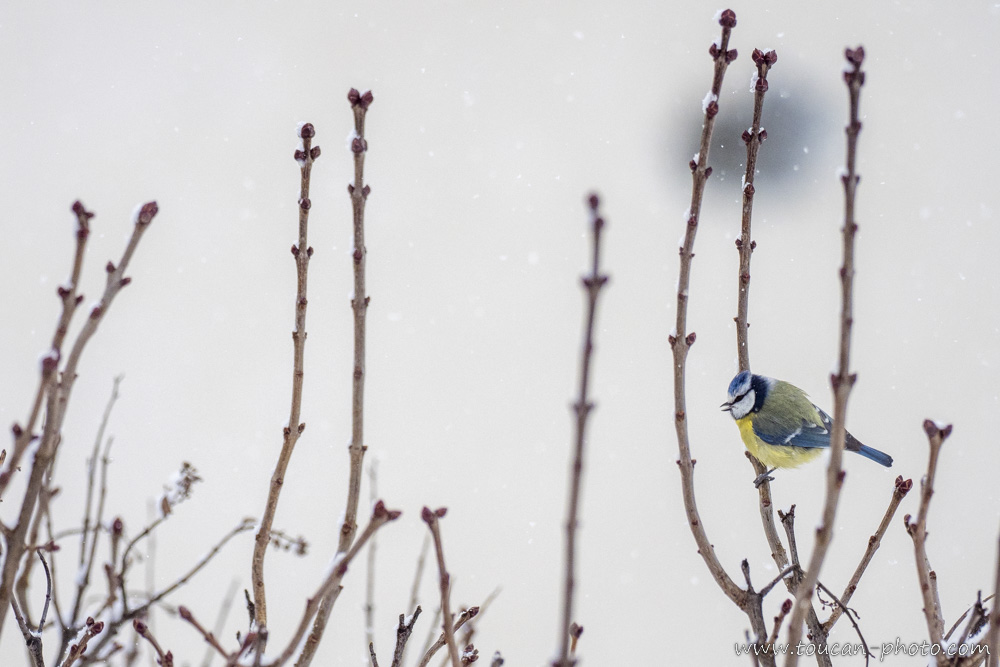
The Eurasian Blue Tit (Cyanistes caeruleus): Acrobat of the Undergrowth

Eurasian Blue Tit (Cyanistes caeruleus) perched in the soft light of the undergrowth

In the soft light of the undergrowth, a Blue Tit pauses for a brief moment.

A burst of color and energy, the Eurasian Blue Tit (Cyanistes caeruleus) brings a vital spark of life to the silence of the forest.

This small, agile acrobat plays a crucial role as a natural regulator within its ecosystem. During the breeding season, a single pair can collect up to 10,000 insects and larvae—particularly defoliating caterpillars—to feed a single brood. Its presence indicates a diverse woodland environment that provides both essential nesting sites and a rich, sustainable food source.

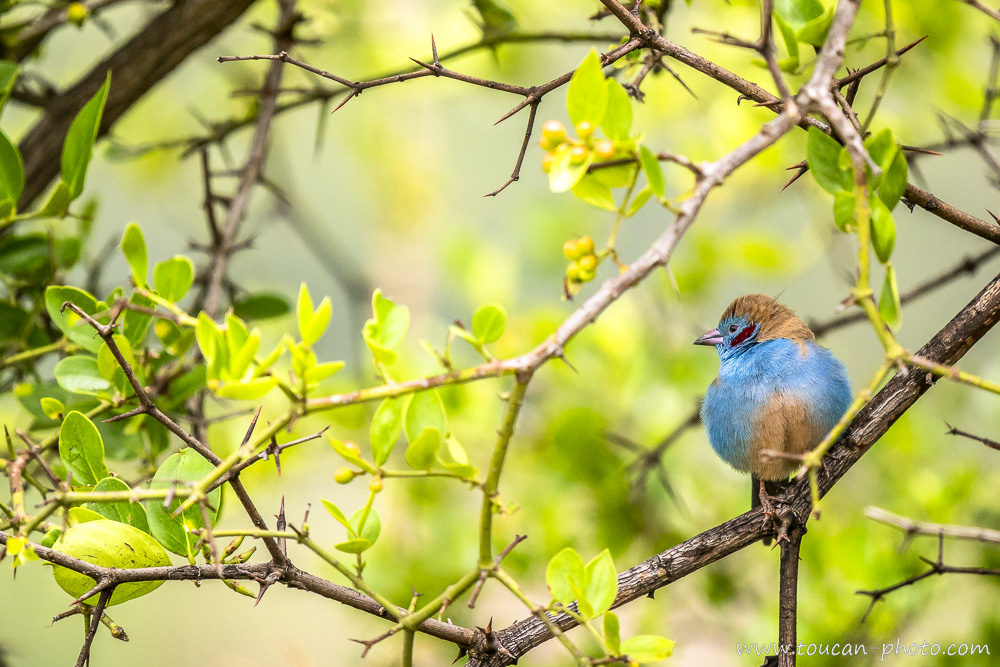
Blue Sparkle of the Male Red-cheeked Cordon-bleu (Uraeginthus bengalus)

Male Red-cheeked Cordon-bleu (Uraeginthus bengalus) perched in a thorny bush, Ethiopia

A bright turquoise flash amidst the thorny thickets of the Ethiopian savannah.

Perched in a thorny bush, this male Red-cheeked Cordon-bleu (Uraeginthus bengalus) reveals its stunning plumage.

Its vibrant turquoise-blue breast and belly are highlighted by a distinctive red patch on the cheek. In females, these colors are more muted, with the blue being less extensive and the red cheek patch absent. This contrast allows for easy identification of the sexes. Widespread across the savannahs and scrublands of sub-Saharan Africa, this small, graceful bird enlivens the Ethiopian landscape with its vivid colors and energetic movements, often found in pairs or small groups.

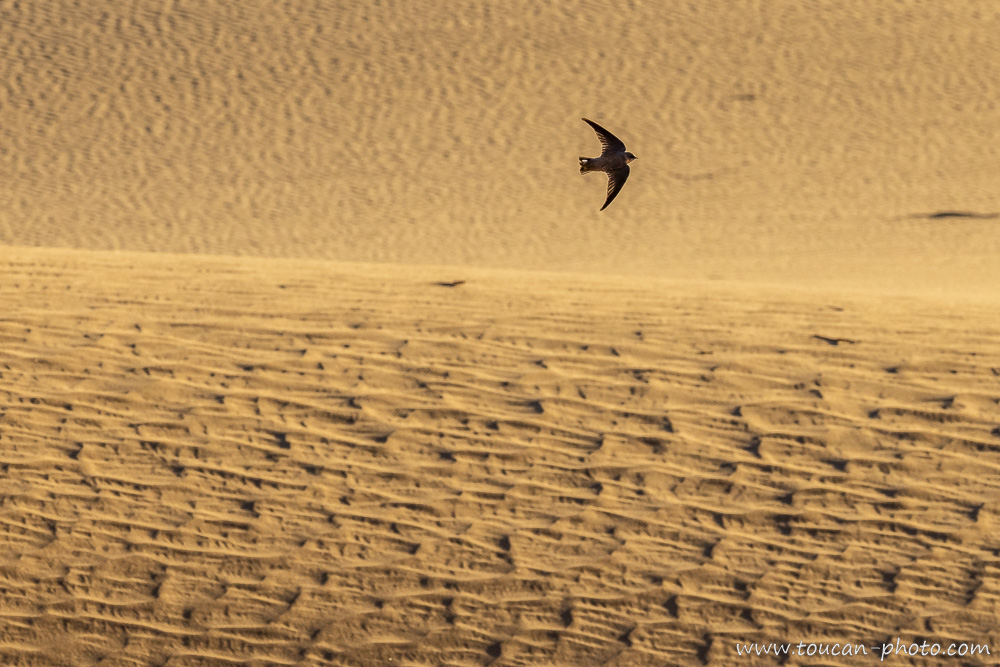
The Pale Crag Martin (Ptyonoprogne obsoleta): Messenger of the Sands

Pale Crag Martin (Ptyonoprogne obsoleta) in flight over the Algerian desert

Silent and light, it pierces the scorching air like a brown arrow.

Silent and light, the Pale Crag Martin (Ptyonoprogne obsoleta) pierces the scorching air like a brown arrow.

It traces arabesques above the dunes, a faithful companion to the wind and the light. Its fleeting silhouette seems to float between sky and earth, a reminder that even in the heart of the mineral vastness, life finds its place and dances with grace. Perfectly adapted to arid environments, this species often nests in the rocky walls of Saharan canyons and wadis.

Skimming Flight, Lesser Black-backed Gull (Larus fuscus) – Oman

Lesser Black-backed Gull (Larus fuscus) flying low over the waves, Oman

The gull skims the crest of the waves, in perfect balance between sky and sea.

In perfect harmony with the water, the Lesser Black-backed Gull (Larus fuscus) performs a silent dance above the ocean.

A remarkable long-distance migrant, identifiable by its slate-grey mantle and yellow legs, it travels thousands of kilometers annually to reach the shores of the Indian Ocean from Northern Europe or Russia. Its low-altitude flight is more than just aesthetic: it utilizes the ground effect to conserve energy during long coastal journeys. In Oman, it is a regular visitor to the coastlines, where its elegant silhouette stands out against the deep blue of the Arabian Sea.

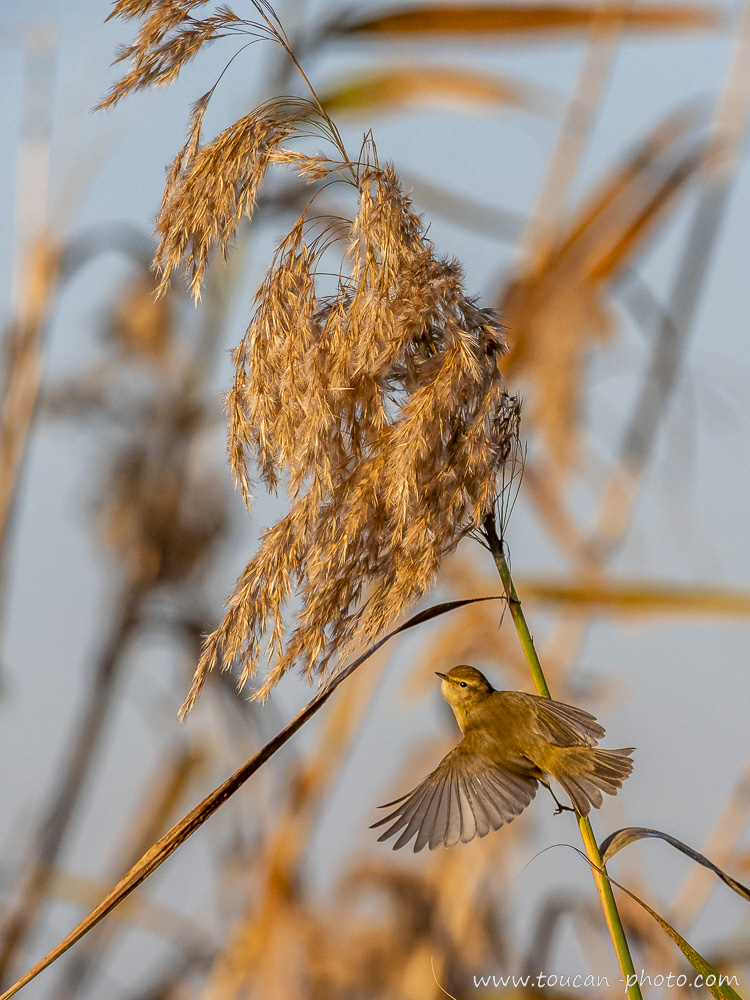
Common Chiffchaff (Phylloscopus collybita)

Common Chiffchaff (Phylloscopus collybita) in motion on a reed

Common Chiffchaff (Phylloscopus collybita), agility in motion.

Small in size but immense in vitality, the Common Chiffchaff lives up to its name, tirelessly enlivening wetlands and forest edges.

Nicknamed the “money counter” because of its rhythmic song resembling the clinking of coins, this tiny insectivore is a true bundle of energy. Its olive-green and brown plumage provides discreet camouflage, but its restless temperament often betrays it. A partial migrator, it is capable of traveling impressive distances.

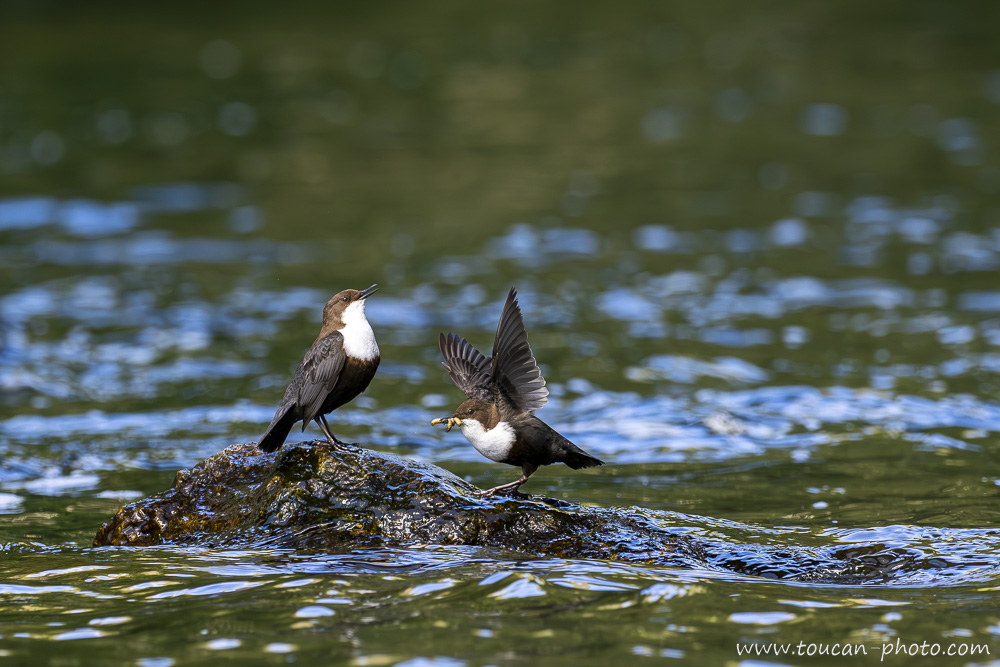
Pair of White-throated Dipper (Cinclus cinclus) – Spain

Pair

Pair of White-throated Dipper (Cinclus cinclus) – Spain


A small bird of fast-flowing rivers, the white-throated dipper fascinates with its aquatic lifestyle. Able to walk underwater against the current, it hunts aquatic insects, larvae, and small crustaceans along the stream bed. In this discreet dweller of cool waters, the bond between mates is strengthened through food exchanges: the male sometimes feeds the female — a gesture that seals their union before nesting begins.

?>
Next page