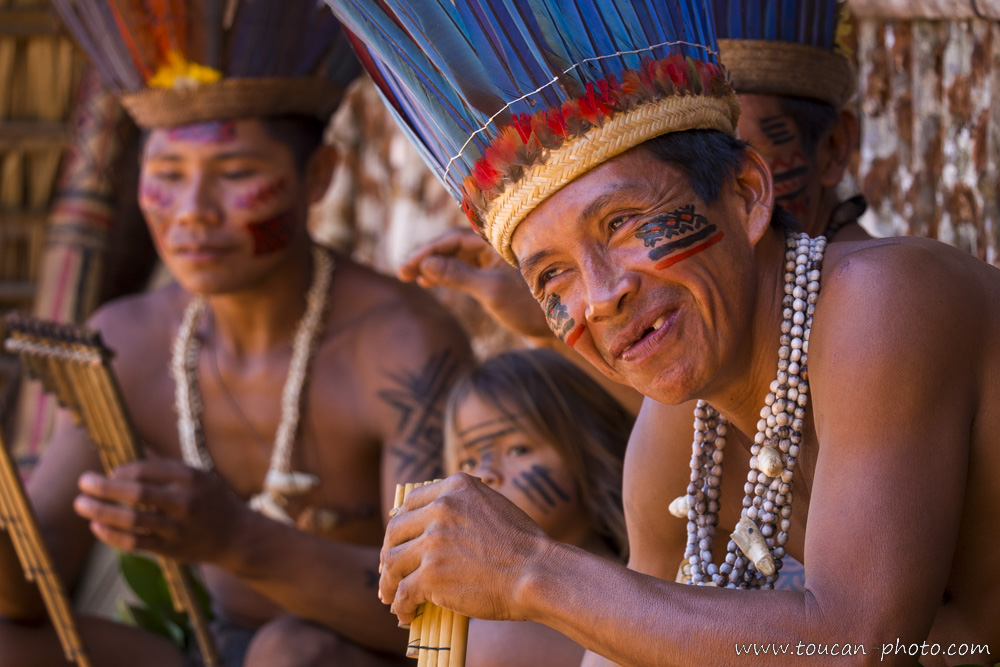
Tupes, Amazonia, Brasil
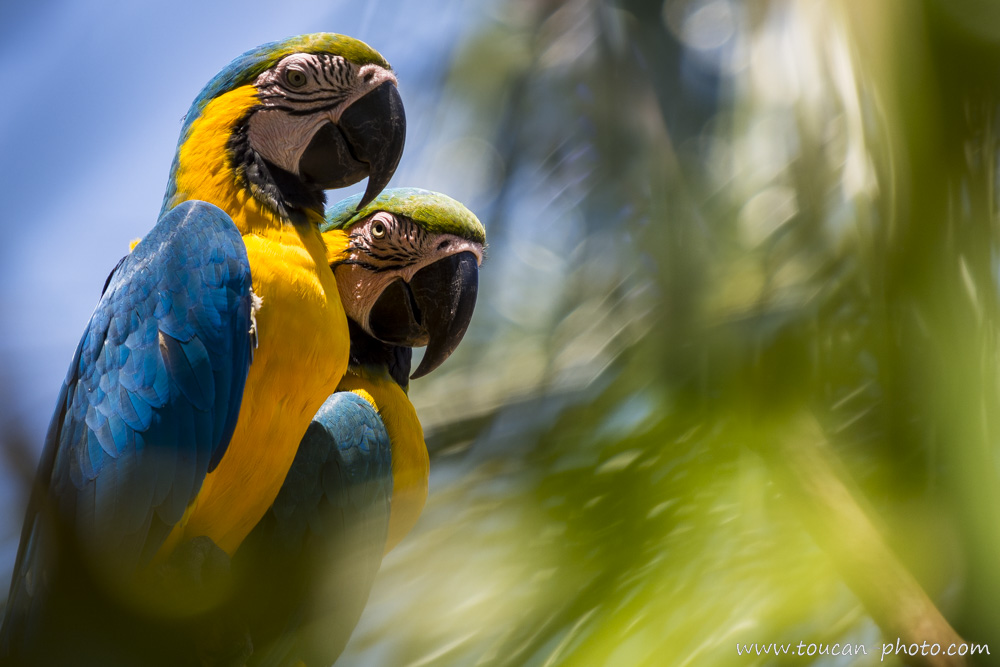
Brazil, the largest country in South America, is home to some of the world’s most remarkable ecosystems. From the Amazon Rainforest, the largest tropical forest on Earth, to the Pantanal, the world’s largest tropical wetland, Brazil shelters an extraordinary concentration of biodiversity. Jaguars, macaws, giant otters, caimans, anacondas and thousands of species of birds, fish and plants thrive in landscapes shaped by water, where seasonal floods govern the rhythm of life.
Millions of years ago, part of the Amazon Basin was periodically covered by the sea. When the marine waters finally retreated, some cetaceans gradually adapted to life in freshwater. From this remarkable geological history emerged the boto (Inia geoffrensis), the Amazon river dolphin, now one of the most iconic species of the Amazon Basin.
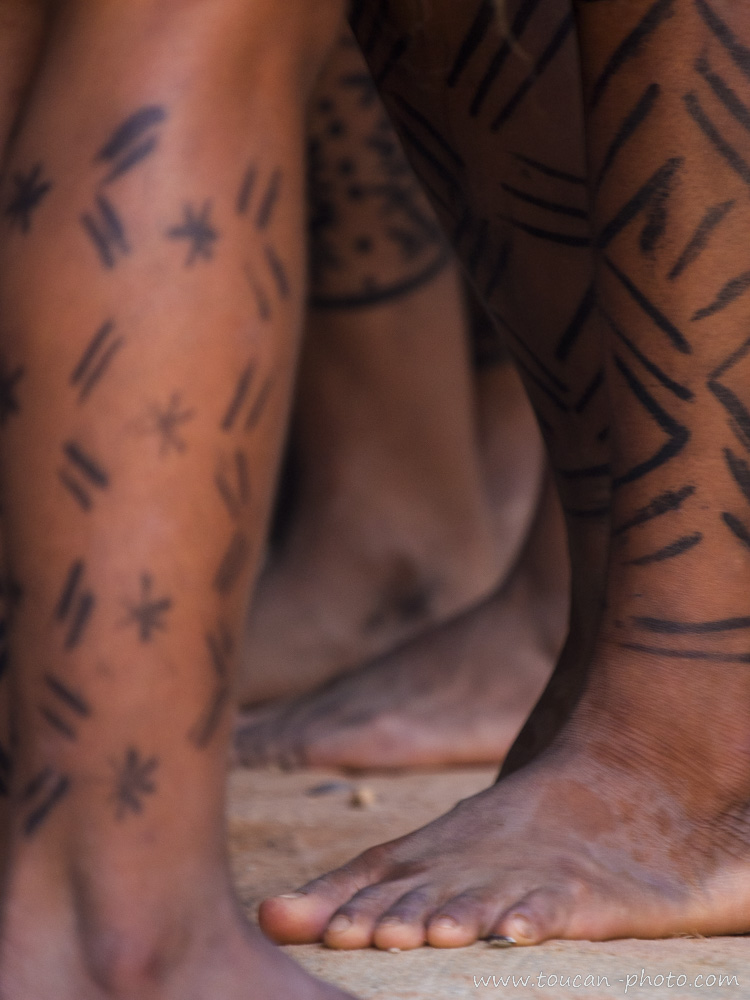
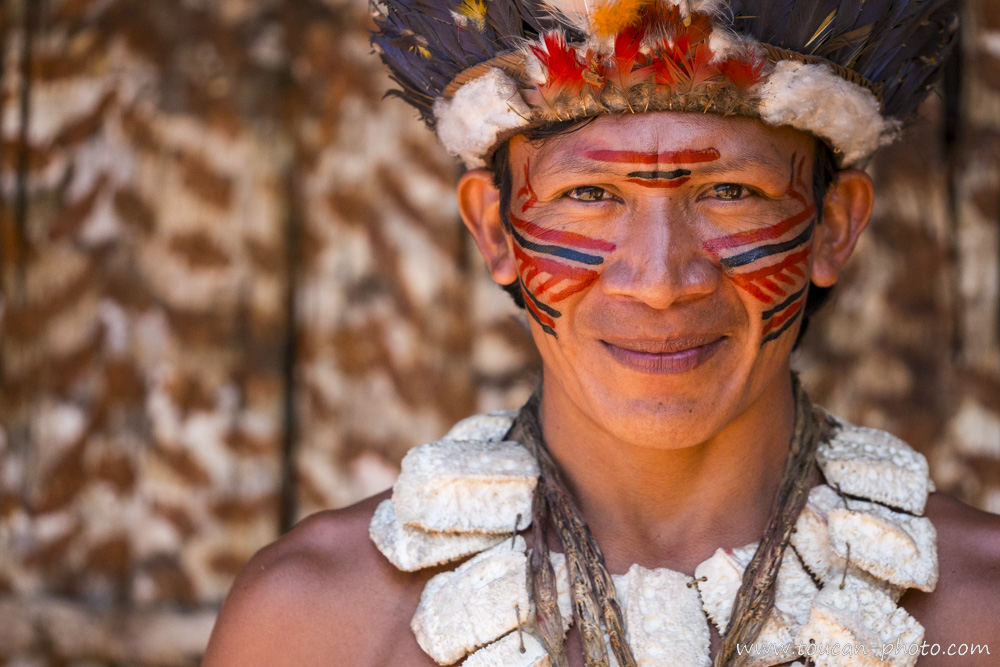
The photographs in this category take you into the heart of these two extraordinary environments. In the Pantanal, vast floodplains provide exceptional opportunities to observe one of the richest concentrations of wildlife in South America. Further north, the Amazon reveals a world where rivers are the true lifelines of the rainforest. It is in the dark waters of the Rio Negro that the fascinating boto lives, surrounded by myths and legends. The photographs also highlight the cultural richness of the region through the communities of the Tupé, whose traditions remain deeply connected to the river and the rainforest.
Through these photographs, I invite you to discover a Brazil where nature and culture are inseparable. Here, rivers are far more than waterways: they are the living heart of the Amazon, linking people, wildlife and the rainforest in a delicate balance that has endured for thousands of years.
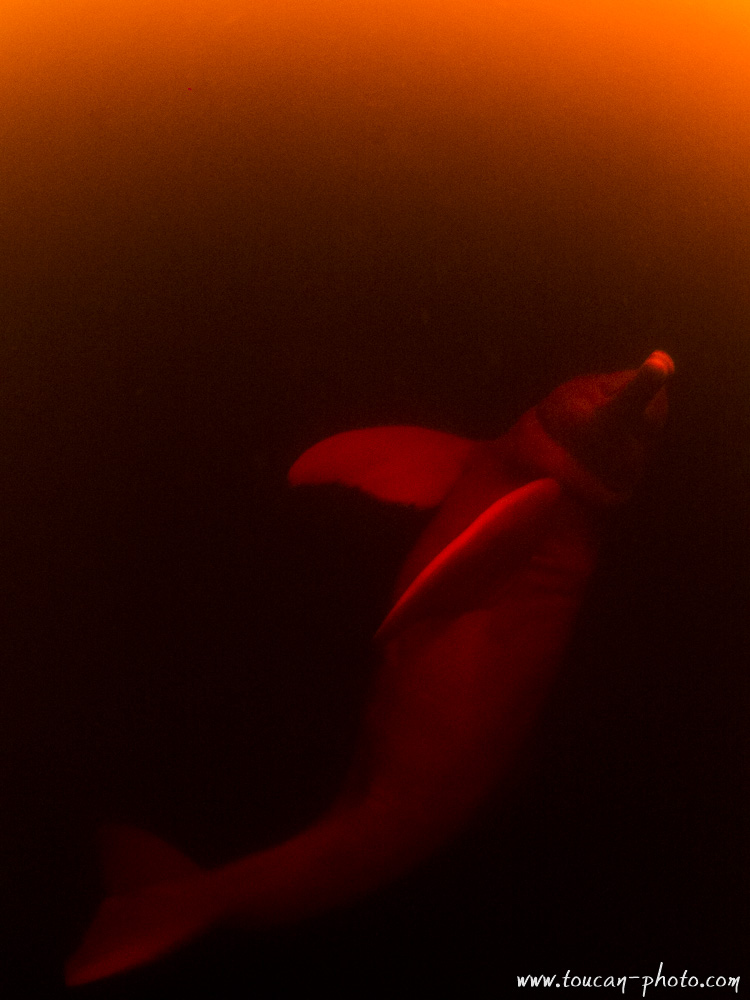
A Boto (Inia g. geoffrensis), a south american species of fresh water dolphin appears from the dark waters of the Rio Negro river
Read the paper about the Boto to learn more from this dolphin
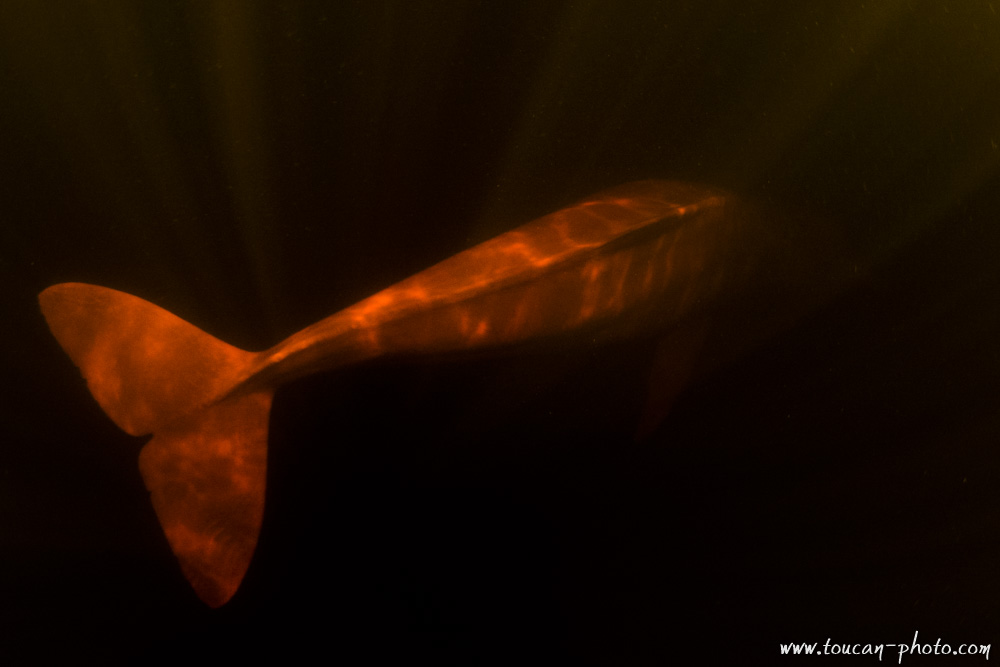
A Boto (Inia g. geoffrensis), a south american species of fresh water dolphin disappears into the dark waters of the Rio Negro river
Read the paper about the Boto to learn more from this dolphin
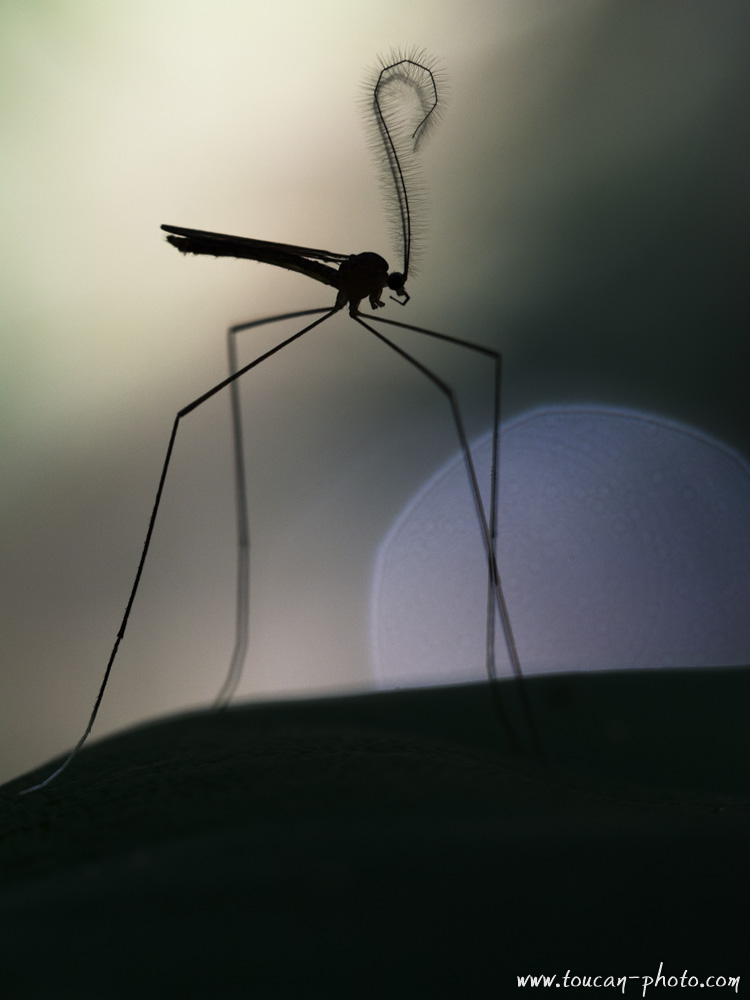
Mosquito, Amazonia, Brazil
Is the Mosquito the most dangerous animal living on earth?
Many diseases are transmitted by this insect, such as malaria (with 250 million cases annually, the disease kills more than 900,000 people per year), the yellow fever (affects 200,000 people per year and is fatal to 30 000 people), dengue (the most serious variation strikes 500 000 people per year) …
23 to 7 million years ago, during the Miocene era, Amazonia was partially covered by seawater. Cetaceans were living in this area. When seawater has been definitely out of Amazonia ground, a species would have adapted to continue living in rivers, drawing the Amazonian landscape. This species became the Boto, known also as the biggest pink dolphin of Amazonia.
Continue reading“Brazil: The Boto, pink dolphin of Amazonia”
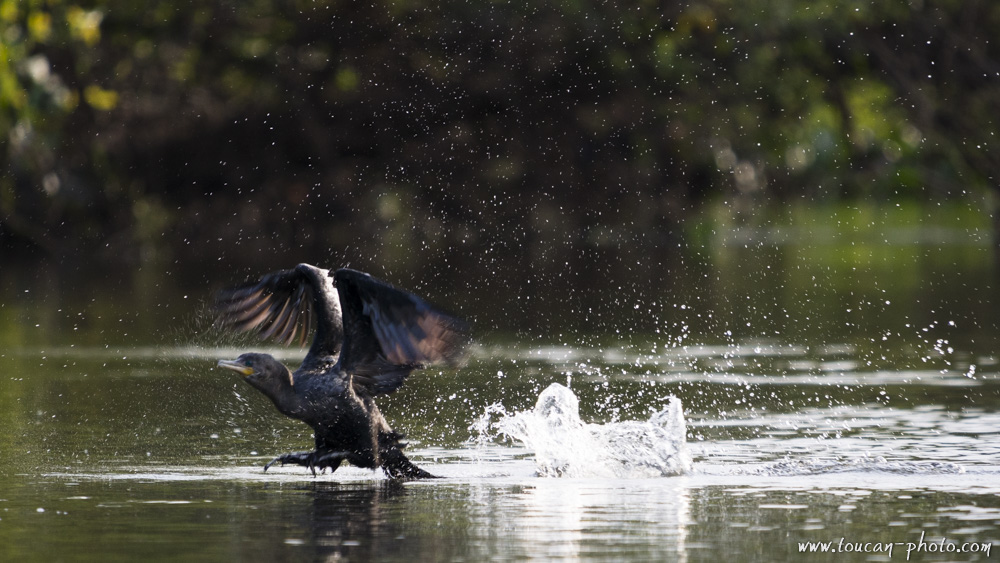 Neotropic cormorant, “O biguá” (Phalacrocorax brasilianus), Brazil
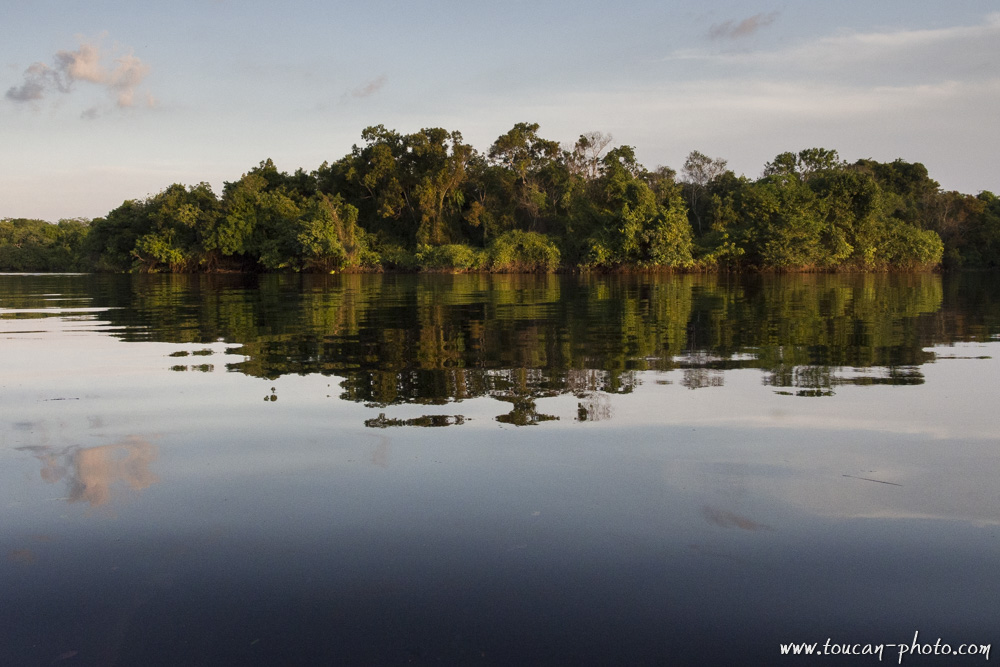 Rio Negro bank, Amazonia, Brazil
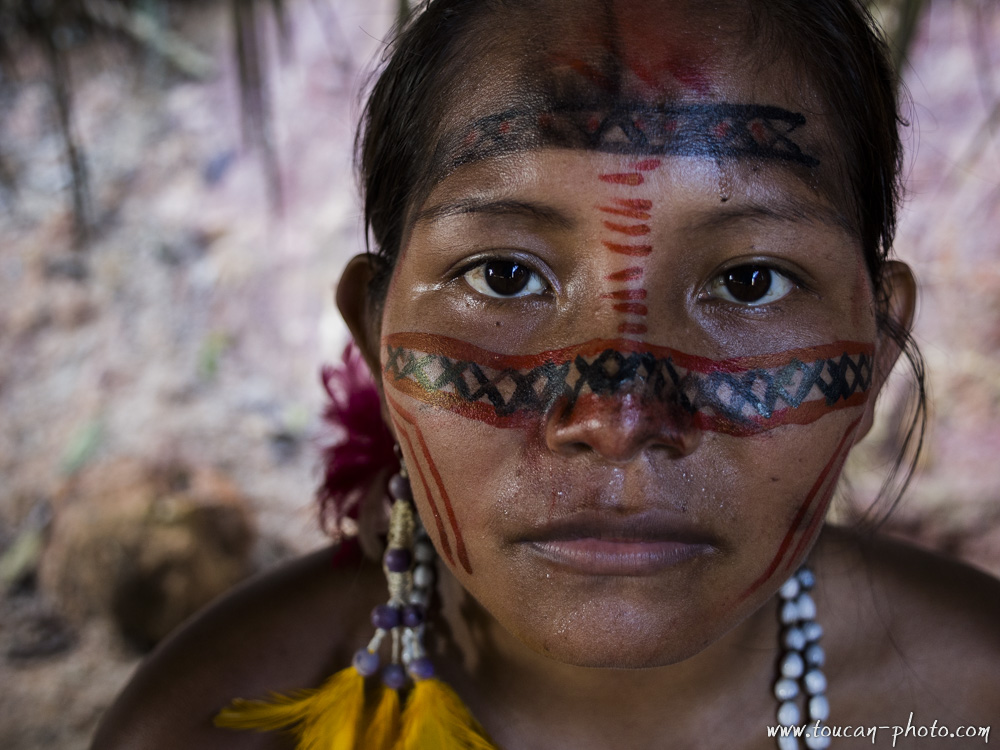 Young Tupé women, Amazonia, Brazil
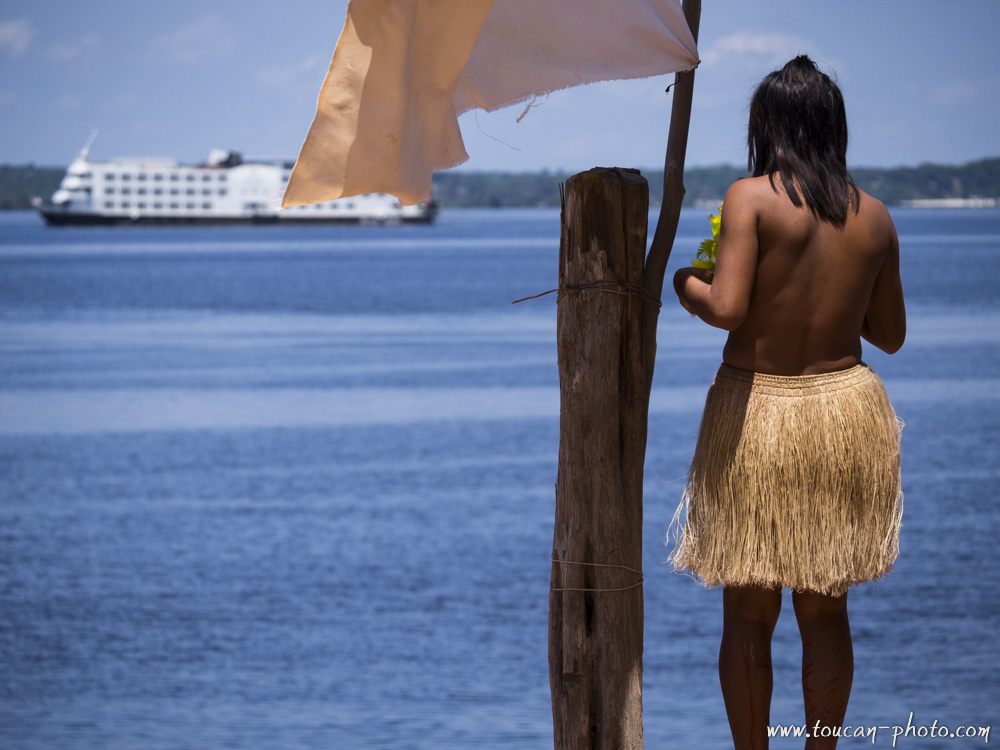 Brazil, Amazonian location. Young woman of the Dessana tribe watching a boat cruising the Rio Negro
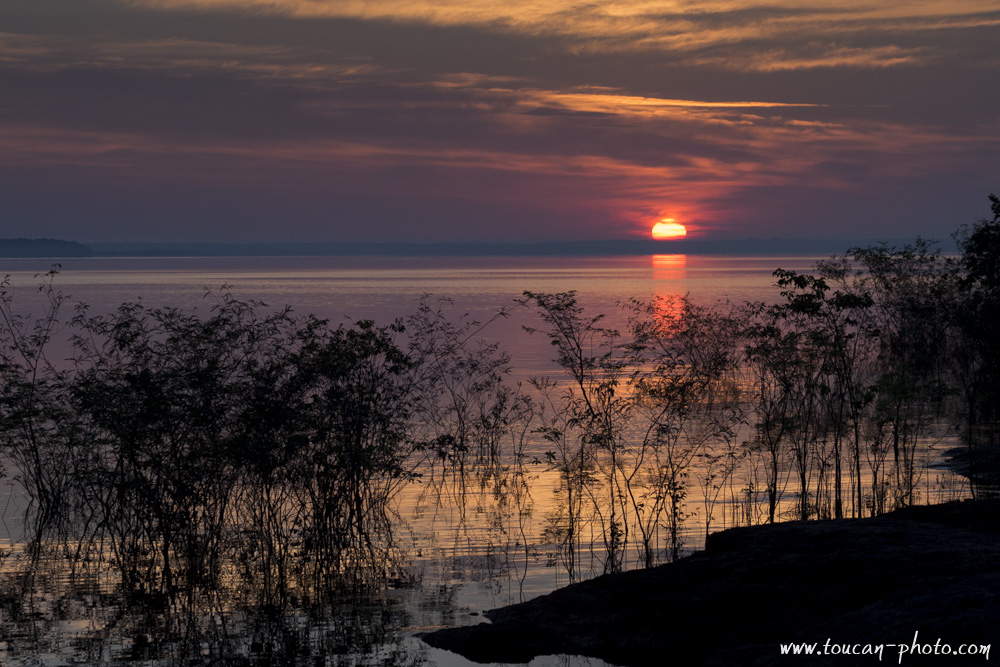 Sunrise over the Rio Negro, Amazonia, Brazil
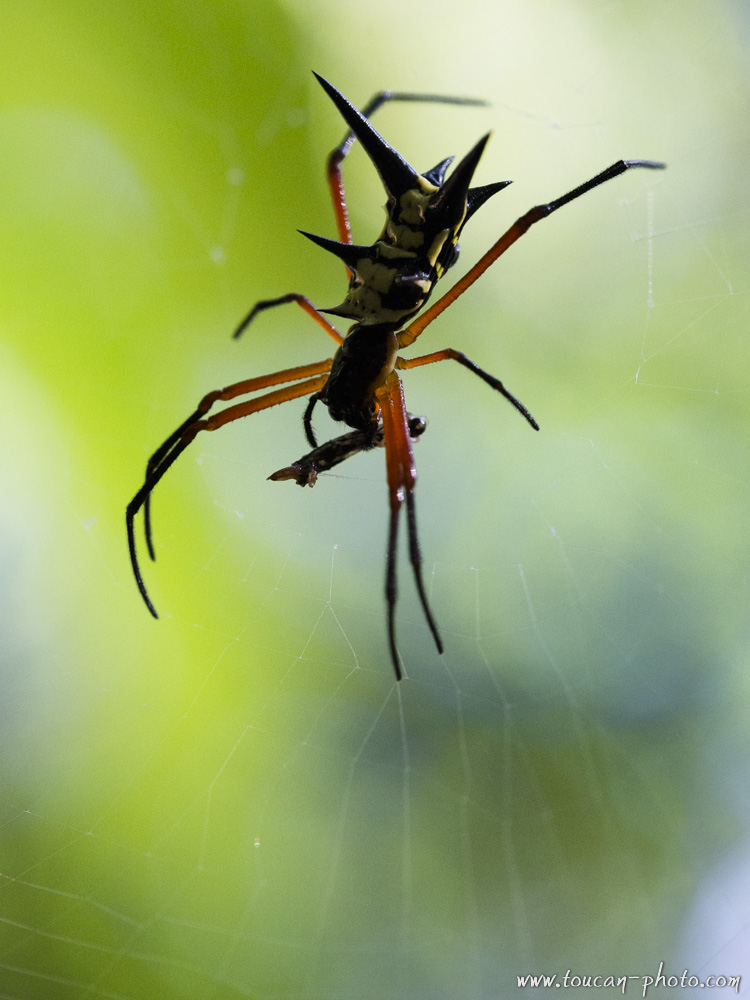 Spider (Micrathena kirbyi), Amazonia, Brazil