Sahara
Read the paper about the Tadrart Rouge, a window to the Sahara and its history
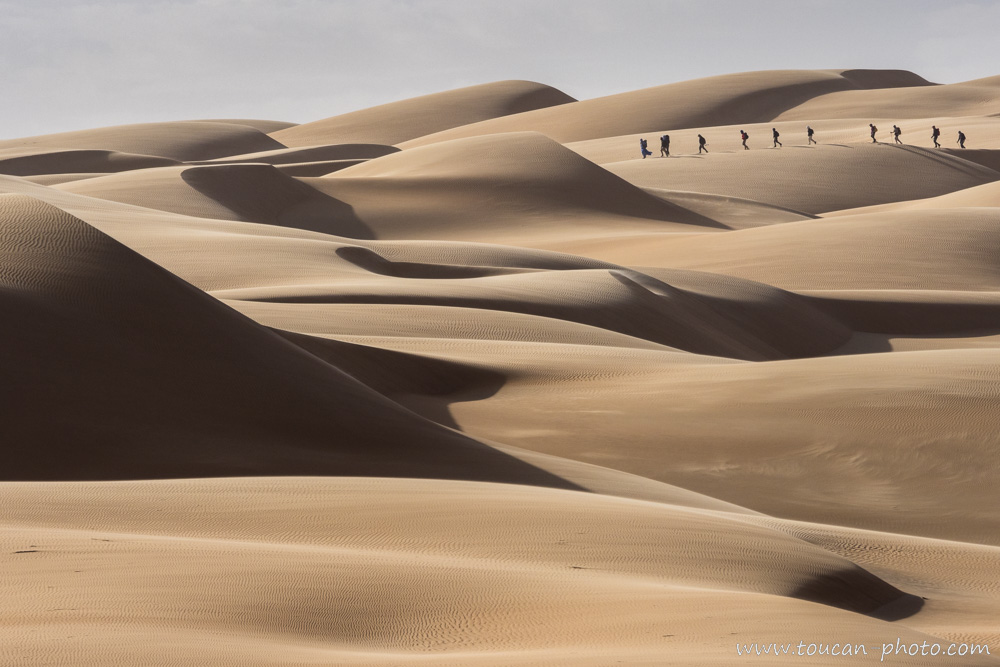
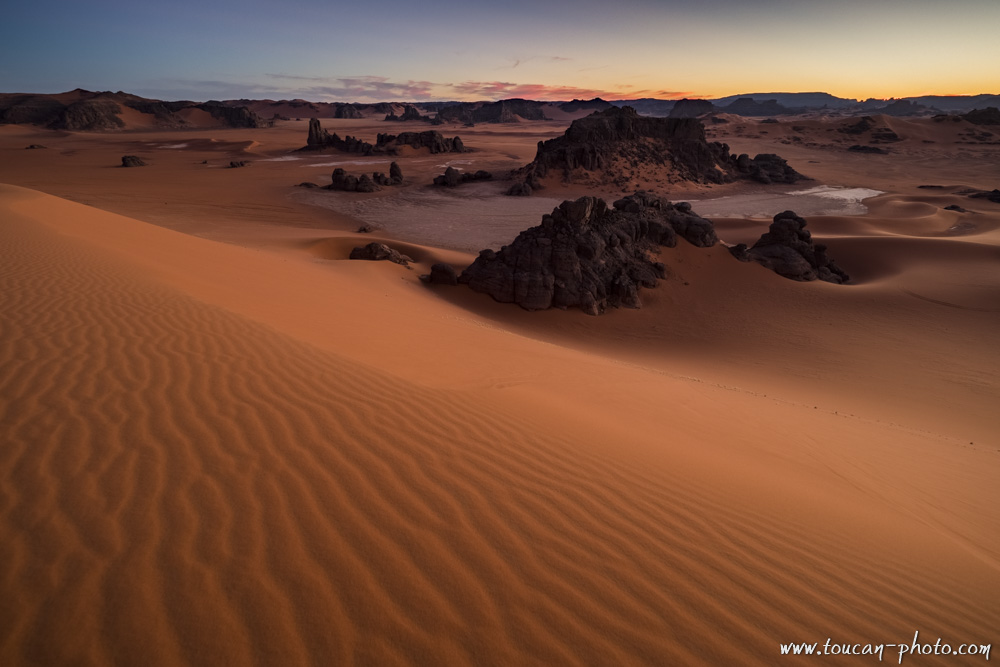
Covering more than 9 million square kilometres across North Africa, the Sahara is the largest hot desert on Earth. Contrary to popular imagination, it is not an endless sea of sand. Sand seas, known as ergs, account for only about 20% of its surface. The remainder is a spectacular mosaic of rocky plateaus (regs), volcanic mountains, gravel plains, dry valleys and isolated massifs, each shaped by millions of years of geological history.
The Sahara is also a living landscape in constant transformation. Driven by climatic cycles and the relentless action of the wind, its boundaries continue to shift, gradually advancing southward into the Sahel. Yet this immense desert hides an extraordinary past. Only a few thousand years ago, much of the Sahara was a green savannah dotted with lakes and rivers, where elephants, giraffes, hippopotamuses and countless other species thrived. This forgotten world survives today through remarkable rock engravings and prehistoric paintings, whose exceptional preservation has earned several Saharan regions recognition as UNESCO World Heritage Sites.
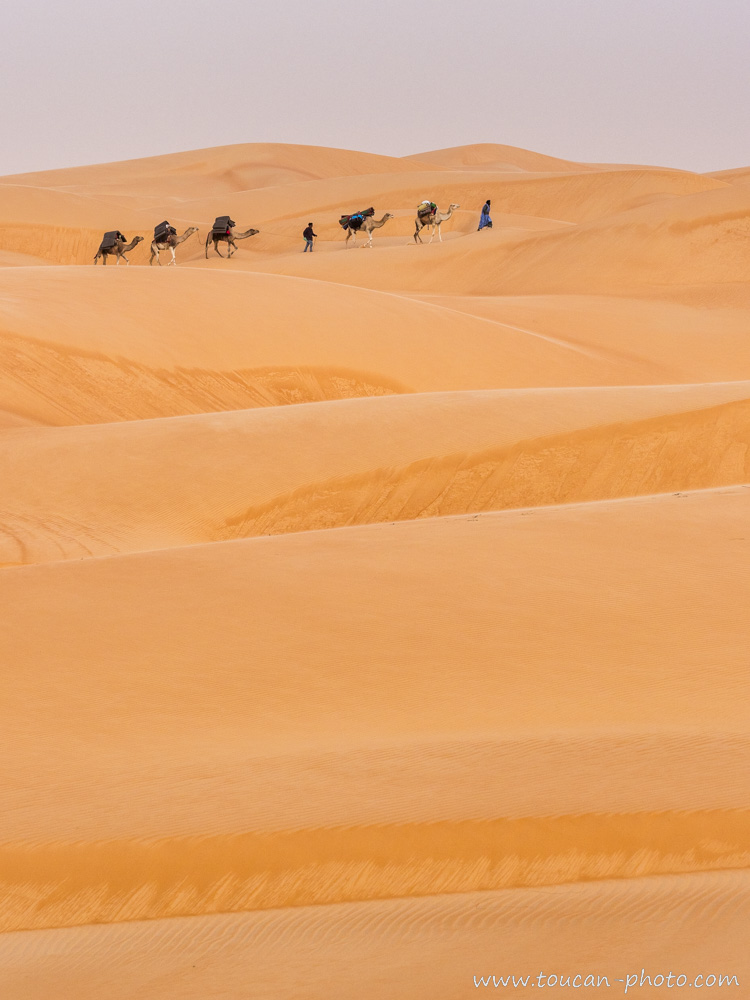
Despite its apparent hostility, the Sahara has long been home to human societies that have mastered life in one of the harshest environments on Earth. Among them, the Tuareg have become the emblematic people of the central Sahara. Often called the “Blue Men of the Desert” because of the indigo dye that traditionally coloured their garments, they developed an intimate knowledge of the stars, hidden water sources and desert routes, allowing them to travel safely across immense distances. Their nomadic culture, hospitality and deep connection with the desert remain an essential part of the Sahara’s identity.
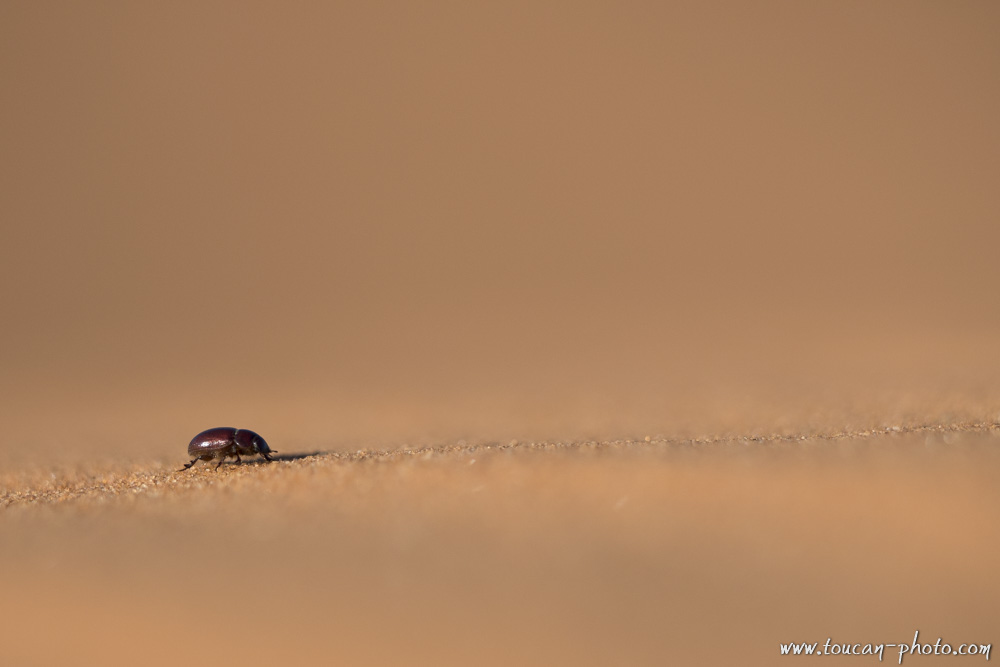
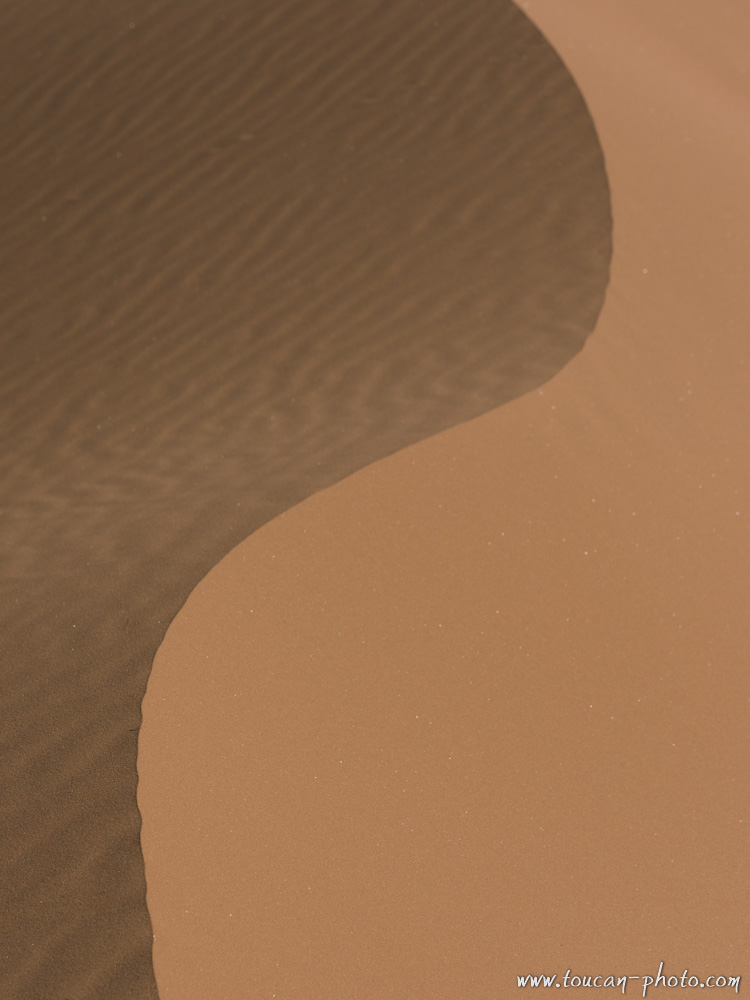
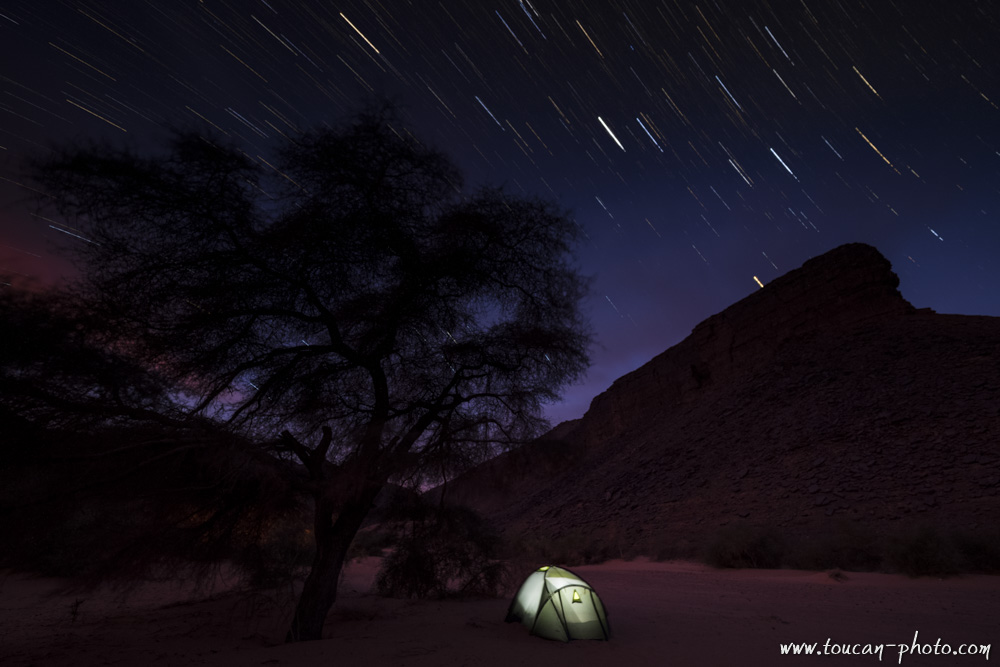
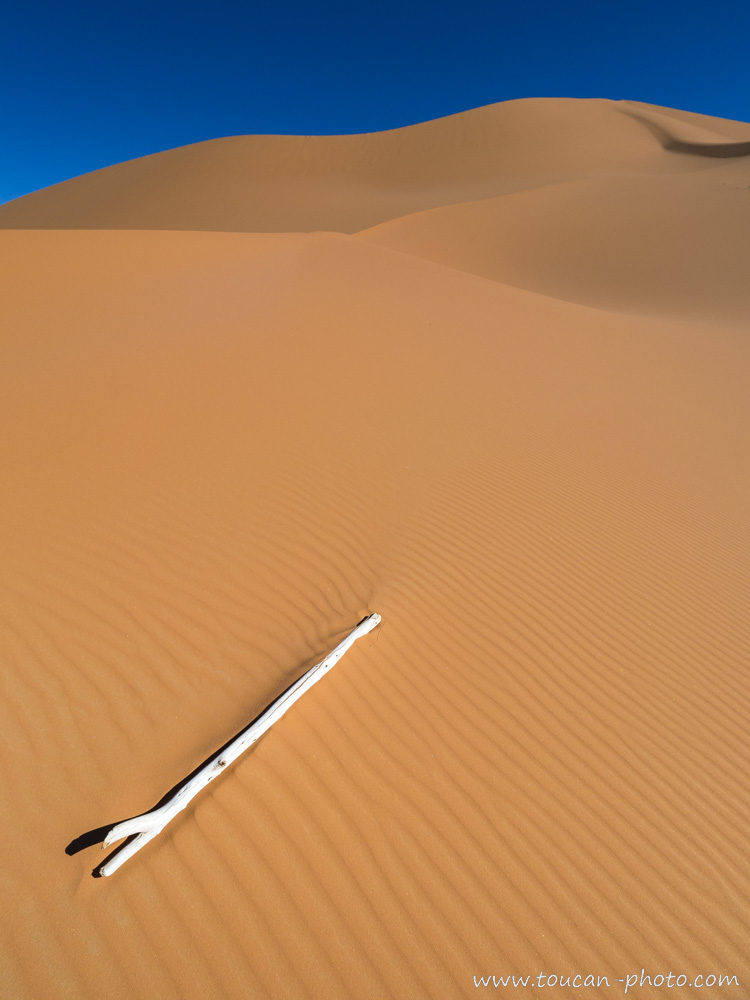
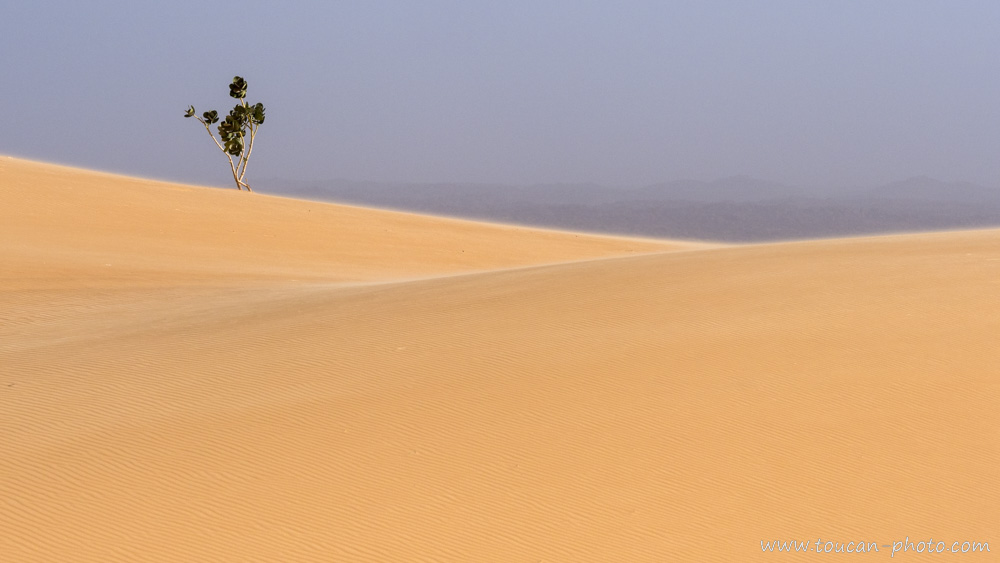
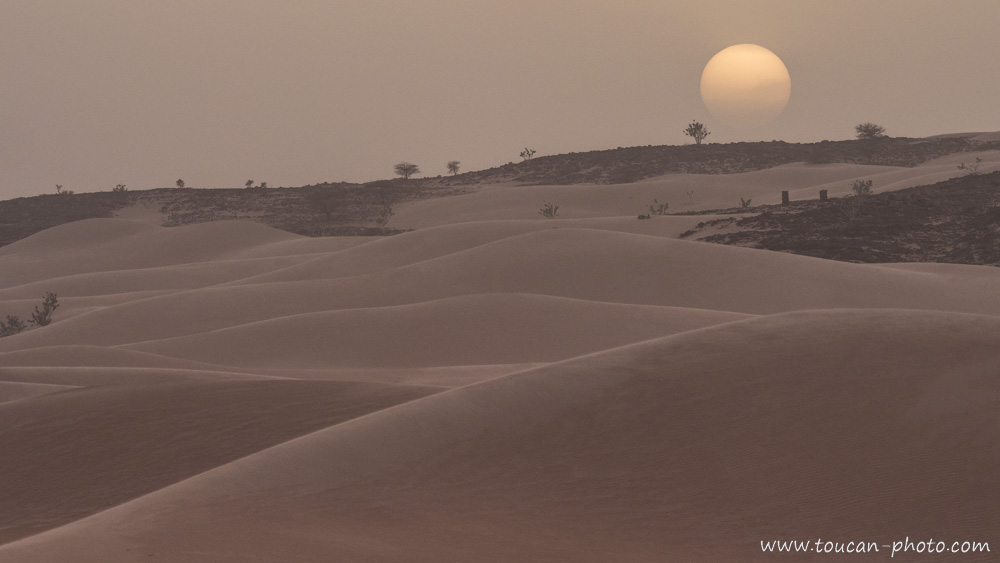
Beyond its vast landscapes, the Sahara is a land of silence, light and geological wonder. Towering dunes, sculpted sandstone arches, ancient rock art and star-filled skies combine to create one of the most captivating natural environments on the planet. This collection brings together photographs captured across different regions of the Sahara, revealing the extraordinary diversity of the world’s greatest hot desert.
Larger than Australia with its 8 million square kilometres, the Sahara has not always been the biggest hot desert on the planet. About 15,000 years ago, it was a green period brought about by a warming phase that had intensified evaporation from the top of the ocean and pushed the monsoons into the heart of the North African continent. The arid landscapes that we know today were then covered by large lakes and rich vegetation. Elephants were living there, as well as hippos, crocodiles and humans too. Those ones, as to immortalize this full of life period, have drawn paintings and engravings cut out of rock. These testimonies of the past are omnipresent in Tadrart Rouge. Indeed, this Sahara’s fragment is located in south-eastern Algeria and offers the vision of over 15,000 engravings to the brave who dare adventuring themselves into there. Over the sand dunes and rocky peaks, the traveller will discover, at the same time as breathtaking landscapes, a touching testimony of the past.
Continue reading“Algeria: The Tadrart Rouge, a window to the Sahara and its history”
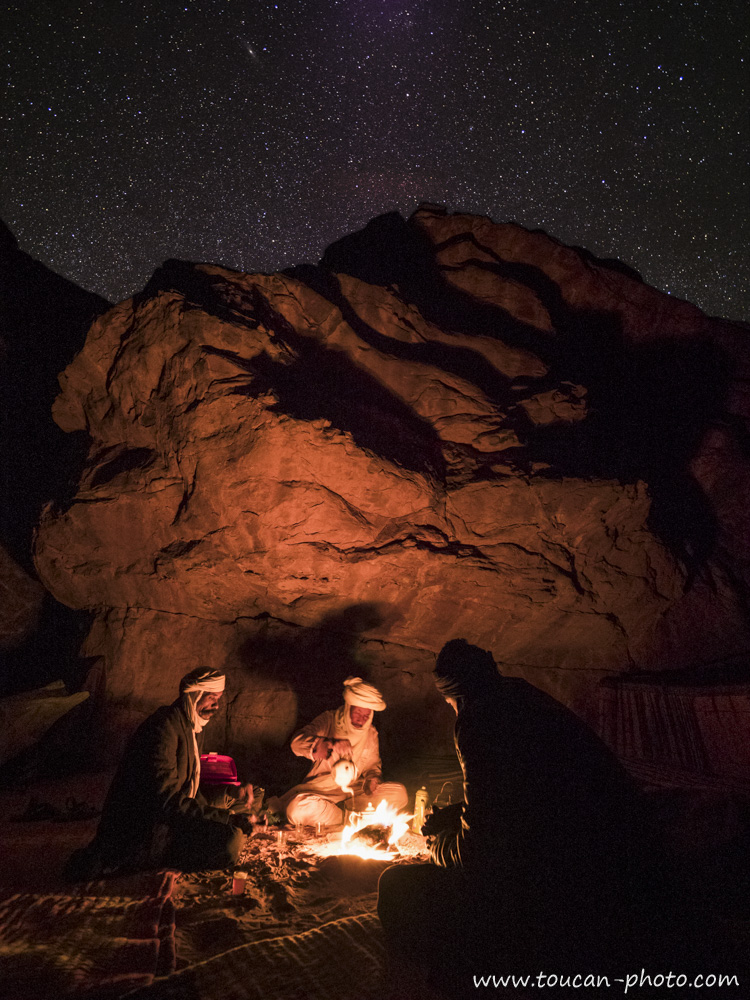
Tea time for the Touaregs of the algerian sahara desert
The preparation of tea is a ritual of extreme refinement among the Tuaregs. Using the same leaves, three consecutive tea are prepared. The flavors of each tea evolve infusion after infusion.
A Tuareg saying says: “The first is bitter like life; the second is sweet like love; and the third is gentle like the breath of death.”.
Read the paper about the Tadrart Rouge, a window to the Sahara and its history
Erg Chebbi (Arabic: عرق الشبي) is one of Morocco’s two Saharan ergs – large seas of dunes formed by wind-blown sand. This Erg is also knowed as “The Merzougas Dunes” beccause the proximity of Merzouga village. The dunes of Erg Chebbi reach a height of up to 150 meters in places and altogether spans an area of 50 kilometers from north to south and up to 5–10 kilometers from east to west lining the Algerian border.