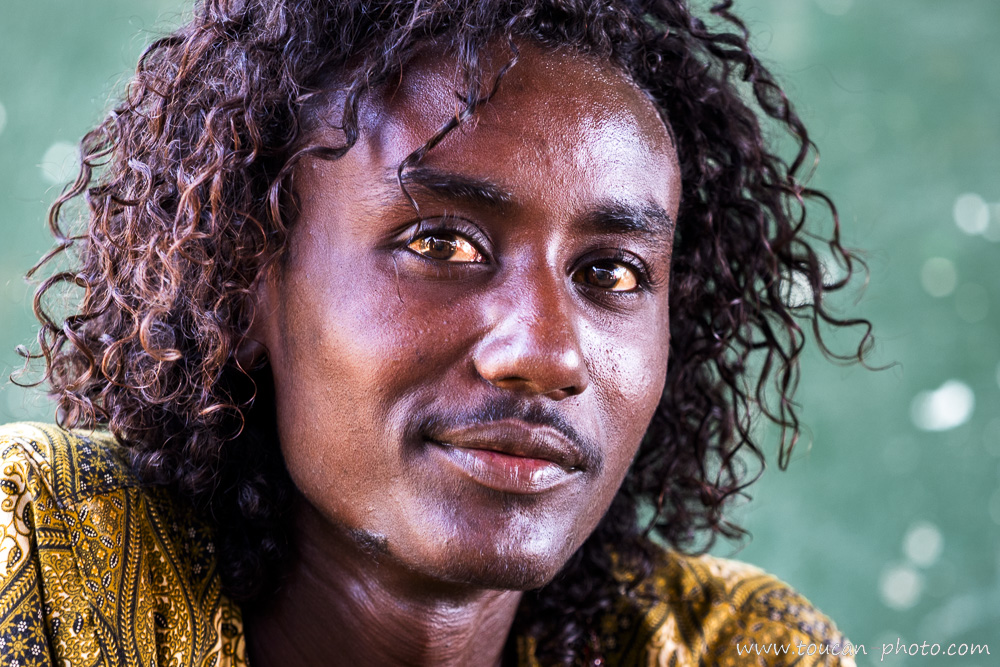
Portrait of a young Afar man in Hamed Ela, Danakil Depression, Ethiopia

Portrait of a young Afar man in Hamed Ela, Danakil Depression, Ethiopia

Portrait of a young Afar man in Hamed Ela, Danakil Depression, Ethiopia

In Hamed Ela, the last village before the extraordinary landscapes of the Danakil Depression, the gaze of this young Afar man meets that of the photographer. A simple portrait born from a brief encounter, where a subtle smile is enough to create a genuine connection.

Before setting off to explore the spectacular landscapes of Dallol, Erta Ale or Lake Karum, most travellers spend some time in Hamed Ela, a small and isolated settlement in the heart of the Danakil Depression. It was during one of these chance encounters that I met this young Afar man, whose calm expression and gentle smile immediately caught my attention.

Located in the heart of the Danakil Depression, Hamed Ela serves as the main gateway to several of the region’s most remarkable natural sites. It is from this village that the track leading to Lake Karum begins, where vast salt flats have been worked for centuries by Afar salt caravans. I have dedicated a full article to this extraordinary place, which you can read here: Lake Karum and Ethiopia’s Salt Caravans.

Hamed Ela is also the starting point for expeditions to Erta Ale, one of the few volcanoes in the world with a permanent lava lake. After several hours of driving across the desert, the ascent begins in the late afternoon, allowing visitors to reach the crater after nightfall. If you would like to discover this unique adventure, I invite you to read my article about Erta Ale and its remarkable lava lake: Erta Ale Volcano and its Lava Lake.
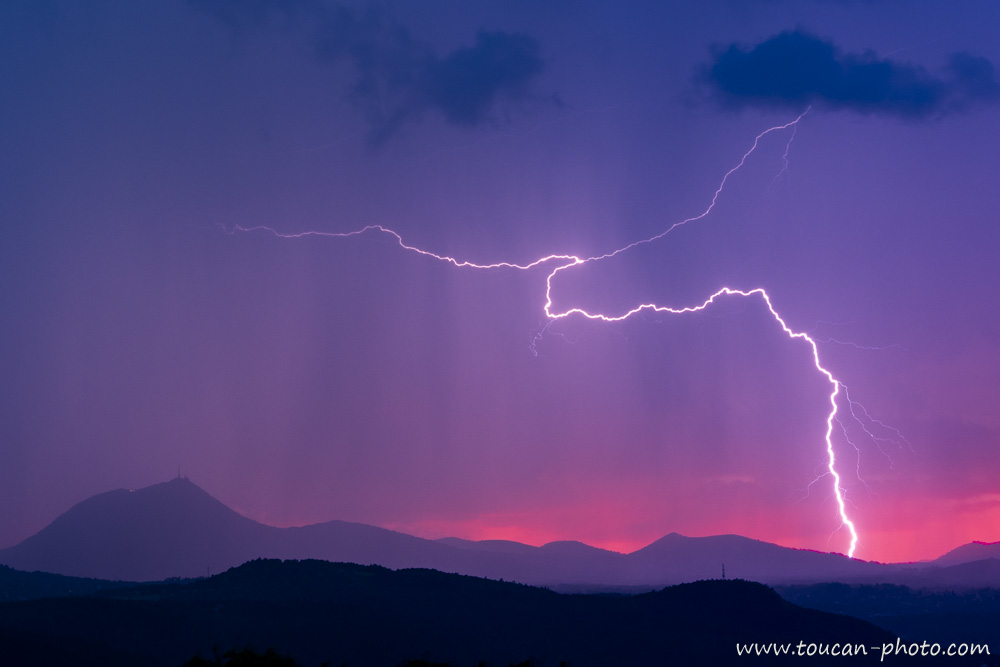
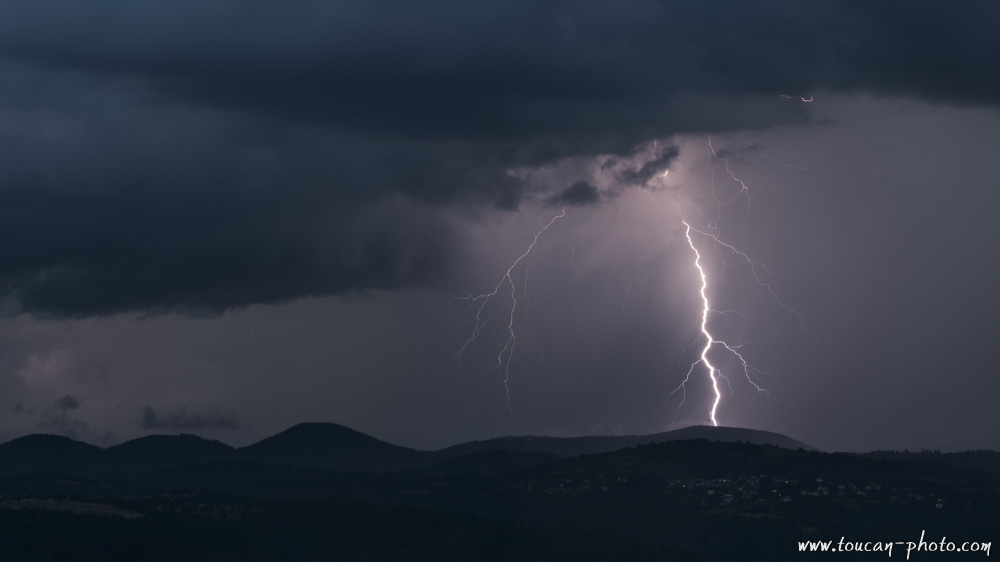
Lightning over the Puy de Dôme, Auvergne, France

Lightning striking near the Puy de Dôme at sunset, with dramatic purple and red sky over mountainous landscape in France

Lightning over the Puy de Dôme, Auvergne, France

A powerful lightning strike illuminates the sky near the Puy de Dôme at dusk.

Few natural phenomena capture both awe and unease quite like lightning. In this photograph, a bolt tears across the sky, striking the landscape near the iconic volcanic summit of the Puy de Dôme. The intense contrast between the electric discharge and the fading light of sunset highlights the raw power of the atmosphere.

Beyond its visual impact, this location carries deep historical significance. During the Gallo-Roman period, the summit of the Puy de Dôme was home to a major temple dedicated to Mercury, one of the most important deities in Roman religion. Elevated sites such as this were often chosen for worship, bringing humans closer to the heavens and, symbolically, to the gods themselves.

Lightning, in ancient belief systems, was frequently interpreted as a manifestation of divine will. While in Roman tradition thunder was more commonly associated with Jupiter, king of the gods, the presence of a sanctuary to Mercury atop this mountain reinforces the idea of a sacred landscape where sky and earth converge. Witnessing lightning in such a place today inevitably echoes those ancient interpretations, reminding us of a time when natural forces were seen as direct expressions of divine power.

Today, science explains lightning as a massive electrostatic discharge between cloud and ground. Yet, standing before such a spectacle near a site once devoted to the gods, it is easy to understand why our ancestors perceived something far greater at work.

Ethiopia: The salt from lake Karum

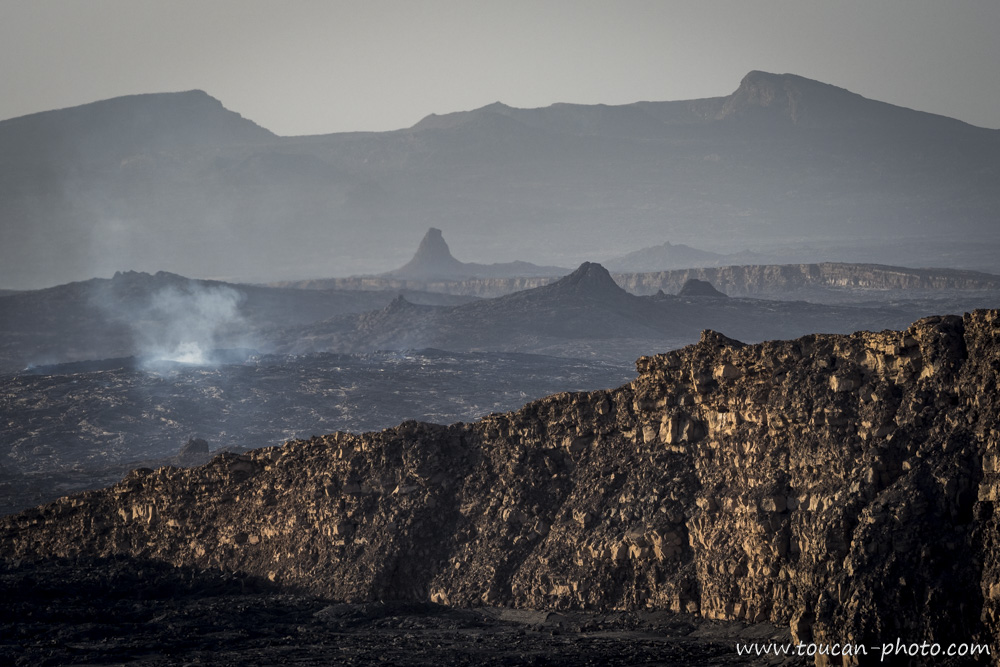
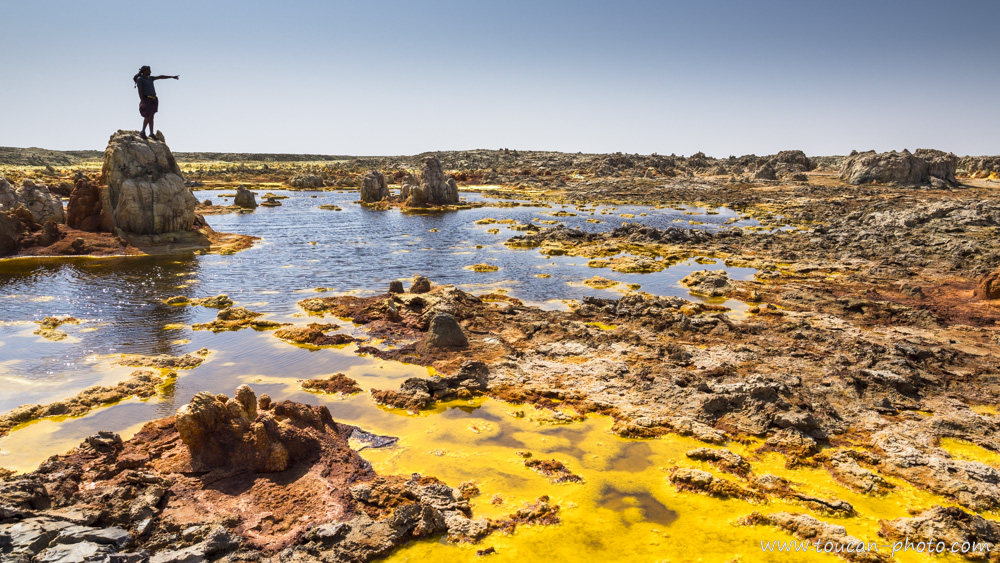
Lake Karum is a salt lake located in Ethiopia, at the northern end of the Great Rift Valley. This lake, as well as the volcanoes of Dallol and Erta Ale, are among the most improbable landscapes of the Danakil Depression. This place also offers a timeless spectacle. Indeed, perpetuating a centuries-old tradition, Tigrayans travel to Lake Karum from the Ethiopian highlands, followed by long caravans of dromedaries and donkeys in order to recover salt slabs from the dry areas of the lake, a vestige of a time when the sea still flooded the Danakil Depression.

Continue reading“Ethiopia: The salt from lake Karum”

?>
Next page