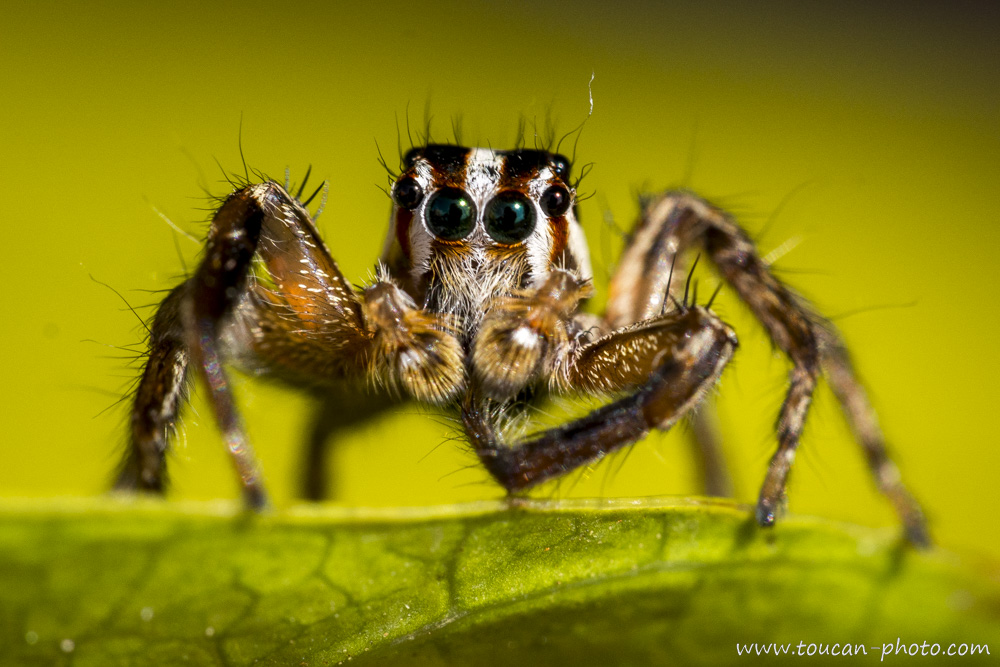
Salticide
Invisible builders and masters of the microscopic, insects and arachnids represent the most diverse form of life on our planet. With over a million identified insect species and nearly 50,000 species of arachnids, they account for more than 80% of all known animal species. From the fine craftsmanship of a spider’s web to the complex structure of social societies, they display treasures of ingenuity to occupy every corner of the Earth.
This abundance is such that one simple fact is staggering: the total biomass of ants on our planet is estimated to be equivalent to that of the entire human race. However, this tiny world, a fundamental pillar of the food chain and pollination, is collapsing in an alarming silence. Habitat loss and intensive pesticide use are leading to a massive decline in their populations, reminding us that the world’s balance rests on the shoulders of these invisible giants.
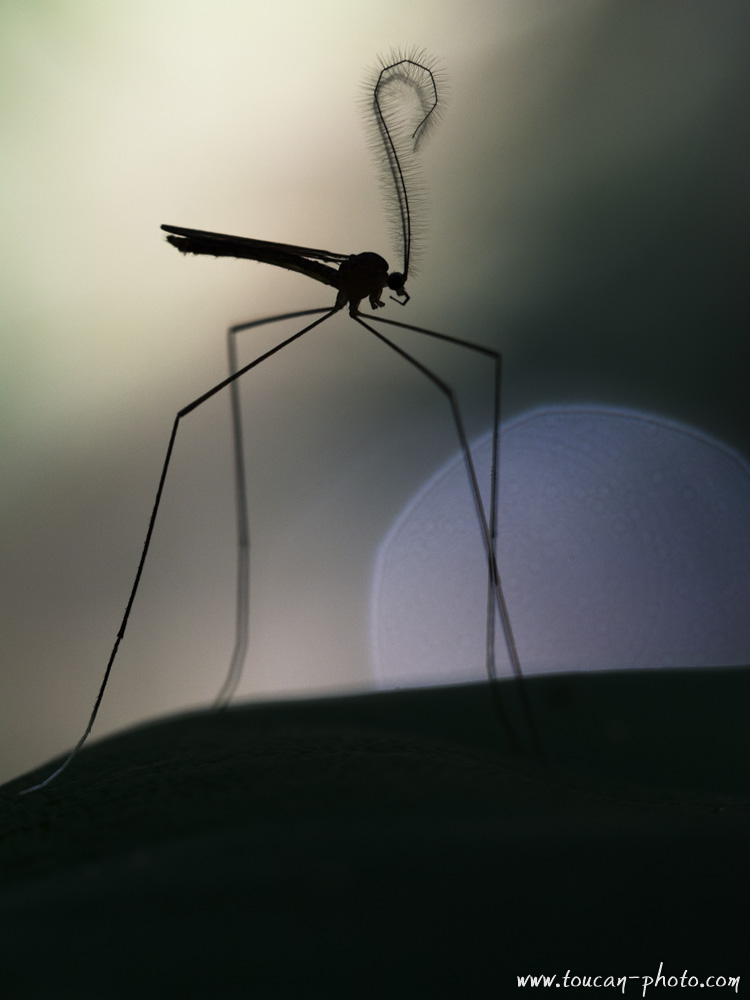
Mosquito, Amazonia, Brazil
Is the Mosquito the most dangerous animal living on earth?
Many diseases are transmitted by this insect, such as malaria (with 250 million cases annually, the disease kills more than 900,000 people per year), the yellow fever (affects 200,000 people per year and is fatal to 30 000 people), dengue (the most serious variation strikes 500 000 people per year) …
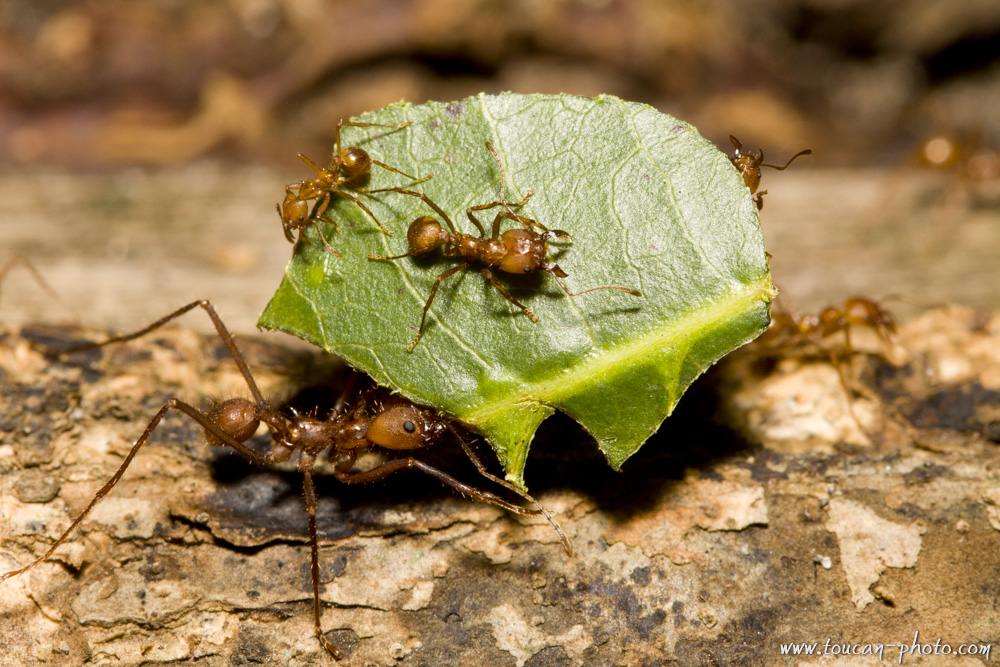 Leaf-cutting ant, Costa Rica
Also known as mushroom ants, the leaf-cutting ants live in tropical regions. These ants mainly feed themselves with a special mushroom they plant inside their anthill. This mushroom grows on substrate composed of leaves collected then chewed by leaf-cutting ants.
The photographed ant brings some pieces of leaves to the anthill. The ant is capable of lifting hundred times its own weight, so the illegal passengers who climbed up the leaf should not be a problem for the ant.
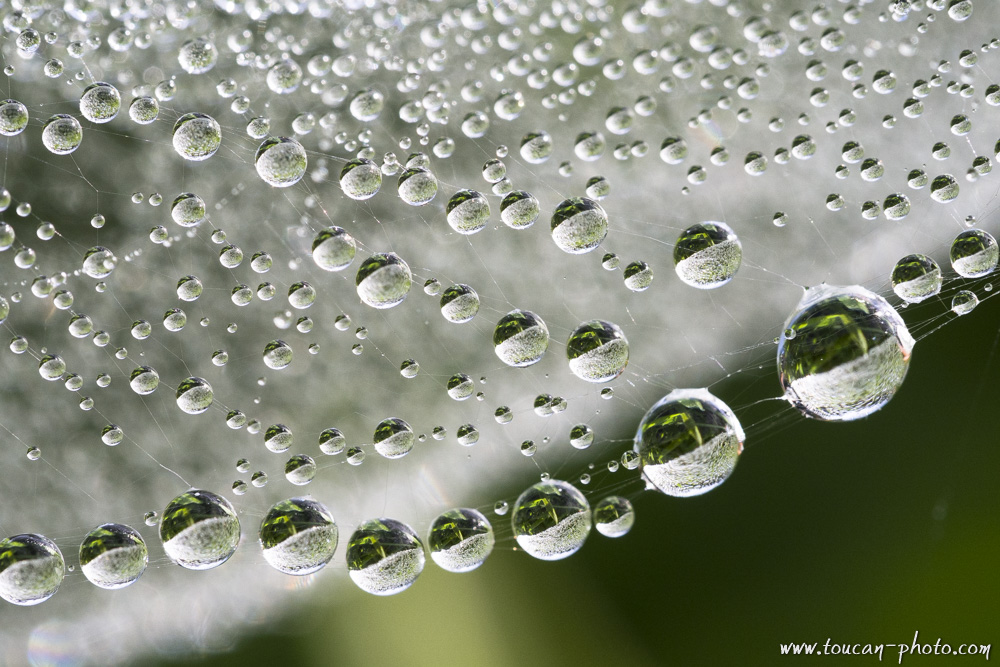
The life of a raindrop is full of adventure. Its journey will take it to the bottom of the ocean abyss at 11,000 meters below sea level. It will make its way around the world several times until one day it evaporates and climbs the great heights to join the clouds, 9,000 meters in the air.
However the life of a raindrop can also be a life of ongoing patience. Some raindrops wait, frozen in the antarctic ice for over 800,000 years. A raindrop that decides to take aim for a lake will have to wait 17 years before it can once again evaporate; its oceanic cousin will have to wait more than 3,000 years. Once evaporated, the raindrop still has an 8 day journey crossing layers of terrestrial atmosphere before finally rejoining its cloud.
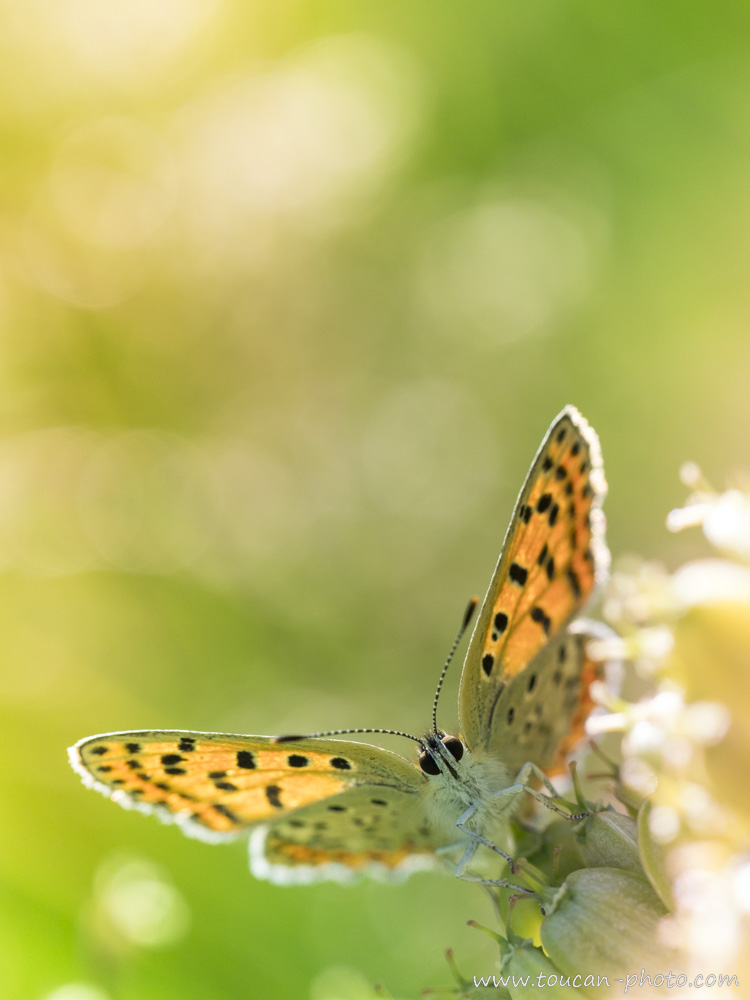
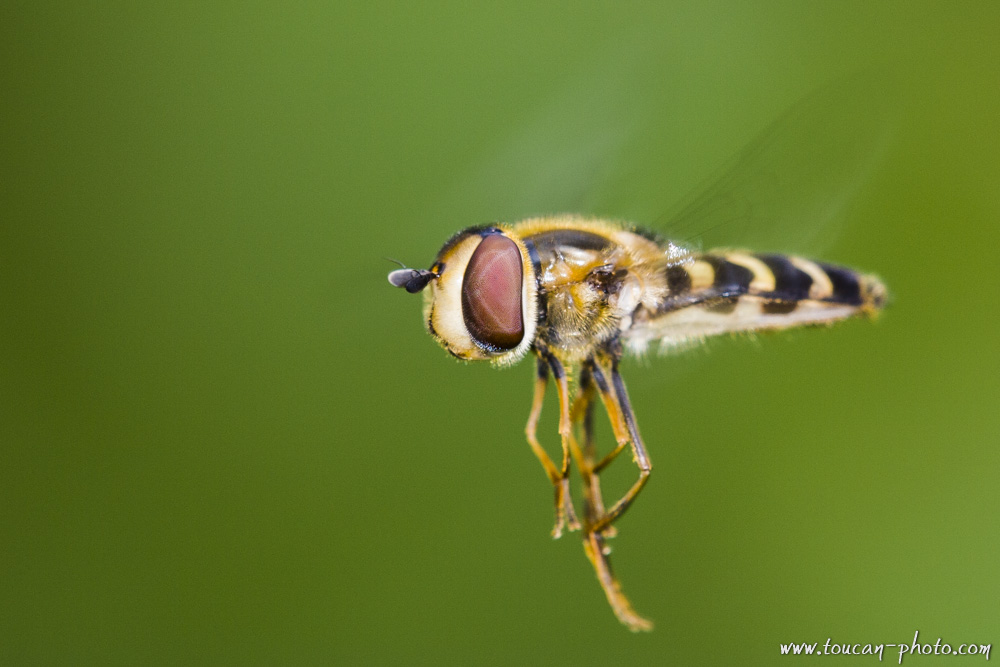
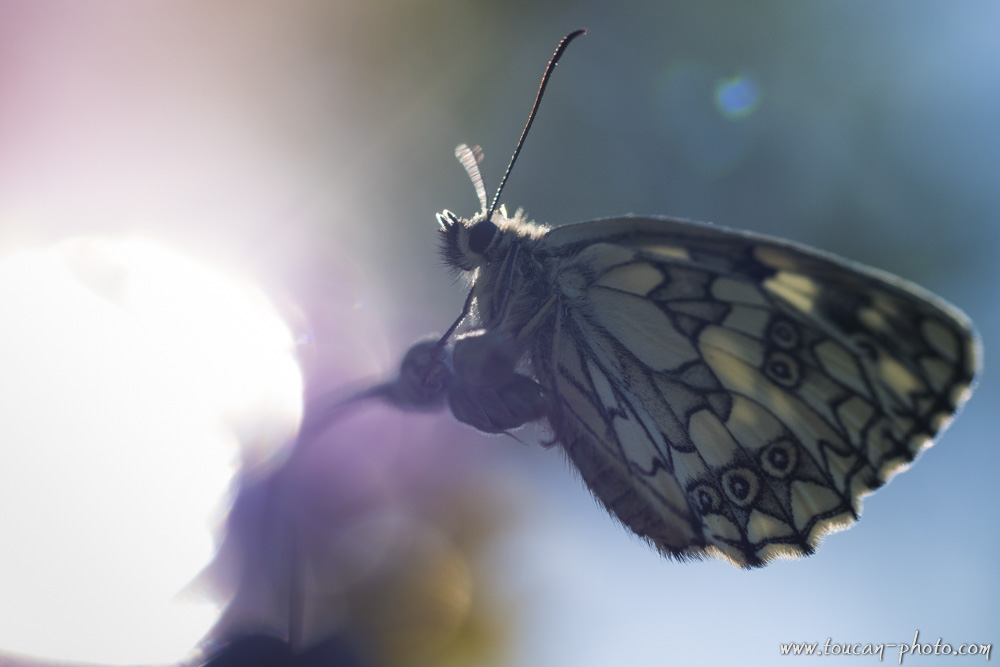 The marbled white (Melanargia galathea)
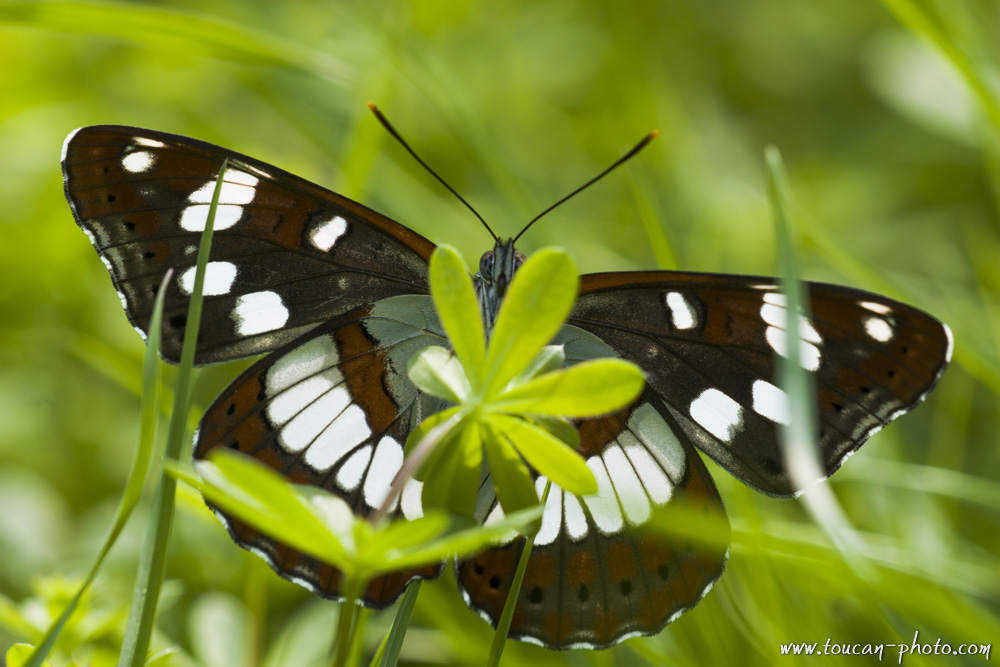 Sylvain azure (Limenitis reducta)
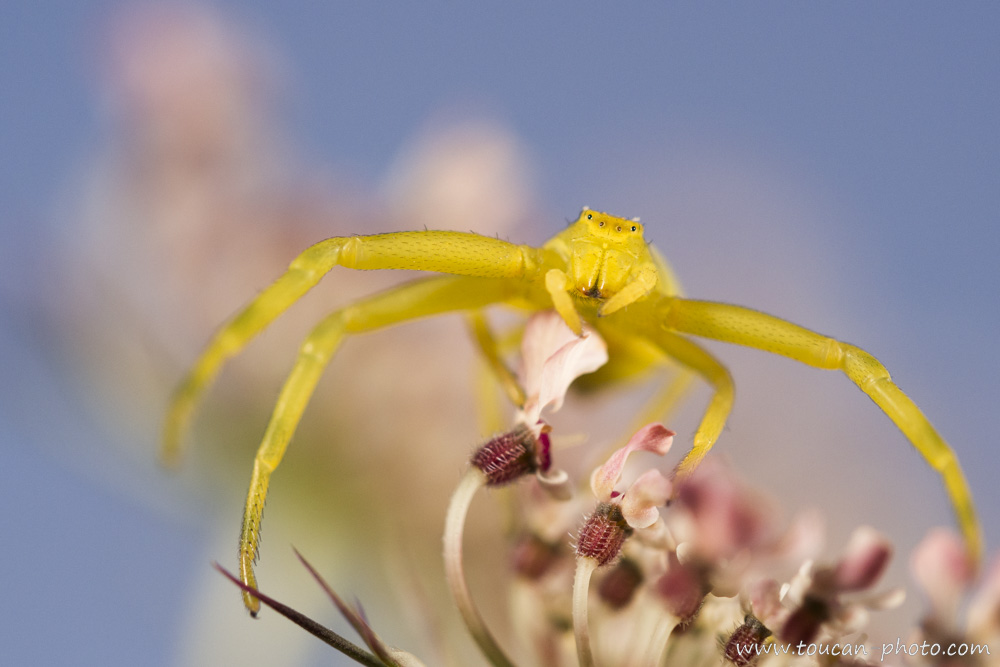
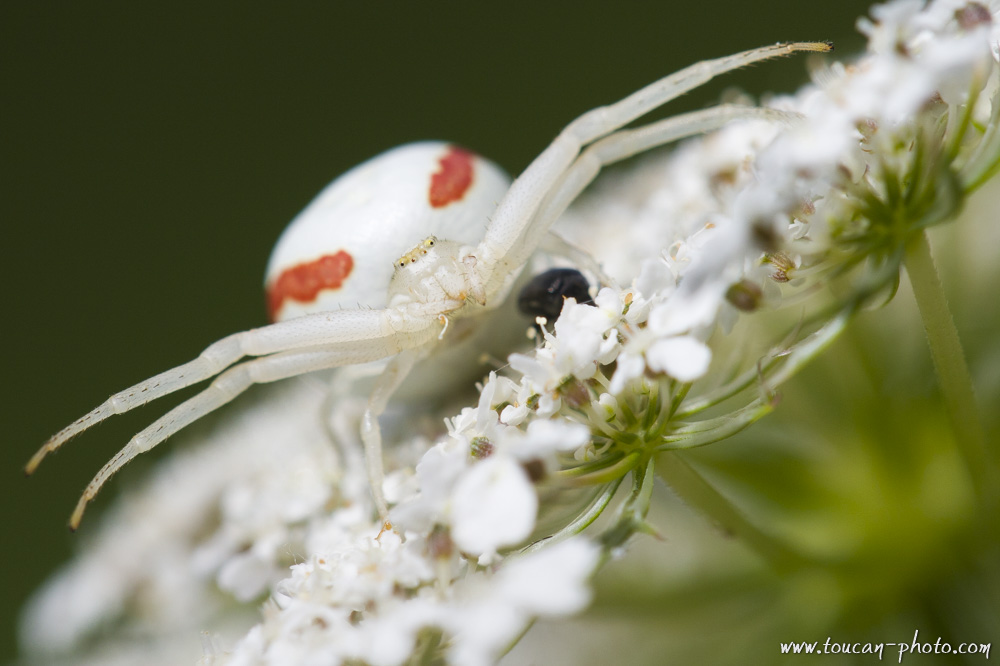 Flower crab spider (genius: Misumena)
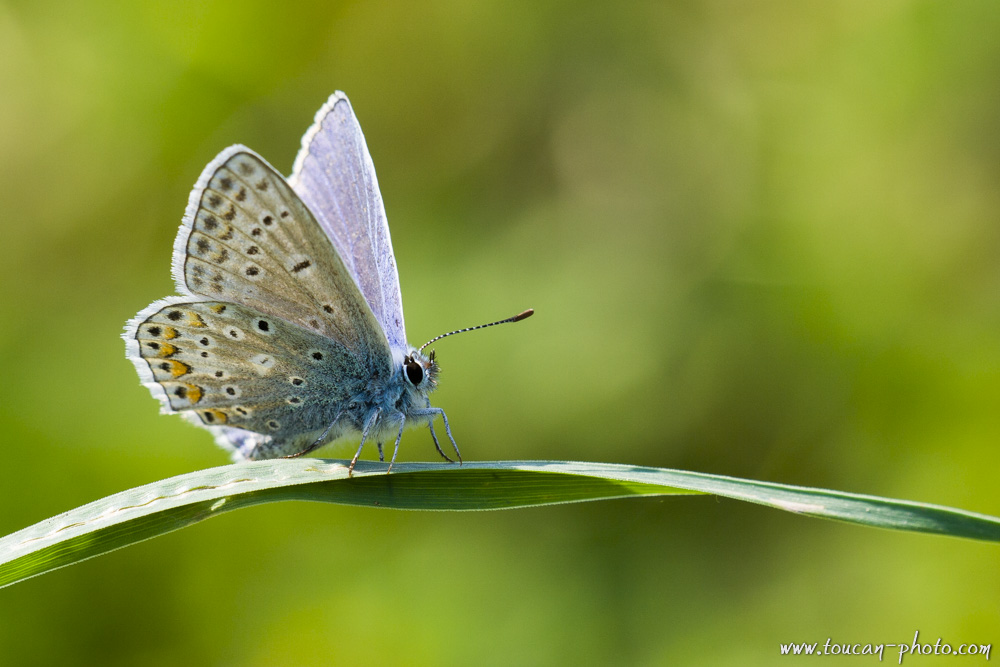 Common blue (Polyommatus icarus)
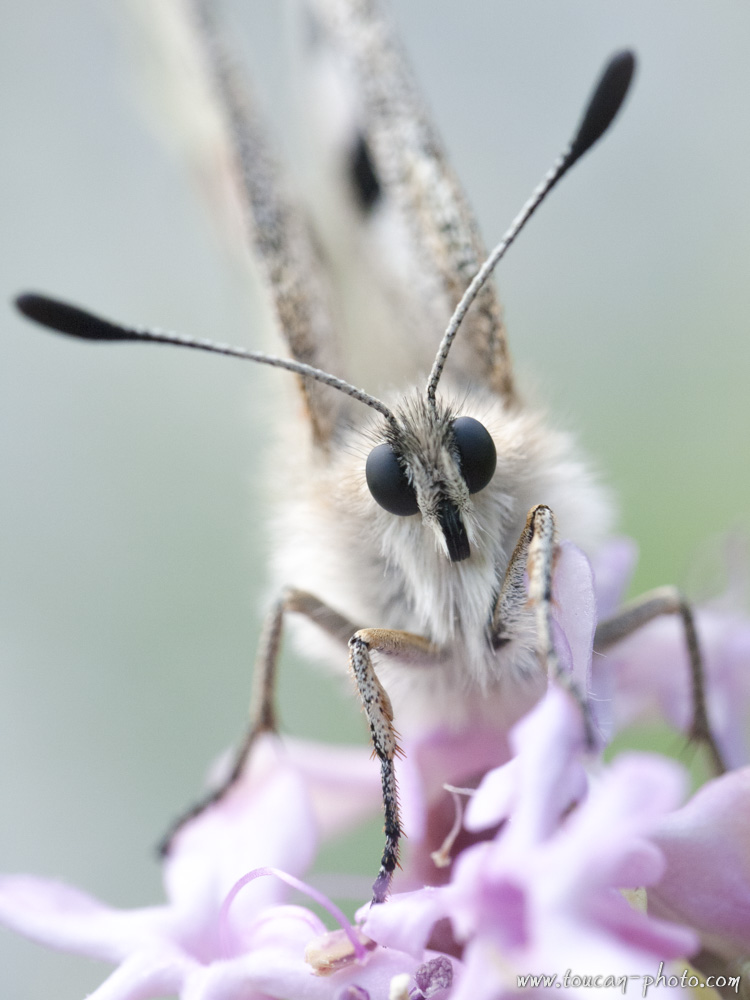 Apollo (Parnassius apollo rhodopensis)
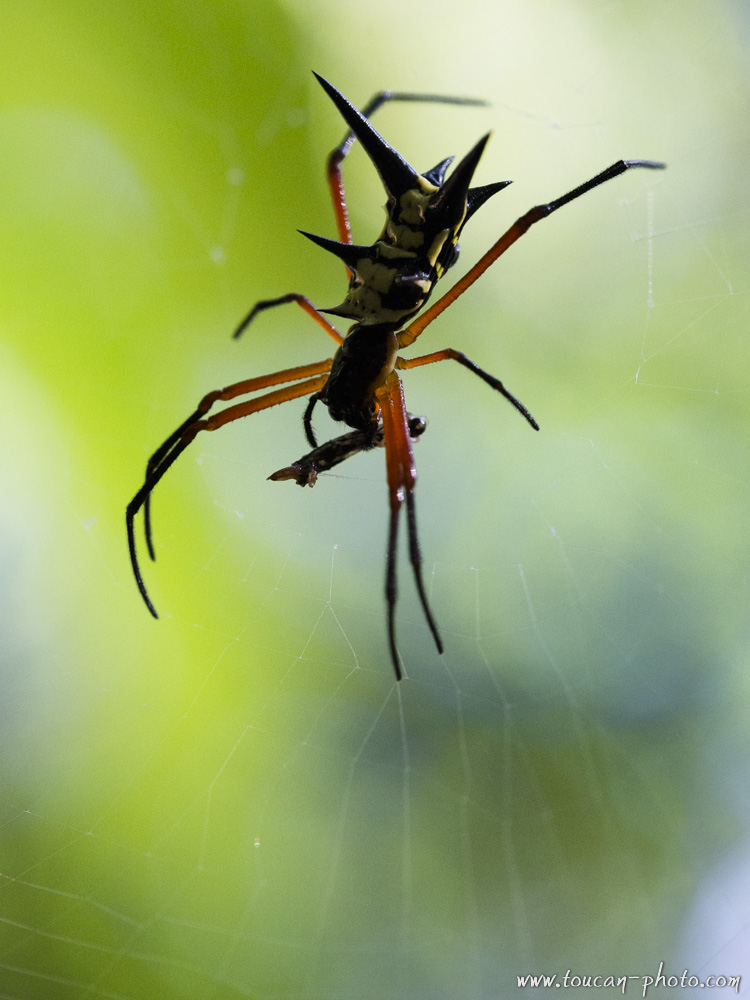 Spider (Micrathena kirbyi), Amazonia, Brazil
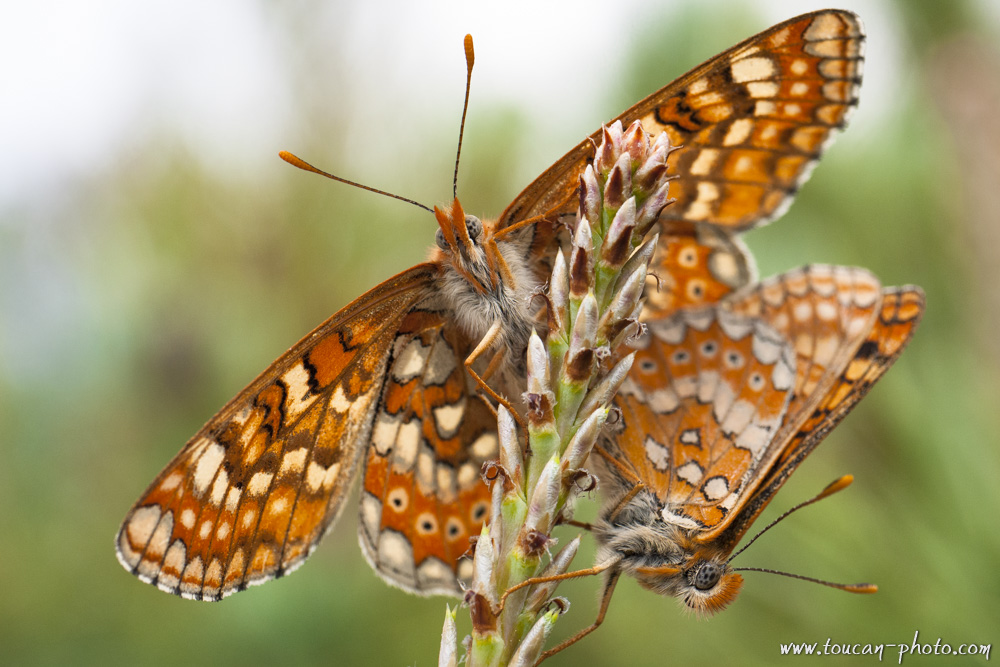 Marsh Fritillary (Eurodryas aurinia)
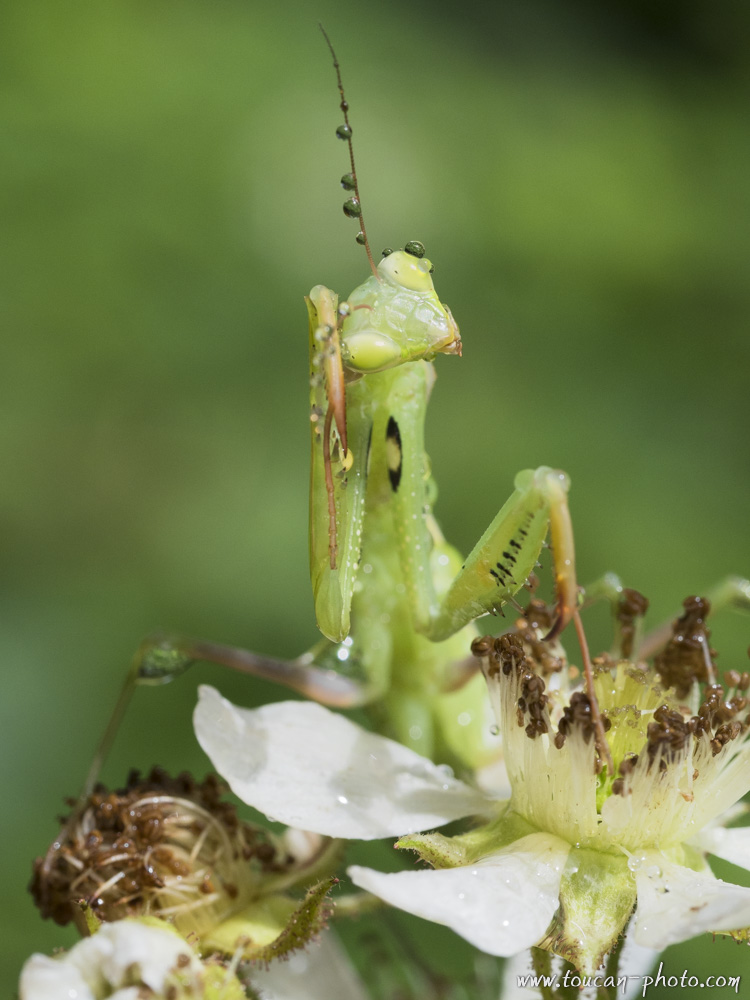
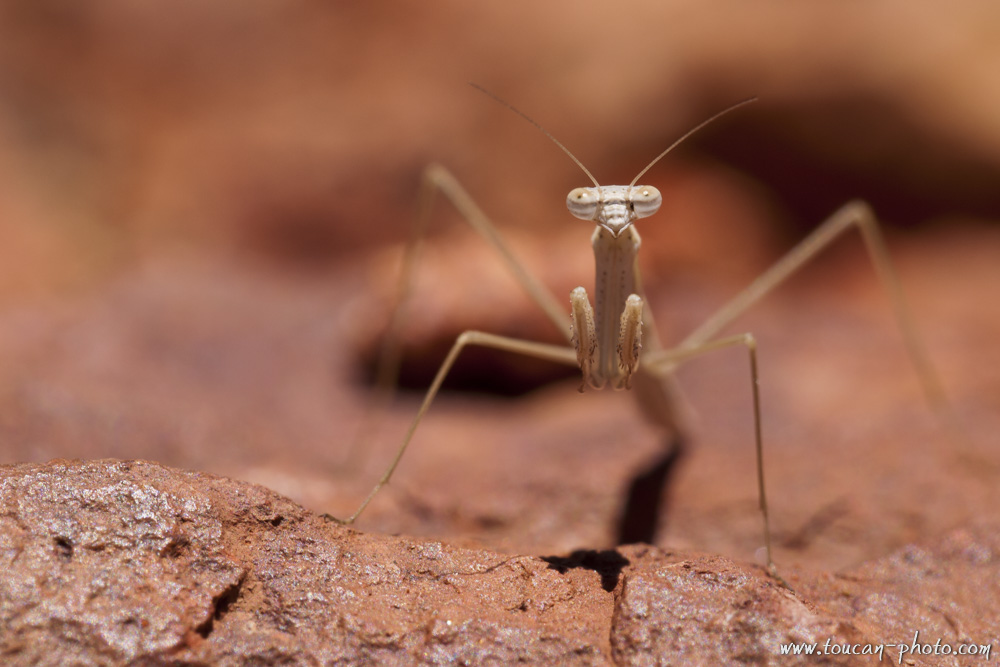 Praying mantis, Australia
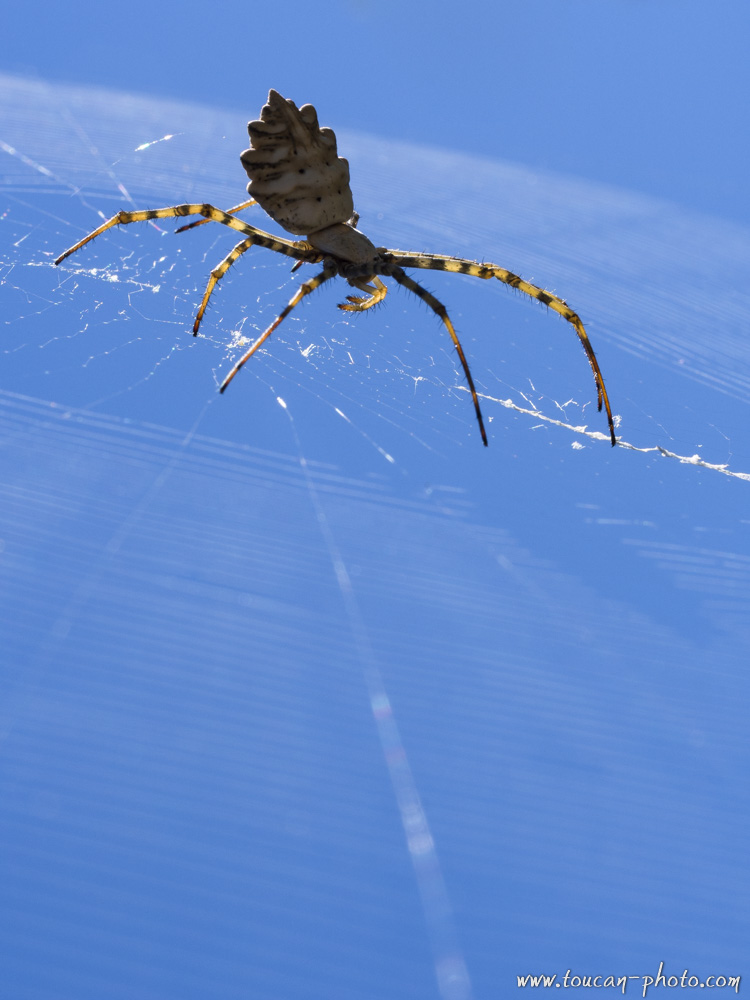 Spider
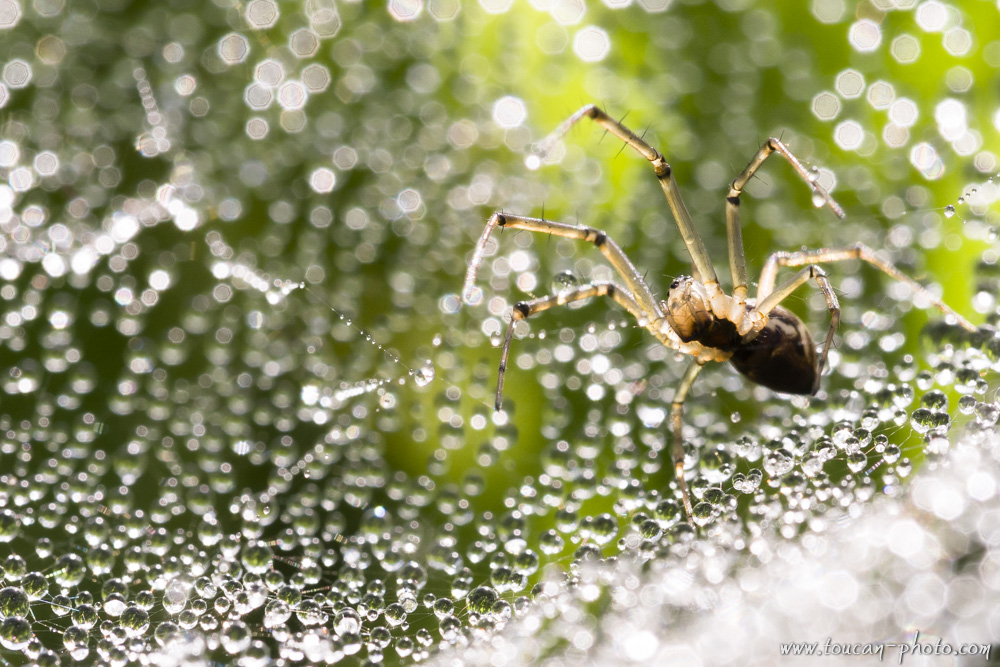 Spider and dew
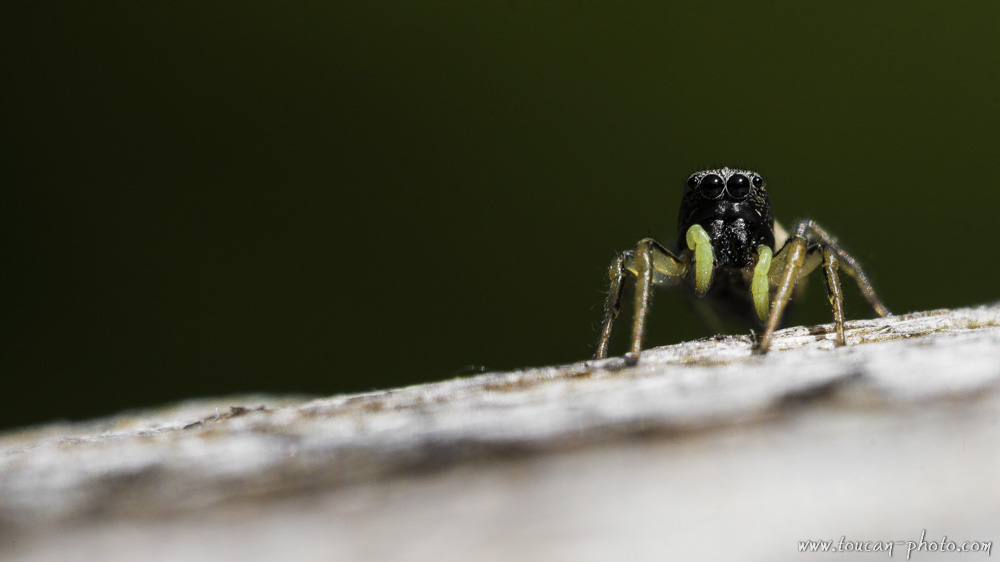 Jumping spider