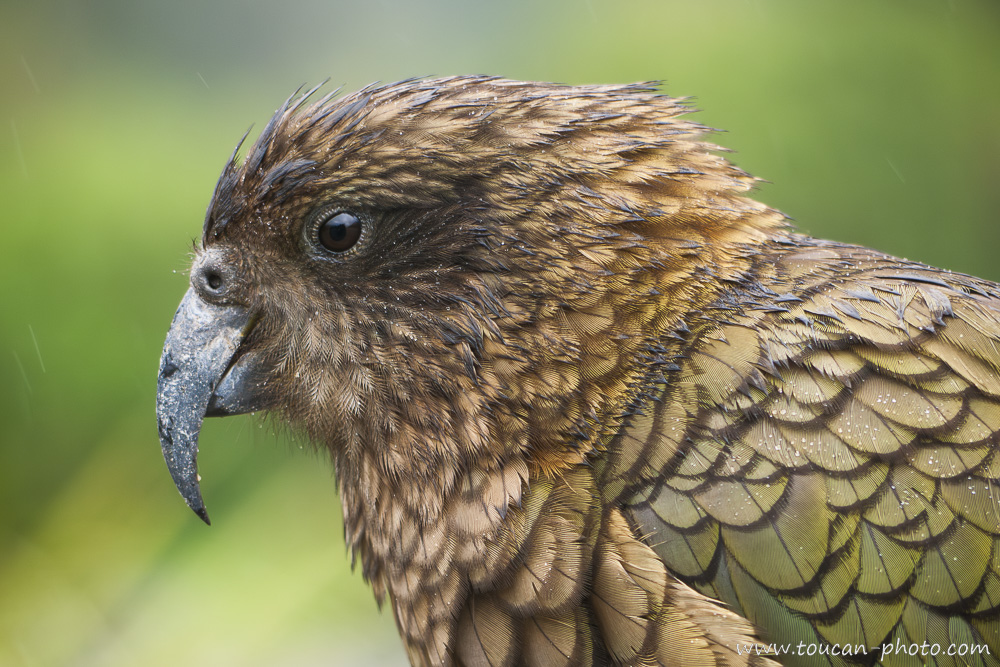
The Nestor Kea, the rebellious intelligence of New Zealand’s mountains

Portrait of a Kea, New Zealand

The Kea, the Rebel Intelligence of the Alps.

Behind this sharp gaze and olive-tinted plumage hides one of the most intelligent birds on the planet: the Kea.

Living exclusively in the mountainous regions of New Zealand’s South Island, this alpine parrot has an exceptional lifespan of up to 40 years. This longevity allows for an extended learning period, essential for developing its complex problem-solving skills. However, this intelligence comes with a trait well-known to travelers: an immoderate love for rubber. Door seals, windshield wipers, or hiking gear—nothing resists its powerful beak. This specimen, captured under a light drizzle, made its mark by nibbling on my tripod handle, leaving an indelible beak print—a wild “autograph” that I still cherish today as a reminder of a meeting as mischievous as it was memorable.
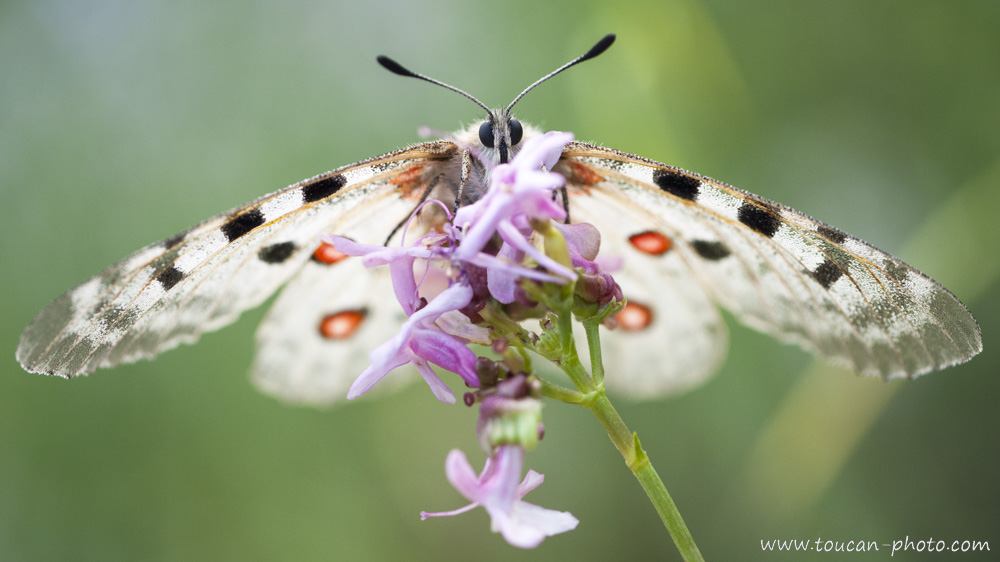

The Apollo: A Glacial Relic of the High Peaks

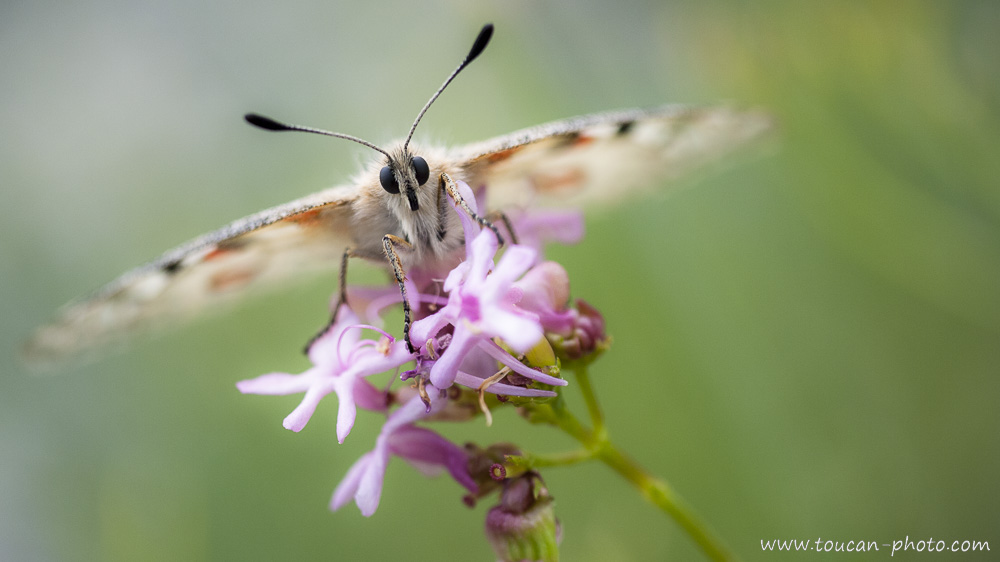
Apollo butterfly (Parnassius apollo rhodopensis) unfolding its wings in the mountains

A slow and powerful flight, carried by the thermal currents of the summits.

A true survivor from the glacial eras, the Apollo is one of the few butterflies capable of thriving at altitudes exceeding 2,000 meters.

Its sturdy body is covered in fine black hairs that act as a thermal coat, allowing it to absorb every bit of solar heat from the earliest light. Unlike many other butterflies, its flight is heavy and somewhat bird-like, alternating between steady wingbeats and gliding. This energy conservation is vital in an environment dominated by wind and cold. Seeing this white silhouette against the deep blue of the alpine sky remains one of the most magical moments for a mountain photographer.

The Apollo Butterfly (Parnassius apollo): A Fragile Icon of the High Alps

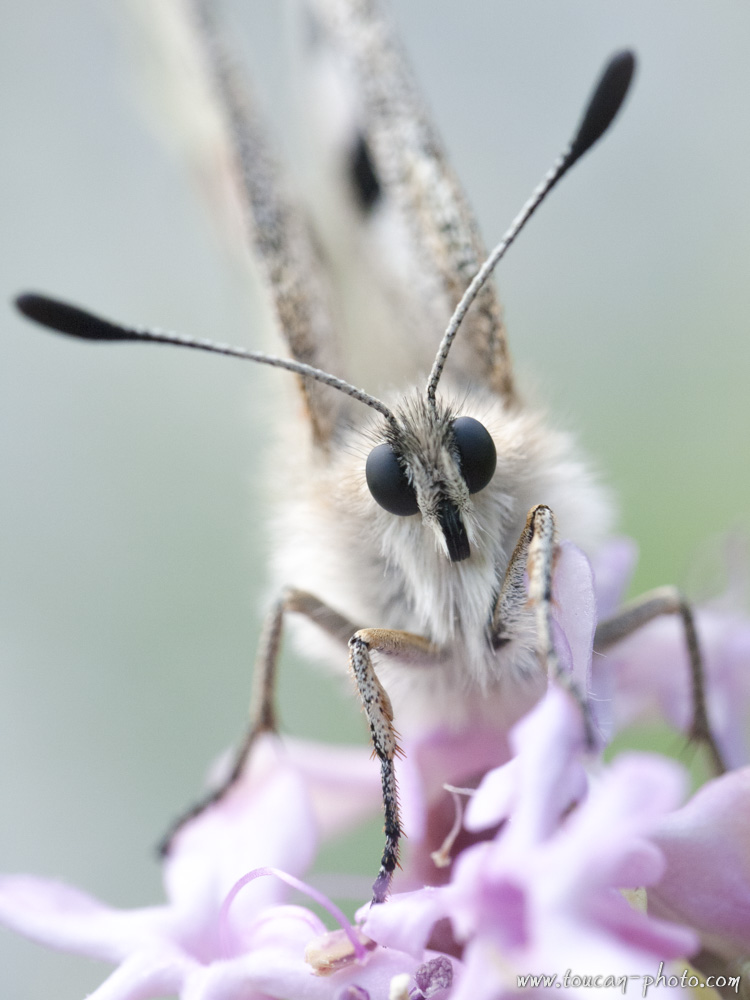
Apollo butterfly (Parnassius apollo rhodopensis) resting on a mountain flower, French Alps

A fragile symbol of alpine landscapes, the Apollo reminds us of the richness—and vulnerability—of mountain biodiversity.

Emerging each summer on the sun-drenched slopes of the Alps, the Apollo (Parnassius apollo) is one of Europe’s most iconic and protected butterfly species.

Its white wings, dotted with black spots and two distinctive red ocelli (eyespots), serve a vital purpose: startling predators by mimicking the eyes of a larger animal. Highly sensitive to temperature fluctuations, the Apollo acts as a “barometer” for climate change. Its larvae depend exclusively on stonecrop plants (Sedum) found in rocky screes. As alpine habitats change, this species is increasingly forced to seek refuge at higher altitudes to survive.

Young Padaung lady, Northern Thailand

Young Padaung lady, Northern Thailand
The Padaung (or Kayan) is a Tibeto-Burman ethnic minority of Myanmar (Burma).
In 1990, some Padaung have fled the Burmese regime and crossed the border to settle in Northern Thailand. The Padaung women are known for wearing a spiral-necklace in brass, wrapped around the neck. They start wearing the first necklace at the age of 5. It will be then replaced time after time when the girl is growing up (it is not rings that are added). This tradition gave to Padaung the nickname of “giraffe women” or “long-neck tribe”.

?>
Next page