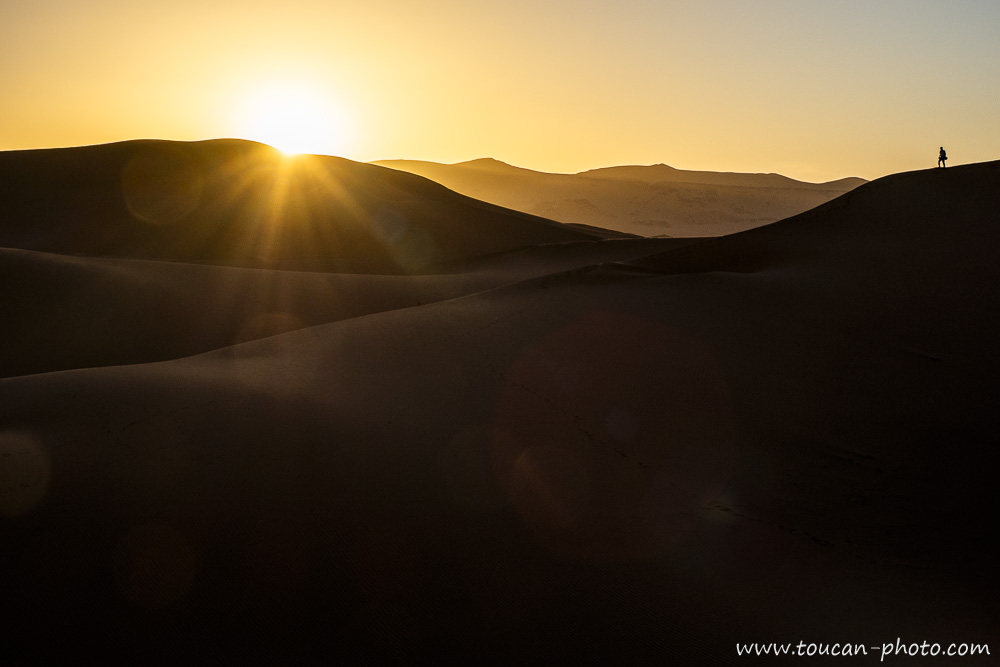
Setting sun grazing the dunes of the Sahara
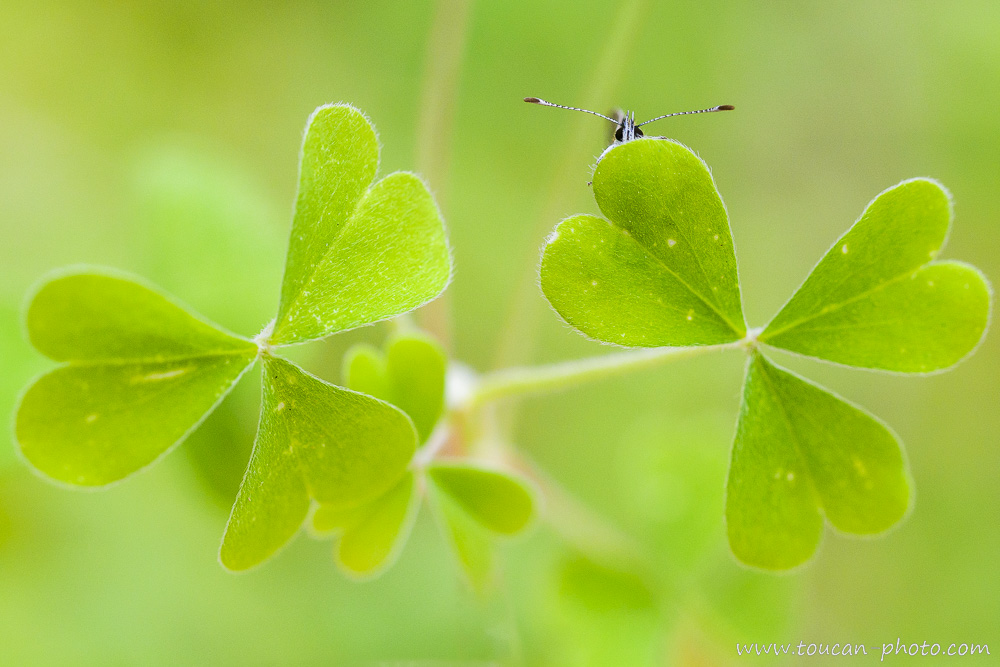
Grass Jewel (Freyeria trochylus) playing Hide-and-Seek behind an Oxalis leaf.
A tiny and poetic encounter where wildlife blends into flora with rare delicacy.
The Grass Jewel is considered one of the smallest butterflies on the planet, with a wingspan rarely exceeding 18 mm. This photograph perfectly illustrates its natural discretion as it shelters behind the characteristic lobes of an Oxalis leaf.
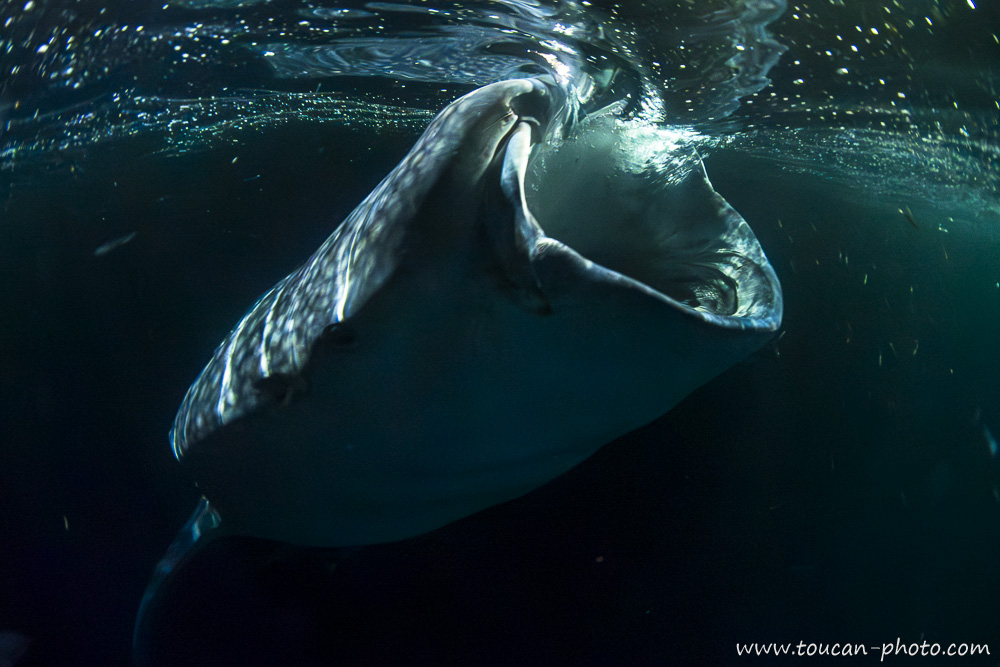
Whale Shark (Rhincodon typus) – Djibouti.
In the deep, dark waters of the Gulf of Tadjoura, off the coast of Djibouti, a majestic silhouette emerges: the whale shark, the world’s largest fish.
Despite its 12 to 18 meters in length, this giant is completely harmless to humans. Its existence is governed by a simple yet formidable feeding strategy: it swims slowly with its mouth agape, filtering up to 6,000 liters of water every hour to capture plankton and tiny suspended prey. Each day, it can ingest several dozen kilograms of food. The nutrient-rich waters of Djibouti, particularly between October and February, become a crucial gathering point for these behemoths, offering observers the unforgettable sight of a gentle giant gliding through the vast blue.
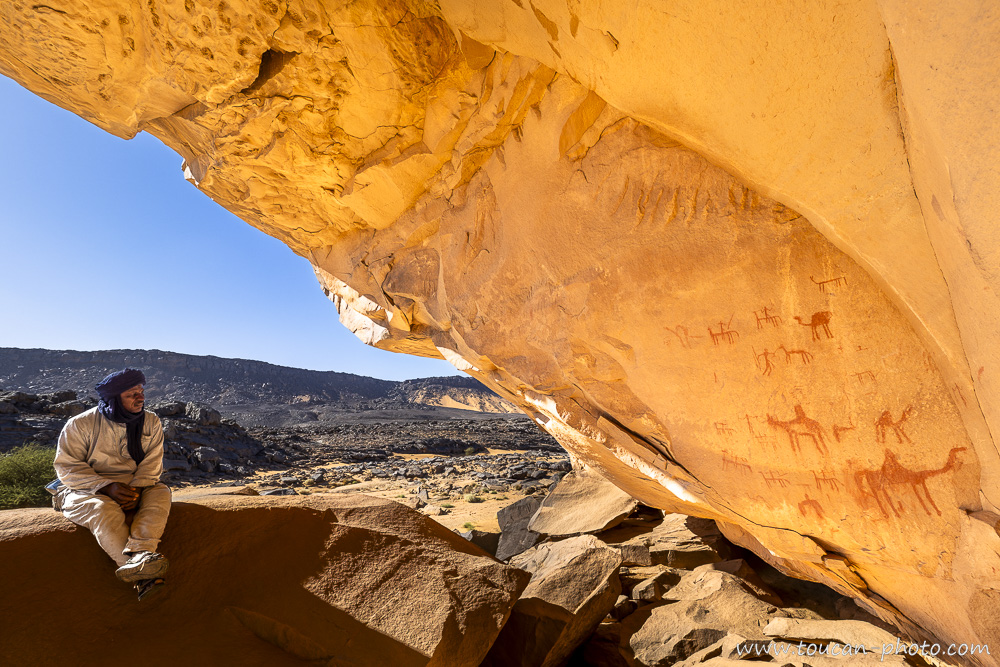
When the Desert Remembers – Algeria, Immidir Massif.
Beneath the golden shelter of the rock, the voices of the past still whisper in the heart of the Immidir mountains, in the Algerian Sahara.
Cave paintings stretch across the walls of a natural shelter, protected from the wind and time. Drawn in red ochre, camels, cattle, and human silhouettes form a silent fresco—a graphic memory of an ancient, humid, and vibrant Sahara. Sitting before these ancestral traces, a man of today contemplates the marks of yesterday. Between the present and the past, an invisible thread connects today’s nomads to vanished peoples, sharing the same relationship with the land, the herd, and the light. Here, rock art is not a mere vestige: it is a motionless bridge between eras, where the desert still speaks to those who know how to listen.
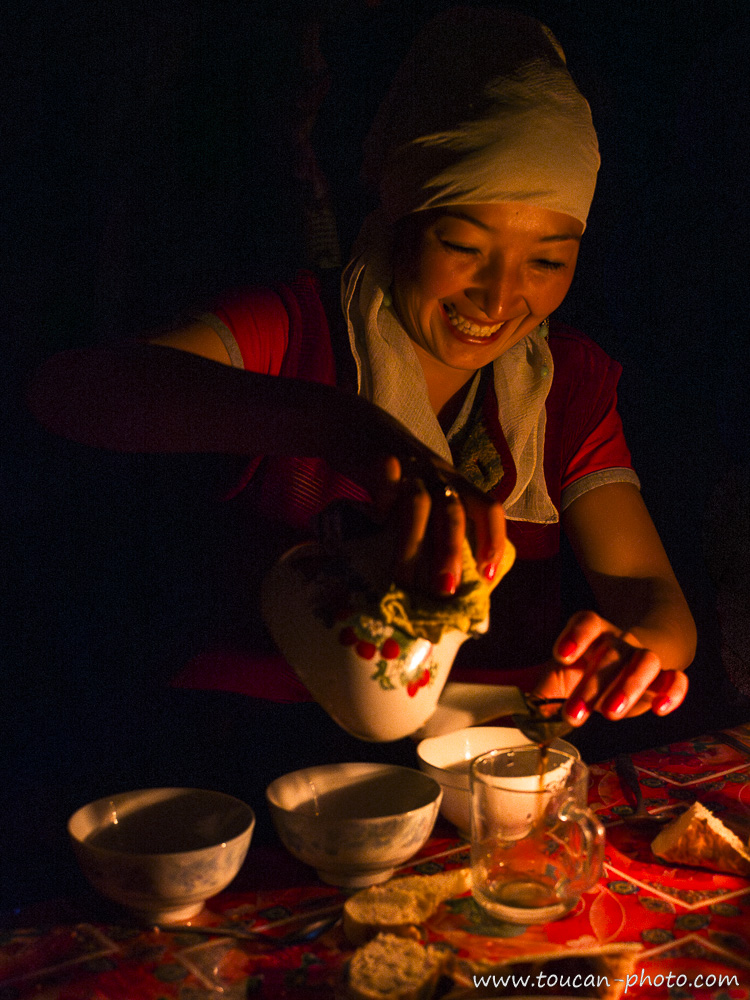
The Art of Nomadic Hospitality, Kyrgyzstan.
By the flickering light of a storm lantern, gestures are precise, repeated since childhood in the heart of the Kyrgyz highlands.
In this high-altitude yurt, black tea simmers in an enameled teapot. The hostess delicately pours the brew into piala, the small handleless bowls typical of Central Asia. In Kyrgyzstan, serving tea is much more than a daily task: it is a ritual of hospitality deeply rooted in nomadic culture. Never filled to the brim—out of respect and modesty—the bowl is offered with a smile, often accompanied by boorsok or warm bread. Here, around the tea, stories flow and bonds are forged; it is the heart of the home and the beginning of every encounter.
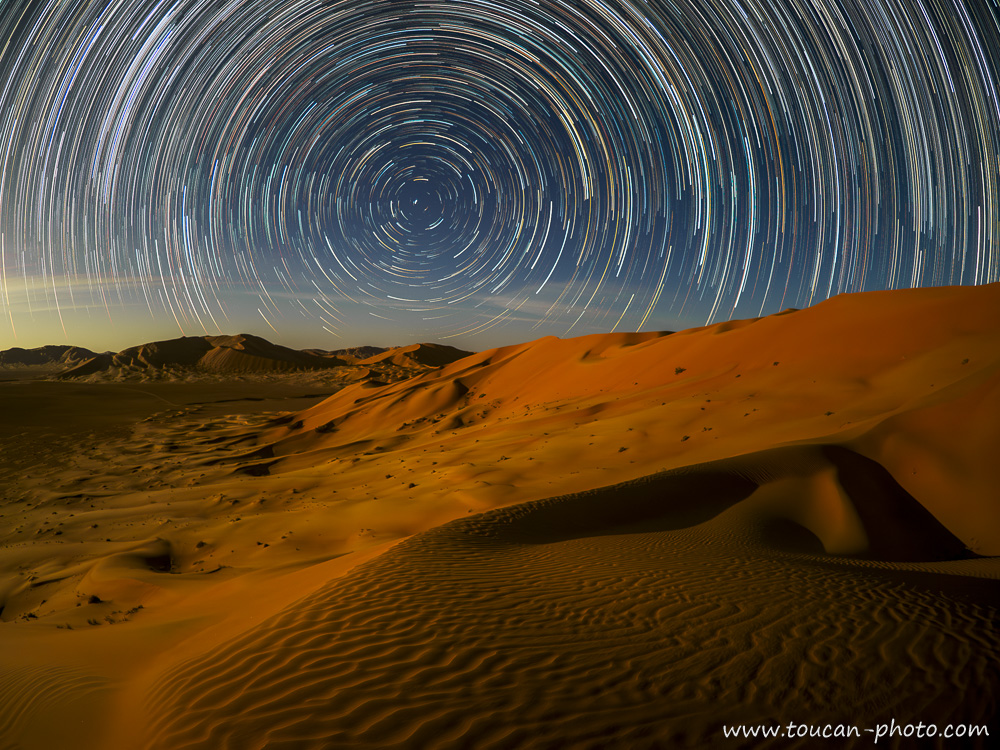
Star trails over the dunes of Rub al Khali (the Empty Quarter).
In the silent immensity of the Rub al Khali, the largest sand desert on the Arabian Peninsula, the night sky becomes a giant dial revealing the movement of the stars.
This long-exposure photograph captures the slow rotation of the Earth on its axis, as stars trace perfect circles around the northern celestial pole. In the foreground, the ochre dunes are illuminated by moonlight. Shaped by prevailing winds, they create a fluid and shifting landscape where sand grains, resulting from weathered sedimentary rocks, have been molded by wind erosion over millennia. In this frozen scene, everything speaks of motion: the wind, the stars… and time itself.
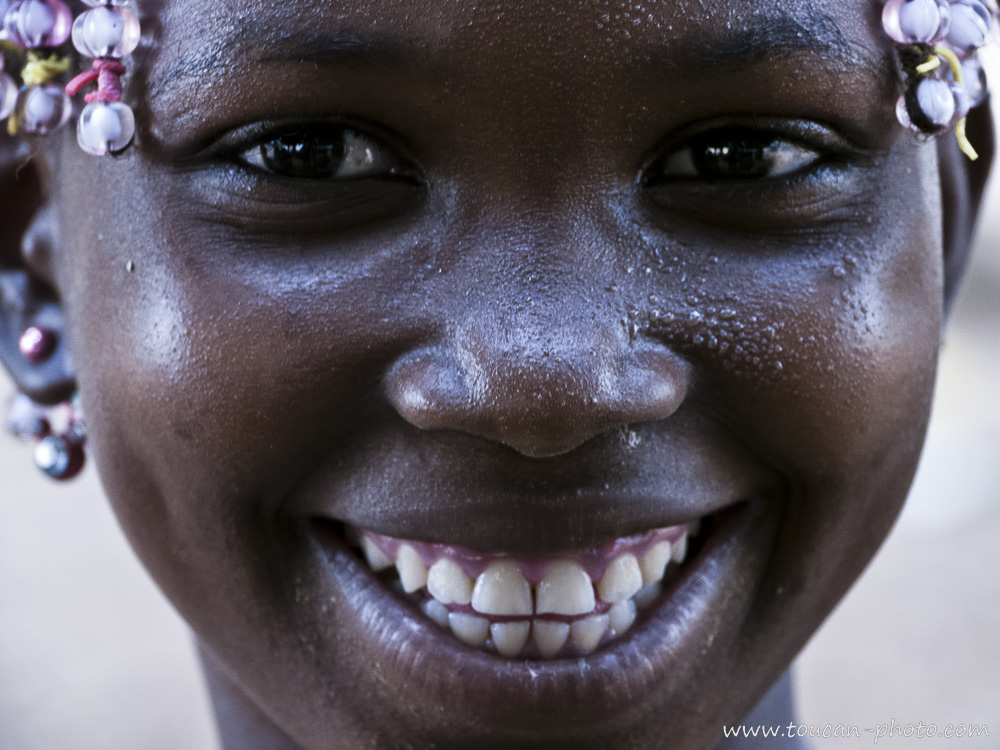
Smile, Burkina Faso.
Beyond the savannah landscapes, the essence of Burkina Faso lies in the warmth of encounters and the sincerity of exchanges.
This photograph captures the expression of Sahelian hospitality, where a smile is not merely a politeness but a truly universal language. In the “Land of Upright People,” the human dimension takes precedence over the setting, reminding us that travel is, above all, about shared glances.
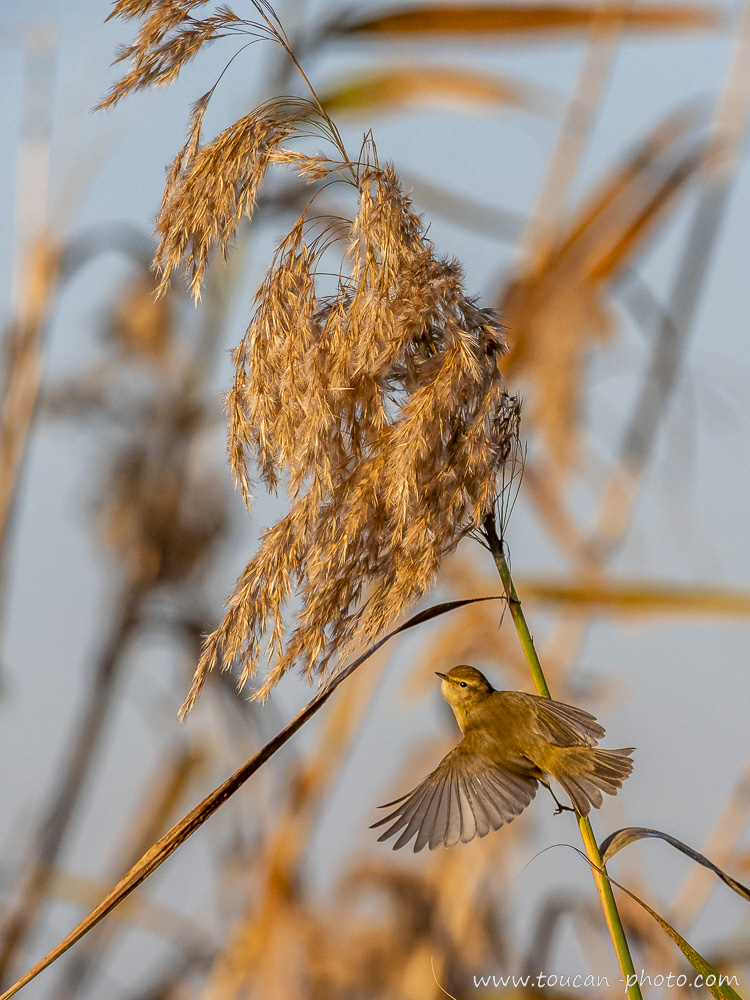
Common Chiffchaff (Phylloscopus collybita), agility in motion.
Small in size but immense in vitality, the Common Chiffchaff lives up to its name, tirelessly enlivening wetlands and forest edges.
Nicknamed the “money counter” because of its rhythmic song resembling the clinking of coins, this tiny insectivore is a true bundle of energy. Its olive-green and brown plumage provides discreet camouflage, but its restless temperament often betrays it. A partial migrator, it is capable of traveling impressive distances.
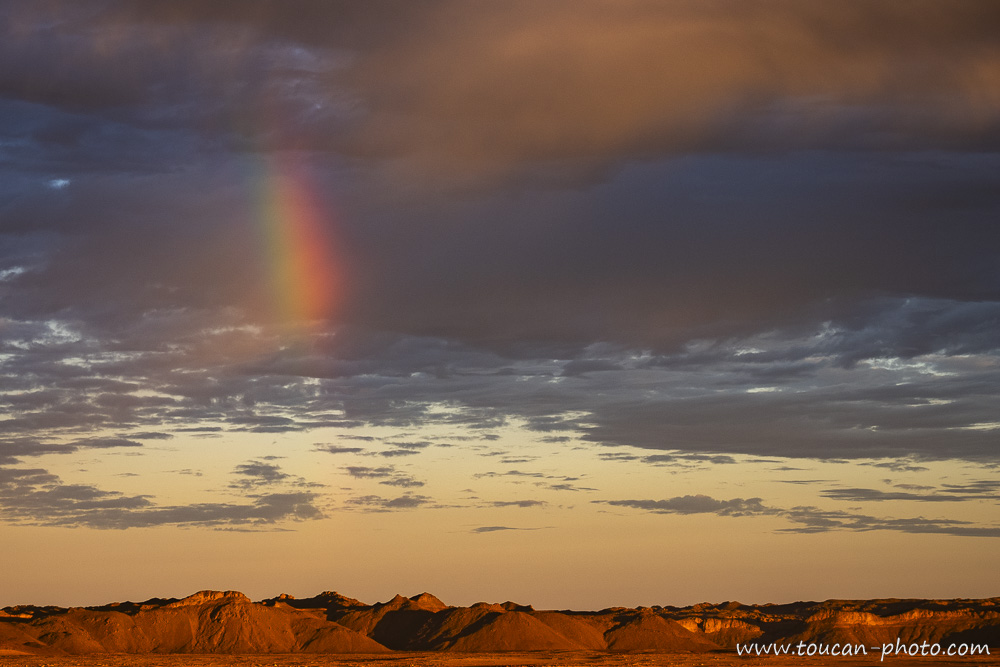
Rainbow over Immidir – Algeria.
In the Immidir massif, south of the Algerian Hoggar, desert landscapes occasionally reveal unexpected and spectacular scenes.
Here, a partial rainbow pierces a heavy sky, even though no rain is visible on the ground. This phenomenon, caused by the diffraction of light through suspended micro-droplets, stands in stark contrast to the surrounding aridity. The rugged terrain takes on a copper hue under the low evening light, creating an ephemeral tableau where the harshness of geology meets the softness of the atmosphere. A rare encounter between two worlds that only the Sahara can offer to those who know how to watch.
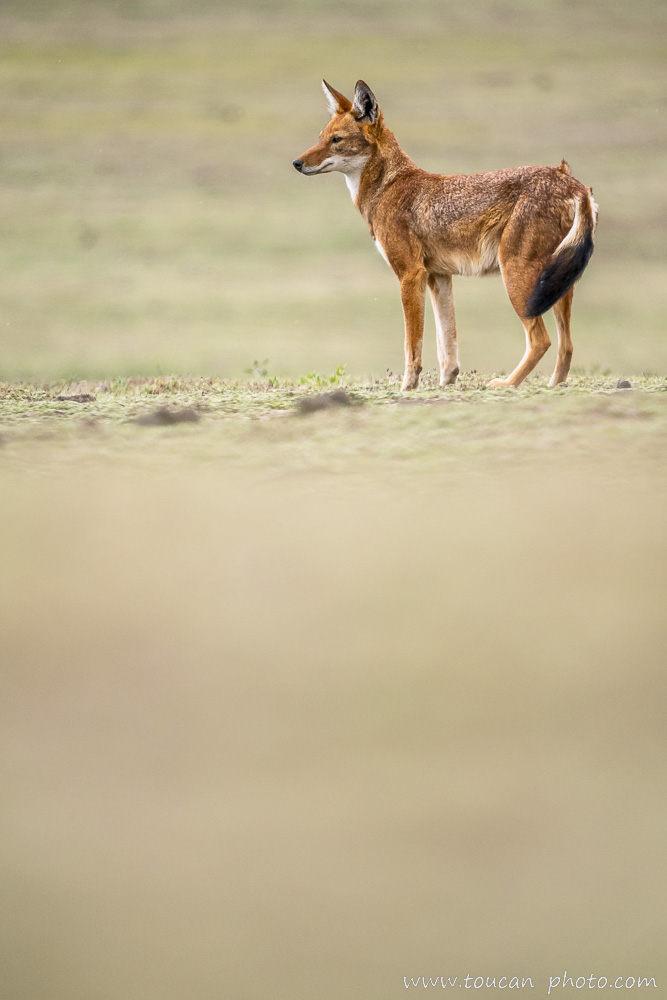
The Ethiopian Wolf, guardian of the Abyssinian highlands.
Standing alone on the Abyssinian highlands, the Ethiopian wolf scans the horizon, a fragile witness to a unique high-altitude ecosystem.
This slender predator, perfectly adapted to the vast alpine spaces, is now one of the most endangered mammals on the African continent. Suffering from habitat fragmentation and diseases transmitted by domestic dogs, only about 500 individuals are thought to remain in the wild. Its reddish silhouette against the moorlands embodies the wild and precarious beauty of the Bale and Simien Mountains, where every individual is vital to the survival of this endemic species.