Among the jellyfish of Jellyfish Lake, Palau

Among the jellyfish of Jellyfish Lake, Palau

Among the jellyfish of Jellyfish Lake, Palau

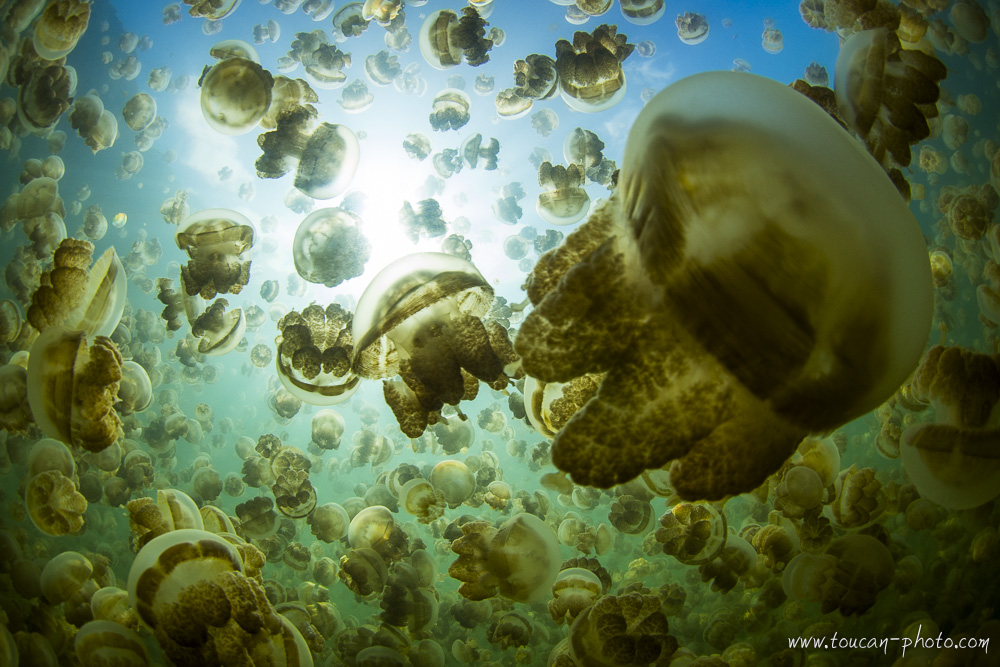
Thousands of jellyfish drift silently through the waters of Jellyfish Lake, one of the most remarkable natural sites in the Palau archipelago. An extraordinary immersion into one of the world’s most unique ecosystems.

Located on a small island in the Palau archipelago, Jellyfish Lake is an ancient marine lake that is now isolated from the ocean. Over thousands of years, the jellyfish living here evolved in an environment almost completely free of predators. As a result, their population grew to extraordinary numbers and they gradually lost most of their ability to sting, which became unnecessary over time.

Swimming among millions of jellyfish is an experience that is both surprising and mesmerizing. Throughout the day, they follow the sun across the lake to expose the symbiotic algae living within their tissues to as much light as possible. Through photosynthesis, these algae produce part of the nutrients on which the jellyfish depend. This slow daily migration transforms the lake into a continuous underwater ballet.

I have written a complete article about this remarkable ecosystem, explaining the origin of the lake, how it functions, and featuring many more underwater photographs. I invite you to discover it here: Snorkeling in Palau’s Jellyfish Lake.
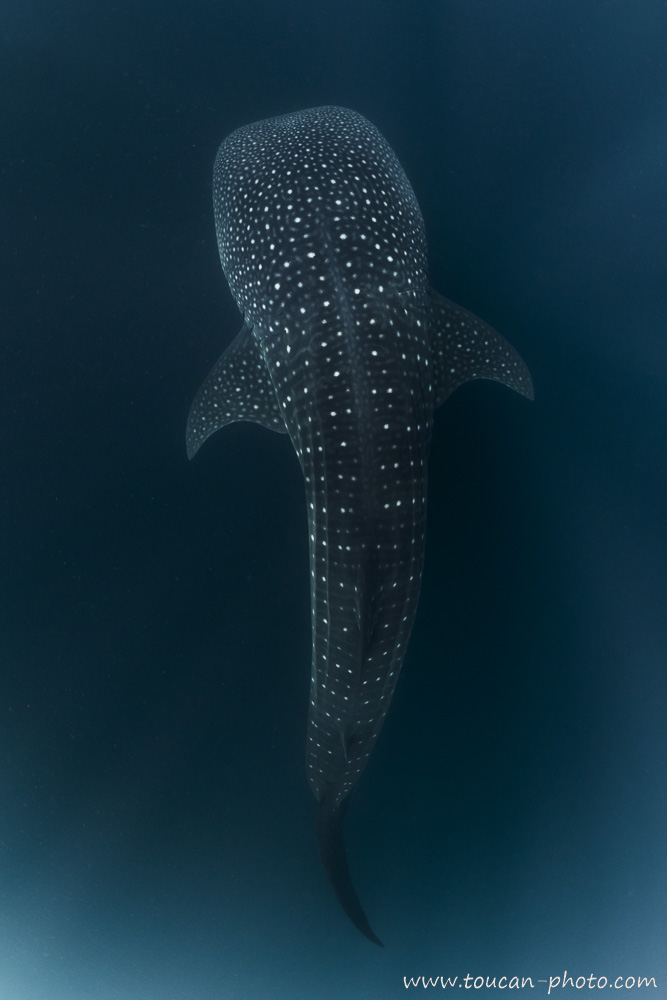
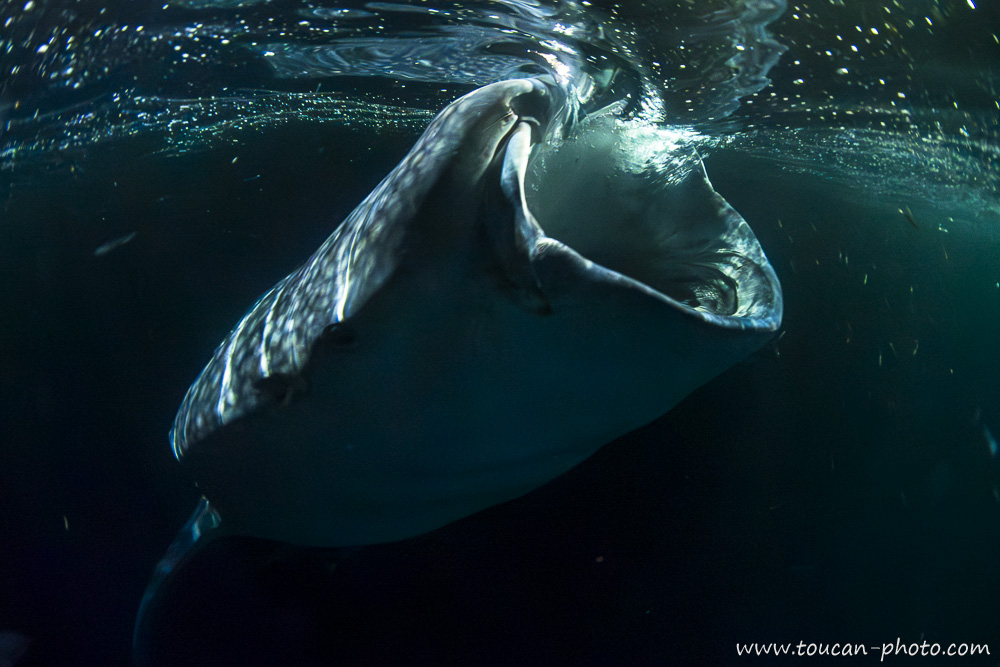
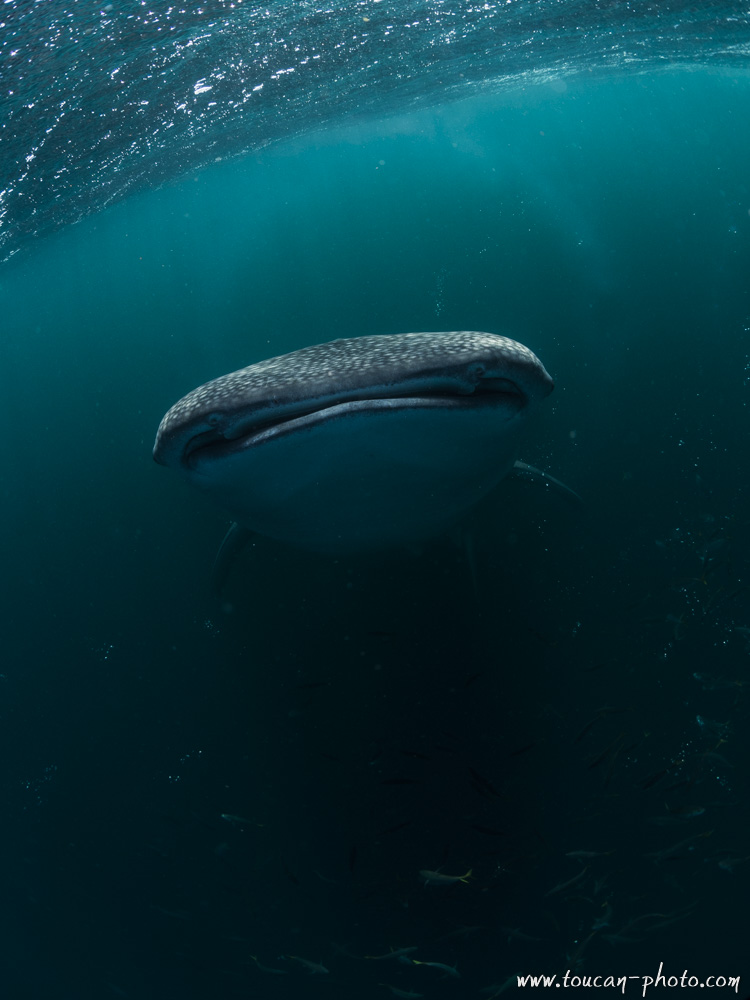
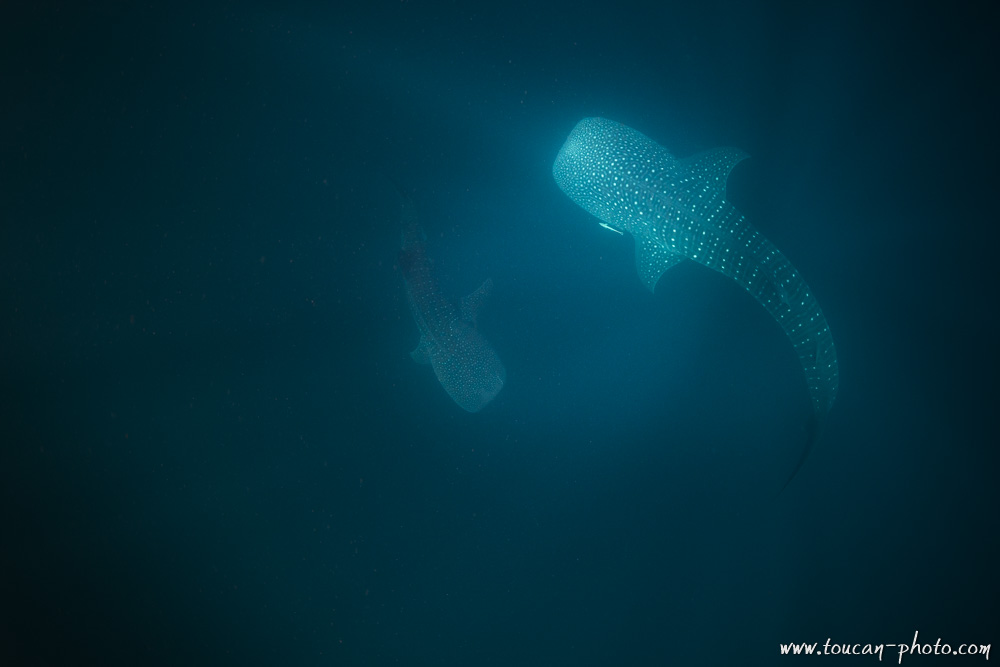
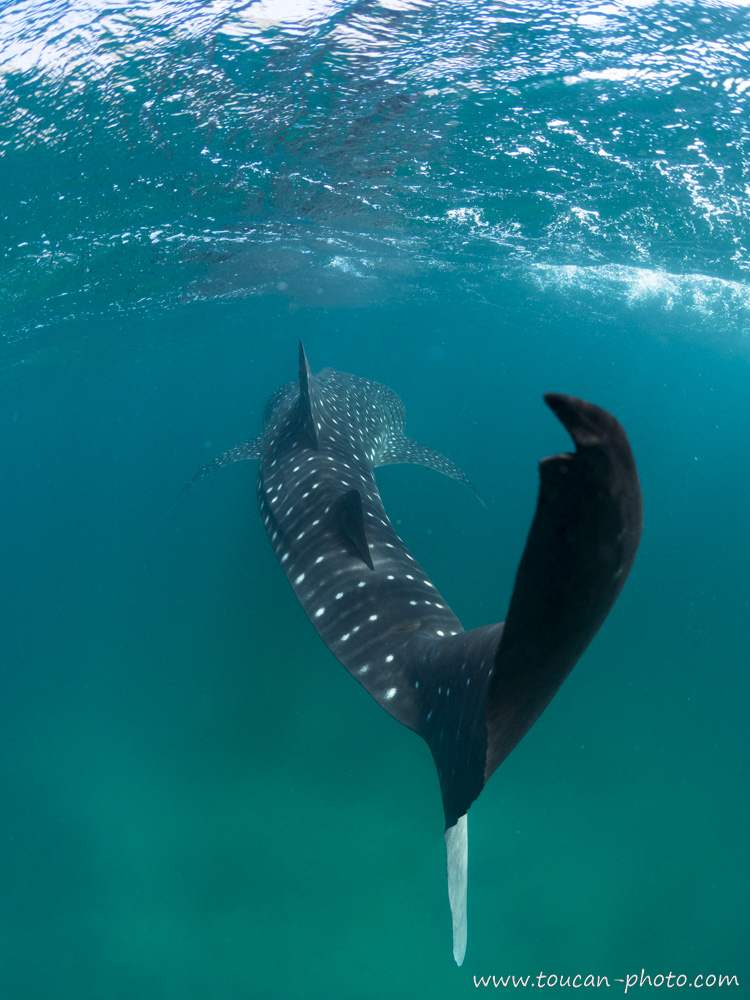
Whale shark (Rhincodon typus) in the waters of the Gulf of Tadjoura

Whale shark (Rhincodon typus) in the waters of the Gulf of Tadjoura - Djibouti

Silhouette of a whale shark (Rhincodon typus) in the Gulf of Tadjoura – Djibouti

Emerging from the depths of the Gulf of Tadjoura, the whale shark reveals its massive silhouette, adorned with a constellation of white spots unique to each individual.

Despite its impressive size, this sea giant is a harmless filter feeder that lives almost exclusively on plankton. In the waters of Djibouti, encountering the world’s largest fish is a moment of suspended grace. Its thick, starry skin acts like a digital fingerprint, allowing researchers to identify and track individuals across the oceans.

This top-down view highlights the whale shark’s hydrodynamic elegance. Moving with majestic slowness, it reminds us of the vulnerability of giants in a changing environment. Protecting its feeding grounds, as seen here in the Horn of Africa, is vital for the survival of this iconic species, currently listed as endangered.

Whale Shark (Rhincodon typus) – Djibouti

Whale Shark (Rhincodon typus) - Djibouti

Whale Shark (Rhincodon typus) – Djibouti.

In the deep, dark waters of the Gulf of Tadjoura, off the coast of Djibouti, a majestic silhouette emerges: the whale shark, the world’s largest fish.

Despite its 12 to 18 meters in length, this giant is completely harmless to humans. Its existence is governed by a simple yet formidable feeding strategy: it swims slowly with its mouth agape, filtering up to 6,000 liters of water every hour to capture plankton and tiny suspended prey. Each day, it can ingest several dozen kilograms of food. The nutrient-rich waters of Djibouti, particularly between October and February, become a crucial gathering point for these behemoths, offering observers the unforgettable sight of a gentle giant gliding through the vast blue.

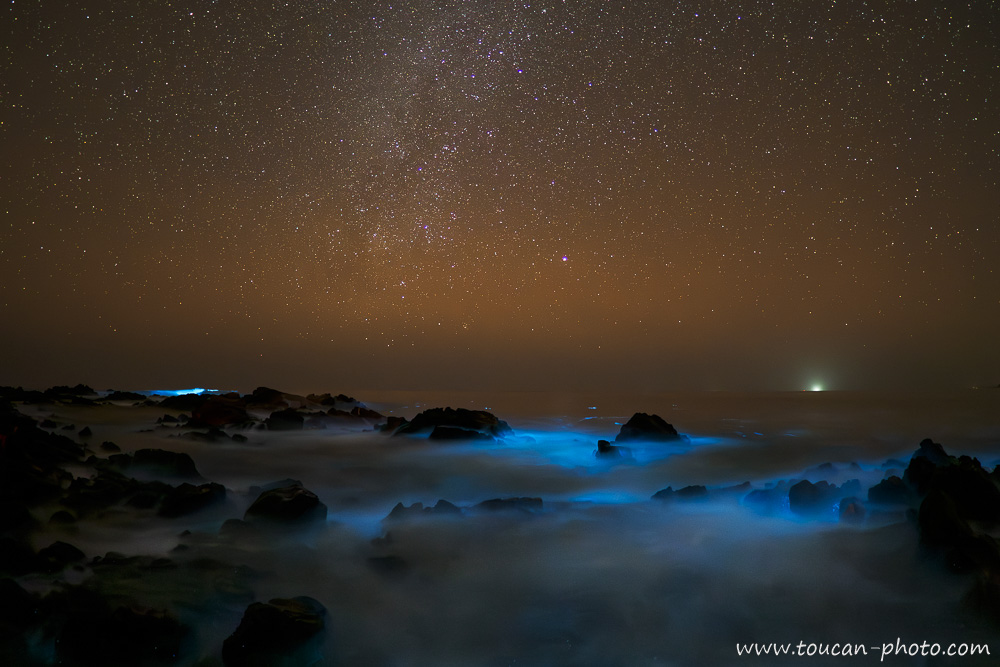
Bioluminescence of Krill Rising to the Surface at Nightfall (likely Euphausia sibogae) – Arabian Sea, Oman

Bioluminescence of Krill surfacing at nightfall, (likely Euphausia sibogae) - Arabian Sea, Oman

Bioluminescence of Krill surfacing at nightfall, (likely Euphausia sibogae) – Arabian Sea, Oman.

At nightfall, krill rise from the depths to the surface, driven by the planet’s largest daily animal migration.

There, tossed by the waves, it releases a cold, bluish light. Its bioluminescence, emitted by small organs called photophores, creates fleeting flashes on the water’s surface. This shimmering sometimes transforms the nocturnal ocean into a sea of living stars, shifting and silent.

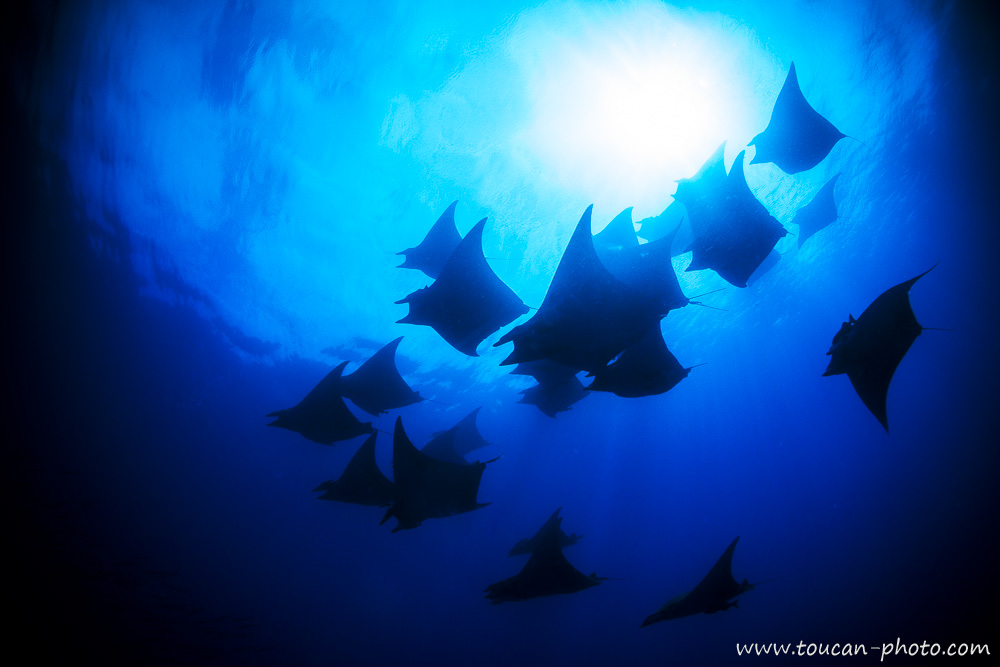
Mobulas Rays (Mobula tarapacana), Sea Devils or Gentle Giants? – Azores, Portugal

Mobula rays (Mobula tarapacana), Sea devils or gentle giants? - Azores, Portugal

Mobula rays (Mobula tarapacana), Sea devils or gentle giants? – Azores, Portugal.

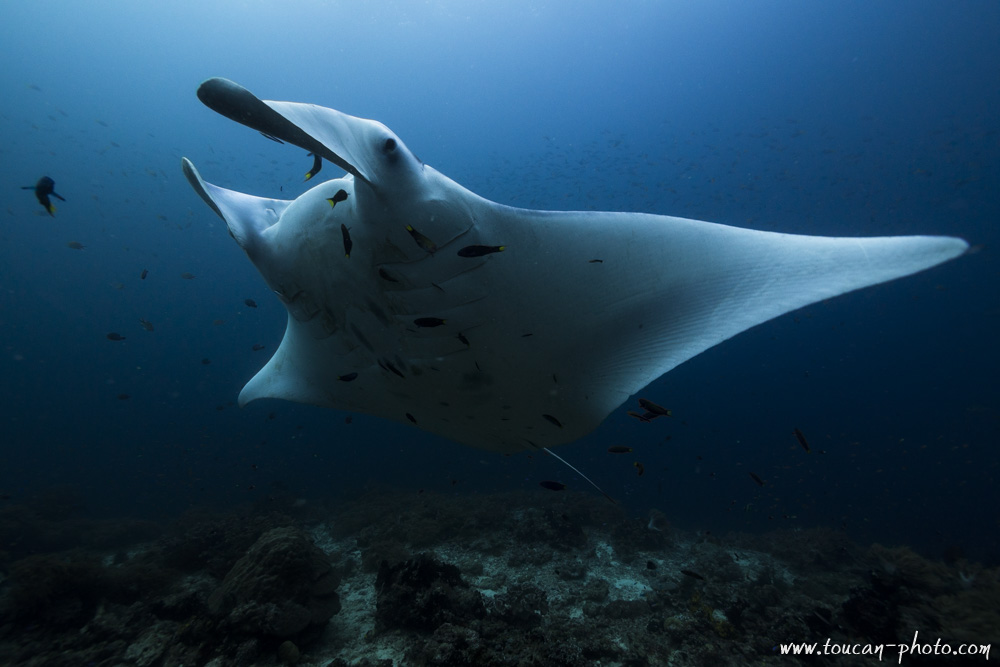
Mobula rays, cousins of the majestic manta rays, have long been nicknamed “sea devils” by fishermen around the world.

Their impressive silhouette, their two horn-shaped cephalic fins, the stinger at the base of their dorsal fin, and especially their spectacular habit of leaping out of the water, have fueled many fears and legends. Among the most whimsical tales, it was said that mobulas could grab boat anchors with their curled horns to drag vessels into the abyss. Though harmless to humans, they were also accused of trapping pearl divers or freedivers under their immense “cloak” to drown them. These beliefs, born of ignorance and seafaring imagination, contrast today with the fascination inspired by their elegance, their quiet power, and their essential role in the balance of marine ecosystems.

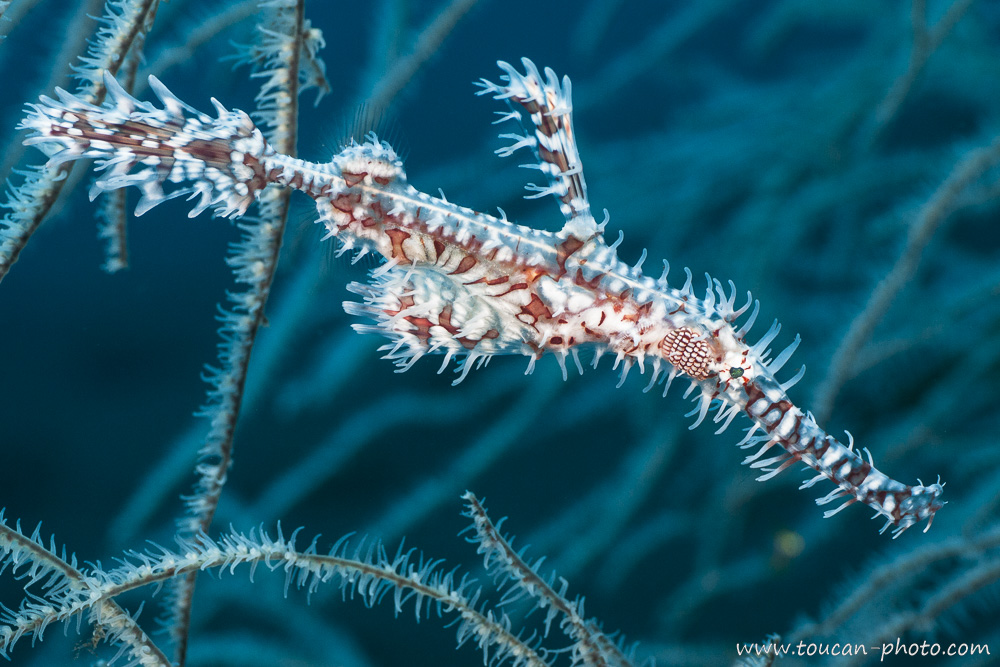
Ornate Ghost Pipefish (Solenostomus paradoxus) – Indonesia

Ornate

Ornate Ghost Pipefish (Solenostomus paradoxus) – Indonesia


Strange and delicate, Solenostomus paradoxus defies the eye. This harlequin ghost pipefish, a master of camouflage, blends perfectly among gorgonian branches or seagrass beds, mimicking the shapes and colors of its surroundings. Hanging head-down, it seems to vanish into the background, eluding predators with ease. Its spectacular mimicry makes it one of the most fascinating illusionists of tropical reefs.

?>
Next page