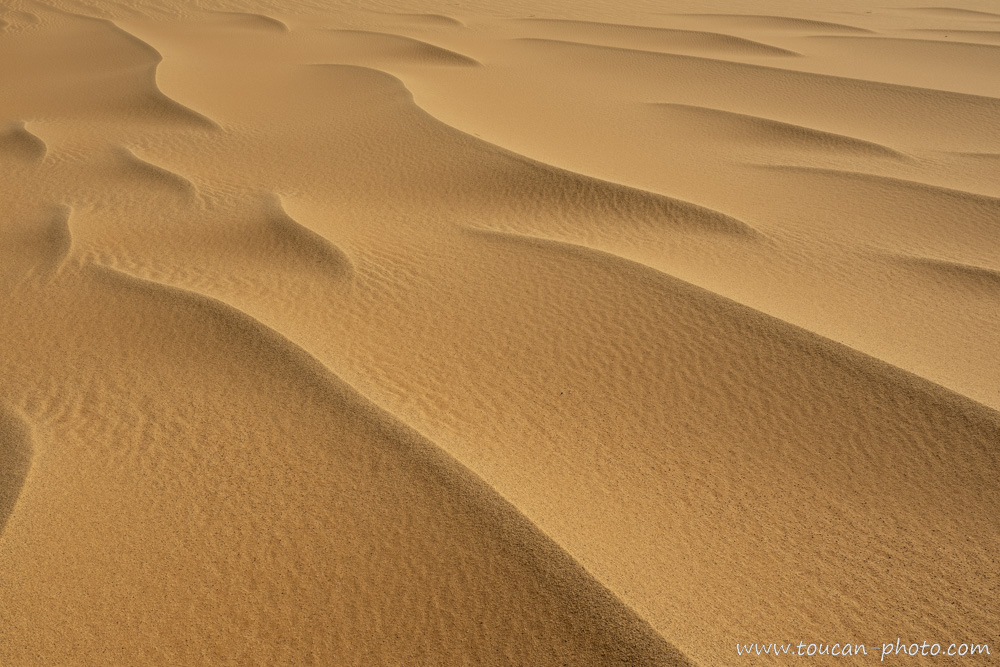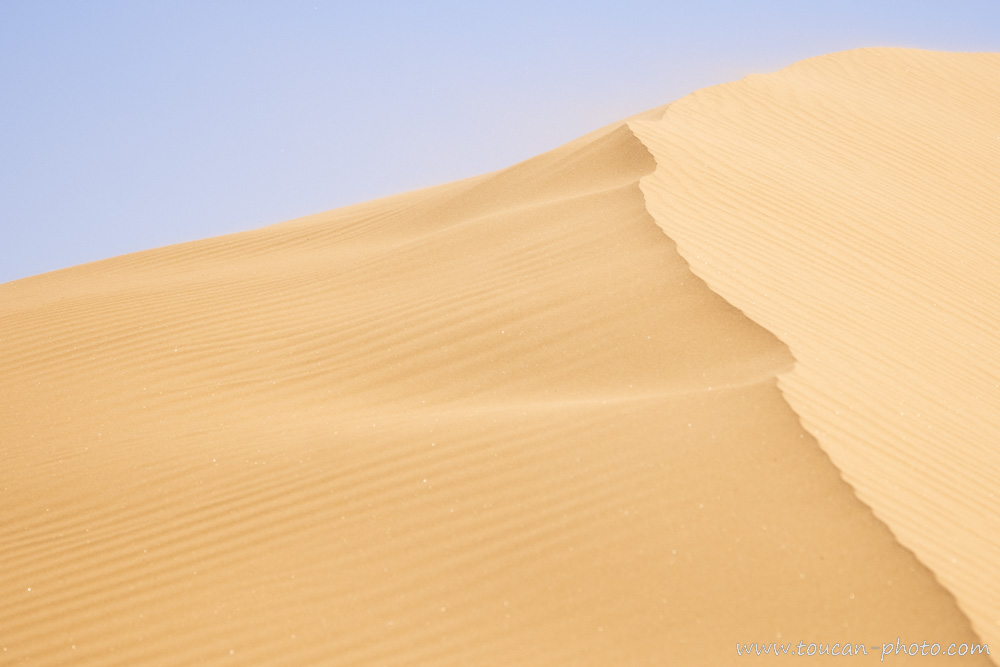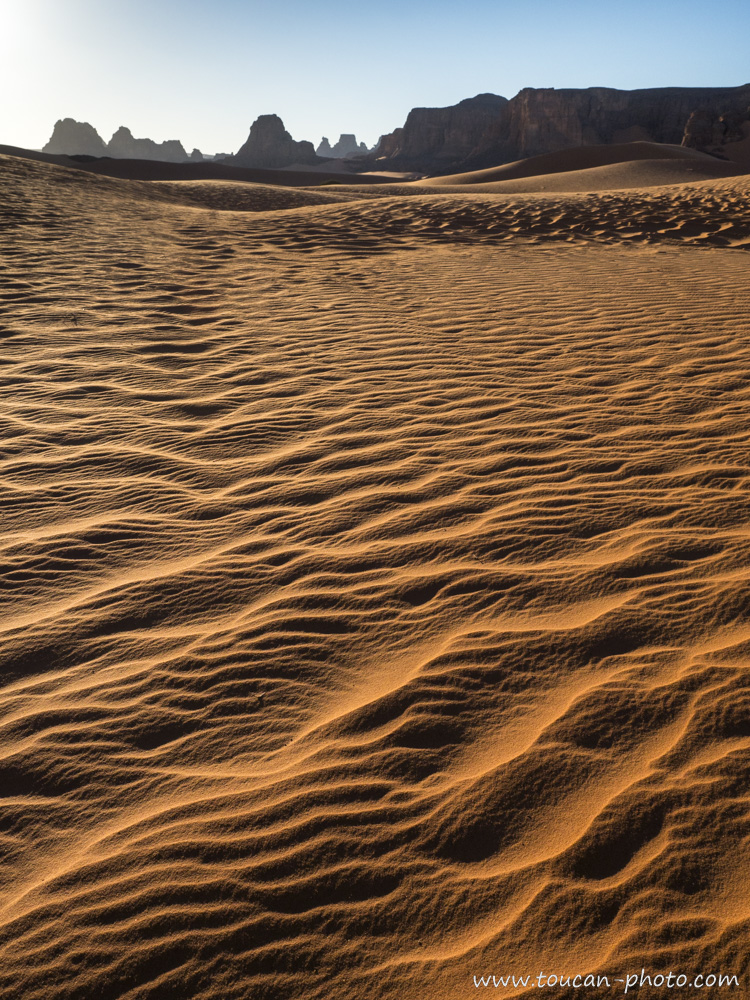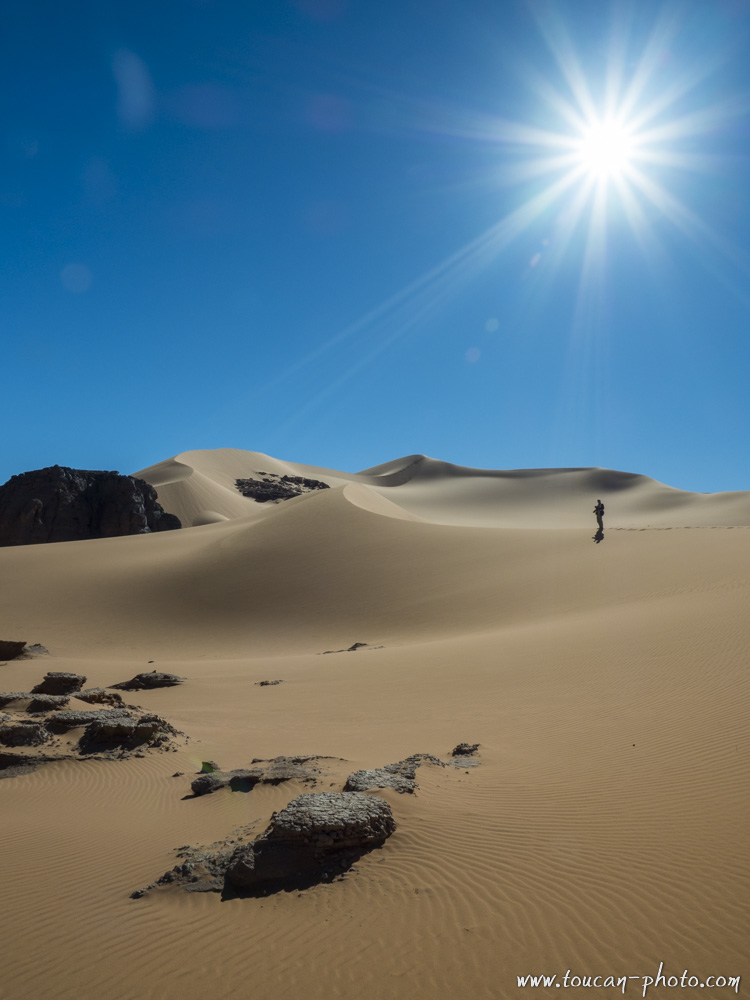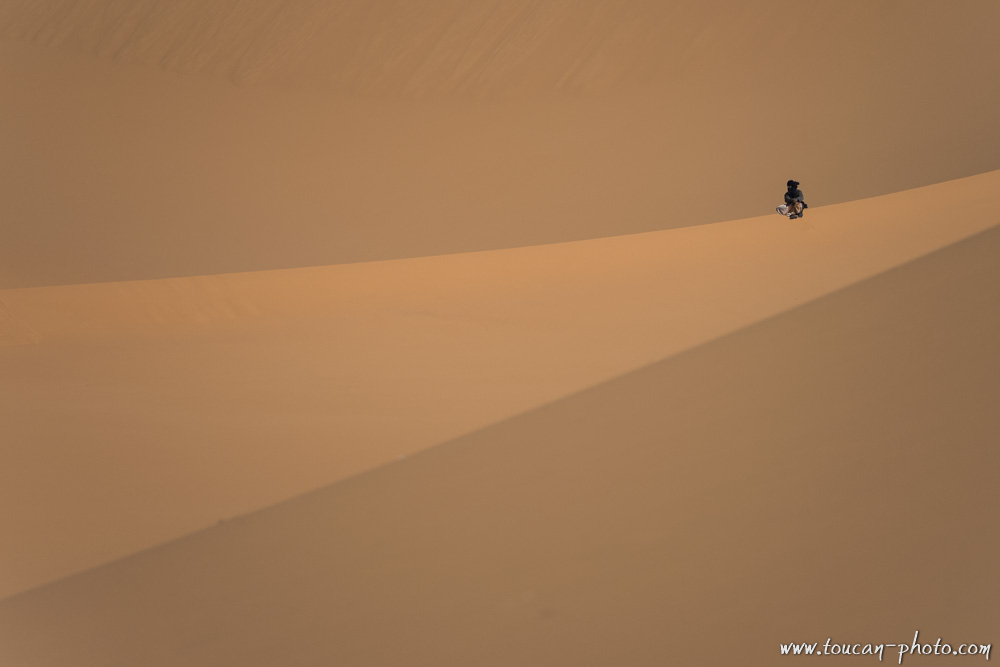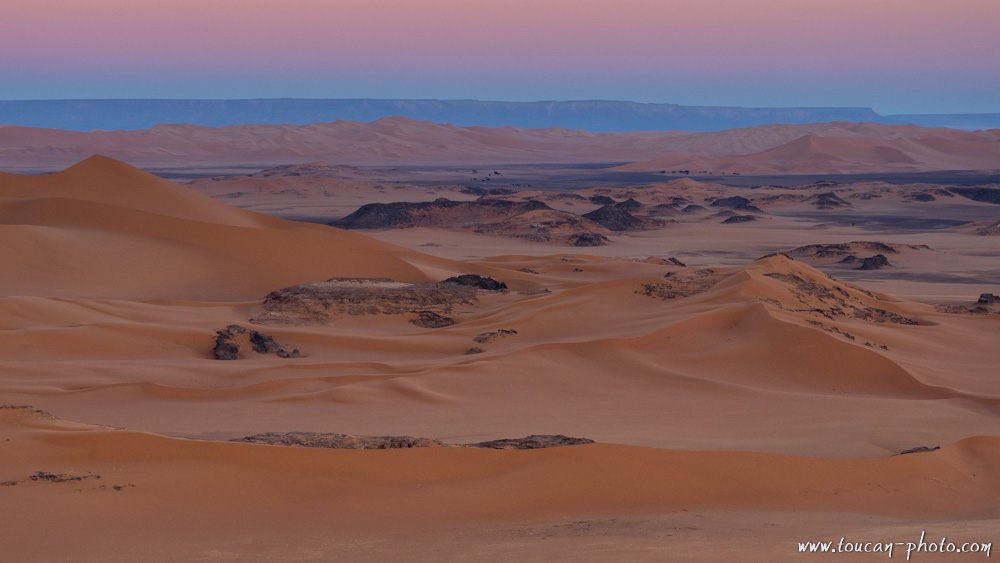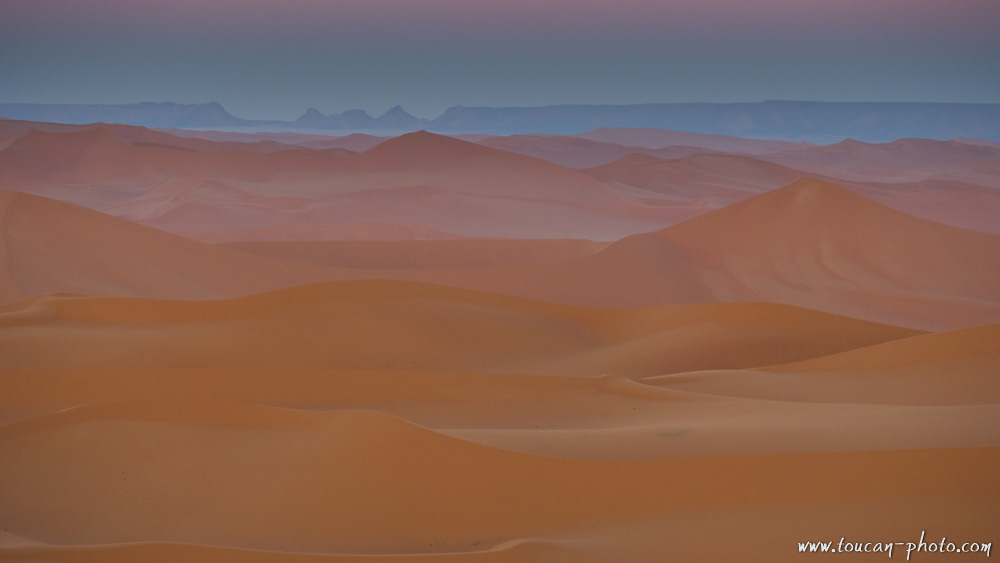
Dune crest under the breath of the Sahara

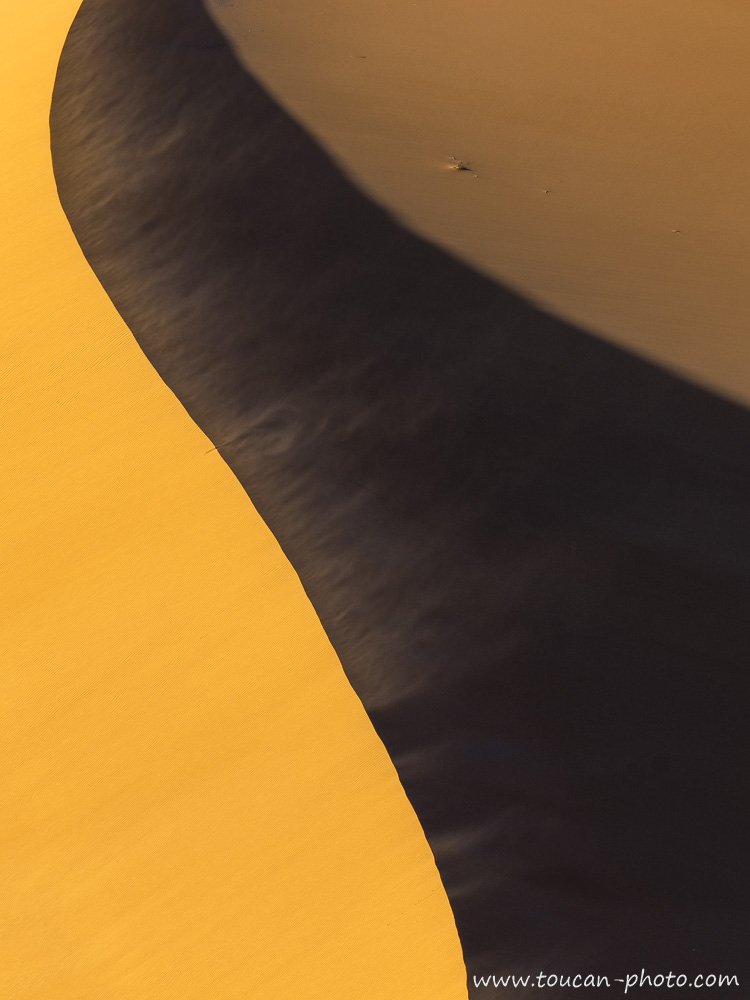
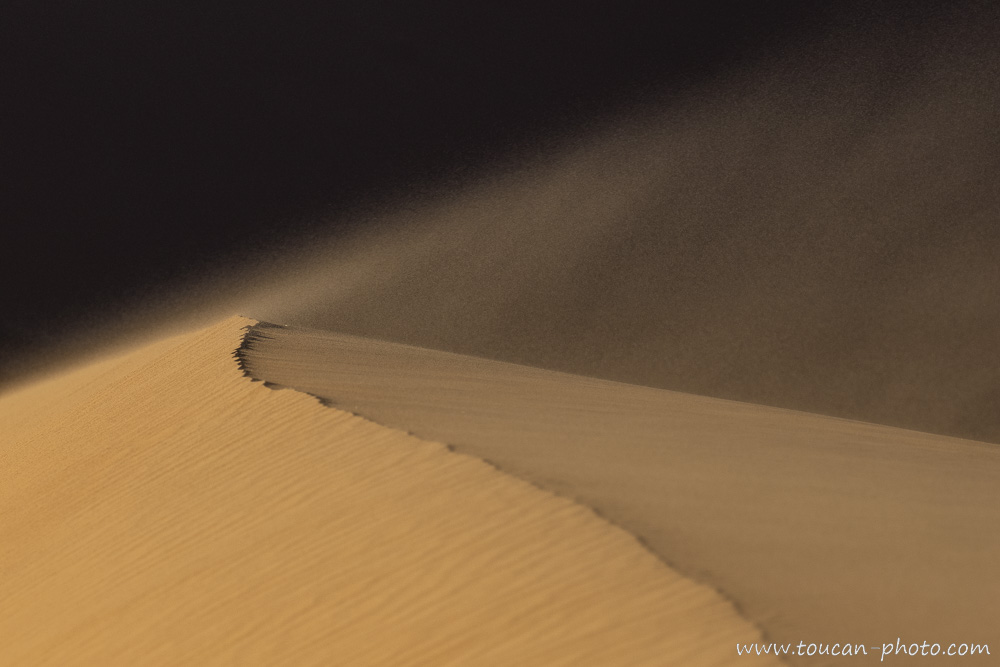
Dune crest under the breath of the Sahara - Algeria

Dune crest under the breath of the Sahara – Algeria

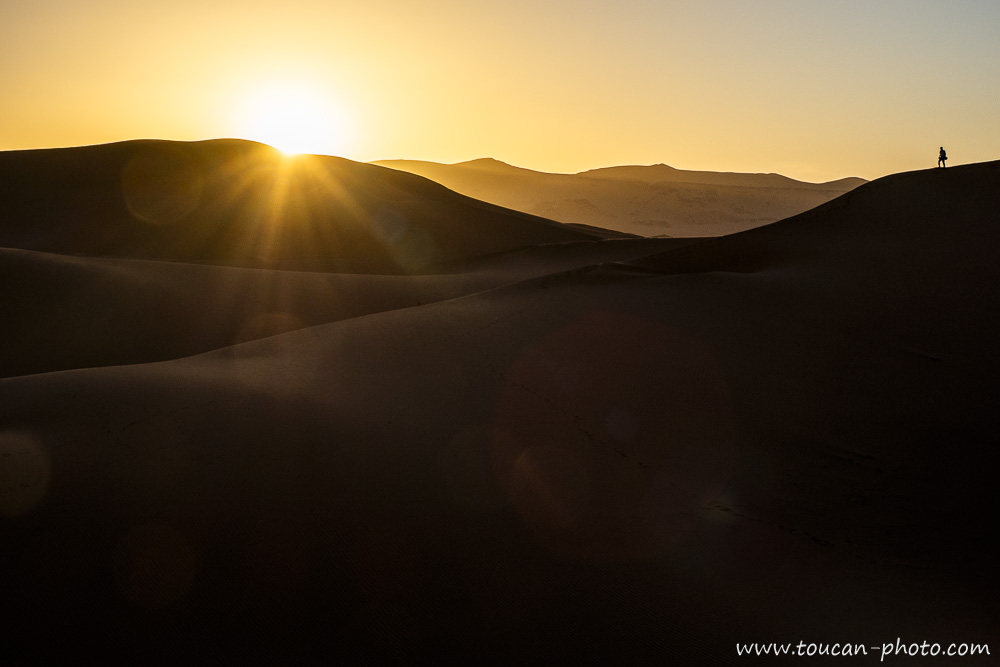
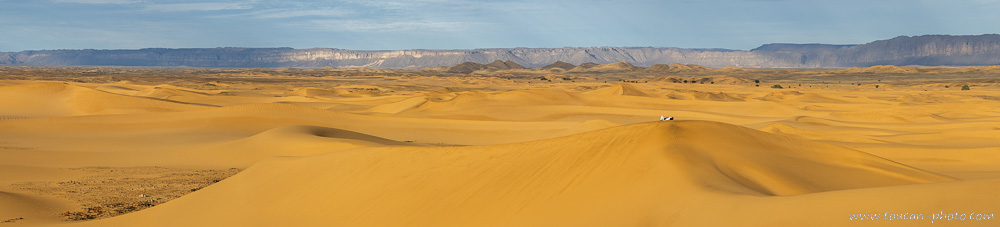
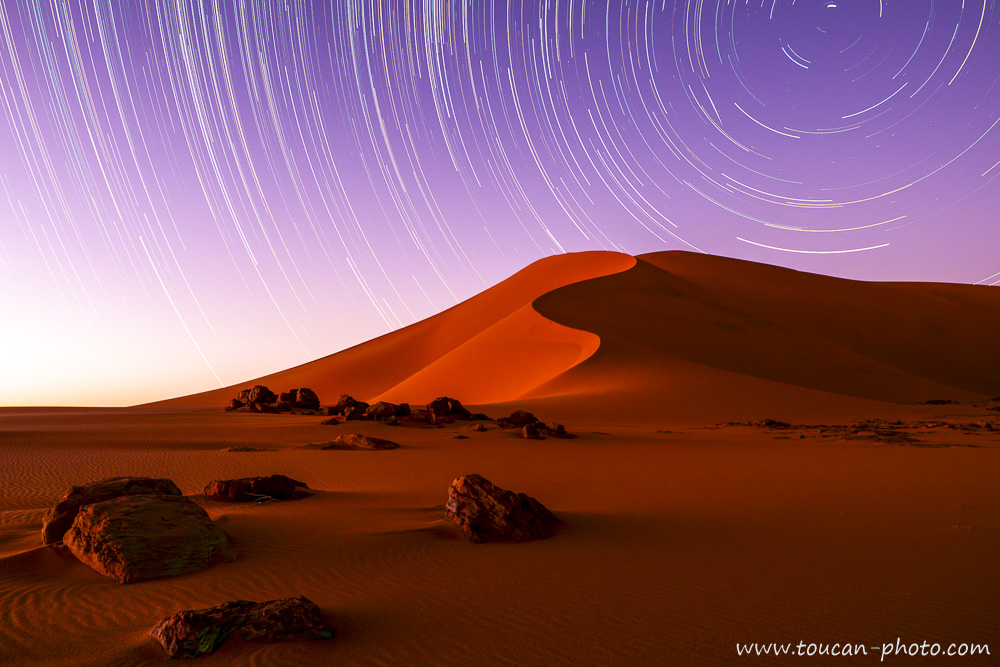
Under the low-angled light, a dune in the Algerian Sahara dissolves into the wind, a reminder of the shifting nature of the desert.

Every year, nearly 180 million tons of dust and sand rise from the Sahara, driven by the wind. Some of these particles then begin a spectacular journey, crossing the Atlantic over thousands of miles.

Carried by the trade winds, this Saharan dust reaches the Caribbean and South America, where it settles notably over the Amazon basin. It brings essential nutrients, particularly phosphorus, which is vital for soil fertility and the maintenance of the rainforest. Without this regular influx from the desert, one of the planet’s richest ecosystems in biodiversity could not renew itself in the same way.

Thus, this sand torn from the Saharan dunes recalls a fundamental truth: even the most arid and inhospitable environments play an essential role in the balance of life, linking deserts and tropical forests within a single global cycle.
The Pale Crag Martin (Ptyonoprogne obsoleta): Messenger of the Sands

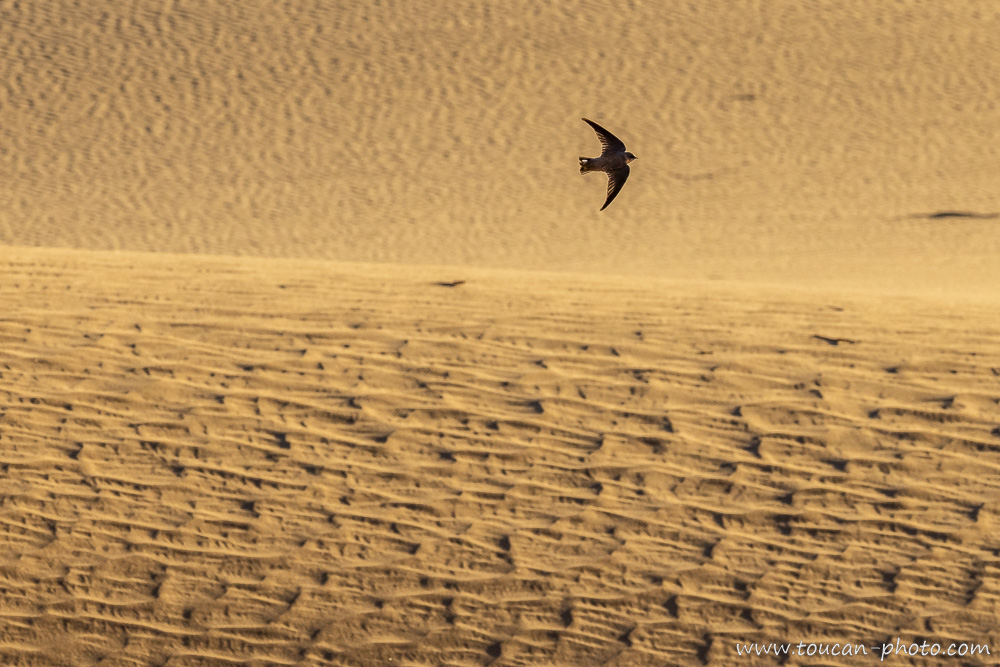
Pale Crag Martin (Ptyonoprogne obsoleta) in flight over the Algerian desert

Silent and light, it pierces the scorching air like a brown arrow.

Silent and light, the Pale Crag Martin (Ptyonoprogne obsoleta) pierces the scorching air like a brown arrow.

It traces arabesques above the dunes, a faithful companion to the wind and the light. Its fleeting silhouette seems to float between sky and earth, a reminder that even in the heart of the mineral vastness, life finds its place and dances with grace. Perfectly adapted to arid environments, this species often nests in the rocky walls of Saharan canyons and wadis.

Desert Bonds: A Moment of Connection in Immidir (Algeria)

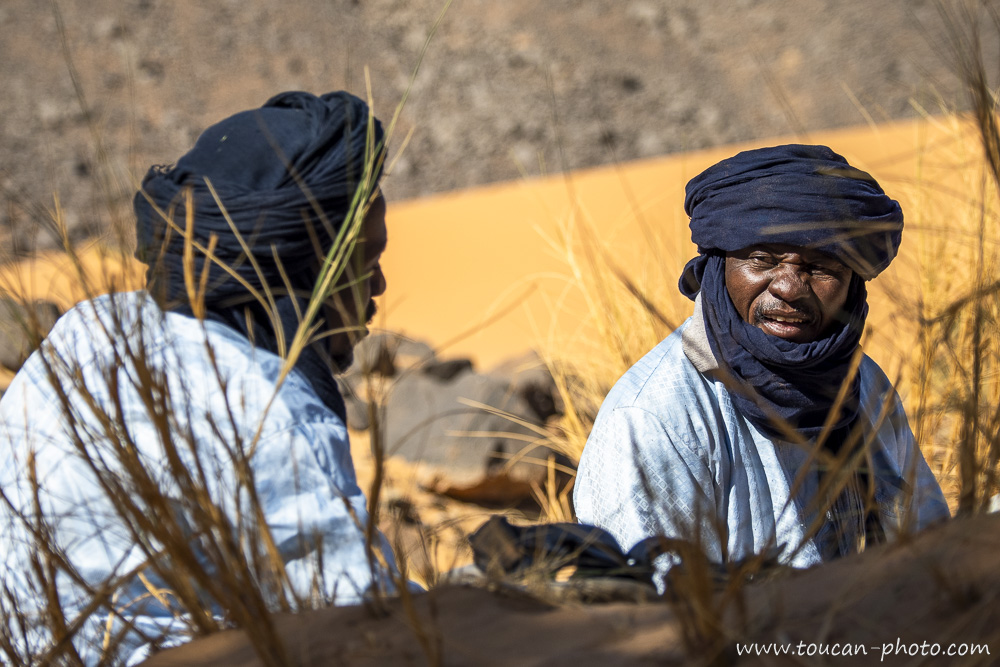
Two Tuareg men sharing a moment in the Immidir desert, Algeria

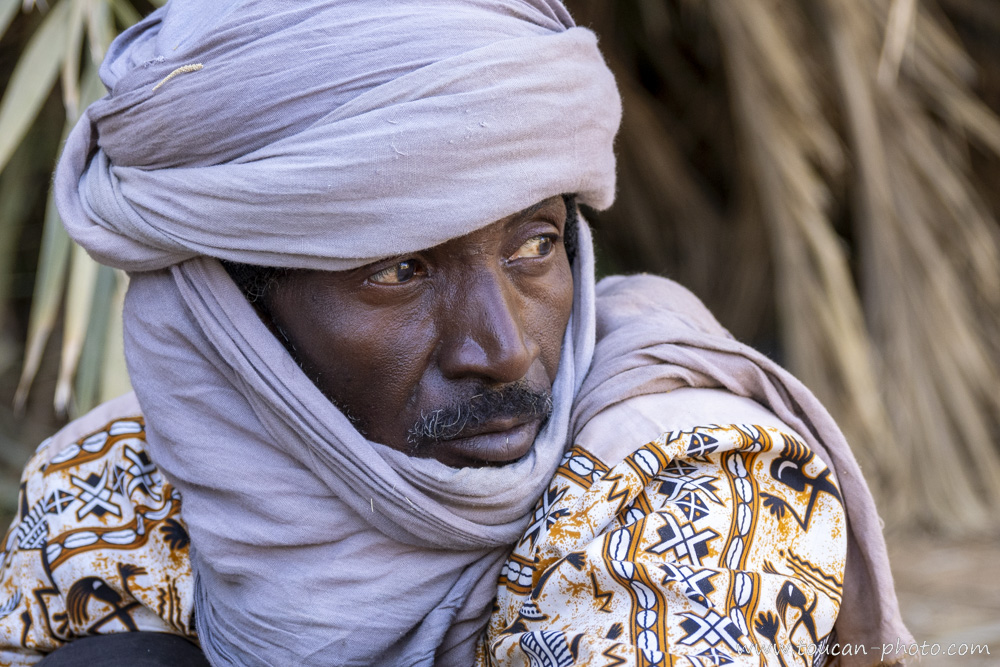
Their weathered faces tell as many stories as the landscape that surrounds them.

Two Tuareg men exchange looks and words in the heart of the Algerian Sahara.

Their weathered faces tell as many stories as the landscape that surrounds them—a harsh yet familiar Sahara made of stones, sand, and silence. Their dark tagelmusts (chechs) contrast with the brilliant desert light, filtered through the golden grasses of the foreground. This scene from Immidir illustrates the strength of human bonds within the mineral vastness.

When the Desert Remembers – Algeria, Immidir Massif

When

When the Desert Remembers – Algeria, Immidir Massif


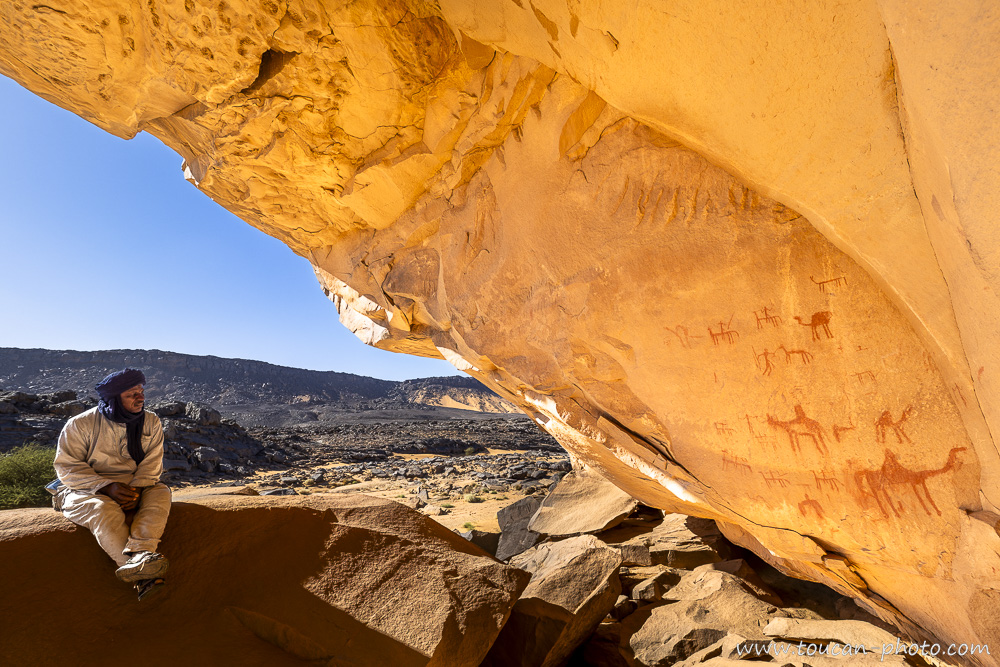
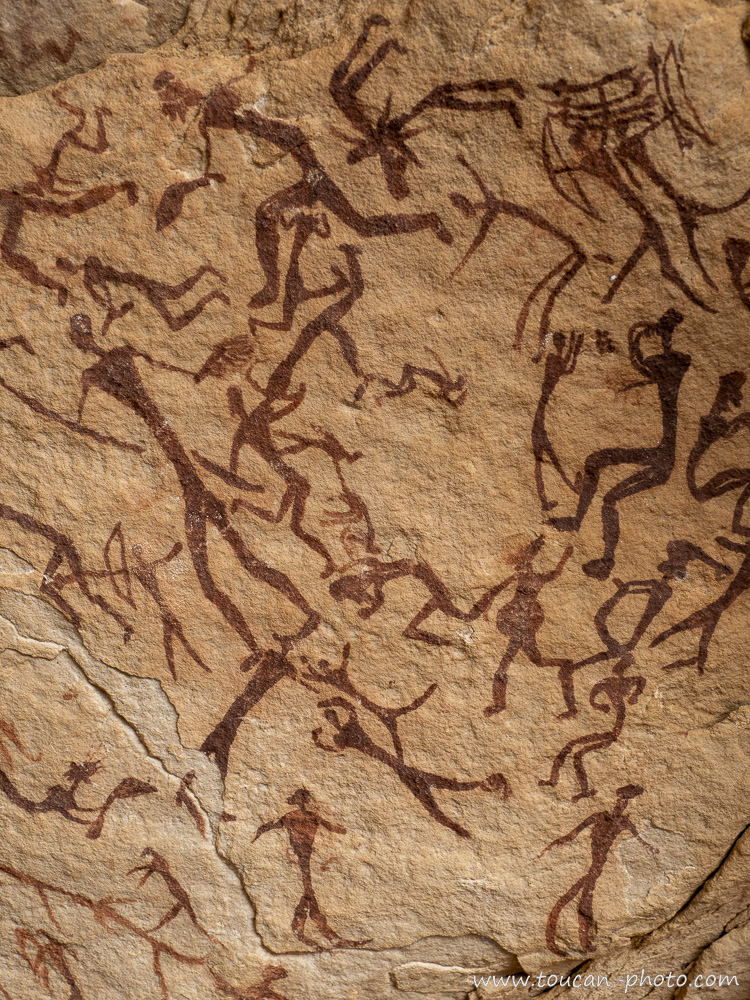
In the heart of the Immidir Massif, in southern Algeria, the rocks tell a story that spans millennia. On the ochre walls of the desert, ancient paintings and engravings bear witness to human presence at a time when the Sahara was still green. Stylized human figures, hunting and dancing scenes, animals now long gone from the region—each stroke, each shape reveals a fragment of life, an ancient link between humans, nature, and the sacred. The rock art of Immidir, discreet yet powerful, carries the memory of a forgotten world.

Rainbow Over the Rocks of the Immidir

Rainbow

Rainbow Over the Rocks of the Immidir – Algéria


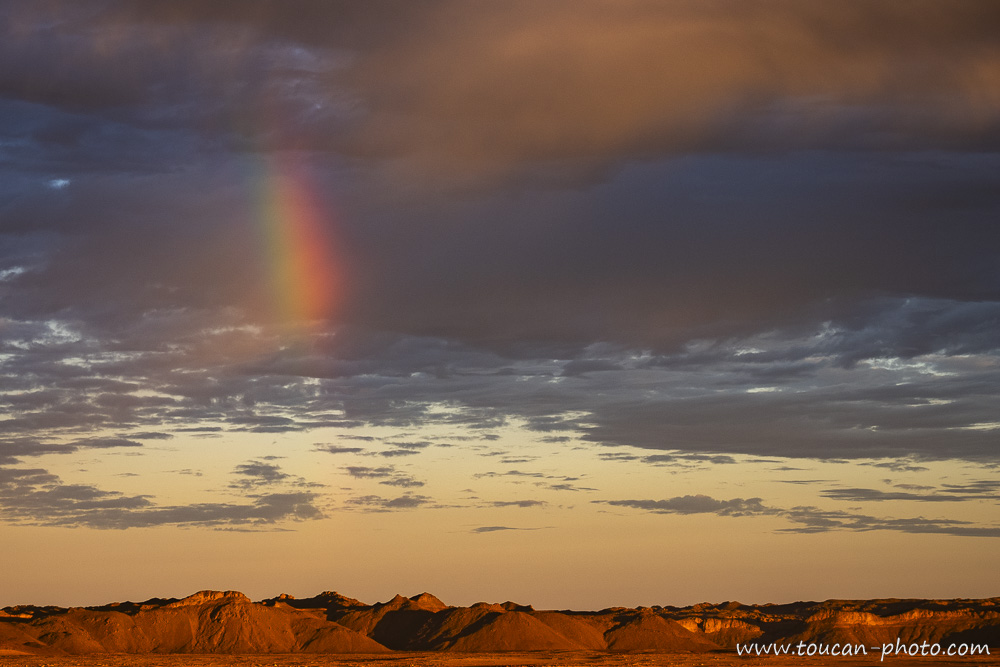
In the Immidir mountains, south of Algeria’s Hoggar range, the arid landscape occasionally unveils surprising scenes.
Here, a partial rainbow breaks through heavy skies, though no rain is in sight. This optical phenomenon, caused by suspended micro-droplets, stands in stark contrast to the surrounding dryness.
The landforms glow with coppery tones in the low evening light.
For a fleeting moment, geology and atmosphere converge in harmony.

Desert Memories – Human Figures from the Immidir

Desert

Desert Memories – Human Figures from the Immidir


In the heart of the Immidir massif, in southern Algeria, the rocks tell a story thousands of years old. On the ochre walls of the desert, rock paintings and engravings bear witness to human presence during a time when the Sahara was still green. Stylized human figures, hunting scenes, dances, and animals now vanished from the region — each line, each form reveals a fragment of life, an ancient bond between people, nature, and the sacred.
The rock art of the Immidir, discreet yet powerful, keeps alive the memory of a forgotten world.

?>
Next page