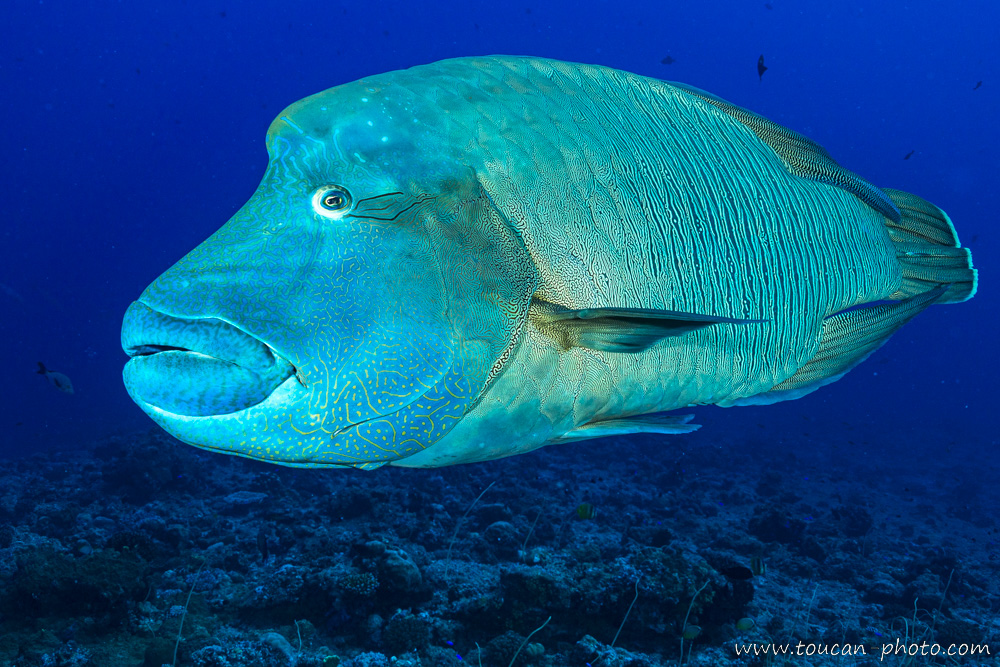
Napoléon (Cheilinus undulatus), Palau
Palau is an archipelago of more than 300 islands in the western Pacific Ocean, at the heart of Micronesia. Its history has been shaped by Spanish, German, Japanese and American administrations before gaining independence in 1994. In 1944, during Operation Stalemate II, the battles fought to recapture the islands left numerous shipwrecks and aircraft resting on the seabed.
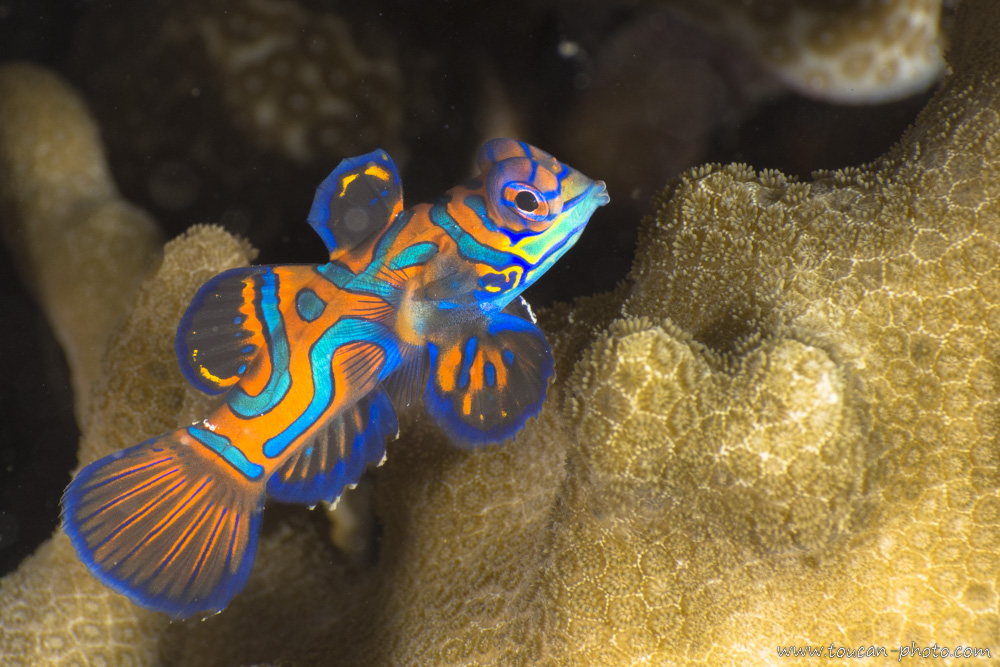
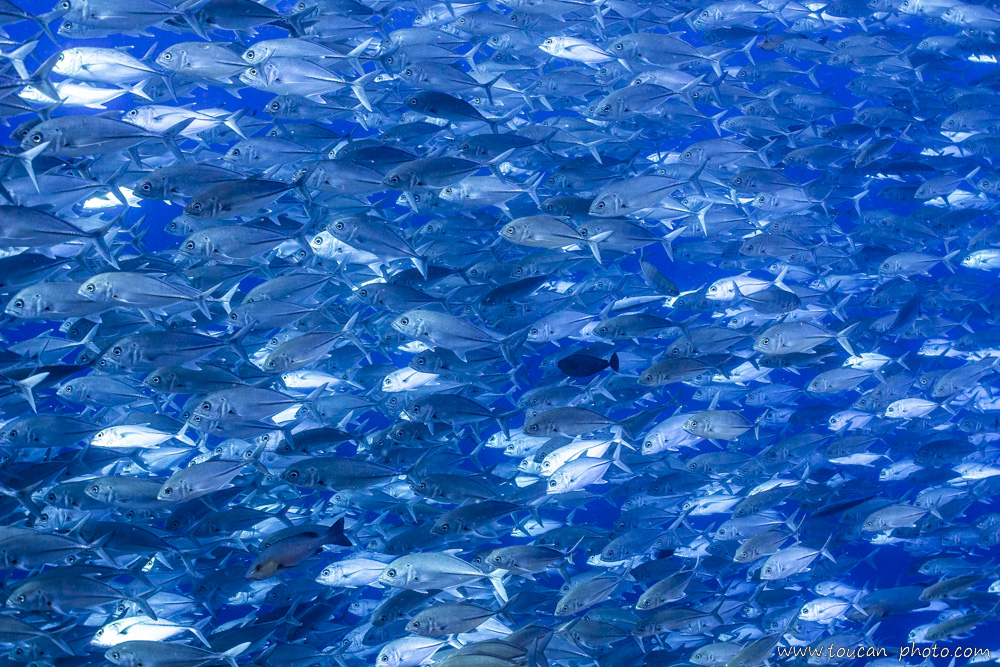
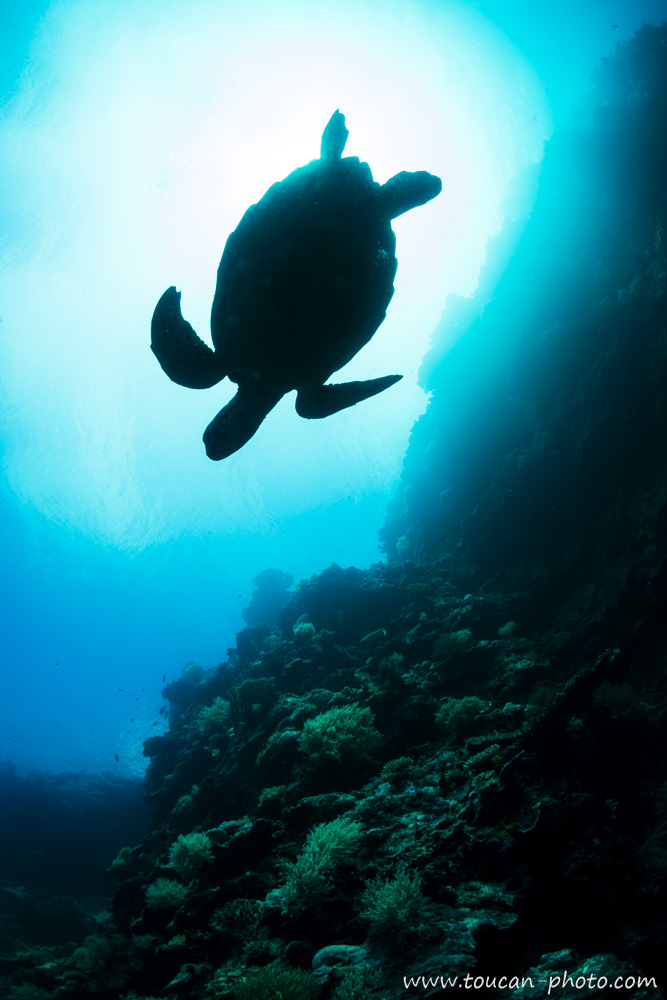
Over time, these remnants of the Second World War have become thriving artificial reefs. Colonised by corals, sponges and countless marine organisms, they now provide shelter for an extraordinary diversity of marine life. Palau is also renowned for its spectacular coral reefs, dramatic drop-offs, current-swept channels and the famous Jellyfish Lake, home to millions of harmless jellyfish. Grey reef sharks, manta rays, sea turtles and immense schools of tropical fish have made the archipelago one of the world’s greatest diving destinations. Committed to protecting this exceptional natural heritage, Palau has also established one of the world’s largest marine sanctuaries, safeguarding most of its territorial waters from industrial fishing.
Through these photographs, I invite you to discover an archipelago where history and nature meet beneath the surface, transforming the remnants of the past into vibrant sanctuaries for marine life.
The Palau archipelago, located in the Western Pacific east of the Philippines, consists of more than 250 islands. Most are uninhabited, covered in primary tropical rainforest and mangroves. While this description already promises adventure, the existence of a lake populated by millions of jellyfish on one of these islands makes the region truly extraordinary.