The Abyssinian Wolf, Watcher of the Ethiopian Highlands

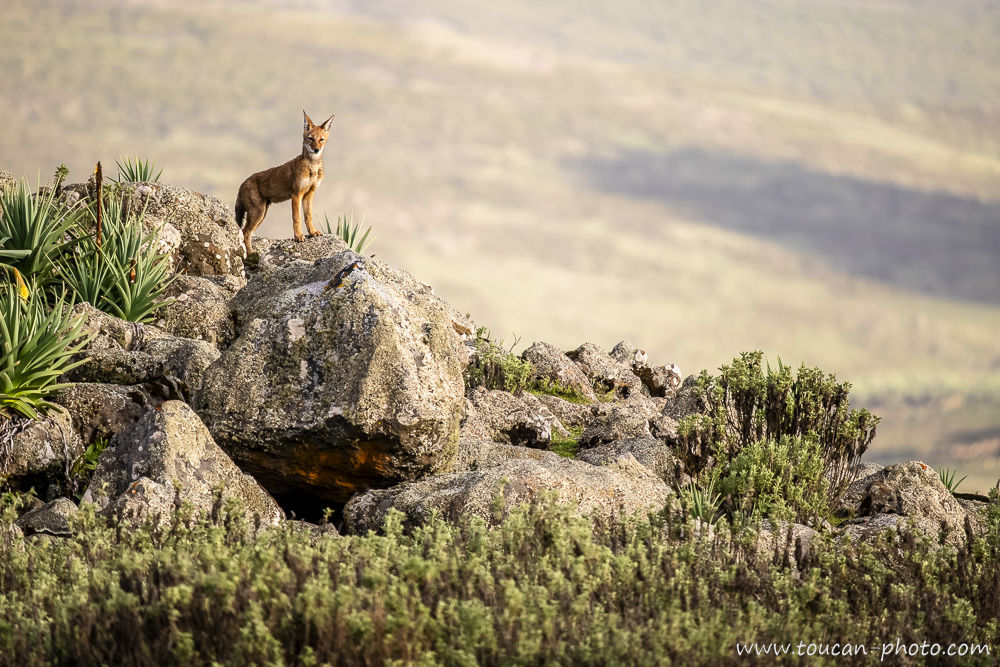
Ethiopian Wolf (Canis simensis) on the Ethiopian highlands

The Ethiopian Wolf, guardian of the Abyssinian highlands.

Standing alone on the Abyssinian highlands, the Ethiopian wolf scans the horizon, a fragile witness to a unique high-altitude ecosystem.

This slender predator, perfectly adapted to the vast alpine spaces, is now one of the most endangered mammals on the African continent. Suffering from habitat fragmentation and diseases transmitted by domestic dogs, only about 500 individuals are thought to remain in the wild. Its reddish silhouette against the moorlands embodies the wild and precarious beauty of the Bale and Simien Mountains, where every individual is vital to the survival of this endemic species.

Bioluminescence of Krill Rising to the Surface at Nightfall (likely Euphausia sibogae) – Arabian Sea, Oman

Bioluminescence of Krill surfacing at nightfall, (likely Euphausia sibogae) - Arabian Sea, Oman

Bioluminescence of Krill surfacing at nightfall, (likely Euphausia sibogae) – Arabian Sea, Oman.

At nightfall, krill rise from the depths to the surface, driven by the planet’s largest daily animal migration.

There, tossed by the waves, it releases a cold, bluish light. Its bioluminescence, emitted by small organs called photophores, creates fleeting flashes on the water’s surface. This shimmering sometimes transforms the nocturnal ocean into a sea of living stars, shifting and silent.

Mobulas Rays (Mobula tarapacana), Sea Devils or Gentle Giants? – Azores, Portugal

Mobula rays (Mobula tarapacana), Sea devils or gentle giants? - Azores, Portugal

Mobula rays (Mobula tarapacana), Sea devils or gentle giants? – Azores, Portugal.

Mobula rays, cousins of the majestic manta rays, have long been nicknamed “sea devils” by fishermen around the world.

Their impressive silhouette, their two horn-shaped cephalic fins, the stinger at the base of their dorsal fin, and especially their spectacular habit of leaping out of the water, have fueled many fears and legends. Among the most whimsical tales, it was said that mobulas could grab boat anchors with their curled horns to drag vessels into the abyss. Though harmless to humans, they were also accused of trapping pearl divers or freedivers under their immense “cloak” to drown them. These beliefs, born of ignorance and seafaring imagination, contrast today with the fascination inspired by their elegance, their quiet power, and their essential role in the balance of marine ecosystems.

Reunion among the Mongolian farmers

A colorful meeting for a sensitive debate - Mongolia

A colorful meeting for a sensitive debate.

This photo was taken in 2015 in Ulaanbaatar, the capital of Mongolia.

Large livestock owners from all over the country met once again to discuss the consequences of the latest “white dzud” that had just hit Mongolia. A “dzud” is a climatic phenomenon (sometimes a summer drought, sometimes a freezing winter, or sometimes a combination of both) that leads to the death of many head of livestock. In recent years, “dzuds” have been occurring one after another. Annual losses are counted in the millions of animals.

Birth of the Day over the Dunes – Rub al Khali desert, Sultanate of Oman


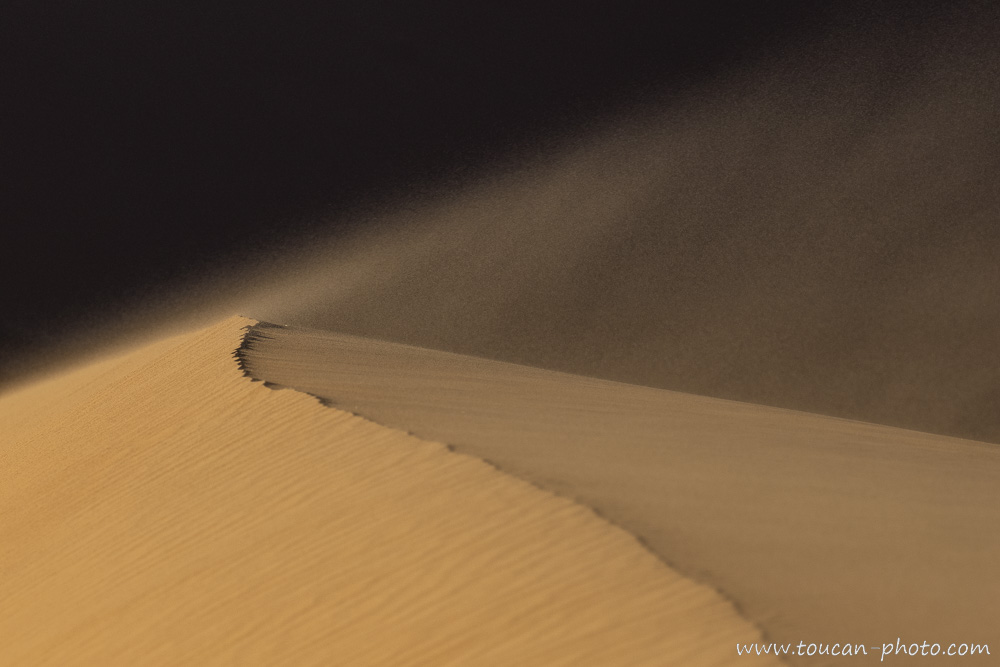
Daybreak over the dunes - Rub al Khali Desert, Sultanate of Oman

Daybreak over the dunes – Rub al Khali Desert, Sultanate of Oman.


👁️ View the 360° virtual tour

As night slowly gives way to light, the dunes awaken in a golden breath.

Shadows glide along the ridges, colors stretch out, and the desert reveals itself, silent, in all its majesty. At dawn, every wave of sand becomes a mountain, every ray of sunlight a promise of infinity.

This virtual tour allows you to immerse yourself in the heart of these sand giants and contemplate the purity of the lines shaped by the wind in one of the most arid deserts in the world.

Desert Memories – Human Figures from the Immidir

Traces of Humanity – Rock Art in the Immidir Massif

Traces of Humanity – Rock Art in the Immidir Massif.

In the heart of the Immidir massif, in southern Algeria, the rocks tell a story spanning thousands of years.

On the ochre walls of the desert, rock paintings and engravings bear witness to human presence at a time when the Sahara was green. Stylized human silhouettes, hunting or dancing scenes, animals now vanished from the region — every stroke, every figure reveals a fragment of life, an ancient link between humanity, nature, and the sacred. The rock art of Immidir, subtle yet powerful, extends the memory of a forgotten world.

Eurasian ermine (Mustela erminea) – France

Stoat (Mustela erminea) in its natural habitat - France

The Stoat (Mustela erminea), an agile sentinel of the French mountains.

Lively and bold, this small carnivore is a master of camouflage and survival in rugged landscapes.

Famous for its coat that changes color with the seasons, the stoat trades its brown summer dress for immaculate white fur in winter, keeping only the deep black tip of its tail. This photograph captures the curious and alert expression of this mustelid, capable of slipping into the smallest crevices to track its prey. Despite its small size and elegant appearance, the stoat is a formidable and tireless predator, symbolizing the vital force that animates the mountainous and hedgerow environments of our regions.

Male Mountain Nyala (Tragelaphus buxtoni) – Bale Mountains, Ethiopia

Male

Male Mountain Nyala (Tragelaphus buxtoni) – Bale Mountains, Ethiopia


Shy and elusive, the mountain nyala lives only on the Ethiopian highlands, among misty heather forests, alpine meadows, and shadowy clearings. Fewer than 4,000 individuals remain in the wild, most of them confined to the Bale Mountains — the species’ last stronghold.

Males are especially striking: larger and darker than females, they bear long, spiraled horns and a dark crest along their back that stands erect during tension or display. These features make them elegant, ghost-like figures of the high-altitude forests — rare, silent, and hard to glimpse.

?>
Next page