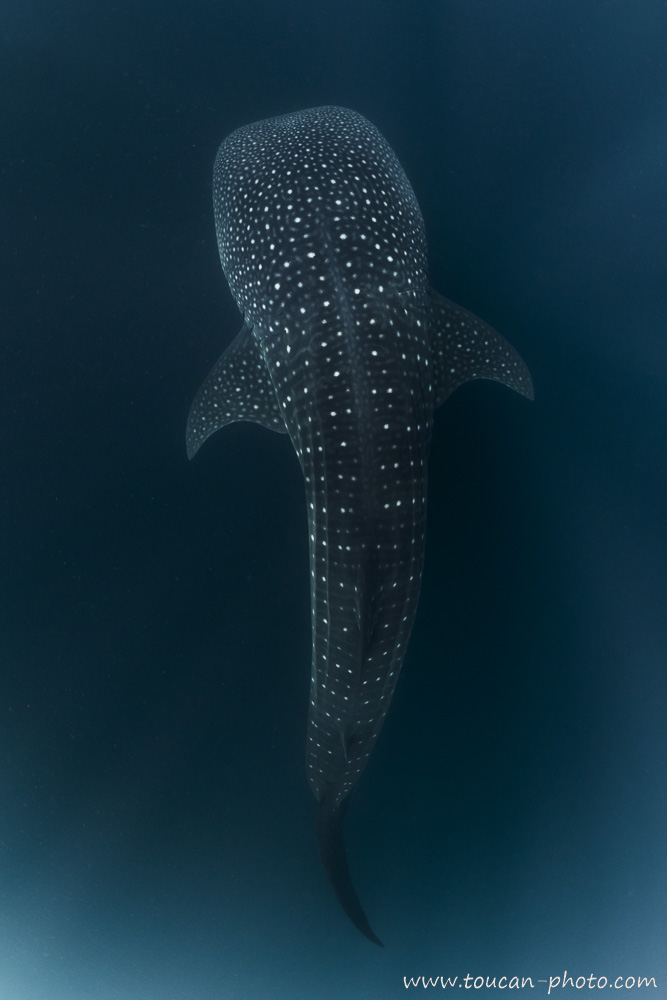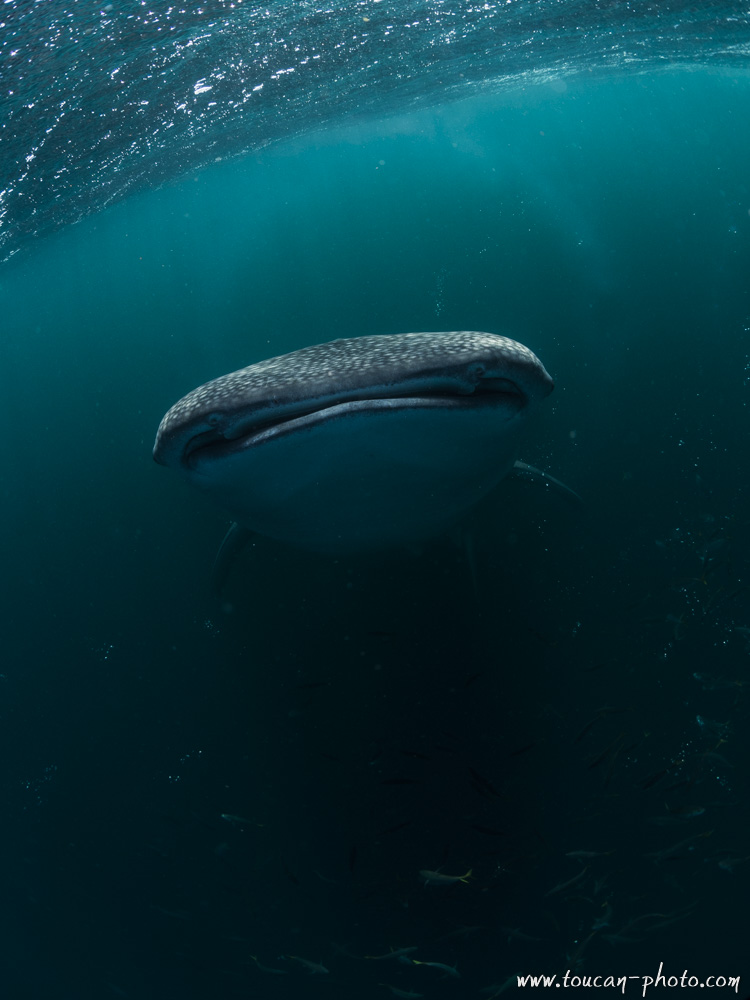
Whale shark (Rhincodon typus) in the waters of the Gulf of Tadjoura

Whale shark (Rhincodon typus) in the waters of the Gulf of Tadjoura - Djibouti

Silhouette of a whale shark (Rhincodon typus) in the Gulf of Tadjoura – Djibouti

Emerging from the depths of the Gulf of Tadjoura, the whale shark reveals its massive silhouette, adorned with a constellation of white spots unique to each individual.

Despite its impressive size, this sea giant is a harmless filter feeder that lives almost exclusively on plankton. In the waters of Djibouti, encountering the world’s largest fish is a moment of suspended grace. Its thick, starry skin acts like a digital fingerprint, allowing researchers to identify and track individuals across the oceans.

This top-down view highlights the whale shark’s hydrodynamic elegance. Moving with majestic slowness, it reminds us of the vulnerability of giants in a changing environment. Protecting its feeding grounds, as seen here in the Horn of Africa, is vital for the survival of this iconic species, currently listed as endangered.

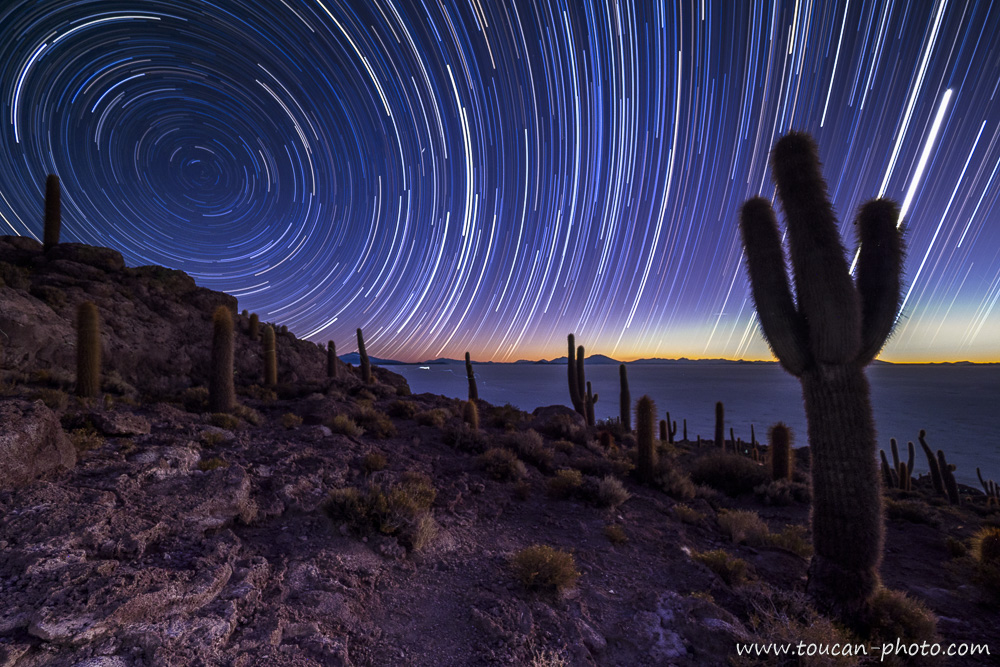
Giant Cacti under the Stars of Salar de Uyuni (Bolivia)

Giant Trichocereus pasacana cacti under the starry sky of Salar de Uyuni, Bolivia

On Isla Incahuasi, these motionless giants seem to be in dialogue with the stars.

Standing like sentinels in the heart of the salt desert, the Trichocereus pasacana cacti watch over the white immensity of the Salar de Uyuni.

These botanical colossi grow with infinite slowness—barely one centimeter per year—with some reaching over ten meters in height after several centuries of life. Their time-sculpted silhouettes stand out beneath the night sky, silent witnesses to the freezing nights and scorching suns of the Altiplano. On Isla Incahuasi, these motionless giants seem to be in dialogue with the stars, anchored in volcanic rock for generations.

Huangshan 黄山 – Granite Sculptures at Sunrise

Sunrise over the granite peaks and pines of Huangshan Mountains, China

A living symbol of the harmony between stone, vegetation, and light.

In the silence of the early morning, the jagged peaks of Huangshan (黄山) stand out clearly against a sky tinted with rose and indigo.

These spectacular granite formations, forged by erosion over millennia, rise like natural statues, powerful and solemn. Clinging to the cliffs, the iconic Huangshan pines (黄山松) defy the laws of gravity. Their twisted silhouettes, sometimes solitary, sometimes in clusters, seem to dance with the rock. These resilient trees anchor themselves in the granite crevices, embodying longevity and strength in Chinese aesthetics. A UNESCO World Heritage site, the Huangshan Mountains—also known as the “Yellow Mountains”—are a living symbol of the harmony between stone, plant life, and light.

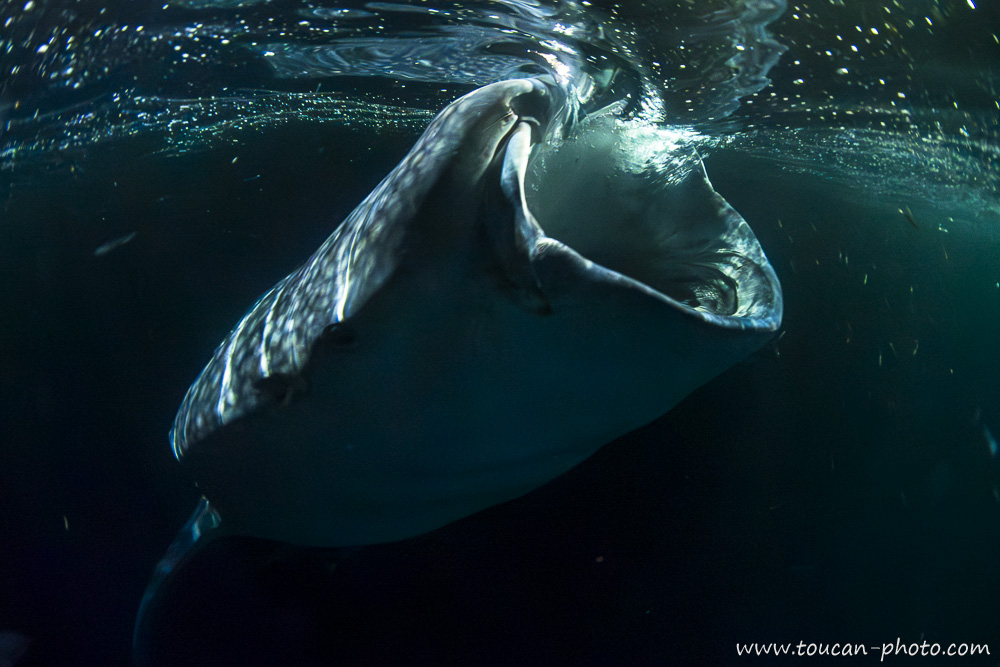
Whale Shark (Rhincodon typus) – Djibouti

Whale Shark (Rhincodon typus) - Djibouti

Whale Shark (Rhincodon typus) – Djibouti.

In the deep, dark waters of the Gulf of Tadjoura, off the coast of Djibouti, a majestic silhouette emerges: the whale shark, the world’s largest fish.

Despite its 12 to 18 meters in length, this giant is completely harmless to humans. Its existence is governed by a simple yet formidable feeding strategy: it swims slowly with its mouth agape, filtering up to 6,000 liters of water every hour to capture plankton and tiny suspended prey. Each day, it can ingest several dozen kilograms of food. The nutrient-rich waters of Djibouti, particularly between October and February, become a crucial gathering point for these behemoths, offering observers the unforgettable sight of a gentle giant gliding through the vast blue.

?>
Next page