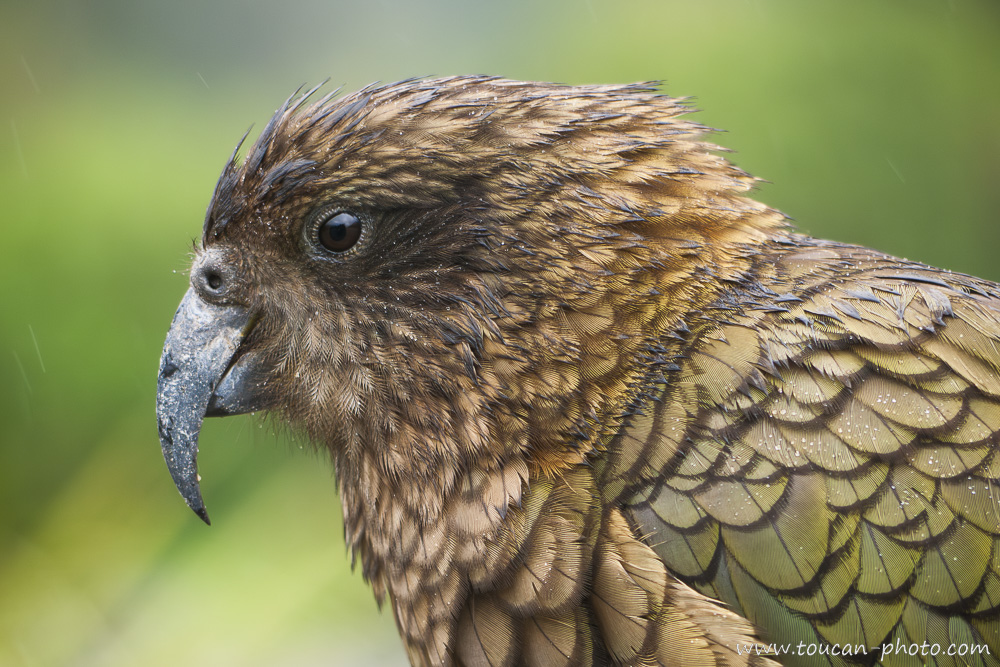
The Kea, the Rebel Intelligence of the Alps.
Behind this sharp gaze and olive-tinted plumage hides one of the most intelligent birds on the planet: the Kea.
Living exclusively in the mountainous regions of New Zealand’s South Island, this alpine parrot has an exceptional lifespan of up to 40 years. This longevity allows for an extended learning period, essential for developing its complex problem-solving skills. However, this intelligence comes with a trait well-known to travelers: an immoderate love for rubber. Door seals, windshield wipers, or hiking gear—nothing resists its powerful beak. This specimen, captured under a light drizzle, made its mark by nibbling on my tripod handle, leaving an indelible beak print—a wild “autograph” that I still cherish today as a reminder of a meeting as mischievous as it was memorable.
 Family vehicle, Cambodia















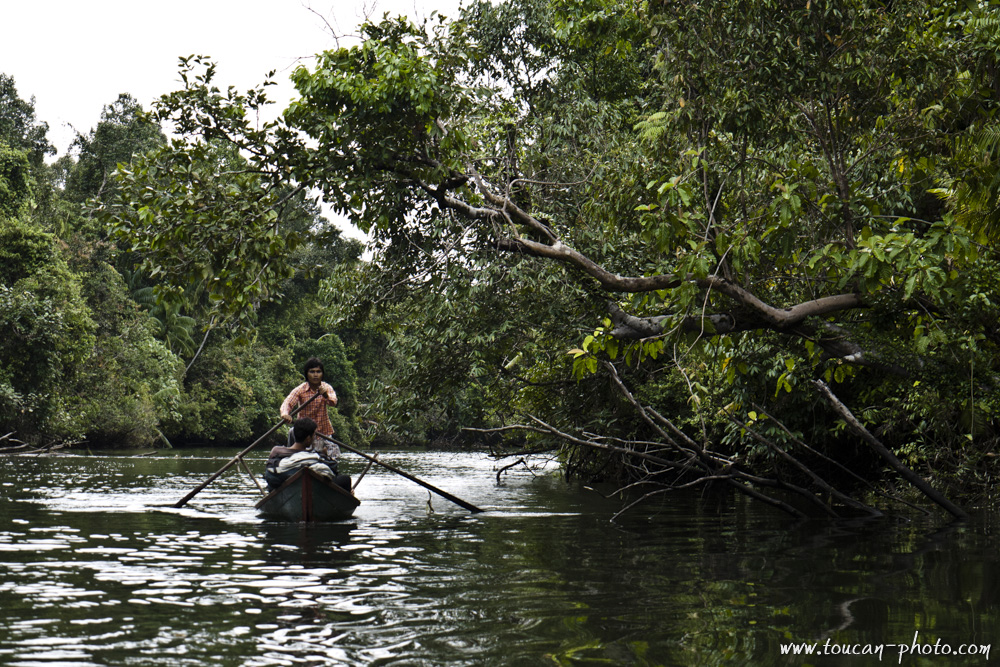 Cambodia, Kaoh Kong area
 Cambodia
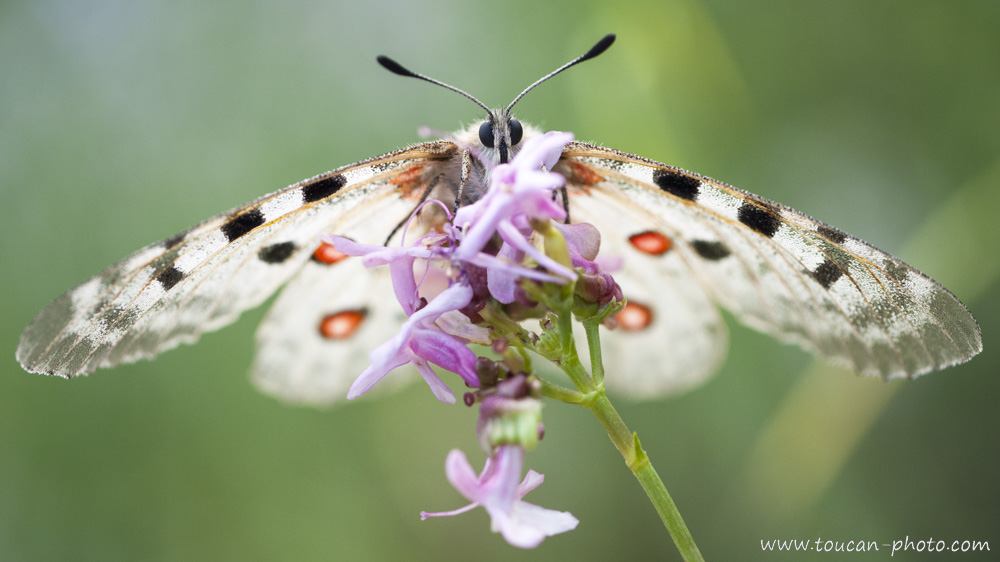
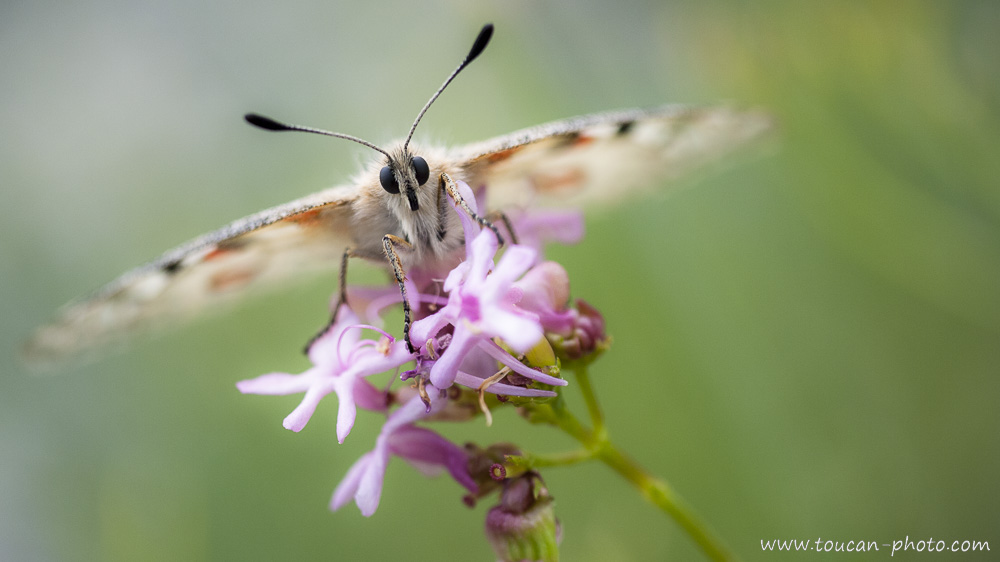
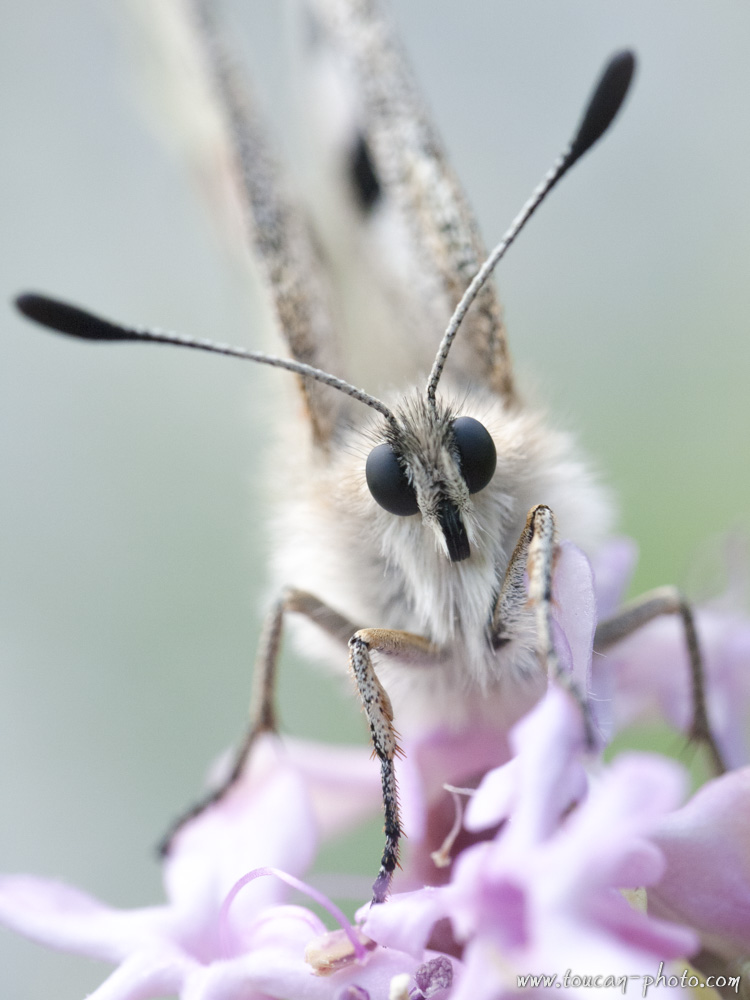 Apollo (Parnassius apollo rhodopensis)
 Young Padaung lady, Northern Thailand
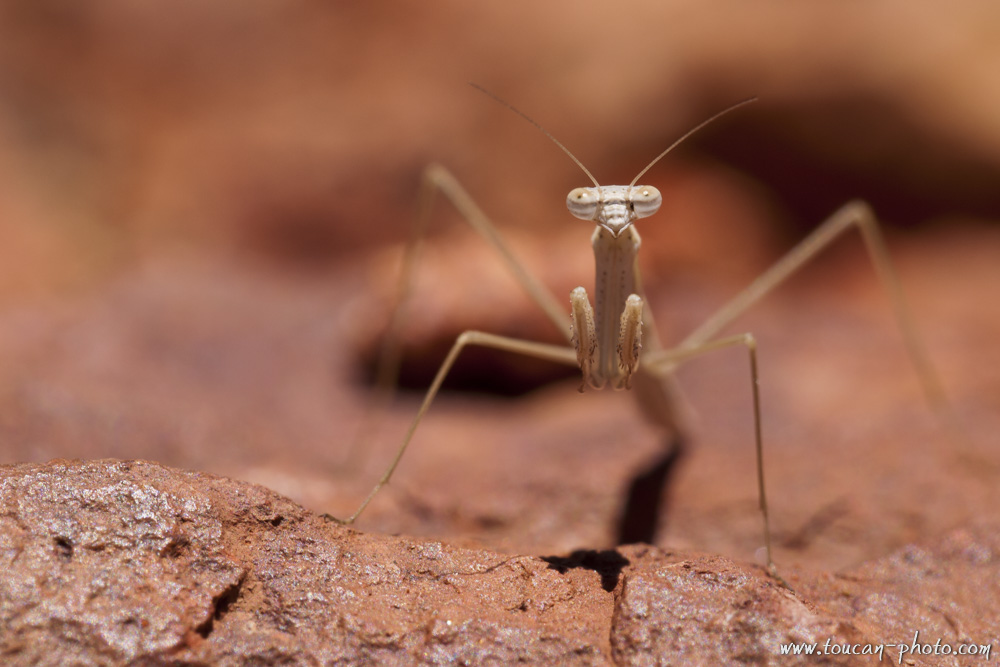 Praying mantis, Australia