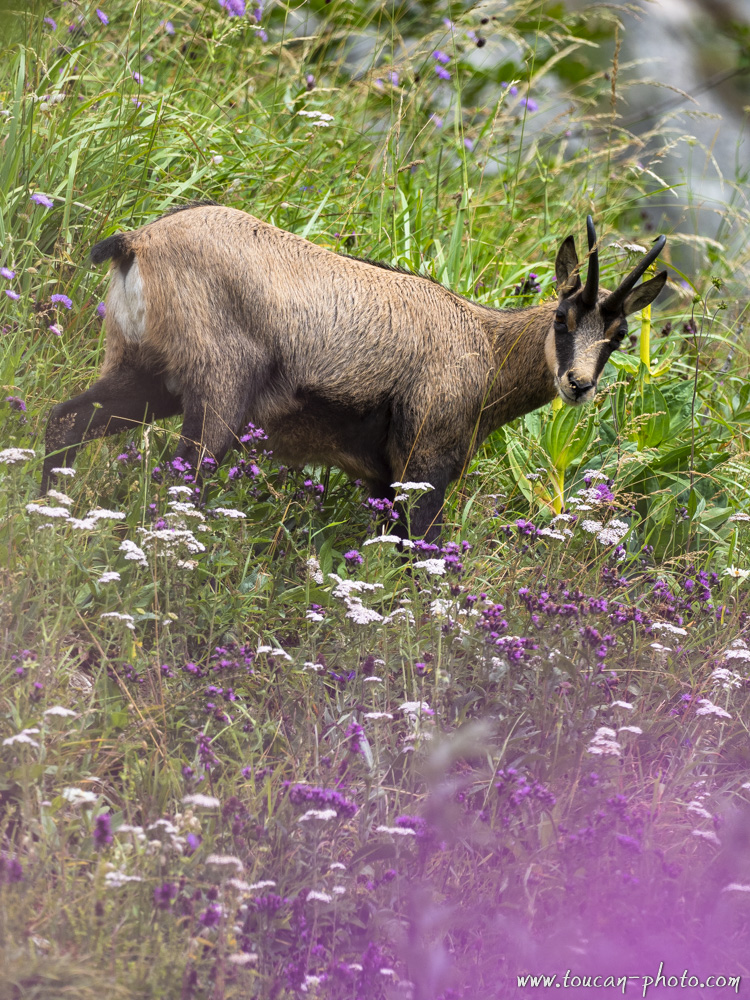
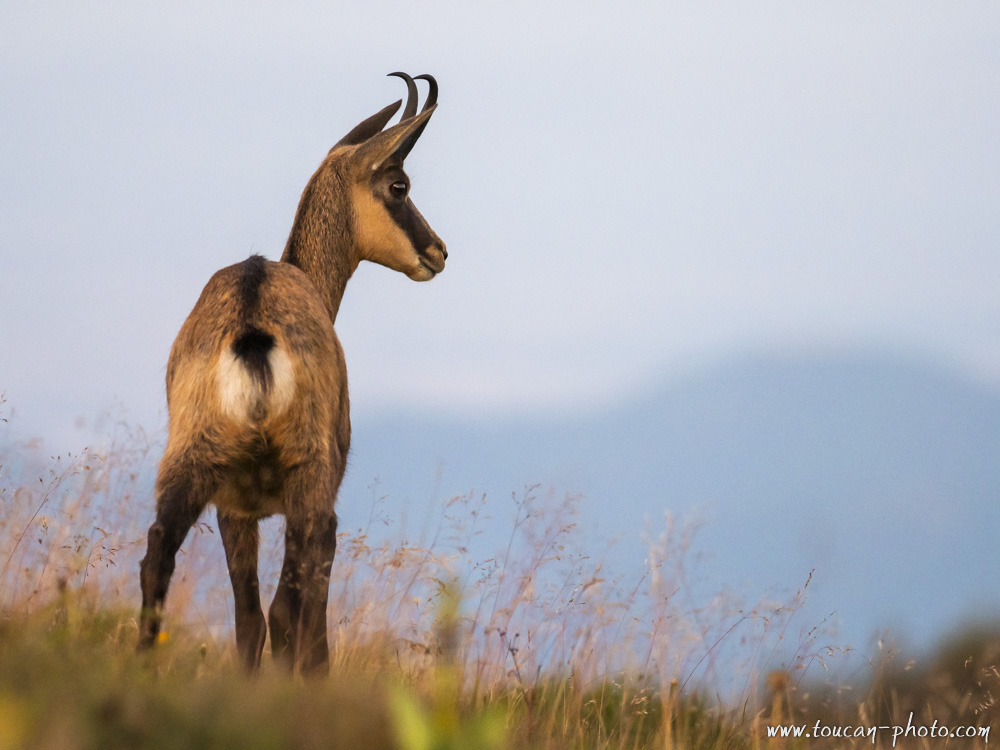
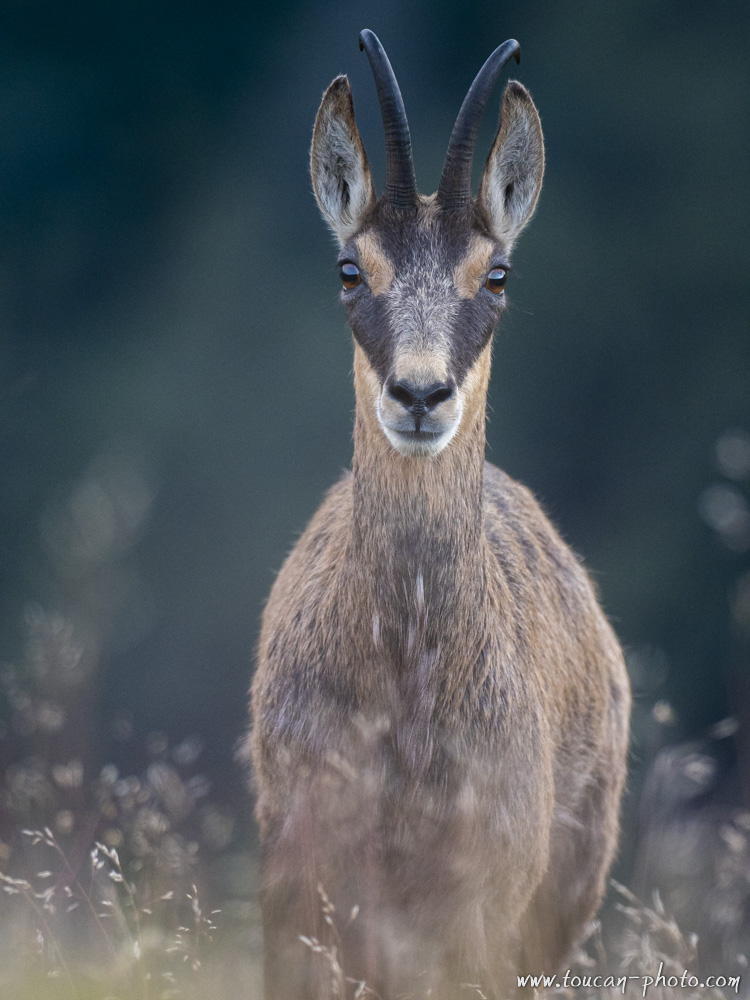
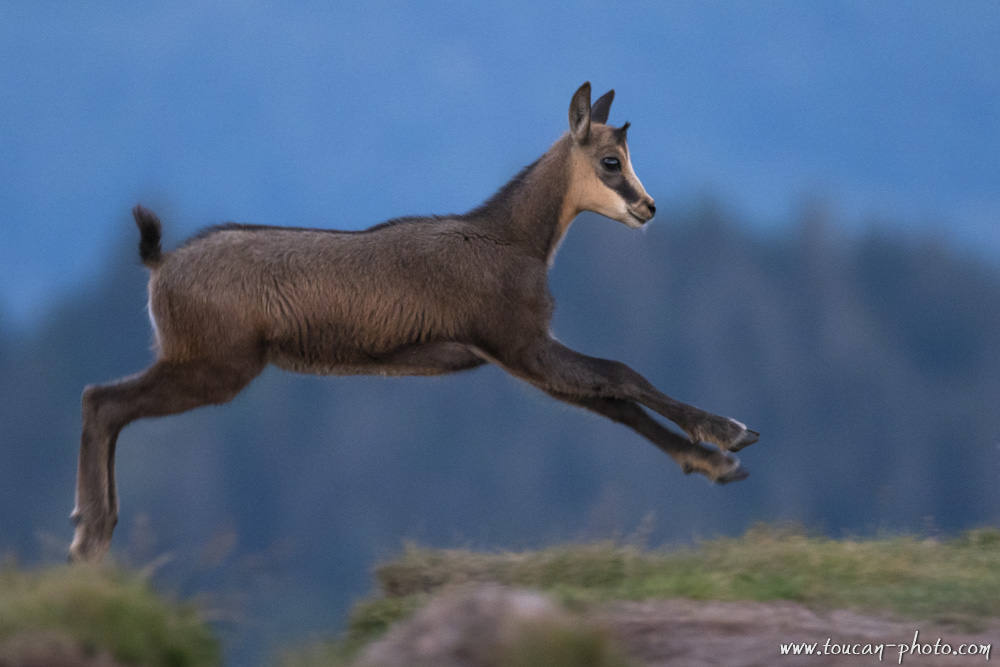
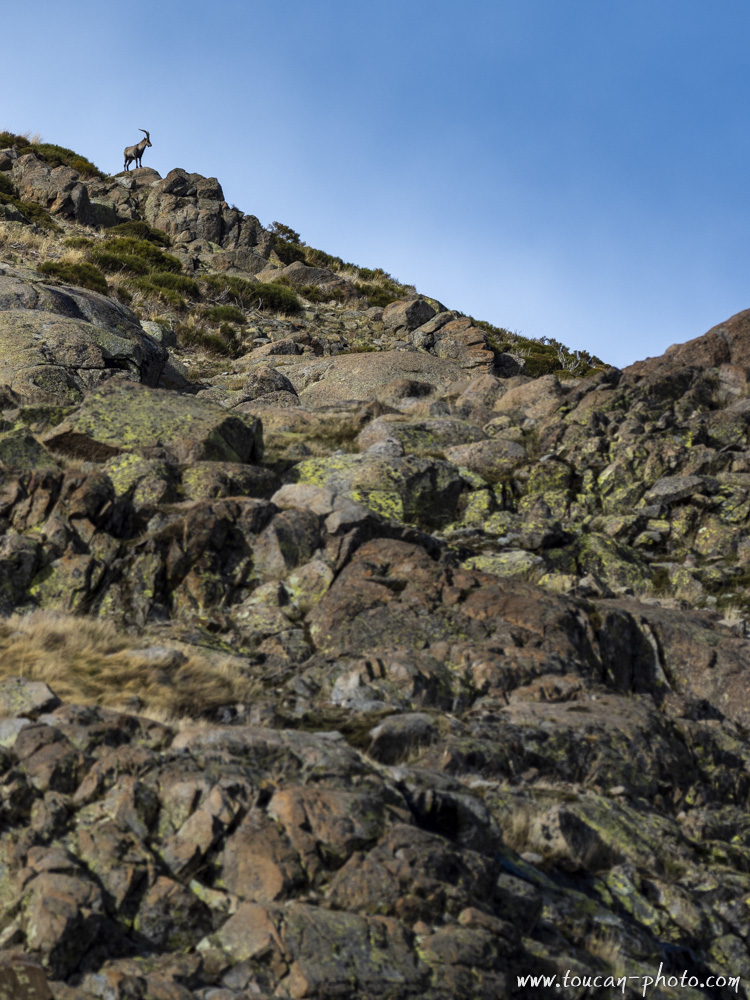
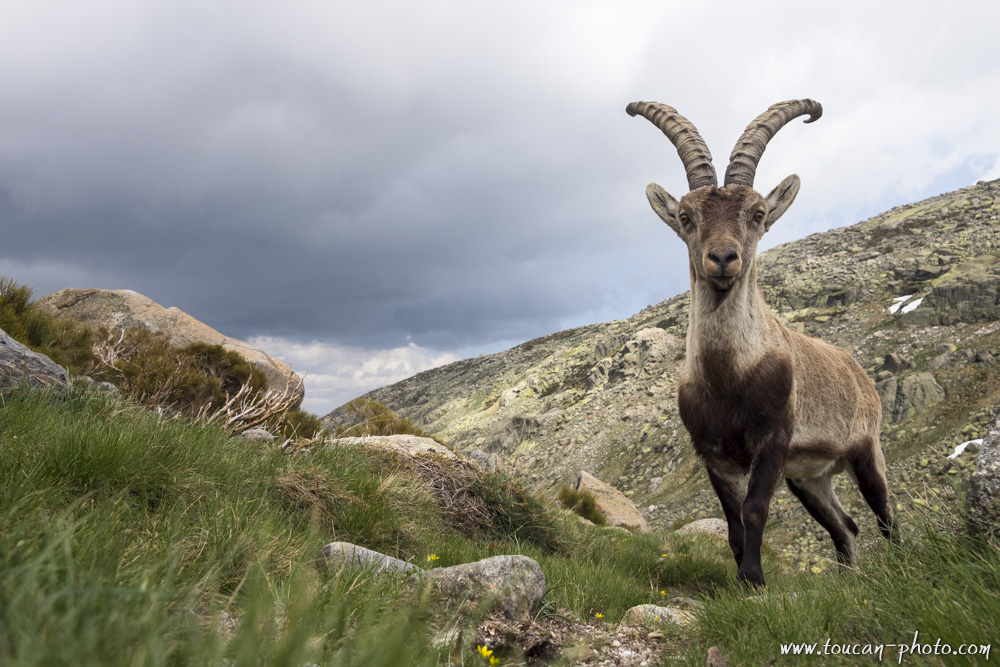
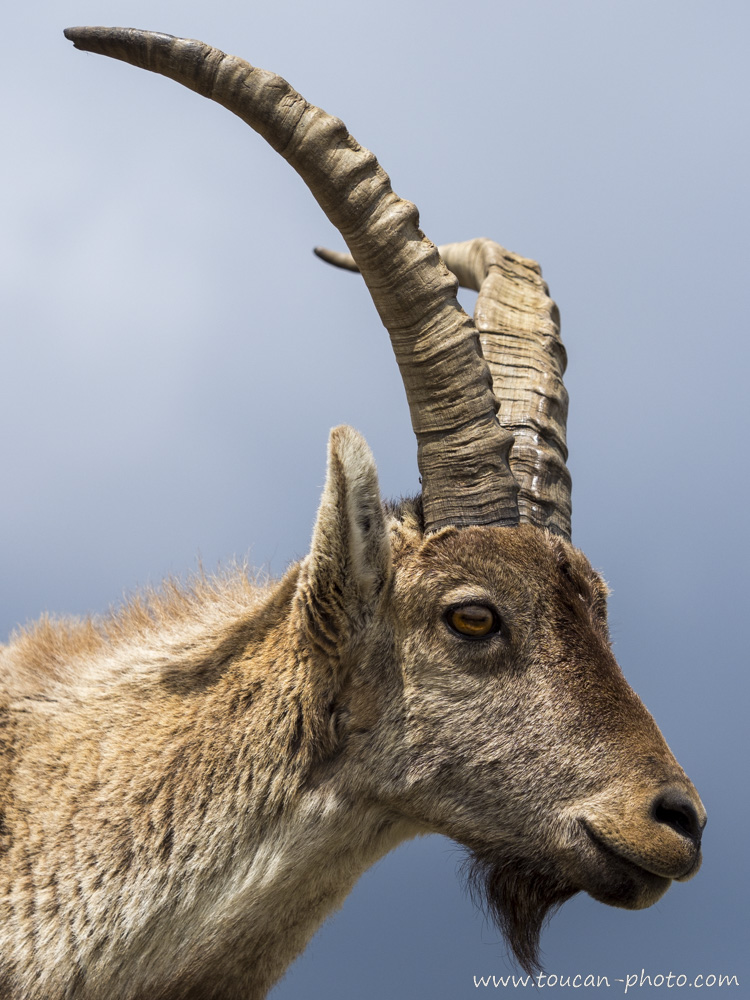
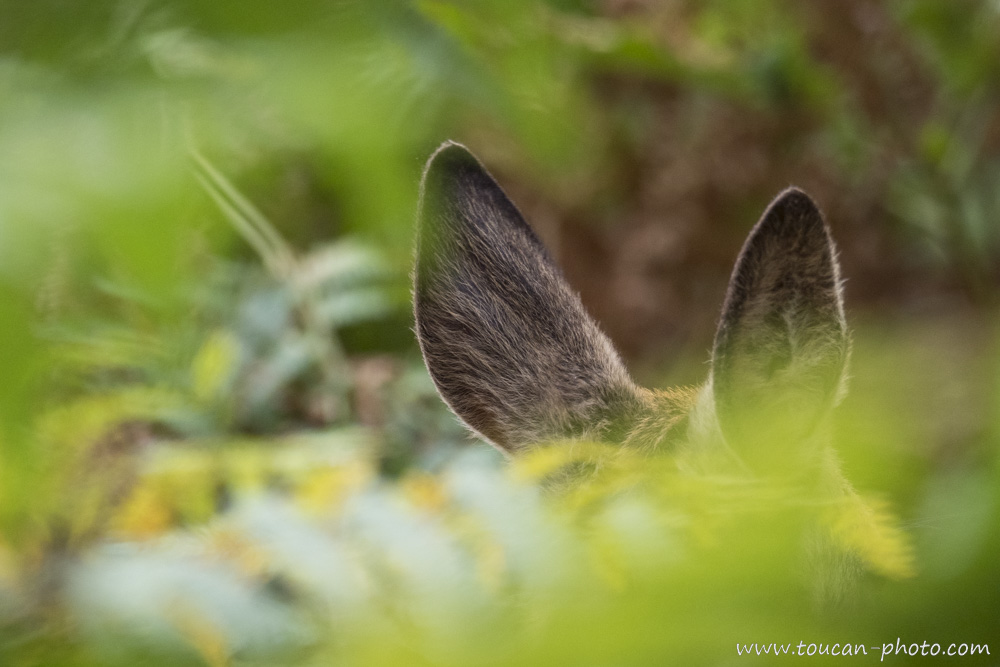
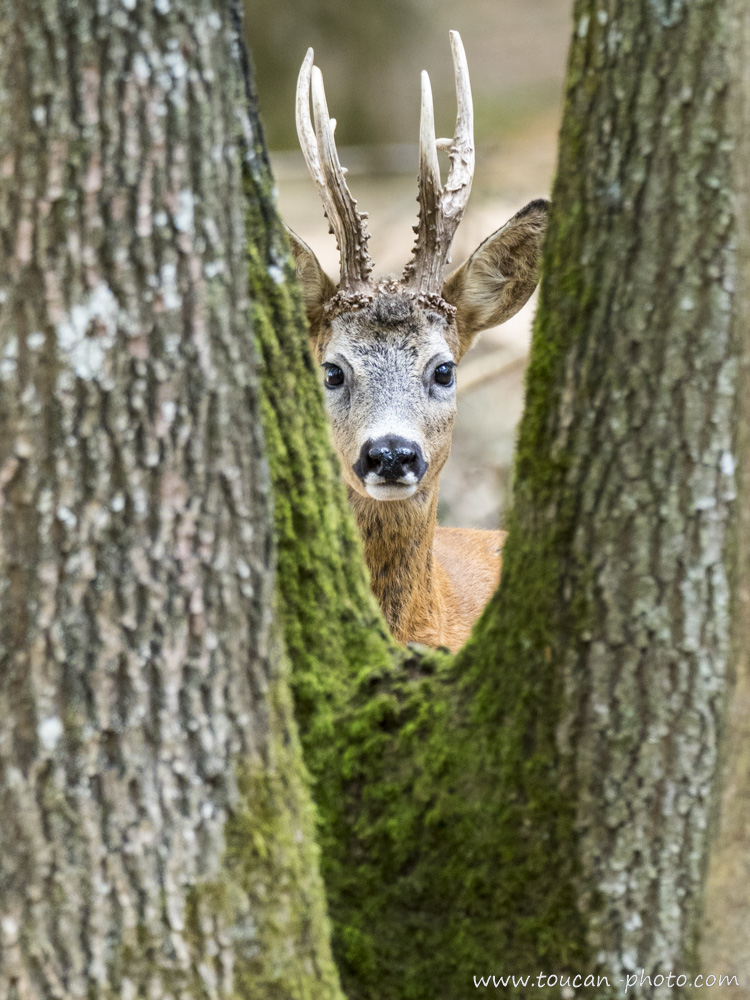
Chamois (Rupicapra rupicapra)
From the vast African plains to the dense forests of Asia, mammals hold a unique place in our shared imagination. Our distant cousins, with whom we share a complex evolutionary history, display fascinating cognitive and social abilities. Whether solitary or living in structured clans, they demonstrate an adaptive intelligence that has allowed them to conquer every environment.
However, the survival of large mammals is now a constant struggle. Habitat loss and poaching threaten the balance of entire populations. To photograph these animals in their intimacy is to immortalize a gaze, a posture, or a social interaction, while serving as a reminder that protecting these iconic species is inseparable from the preservation of our own ecosystems.
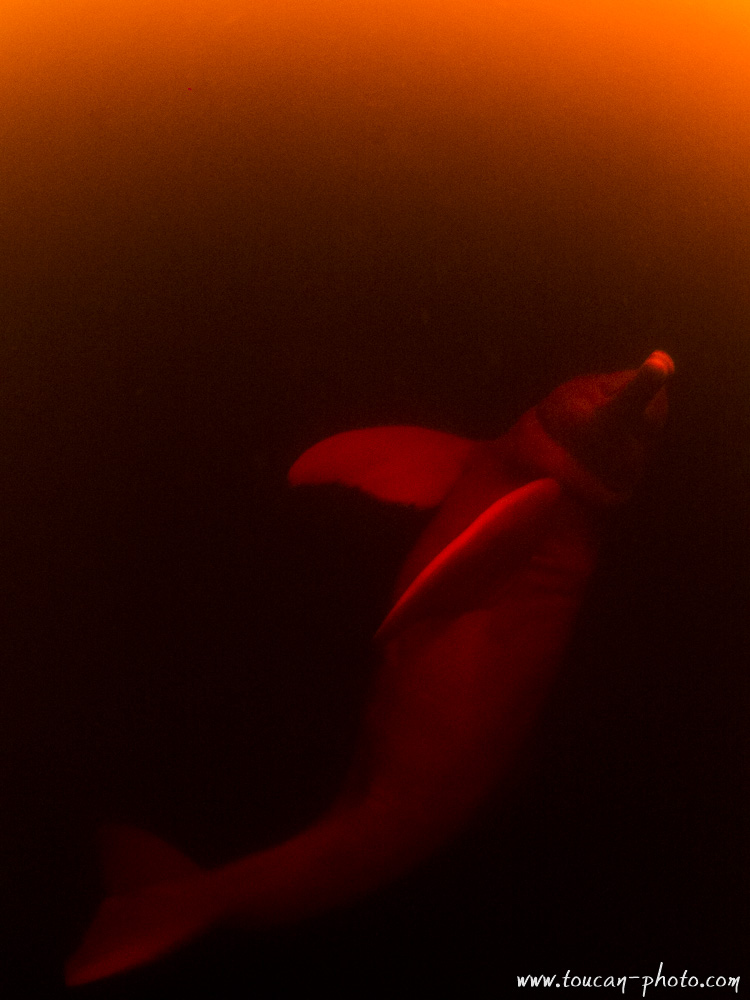
A Boto (Inia g. geoffrensis), a south american species of fresh water dolphin appears from the dark waters of the Rio Negro river
Read the paper about the Boto to learn more from this dolphin

A Boto (Inia g. geoffrensis), a south american species of fresh water dolphin disappears into the dark waters of the Rio Negro river
Read the paper about the Boto to learn more from this dolphin
23 to 7 million years ago, during the Miocene era, Amazonia was partially covered by seawater. Cetaceans were living in this area. When seawater has been definitely out of Amazonia ground, a species would have adapted to continue living in rivers, drawing the Amazonian landscape. This species became the Boto, known also as the biggest pink dolphin of Amazonia.
Continue reading“Brazil: The Boto, pink dolphin of Amazonia”
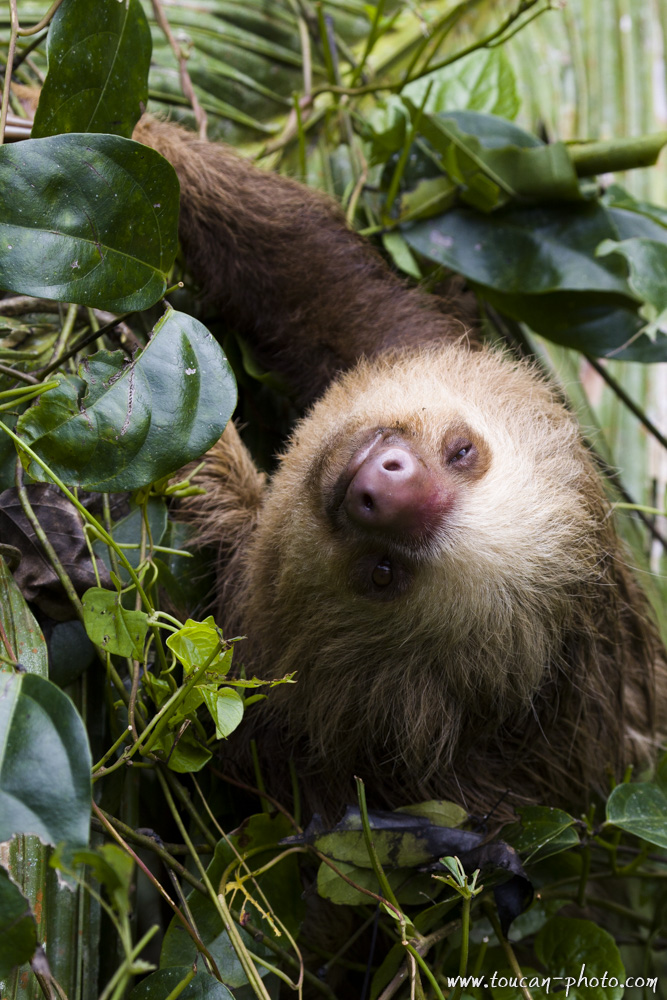 Hoffmann’s sloth (Choloepus hoffmanni)
The sloth is named like this because of his slowness he puts to perform the simplest actions and its appetite for long naps.
This animal sleeps more than 18 hours a day. When he does not sleep, it is mainly to feed on the leaves he would have chosen meticulously.
Although this animal is very agile while climbing on trees, he is clumsy when it comes to walk on the ground, which places him on the land of his predators: jaguars and snakes. The sloth goes down from the tree once a week in order to defecate and to change the tree, if needed.
Regarding love, the sloth is also taking his time. Very solitary, the male will wait until he is 4 or 5 years old to start looking for a partner. The couple will embrace each other for 48 hours . They will be separated after the coupling, each of them will go back to a solitary life.
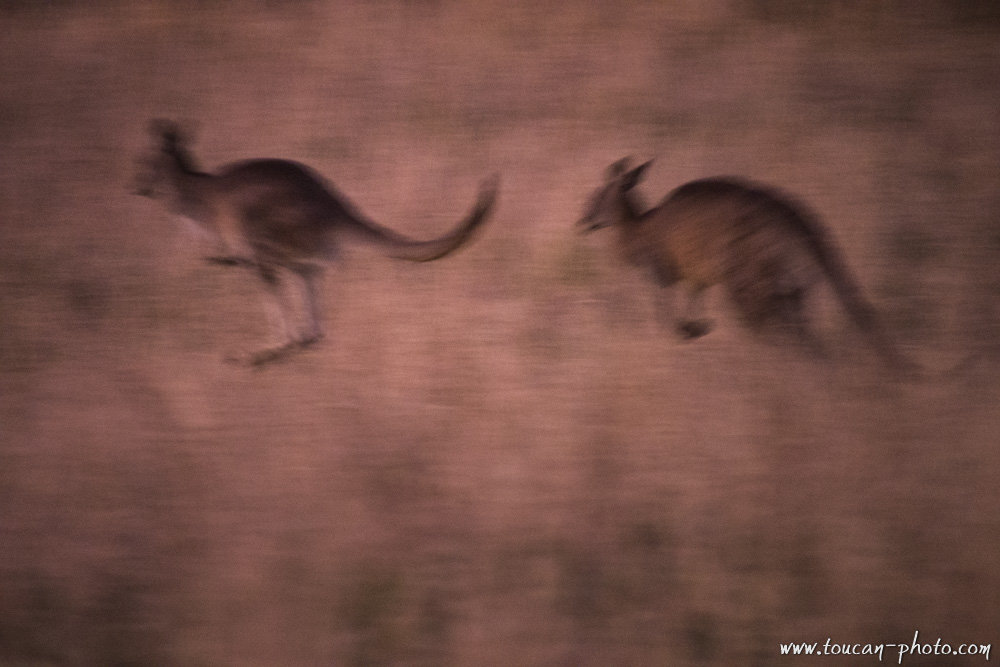 Red kangaroo jump (Macropus rufus), Australia
In a jump, the kangaroo is able to travel more than 9 meters away. It is also able to jump up to 3.30 m in height.
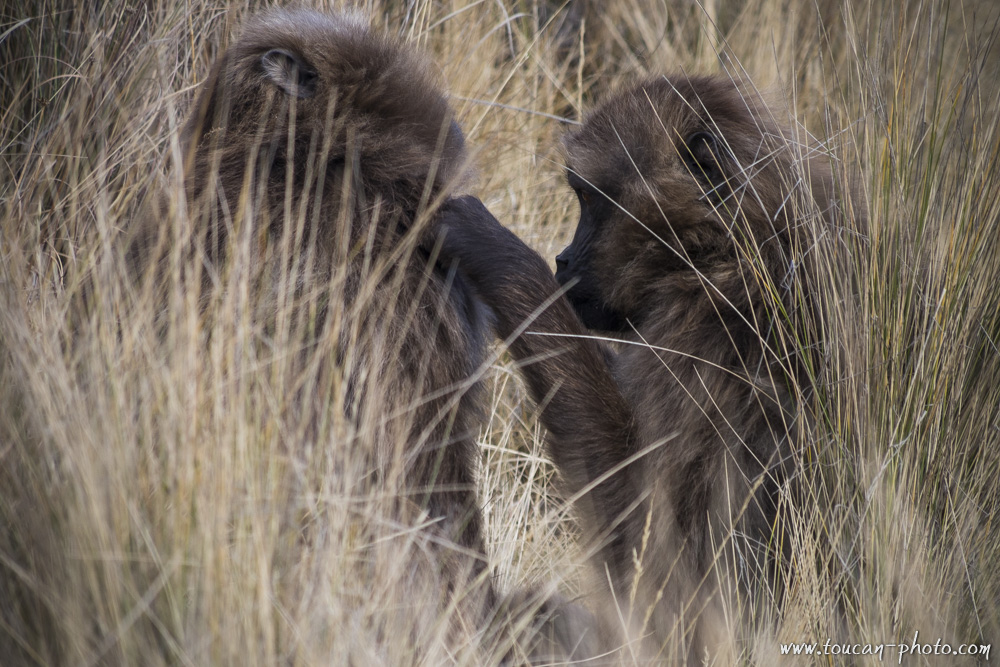 Gelada – Theropithecus gelada, Ethiopia