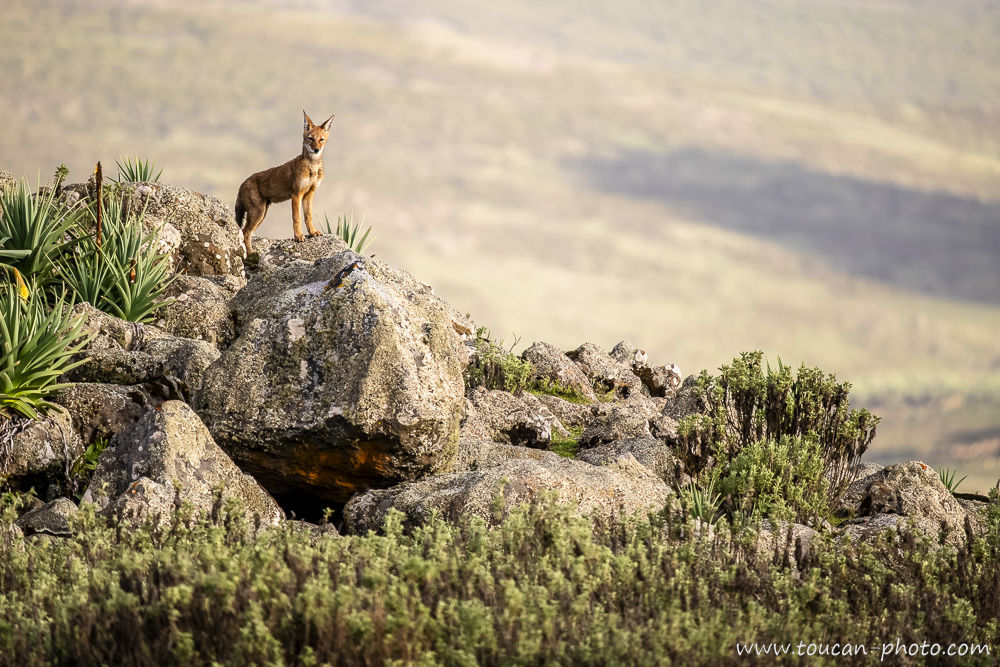
Young Abyssinian wolf scanning the pack’s territory

Young Abyssinian wolf scanning the pack's territory - Ethiopia

Young Abyssinian wolf scanning the pack’s territory – Ethiopia

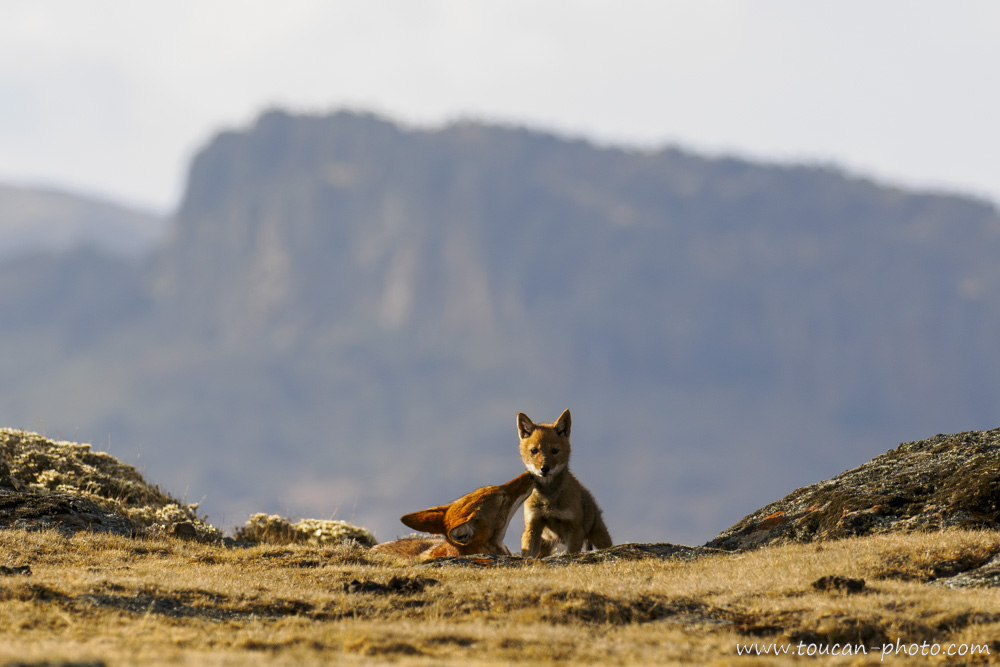
Perched on a rocky outcrop, this young wolf is beginning to adopt the postures of an adult. Still inexperienced, he gazes across the high plateaus, learning to read the landscape and spot the movements around him.

For the Abyssinian wolf, vigilance is an essential part of growing up. Every individual plays a part in defending the family home range—a vital space closely linked to the abundance of rodents the pack relies on. By gradually taking his place on the high points, the juvenile learns this fundamental role, a quiet but decisive step toward adulthood.

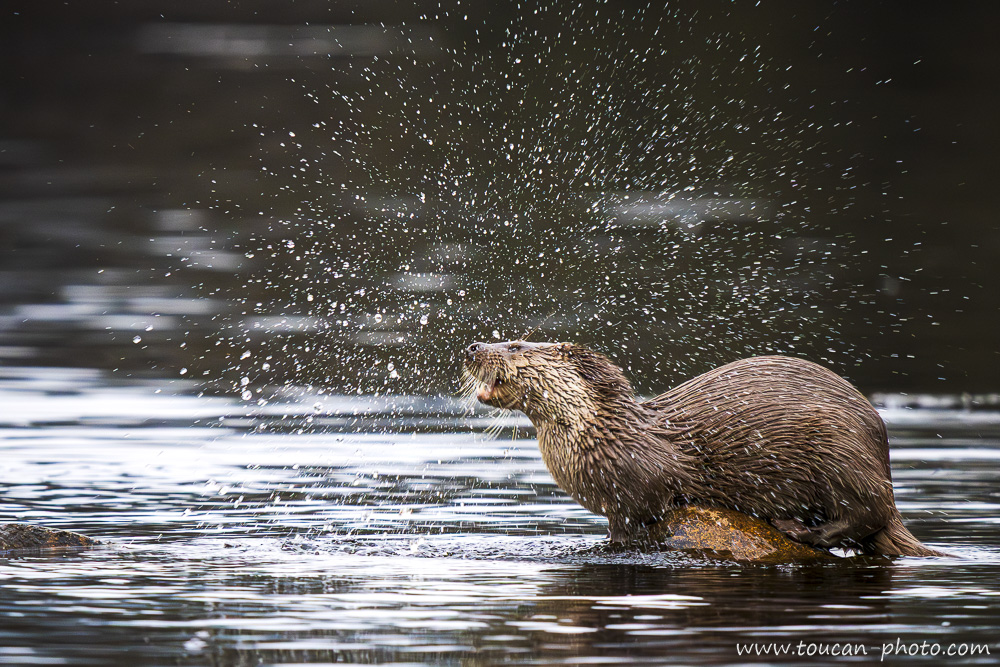
Grooming Behavior of the Eurasian Otter

Grooming Behavior of the Eurasian Otter (Lutra lutra), Spain

After a dive, a Eurasian Otter (Lutra lutra) shakes itself to maintain its fur, which is essential for insulation and survival in an aquatic environment.

Discreet and elusive, the Eurasian otter is a valuable bioindicator: its presence is a sign of a healthy river.

As a top predator at the apex of the food chain, it must consume around 10 to 15% of its body weight each day, roughly one kilogram of food (fish, crustaceans, amphibians). Such abundance is only possible in rich aquatic environments, where good water quality allows microorganisms and insects at the base of the food web to thrive.

Furthermore, the otter is extremely sensitive to bioaccumulation: chemical pollutants such as heavy metals and pesticides concentrate along the food chain until they reach it. Its active presence and successful reproduction therefore provide a particularly reliable biological indicator, revealing an aquatic ecosystem that is functional and well preserved.

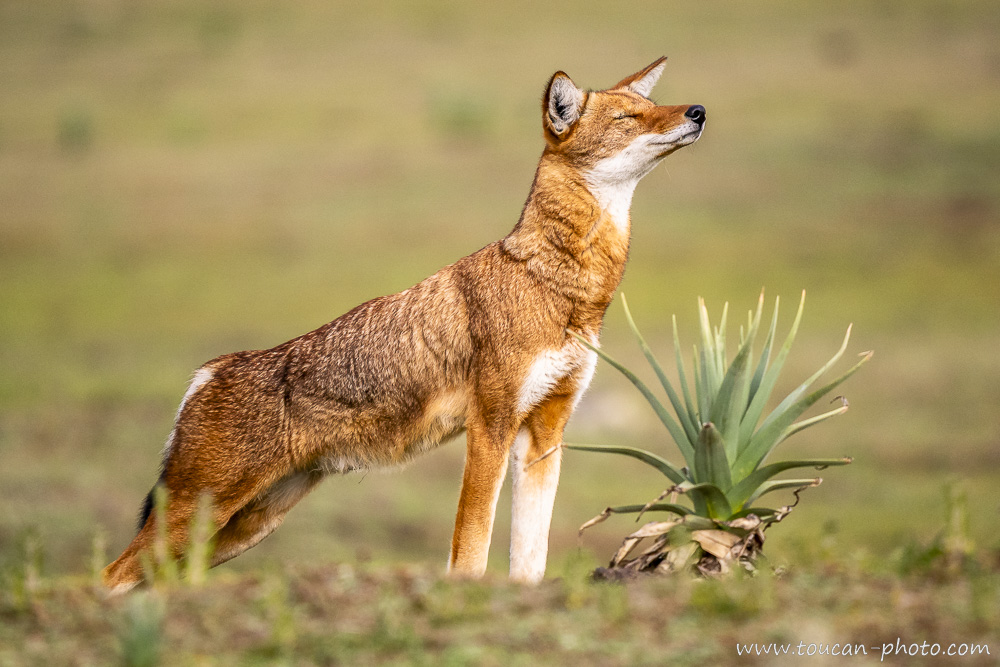
Ethiopian Wolf, Nose to the Wind

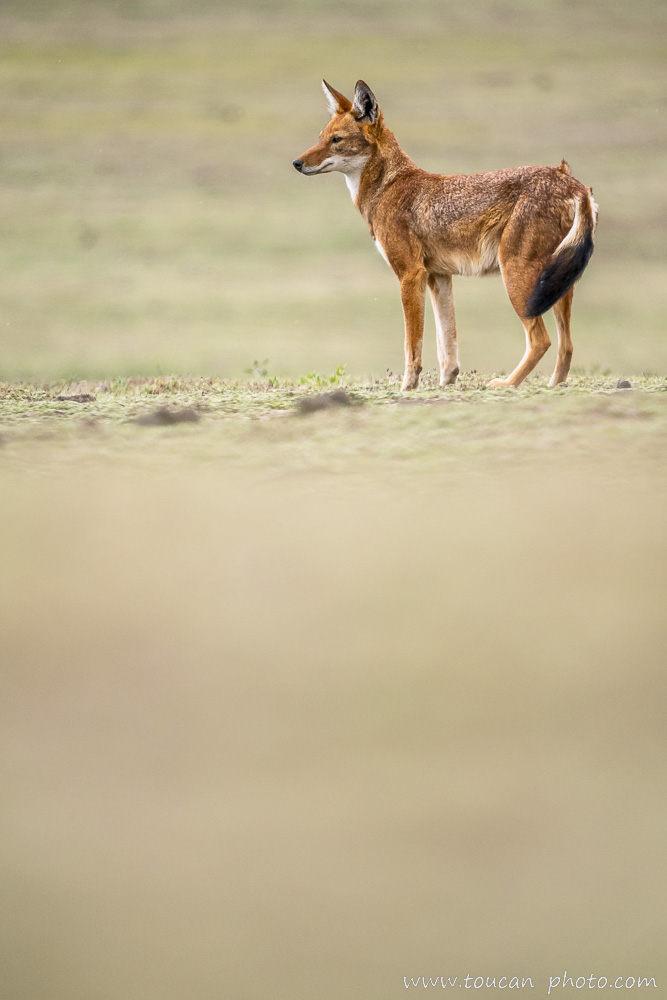
Ethiopian wolf (Canis simensis) catching a scent in the Bale Mountains, Ethiopia

Ethiopian wolf (Canis simensis) catching a scent – Bale Mountains, Ethiopia

The Ethiopian wolf (Canis simensis), also known as the Simien jackal, is the world’s rarest wild canid, endemic to the highlands of Ethiopia. A rodent-hunting specialist, it moves gracefully through alpine meadows.

In this image, an individual lifts its head into the morning breeze—perhaps tracking prey or simply attuned to the subtle cues of its environment. With fewer than 500 individuals remaining in the wild, every observation is a profound privilege. Its russet coat, slender muzzle, and poised silhouette make it a quiet but powerful symbol of Ethiopia’s unique natural heritage.

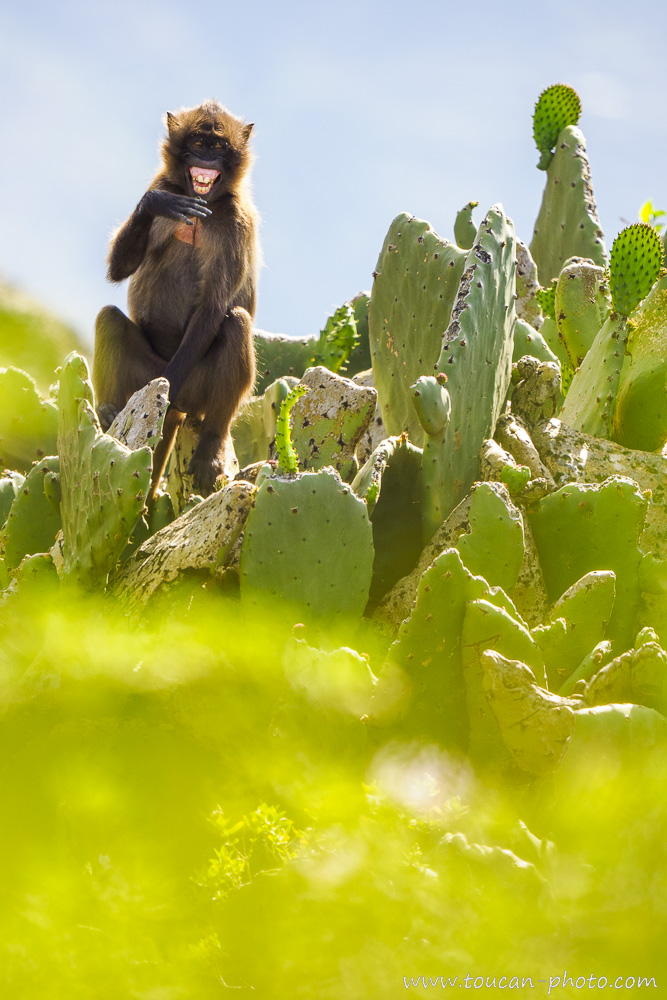
Young Gelada female on a Cactus

Young female Gelada (Theropithecus gelada) perched on a cactus, Ethiopia

A unique specialization among primates to survive in high-altitude grasslands.

The Gelada, a primate endemic to the Ethiopian Highlands, is distinguished by an almost exclusively herbivorous diet.

Unlike most monkeys, it spends the majority of its day grazing on grass, much like a ruminant. Over 90% of its diet consists of shoots, seeds, roots, flowers… and even cacti, from which it consumes the tender, water-rich parts. This unique specialization allows it to thrive in altitude prairies where resources are seasonal but abundant. In this photograph, a young female nimbly explores the resources provided by the local flora, showcasing the species’ incredible adaptation.

The Ethiopian Wolf, Sentinel of the Abyssinian Highlands

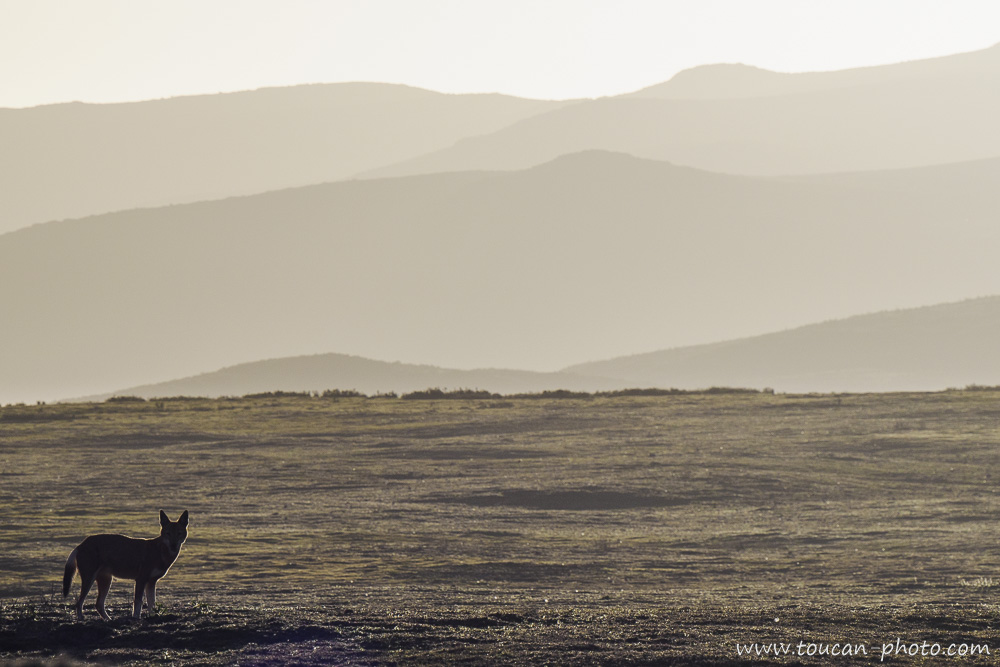
Ethiopian Wolf (Canis simensis) standing in the tall grass, Ethiopia

A silhouette that stands still, watchful, in the silence of the high plateaus.

At the edge of dawn, across the vast expanses of the Ethiopian highlands, the Ethiopian Wolf (Canis simensis) embodies elegance and discretion.

Its silent steps lead it through the high-altitude pastures, where it scans every movement in the grass, stalking its favorite prey—primarily endemic rodents. This image reveals the profound harmony between the animal and its environment: soft lines, diffused light, and a suspended silence. As a critically endangered species, this solitary predator of the Simien and Bale mountains is a symbol of the raw and fragile beauty of Abyssinia.

The Abyssinian Wolf, Watcher of the Ethiopian Highlands

Ethiopian Wolf (Canis simensis) on the Ethiopian highlands

The Ethiopian Wolf, guardian of the Abyssinian highlands.

Standing alone on the Abyssinian highlands, the Ethiopian wolf scans the horizon, a fragile witness to a unique high-altitude ecosystem.

This slender predator, perfectly adapted to the vast alpine spaces, is now one of the most endangered mammals on the African continent. Suffering from habitat fragmentation and diseases transmitted by domestic dogs, only about 500 individuals are thought to remain in the wild. Its reddish silhouette against the moorlands embodies the wild and precarious beauty of the Bale and Simien Mountains, where every individual is vital to the survival of this endemic species.

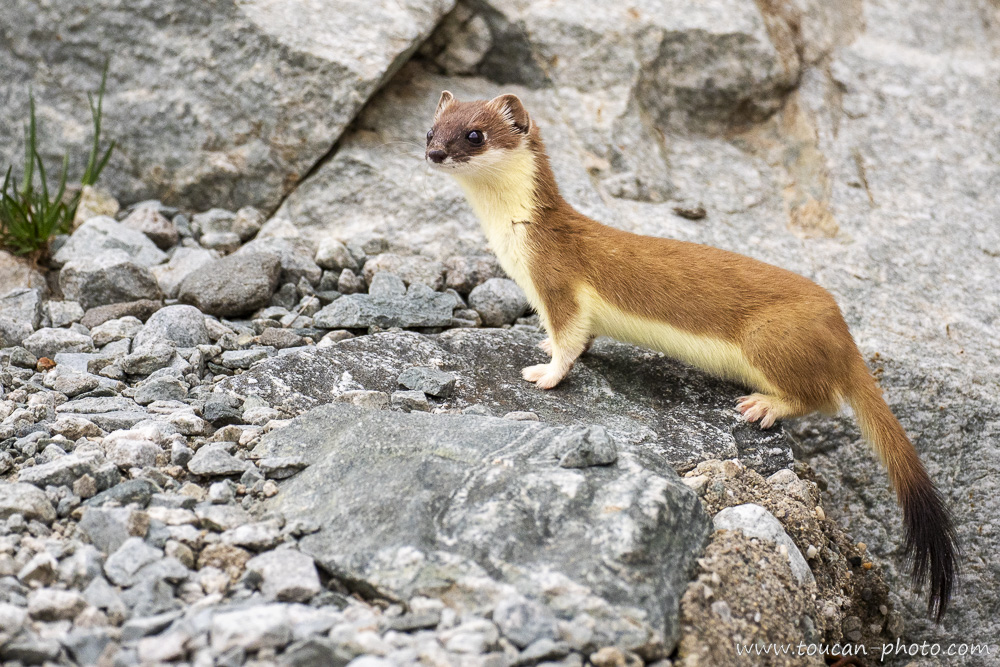
Eurasian ermine (Mustela erminea) – France

Stoat (Mustela erminea) in its natural habitat - France

The Stoat (Mustela erminea), an agile sentinel of the French mountains.

Lively and bold, this small carnivore is a master of camouflage and survival in rugged landscapes.

Famous for its coat that changes color with the seasons, the stoat trades its brown summer dress for immaculate white fur in winter, keeping only the deep black tip of its tail. This photograph captures the curious and alert expression of this mustelid, capable of slipping into the smallest crevices to track its prey. Despite its small size and elegant appearance, the stoat is a formidable and tireless predator, symbolizing the vital force that animates the mountainous and hedgerow environments of our regions.

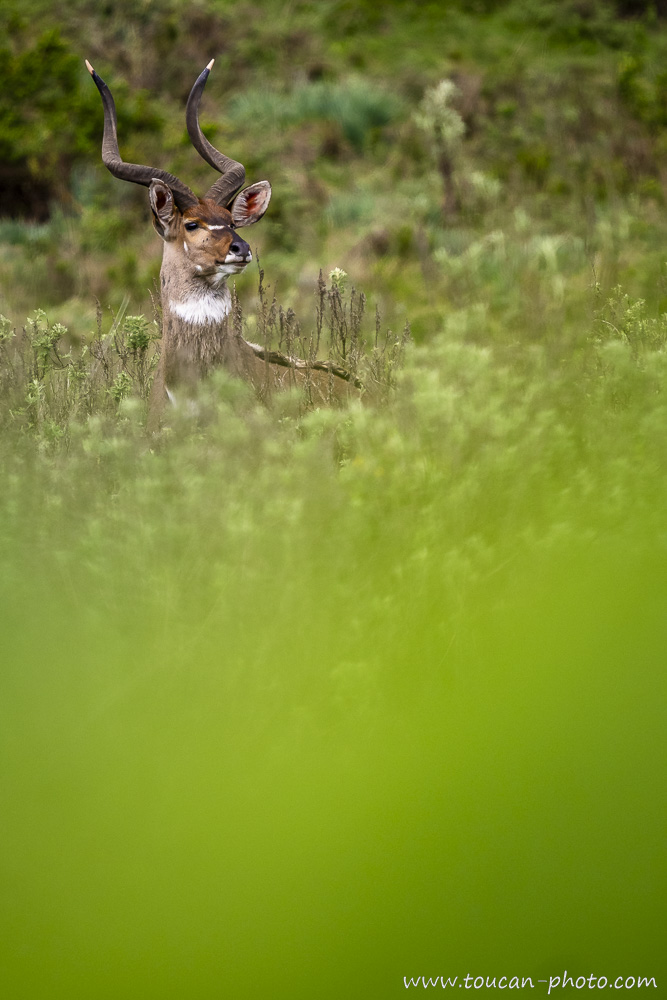
Male Mountain Nyala (Tragelaphus buxtoni) – Bale Mountains, Ethiopia

Male

Male Mountain Nyala (Tragelaphus buxtoni) – Bale Mountains, Ethiopia


Shy and elusive, the mountain nyala lives only on the Ethiopian highlands, among misty heather forests, alpine meadows, and shadowy clearings. Fewer than 4,000 individuals remain in the wild, most of them confined to the Bale Mountains — the species’ last stronghold.

Males are especially striking: larger and darker than females, they bear long, spiraled horns and a dark crest along their back that stands erect during tension or display. These features make them elegant, ghost-like figures of the high-altitude forests — rare, silent, and hard to glimpse.

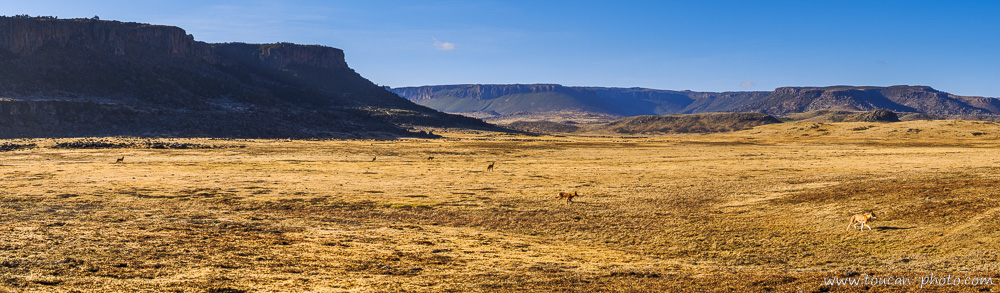
Pack of Abyssinian Wolves on Patrol in the Bale Mountains (Canis simensis), Ethiopia


Pack of Abyssinian Wolves on Patrol in the Bale Mountains (Canis simensis), Ethiopia

Pack of Abyssinian Wolves on Patrol in the Bale Mountains (Canis simensis), Ethiopia


👁️ Click to see the 360° virtual tour

Abyssinian wolves feed almost exclusively on rodents. Their habitat is limited to the high plateaus and mountains of Ethiopia, where rodent density is particularly high. In the Bale Mountains, where this photo was taken, up to 6,000 rodents can be found per square kilometer.

This diet has shaped their behavior: unlike other wolf species that hunt large prey in packs, Abyssinian wolves hunt alone.
Yet each morning, before spreading out to search for food, clan members carry out a joint patrol across their territory.

On this particular day, six wolves from the Meguiti clan were roaming their land, ensuring no intruders had trespassed.

Japan: A Monkey with a Surprising Habit

Snow monkeys (in Japanese, nihonzaru 日本猿), also known as Japanese macaques (Macaca fuscata), are the only species of primate living in the wild in Japan. This species is also endemic to the Japanese archipelago. These monkeys are mainly found in mountainous regions, at altitudes ranging from 500 to 2,500 meters. In winter, when temperatures become harsh, these monkeys have developed a surprising habit: soaking in natural hot springs to keep warm!

Continue reading“Japan: A Monkey with a Surprising Habit”

?>
Next page