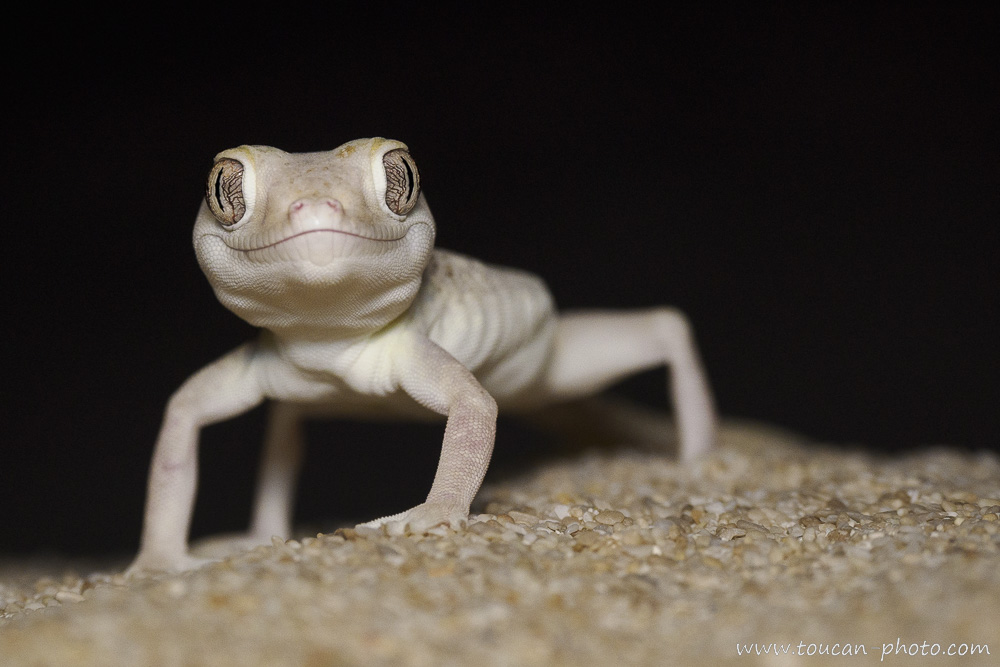
A small marvel of adaptation to the extreme conditions of the Omani desert.
The Gulf Sand Gecko (Stenodactylus leptocosymbotes) is a discreet and elusive inhabitant of Oman’s arid regions.
Recognizable by its large eyes adapted for night vision, it emerges mainly at night to hunt small insects. Its slender legs allow it to move with agility over loose sand, while its pale coloration helps it blend seamlessly into its environment. A true watchman of the sands, this small reptile is a fascinating example of adaptation to the harshest climatic conditions of the Arabian Peninsula.
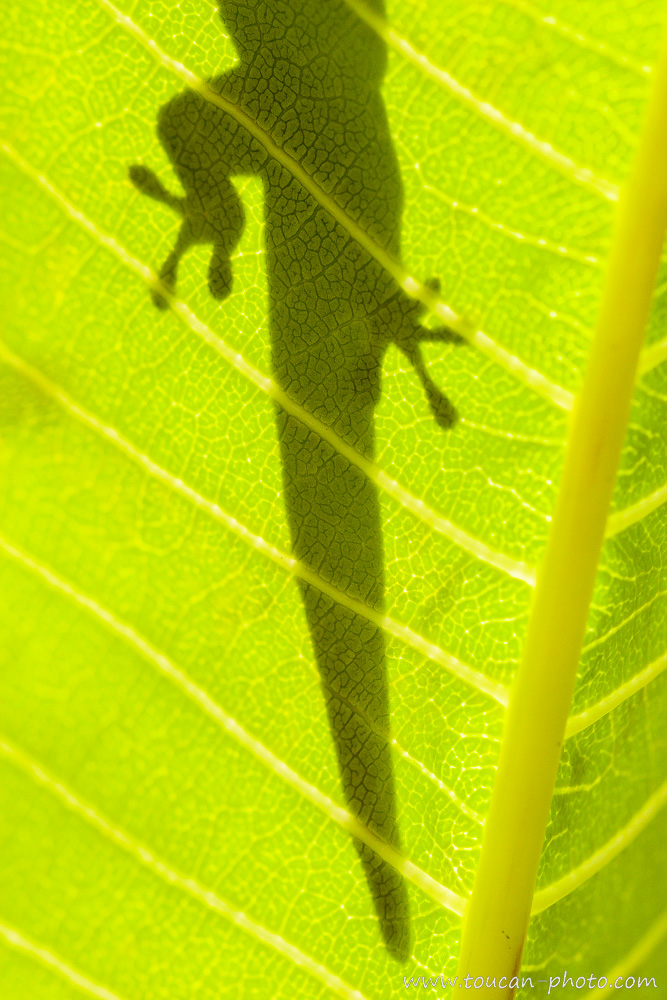
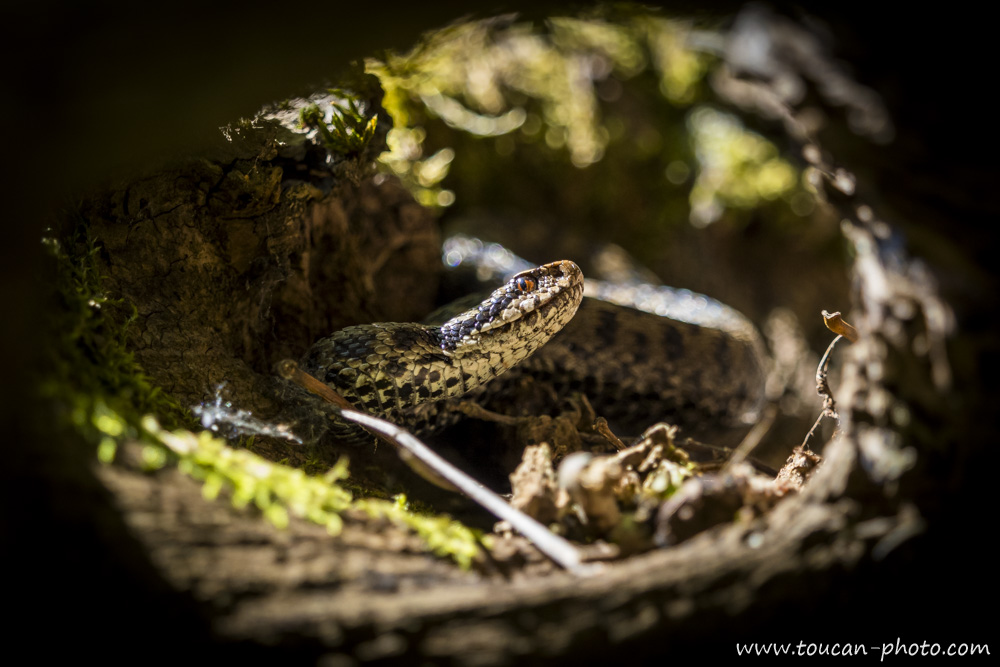
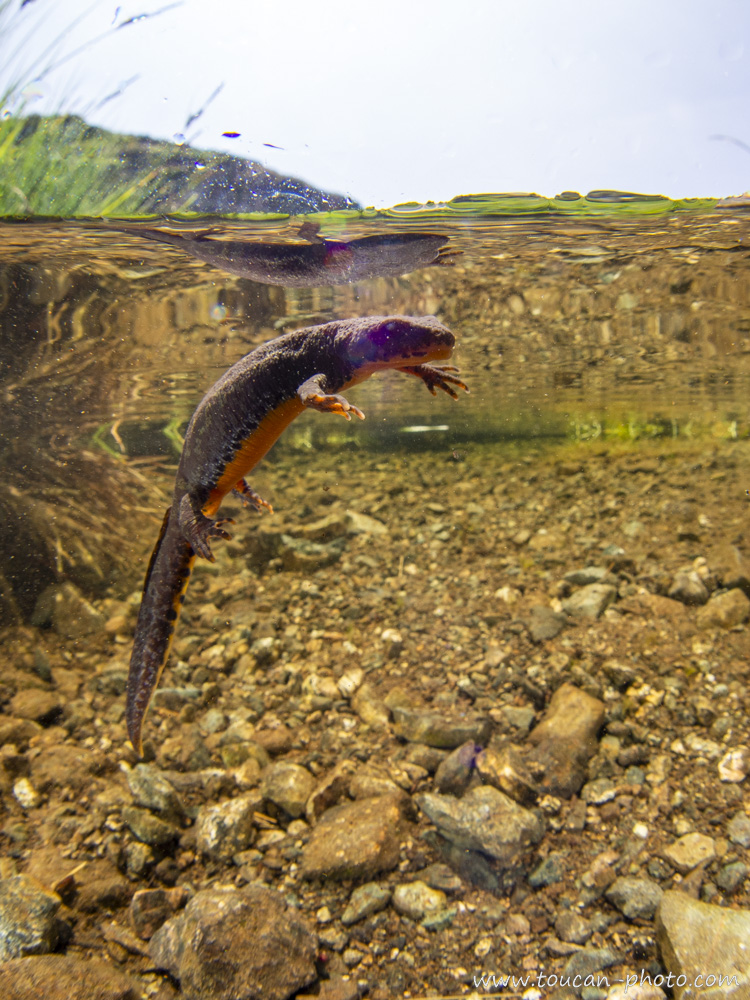
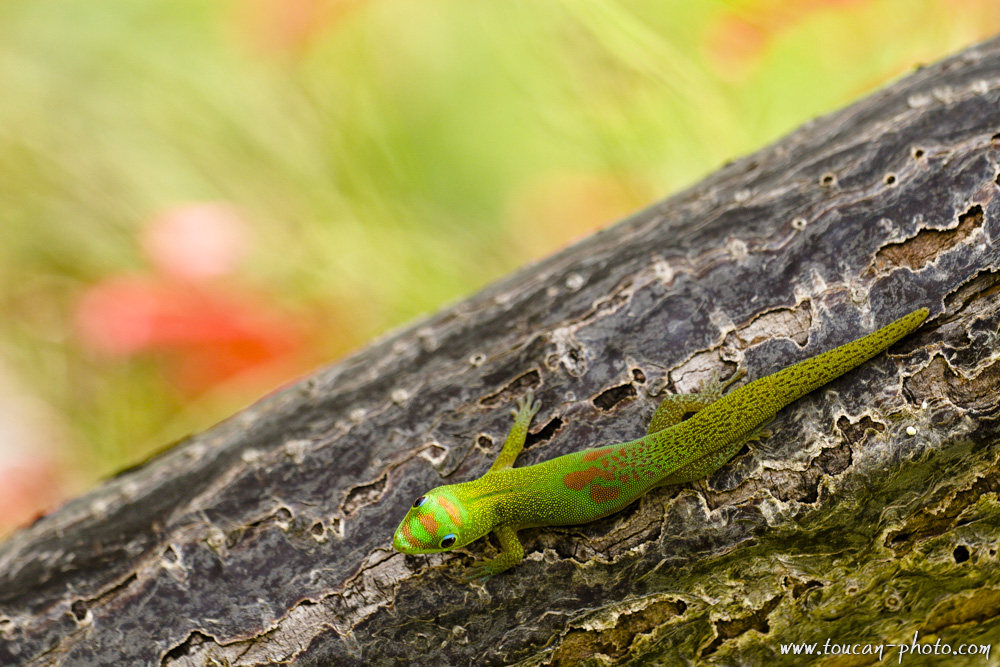
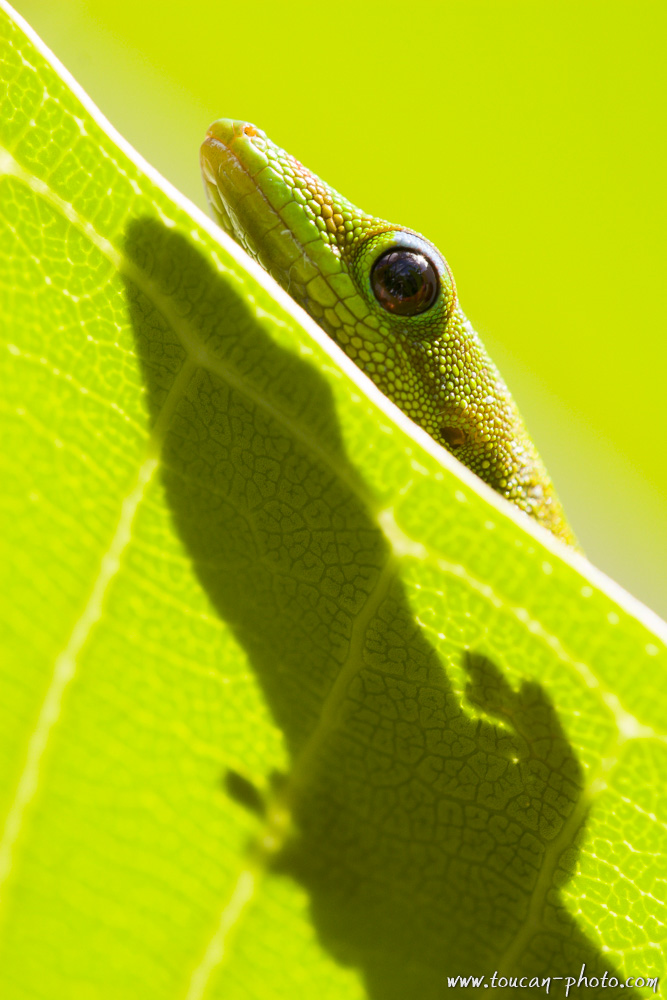 Gold dust gecko (Phelsuma laticauda), France, Reunion Island
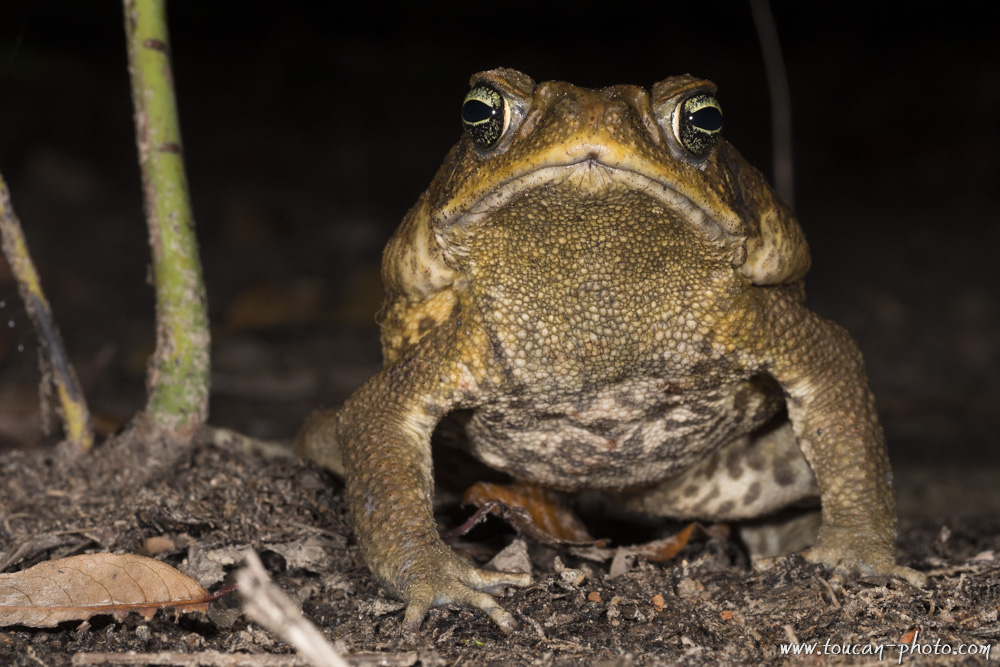
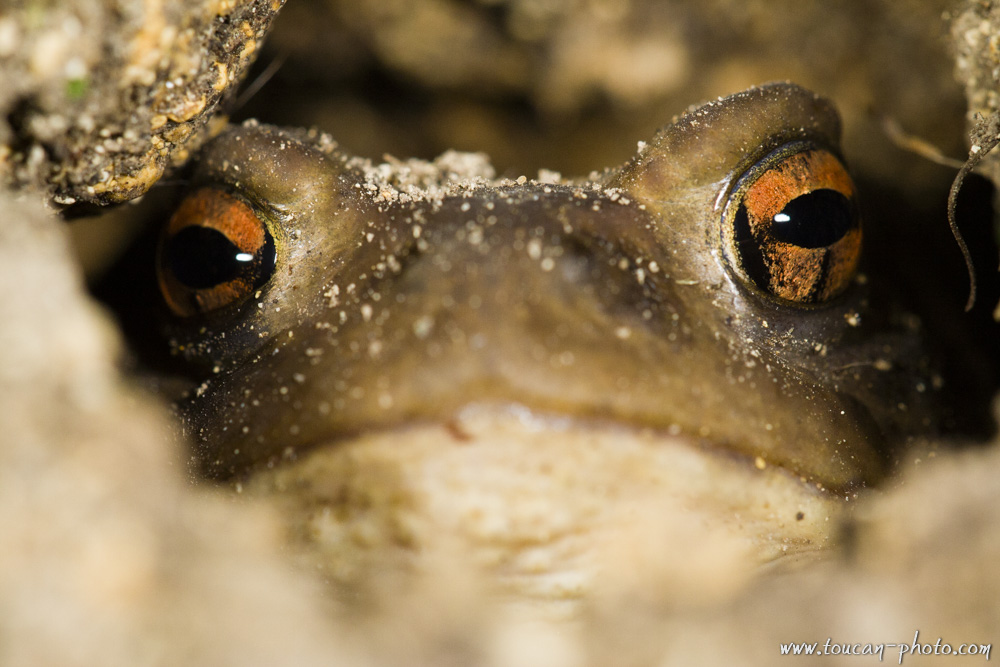 A toad eagerly awaiting in his hole
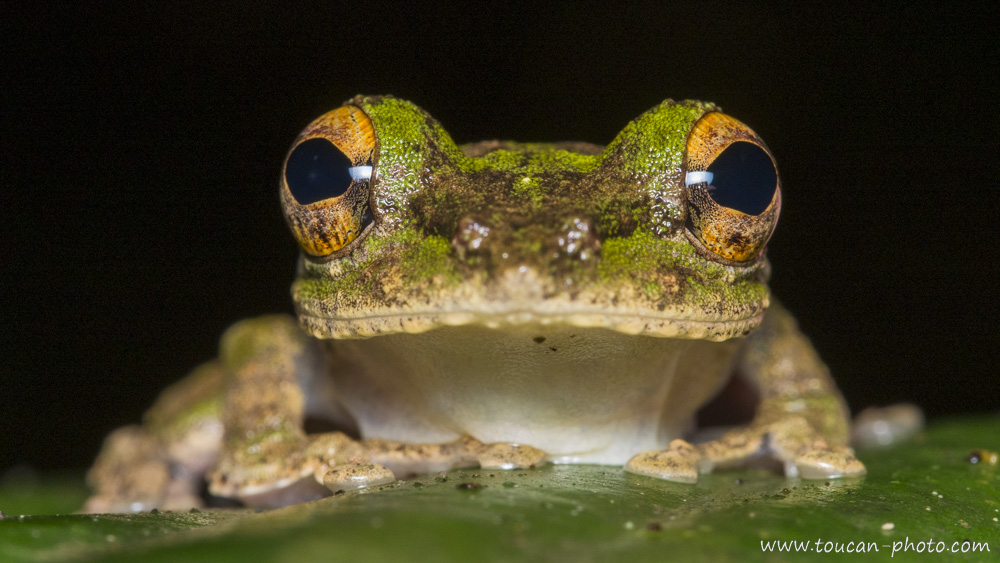
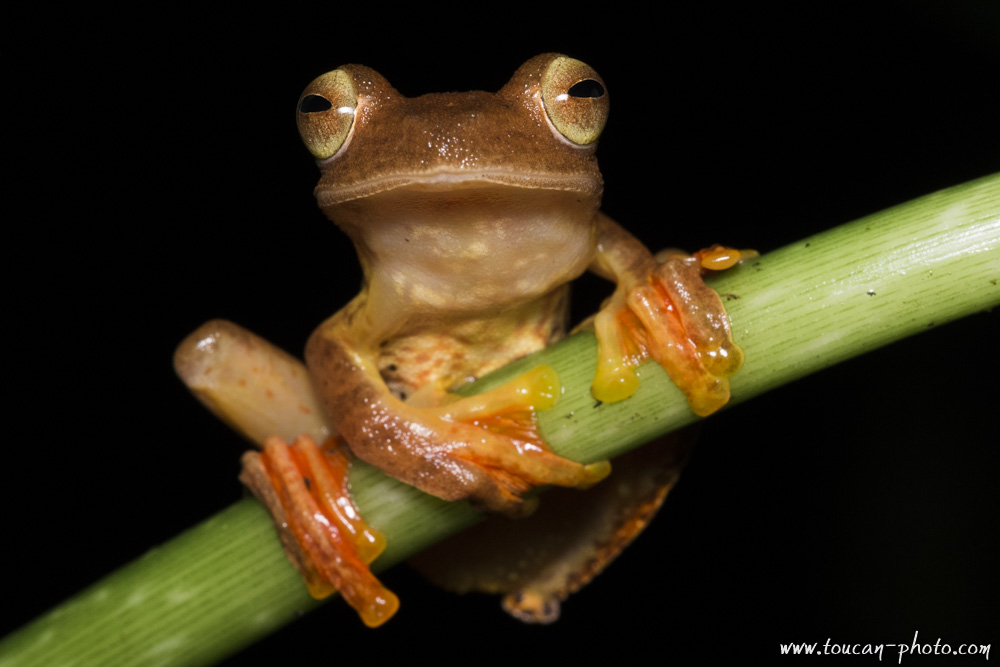 Harlequin tree frog (Rhacophorus pardalis), Borneo, Malaysia
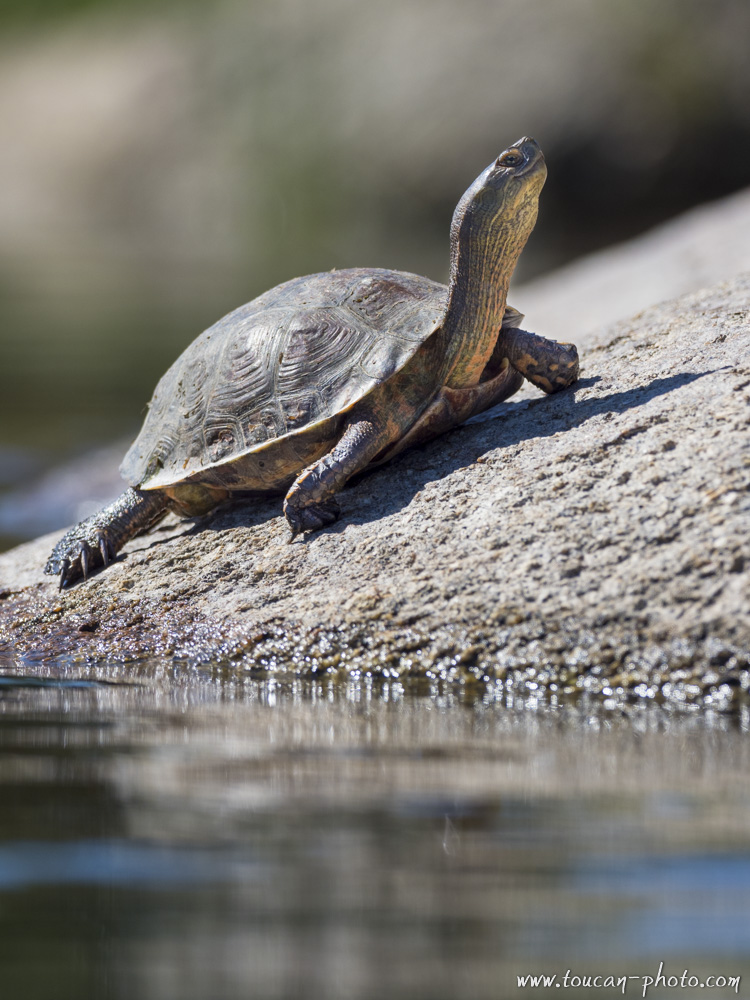
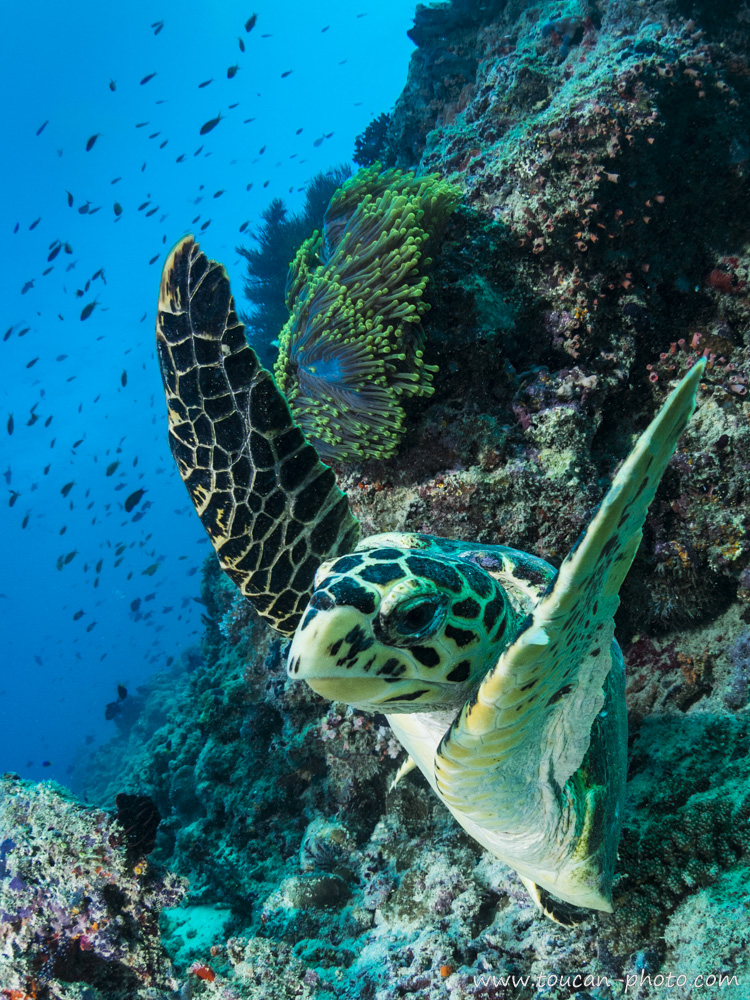
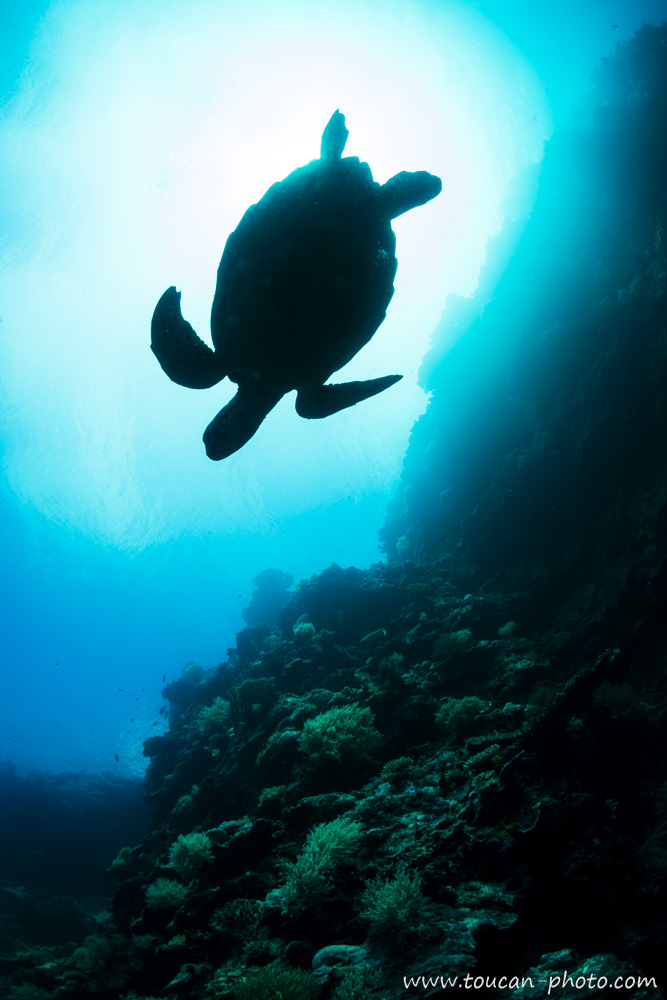
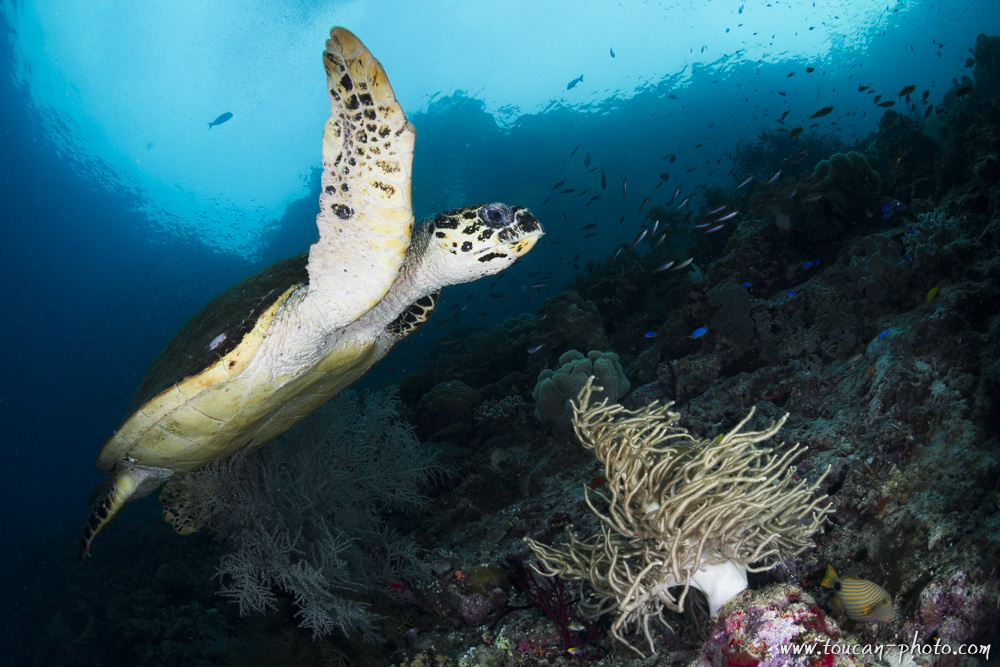 Turtle
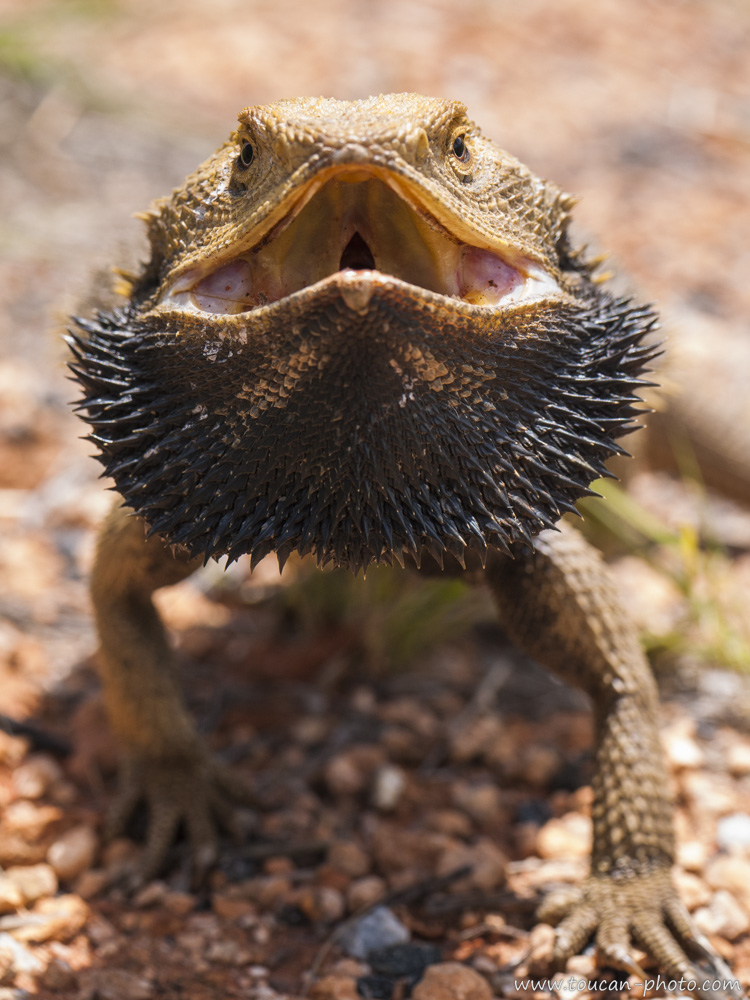
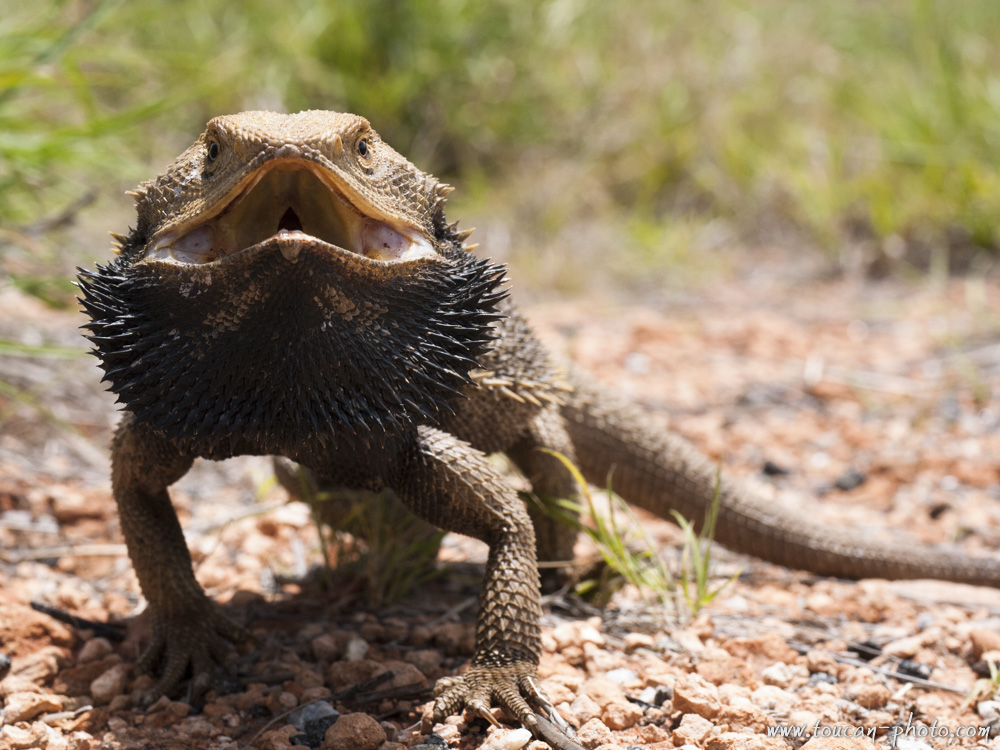 Agame (Pogona vitticeps)
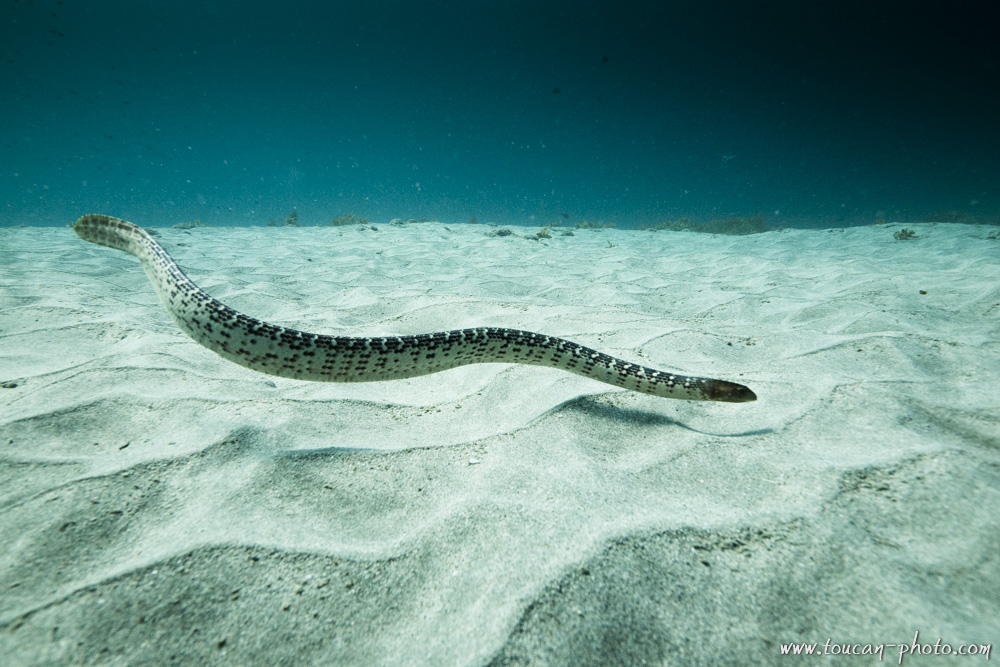 Sea snake