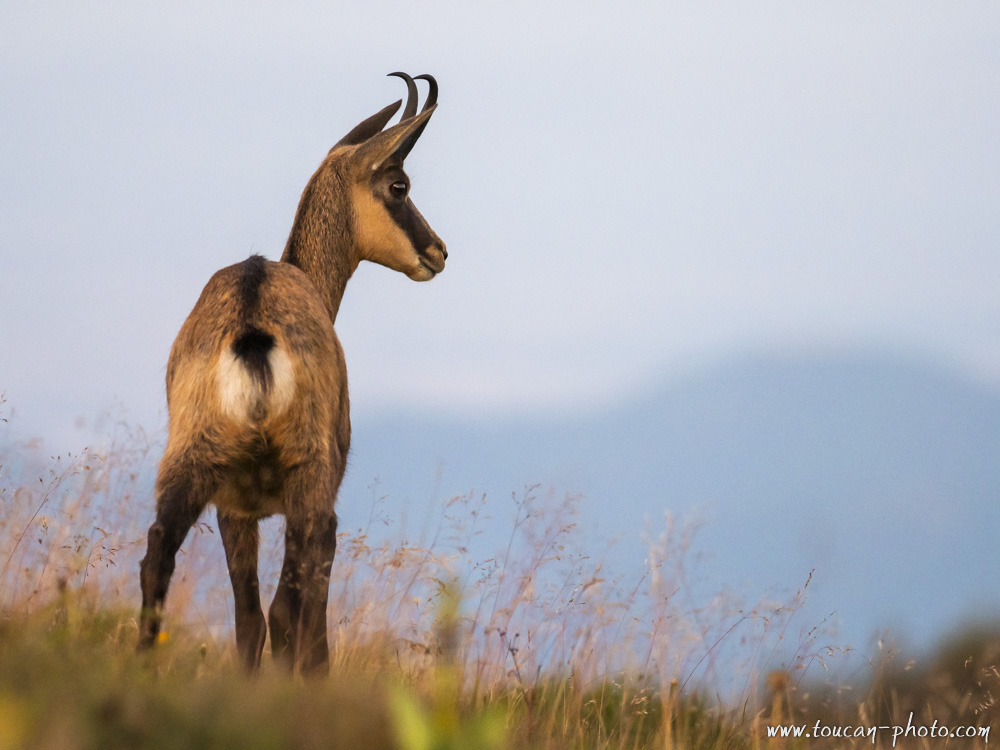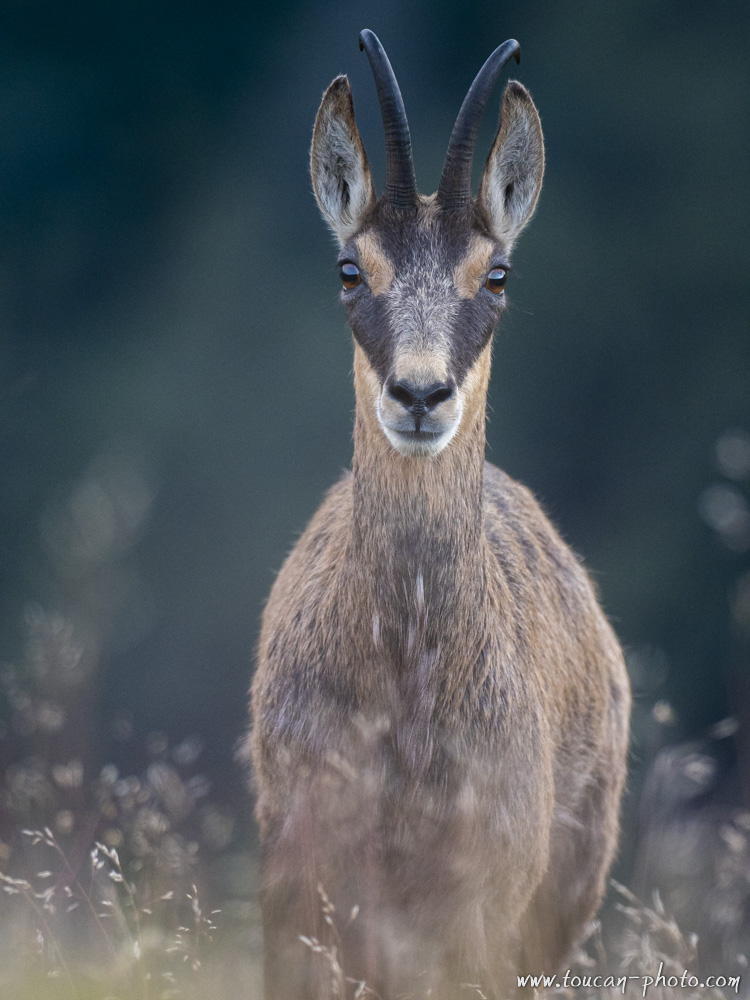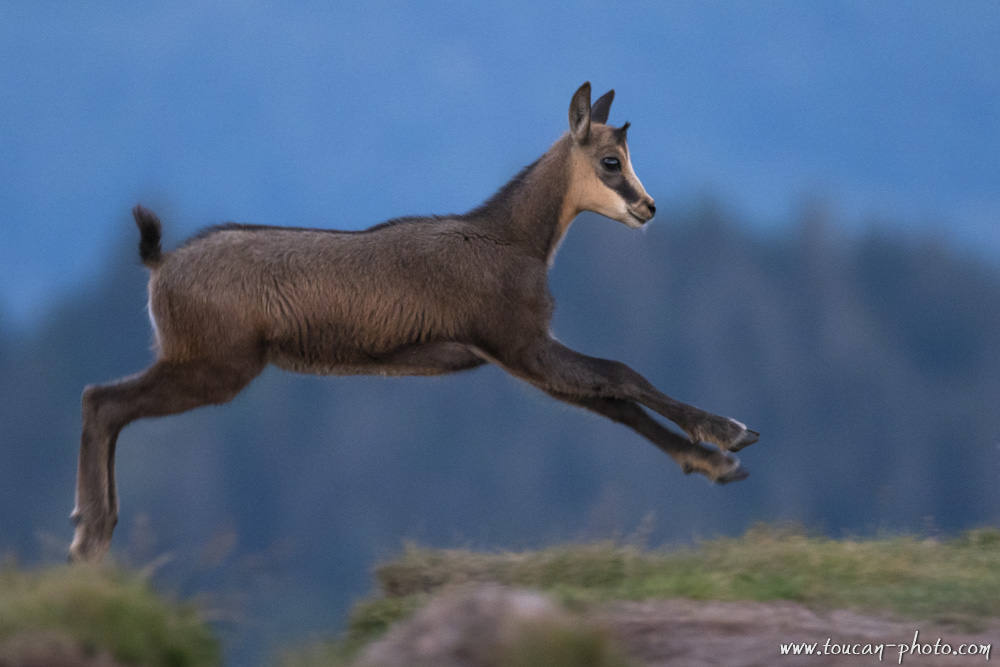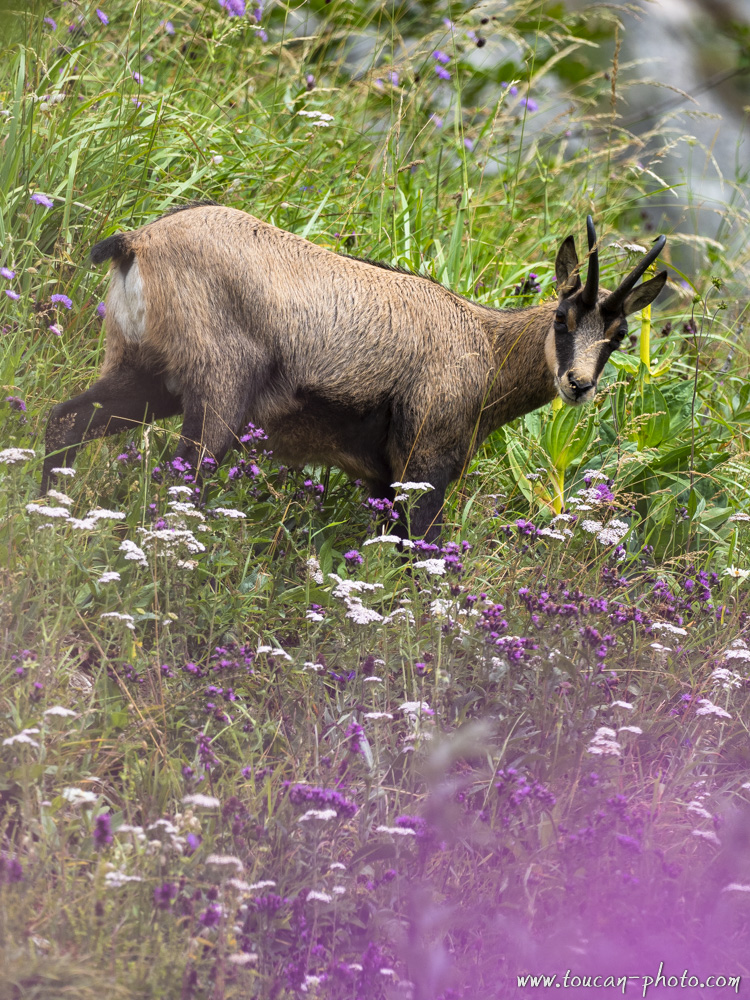
Chamois (Rupicapra rupicapra)
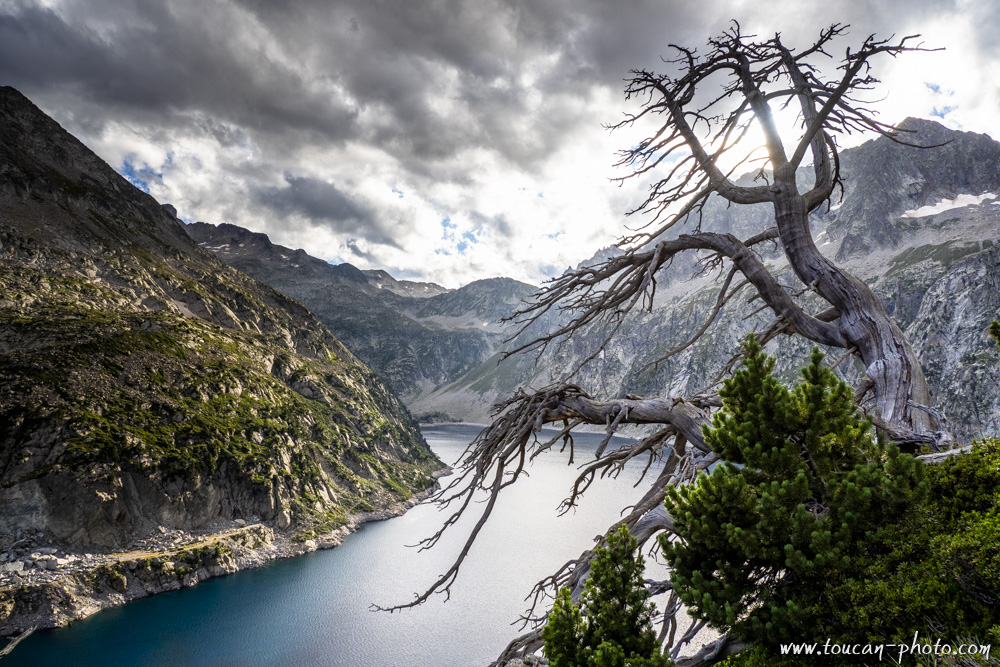
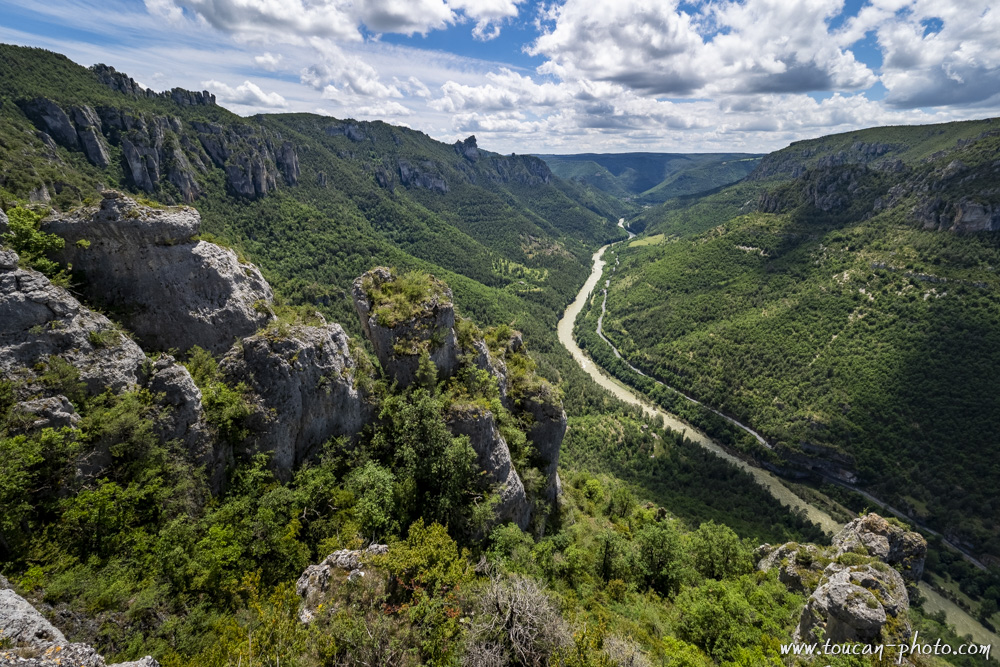
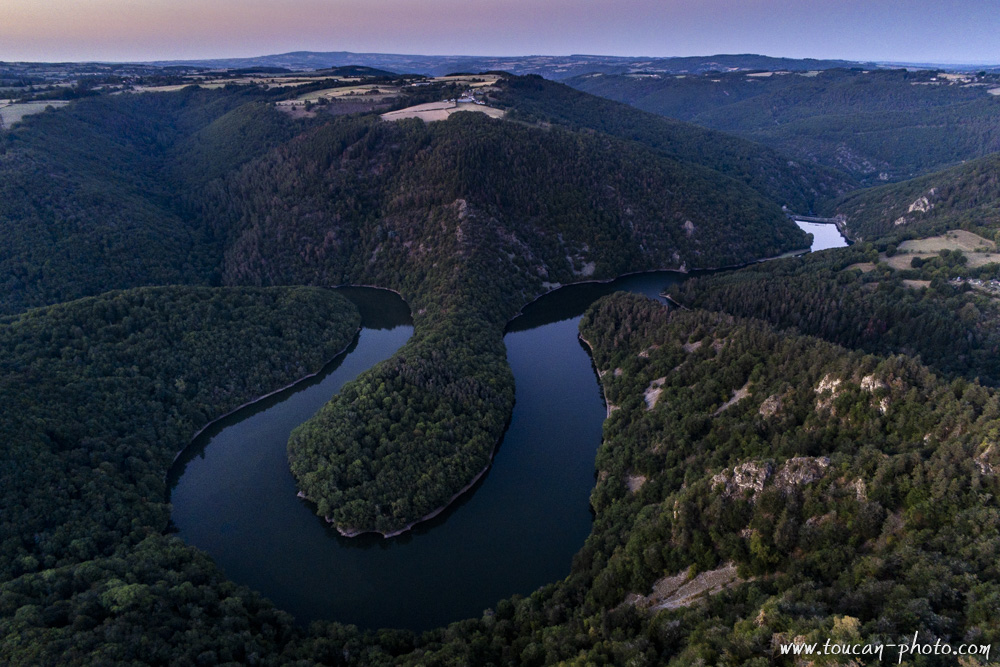
France is home to an exceptional diversity of landscapes and natural environments. From the coastlines of the English Channel to the peaks of the Alps, from temperate forests and fertile plains to the Atlantic cliffs and Mediterranean shores, mainland France alone encompasses a remarkable variety of ecosystems. Yet France extends far beyond continental Europe. Thanks to its overseas territories, spread across the Atlantic, Indian, Pacific and Southern Oceans, the country spans several continents and possesses the world’s second-largest Exclusive Economic Zone (EEZ), giving it one of the richest natural heritages on the planet.
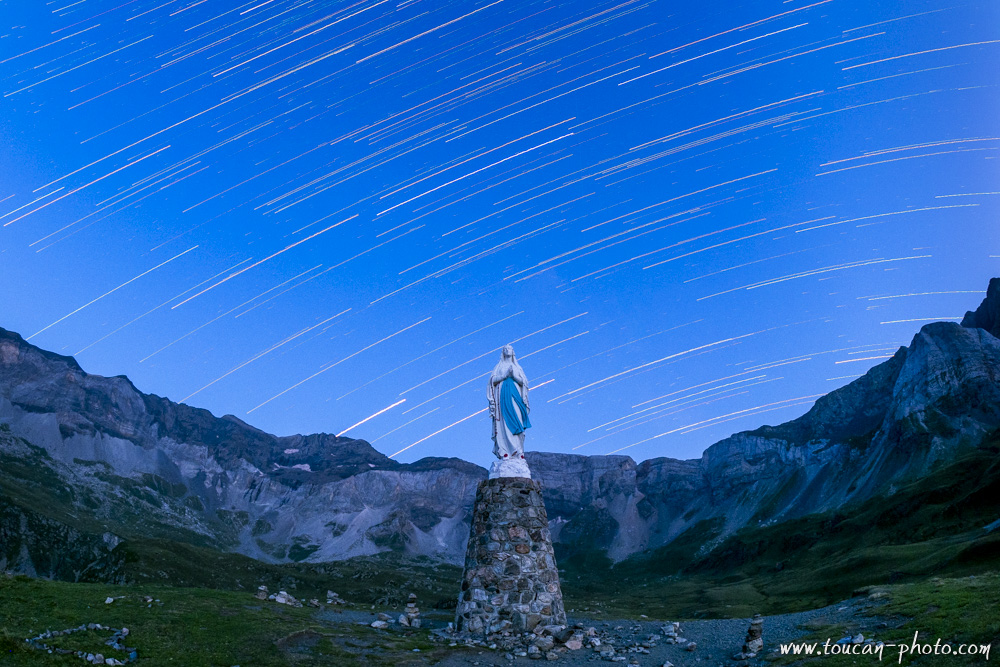
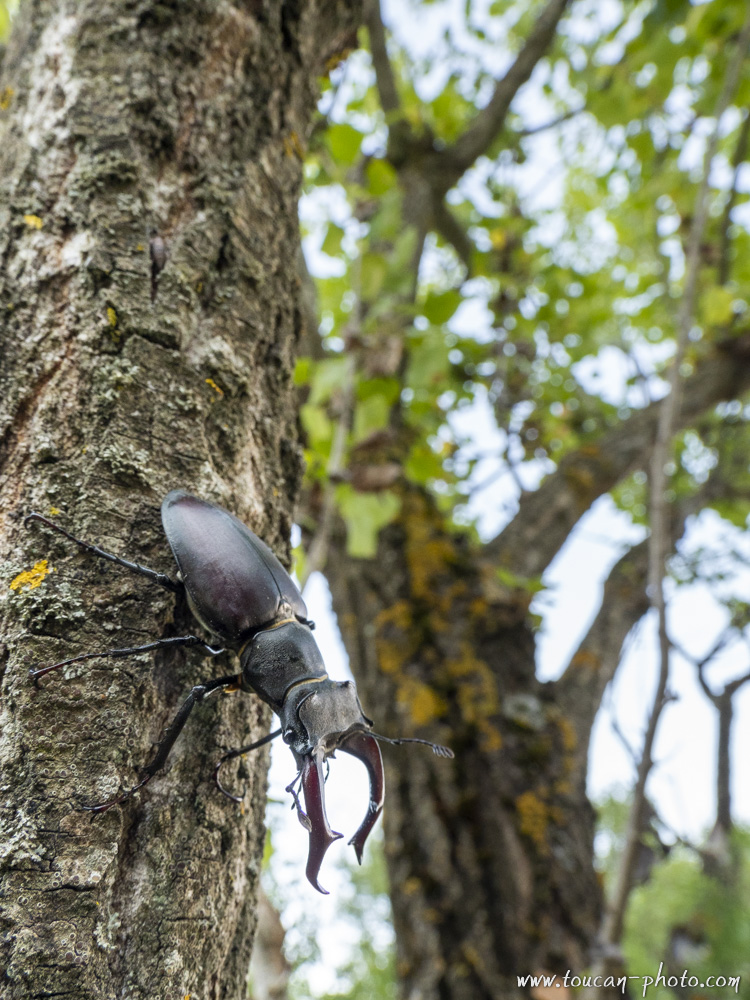
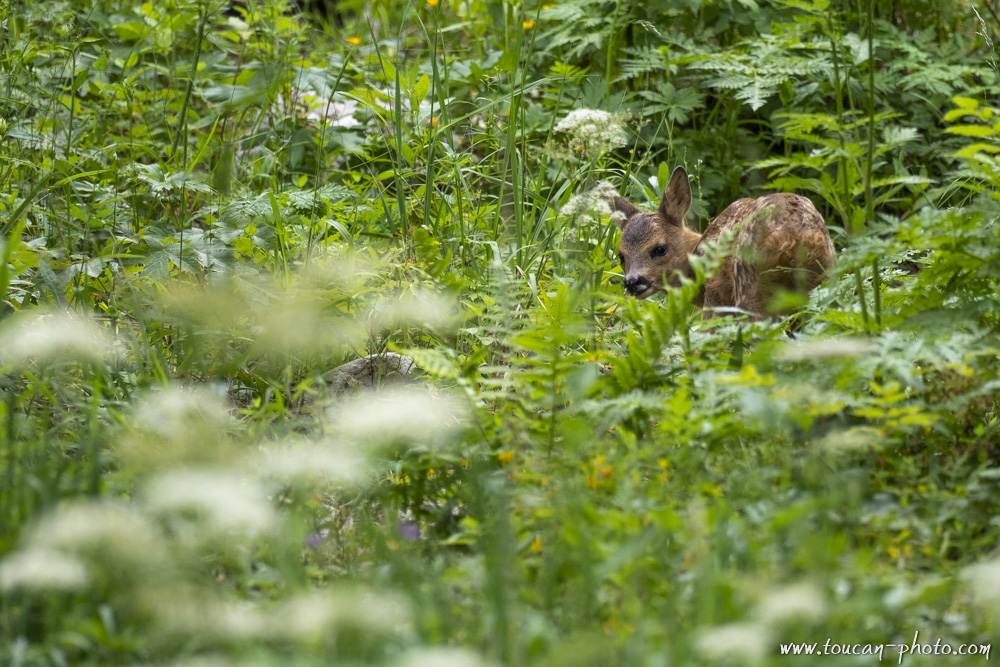
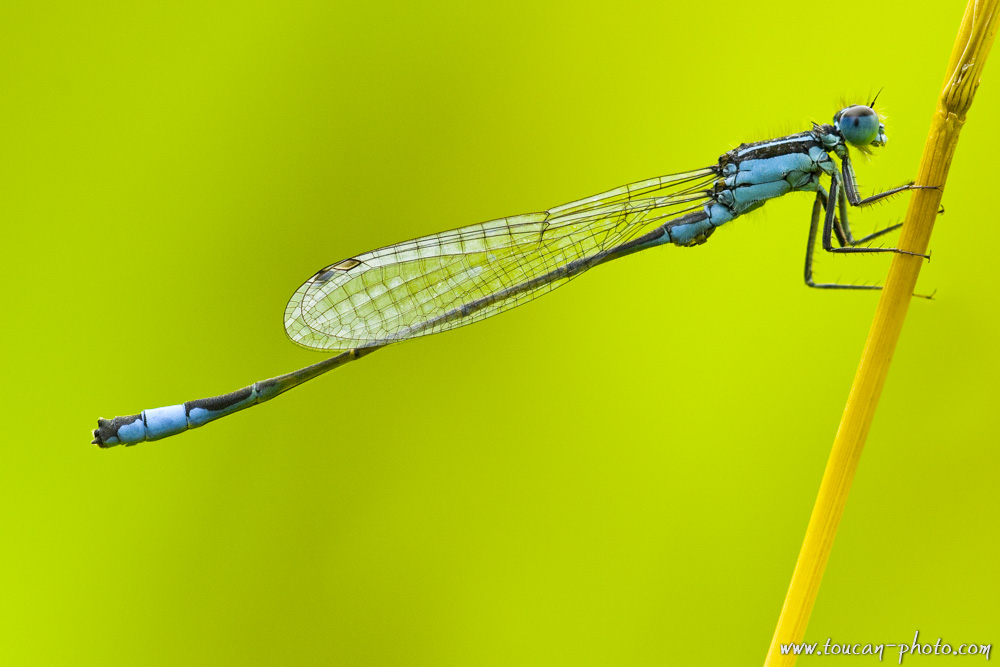
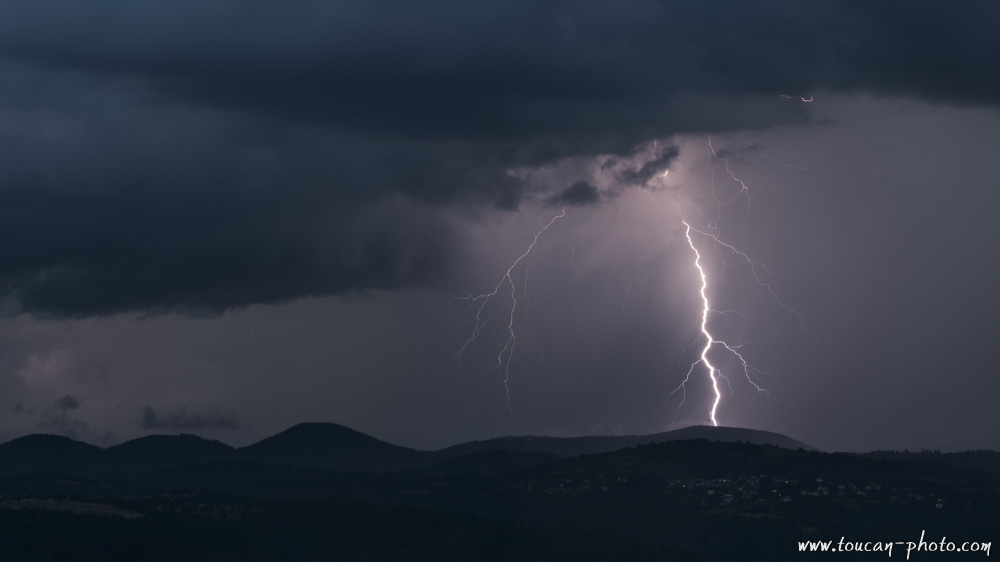
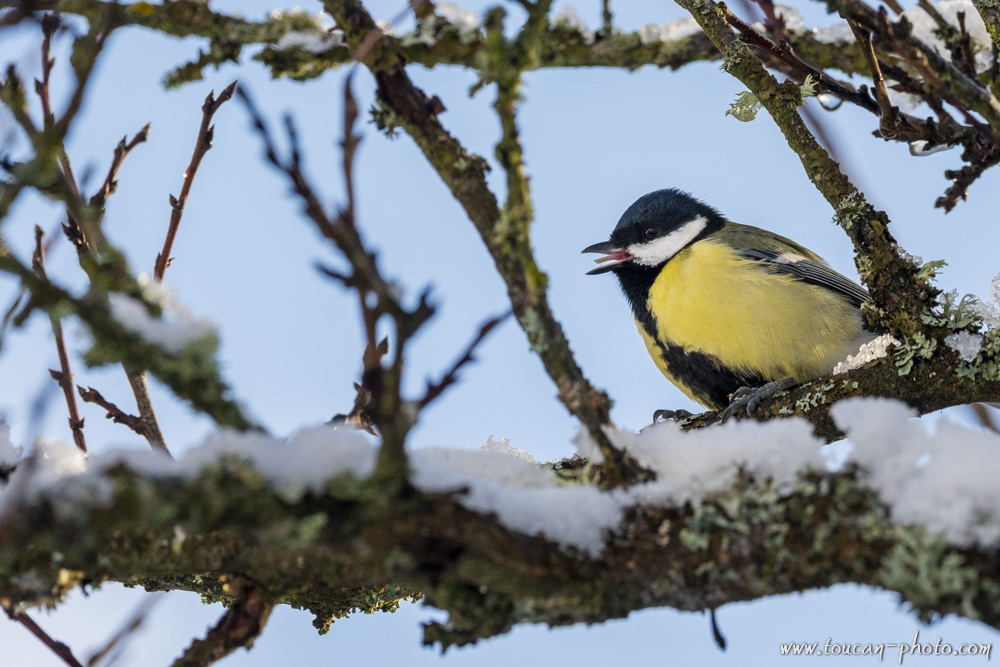
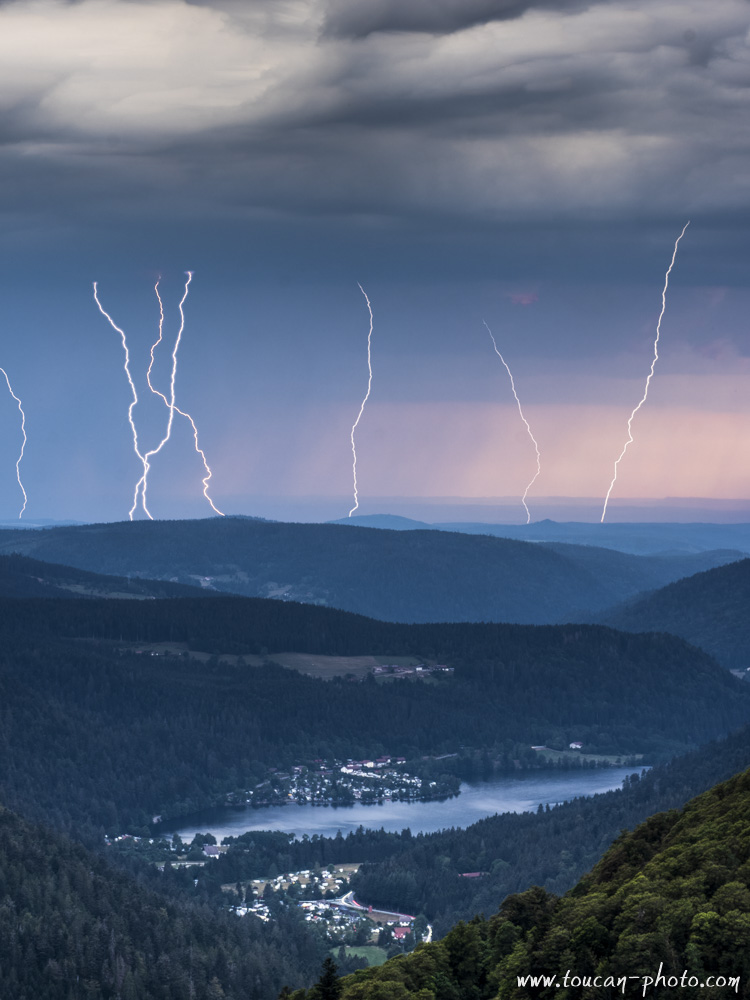
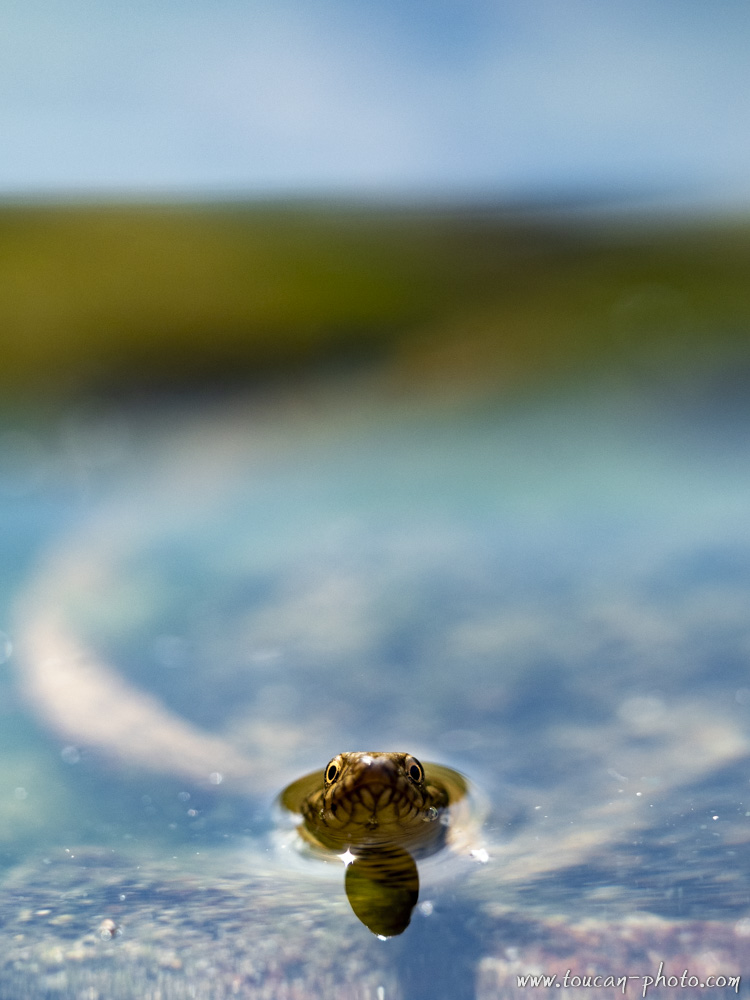
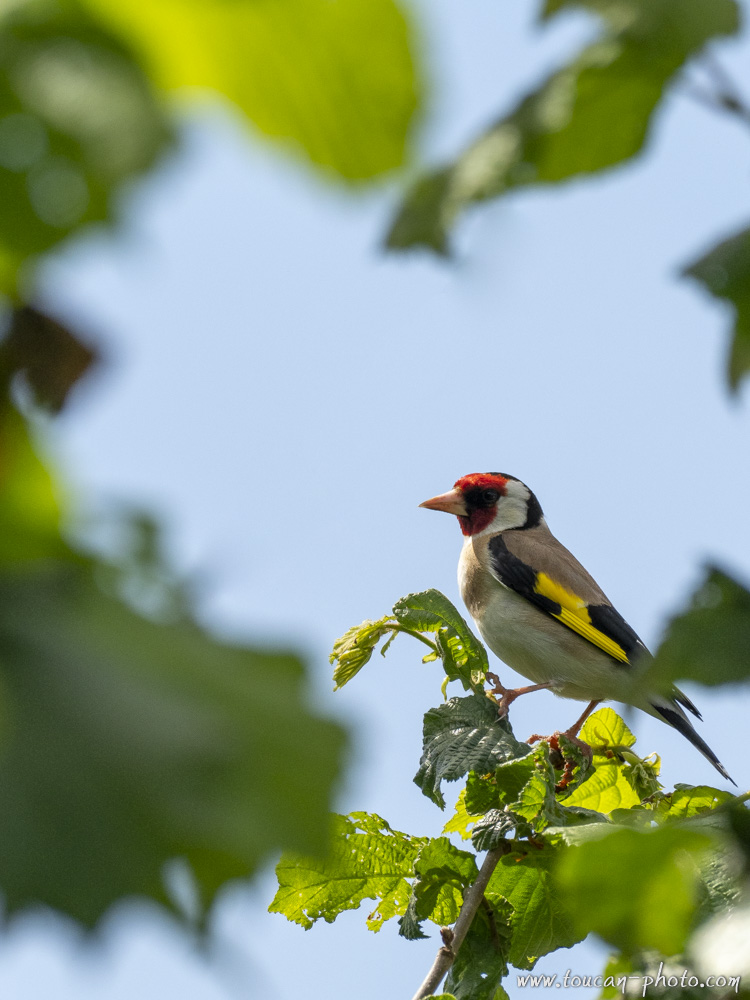
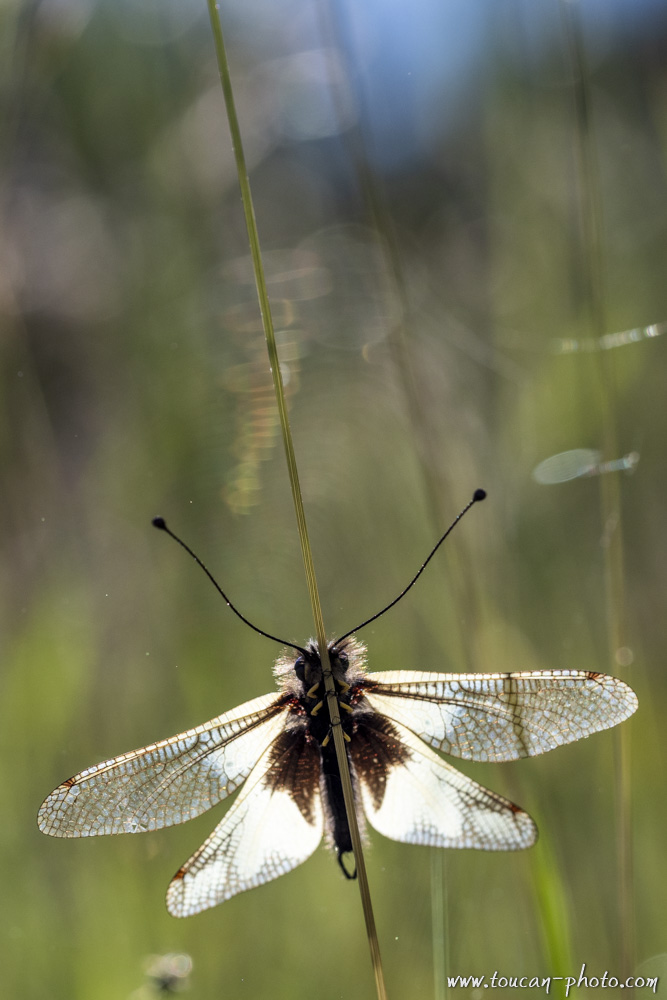
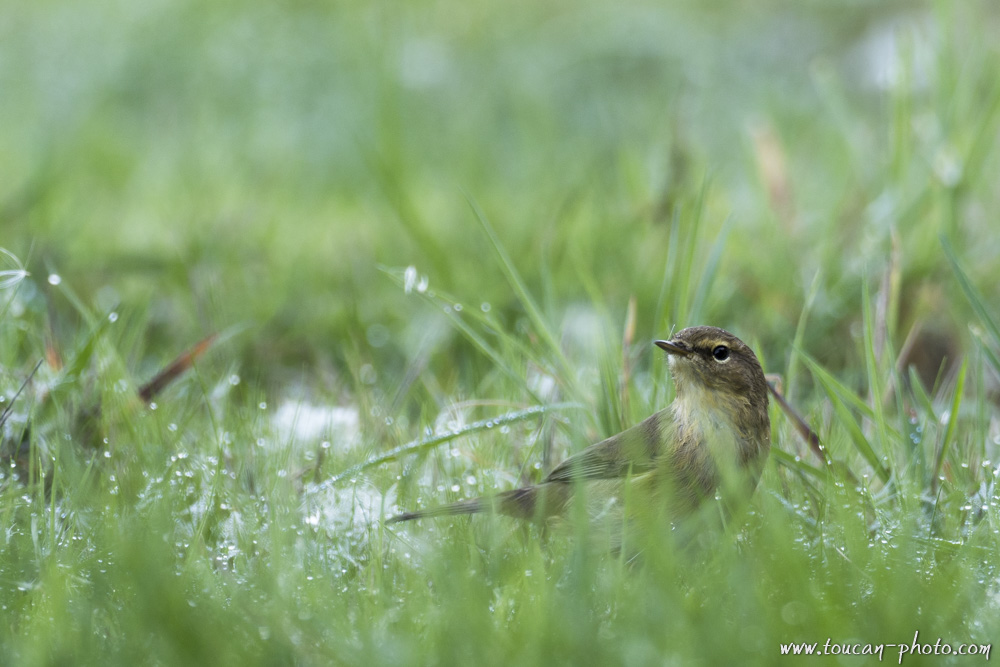
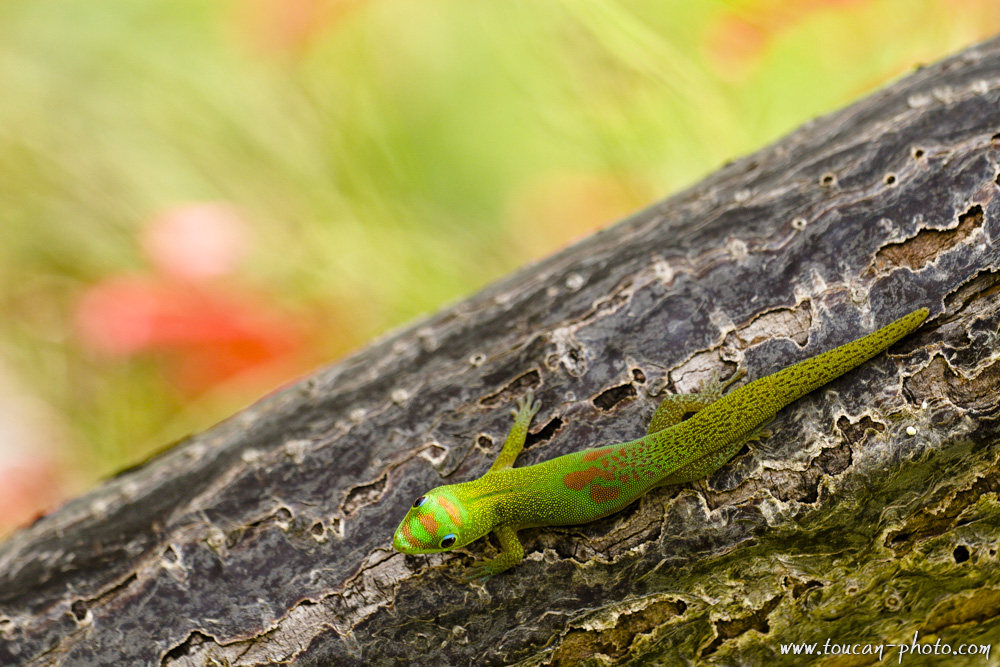
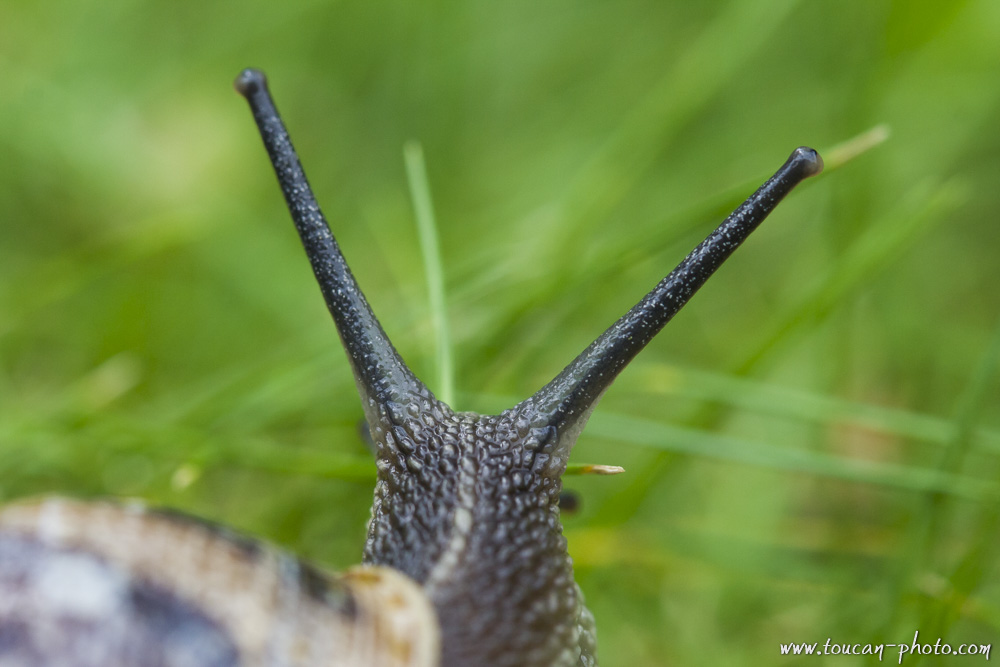
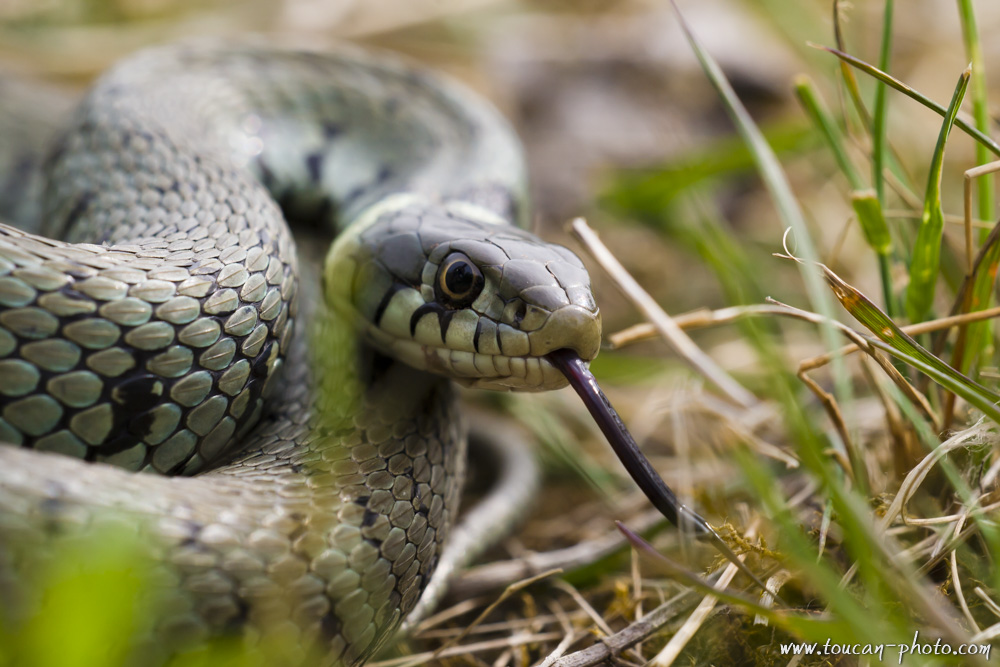
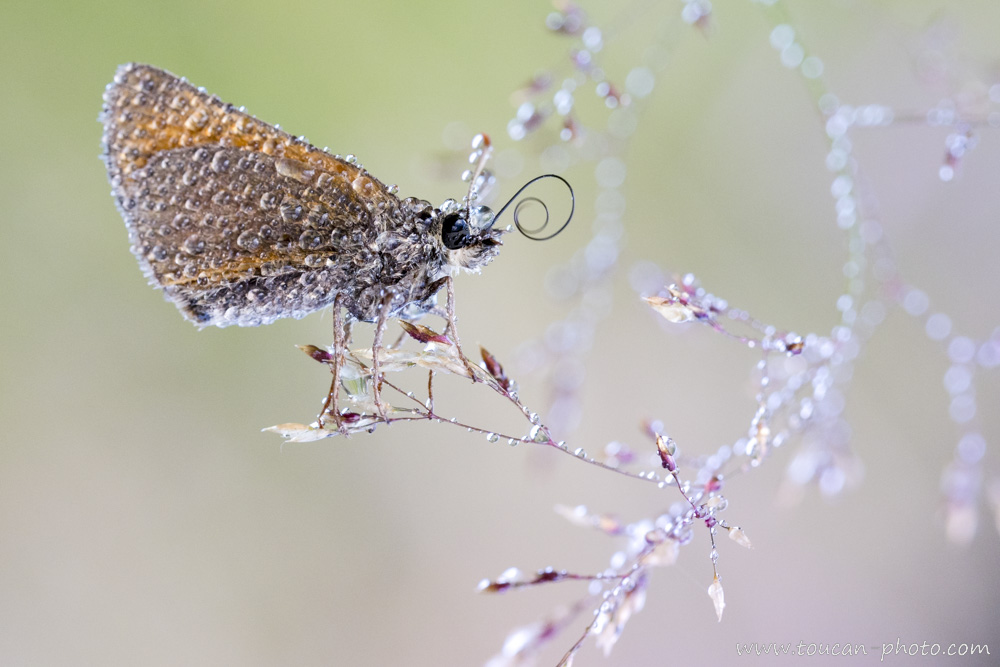
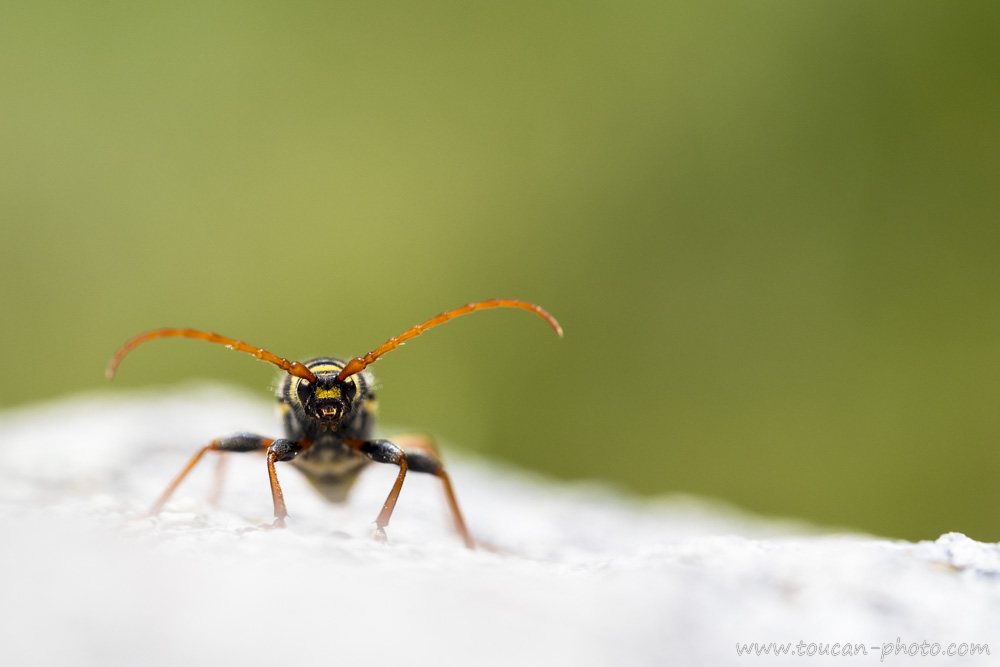
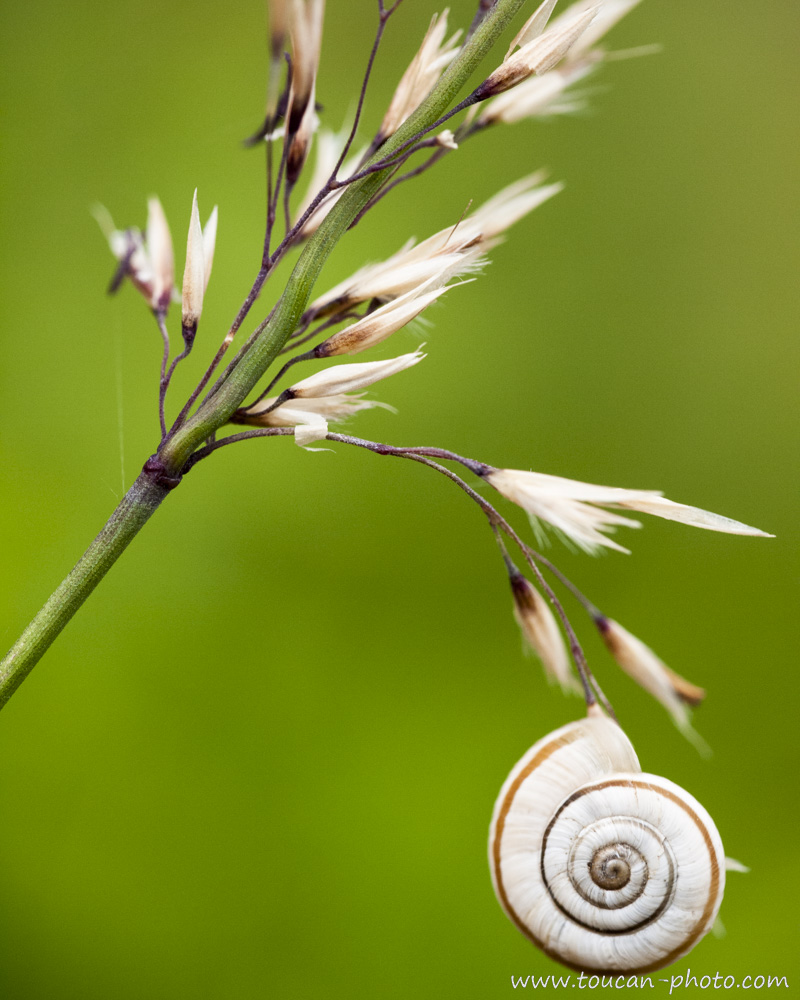
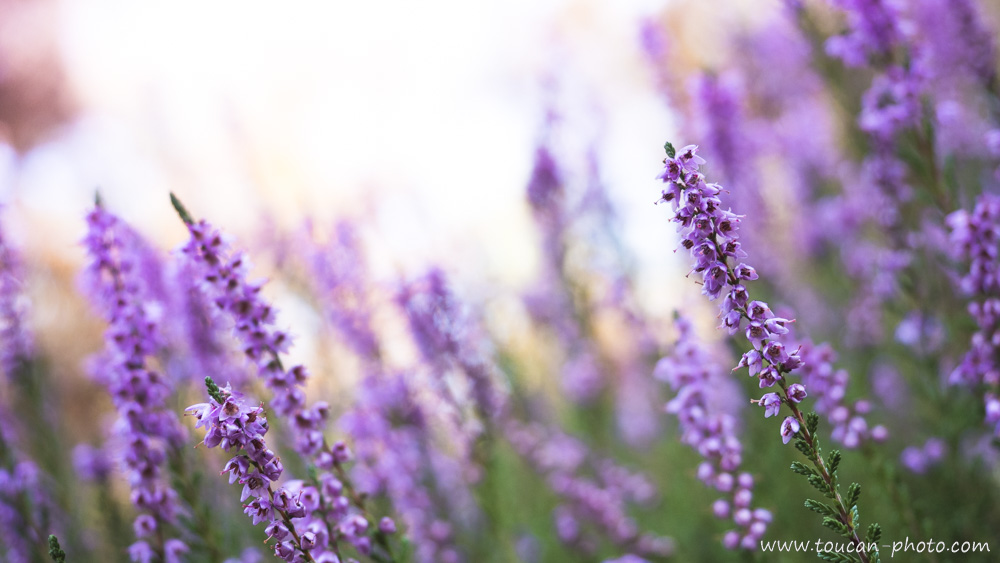
The photographs in this category reflect that diversity. They were taken both in mainland France, particularly in the Alps, and on Réunion Island, a volcanic island in the Indian Ocean renowned for its spectacular scenery and unique biodiversity. Together, they illustrate the richness of French wildlife and the remarkable variety of environments found across this multifaceted country.
Through these photographs, I invite you to discover a France where mountains, coastlines, forests, volcanic islands and wild landscapes remind us that the country’s greatest treasure may well be the extraordinary diversity of its natural heritage.
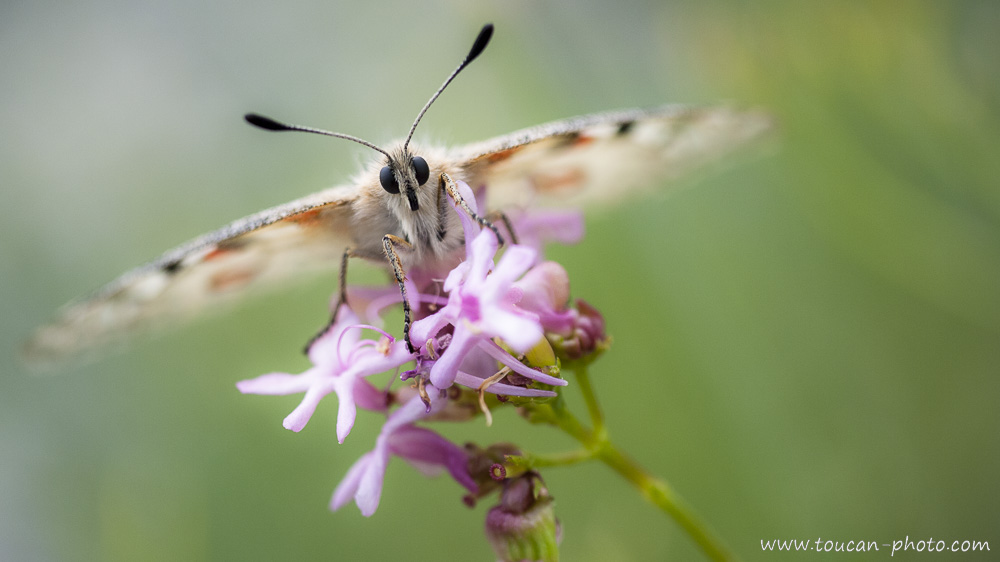
A fragile symbol of alpine landscapes, the Apollo reminds us of the richness—and vulnerability—of mountain biodiversity.
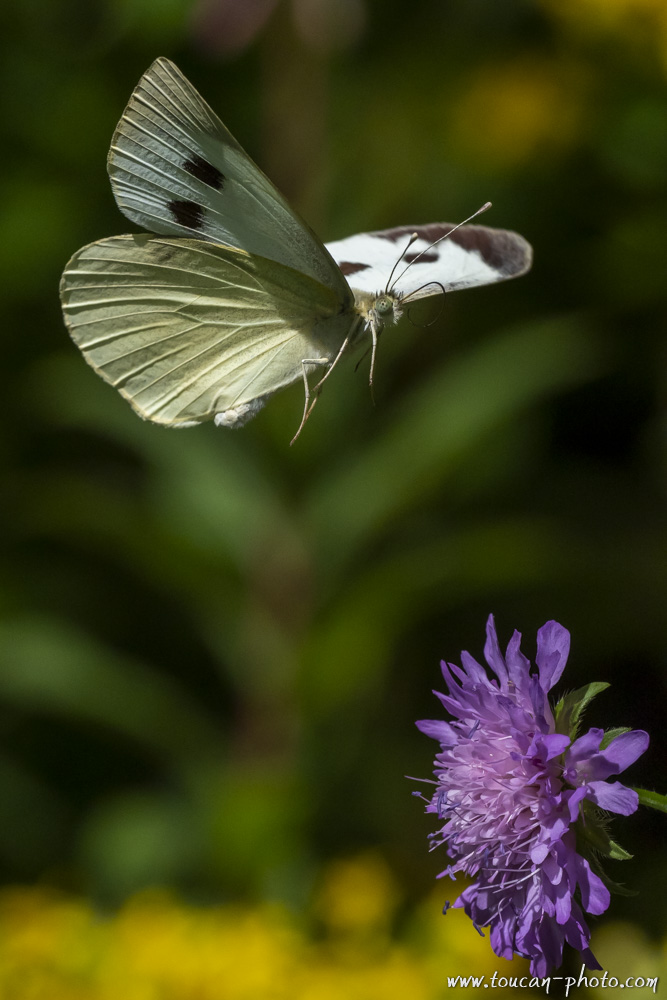
Emerging each summer on the sun-drenched slopes of the Alps, the Apollo (Parnassius apollo) is one of Europe’s most iconic and protected butterfly species.
Its white wings, dotted with black spots and two distinctive red ocelli (eyespots), serve a vital purpose: startling predators by mimicking the eyes of a larger animal. Highly sensitive to temperature fluctuations, the Apollo acts as a “barometer” for climate change. Its larvae depend exclusively on stonecrop plants (Sedum) found in rocky screes. As alpine habitats change, this species is increasingly forced to seek refuge at higher altitudes to survive.