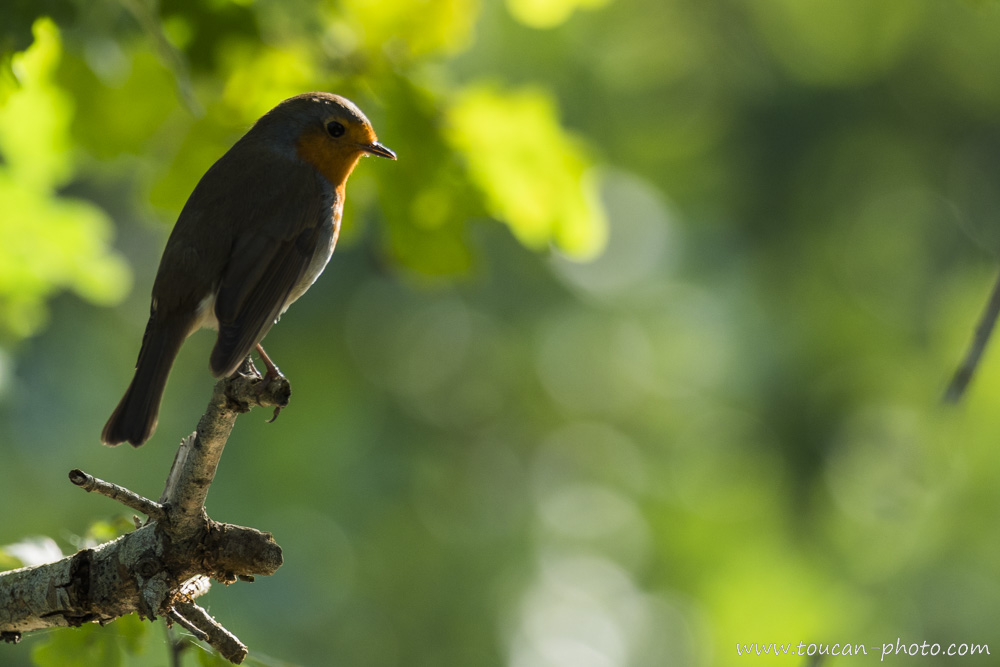
European Robin (Erithacus rubecula)
France is home to an exceptional diversity of landscapes and natural environments. From the coastlines of the English Channel to the peaks of the Alps, from temperate forests and fertile plains to the Atlantic cliffs and Mediterranean shores, mainland France alone encompasses a remarkable variety of ecosystems. Yet France extends far beyond continental Europe. Thanks to its overseas territories, spread across the Atlantic, Indian, Pacific and Southern Oceans, the country spans several continents and possesses the world’s second-largest Exclusive Economic Zone (EEZ), giving it one of the richest natural heritages on the planet.
The photographs in this category reflect that diversity. They were taken both in mainland France, particularly in the Alps, and on Réunion Island, a volcanic island in the Indian Ocean renowned for its spectacular scenery and unique biodiversity. Together, they illustrate the richness of French wildlife and the remarkable variety of environments found across this multifaceted country.
Through these photographs, I invite you to discover a France where mountains, coastlines, forests, volcanic islands and wild landscapes remind us that the country’s greatest treasure may well be the extraordinary diversity of its natural heritage.
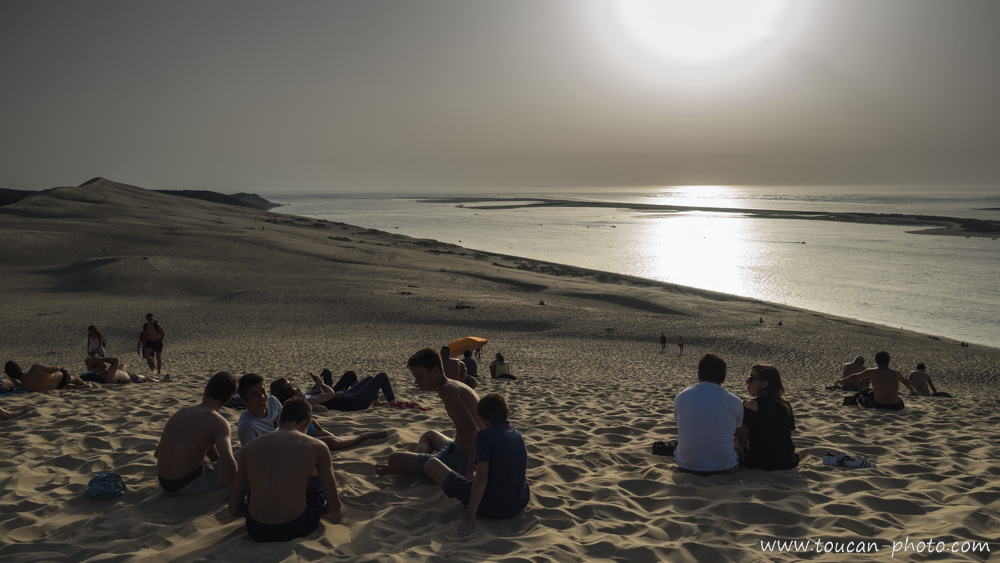
Dune of Pilat, France
The dune du Pilat is about 110 meters above sea level. This dune is the european tallest one., la dune du Pilat est la plus haute dune d’Europe. The dune has a volume of about 55,000,000 m³.
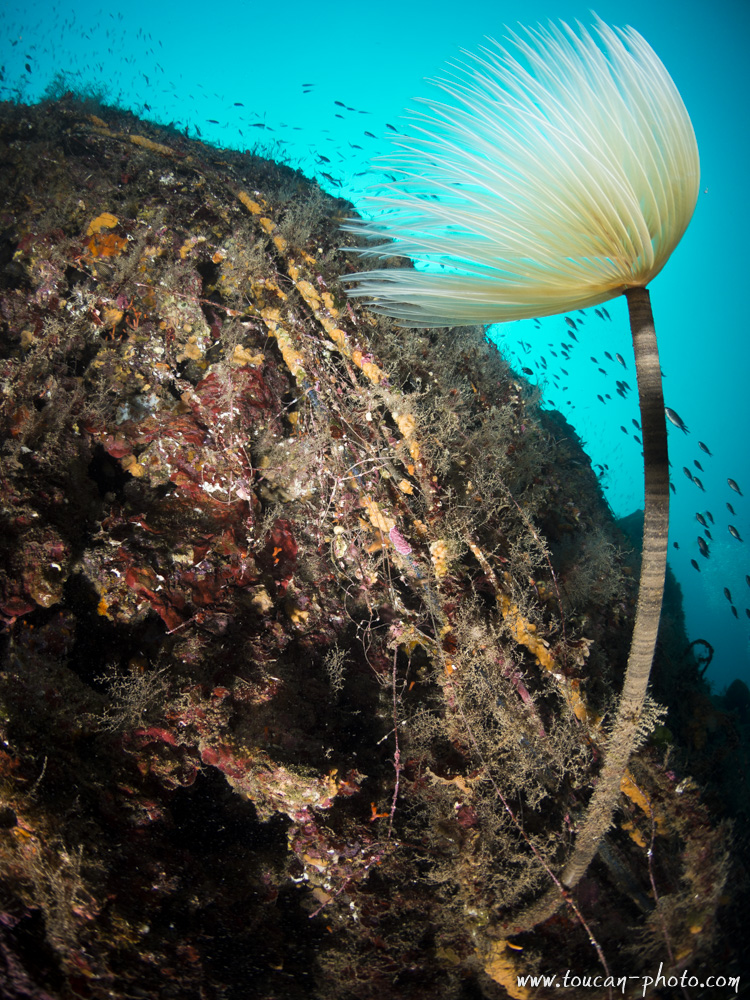 Spirographe (Spirographis spallanzani), Mediterranean sea
The Spirograph is a sea worm living in the Mediterranean Sea, in the Atlantic Ocean and in the North Sea.
This animal, living and fixed on a rock wall, can be seen up to 40 meters deep in the water. Being able to measure up to 35 centimeters long, this animal deploys from its mouth a feather duster of filaments enabling to catch its food and some air. The stem of this sea flower is in reality a tube made out of mucus and sand by the worm.
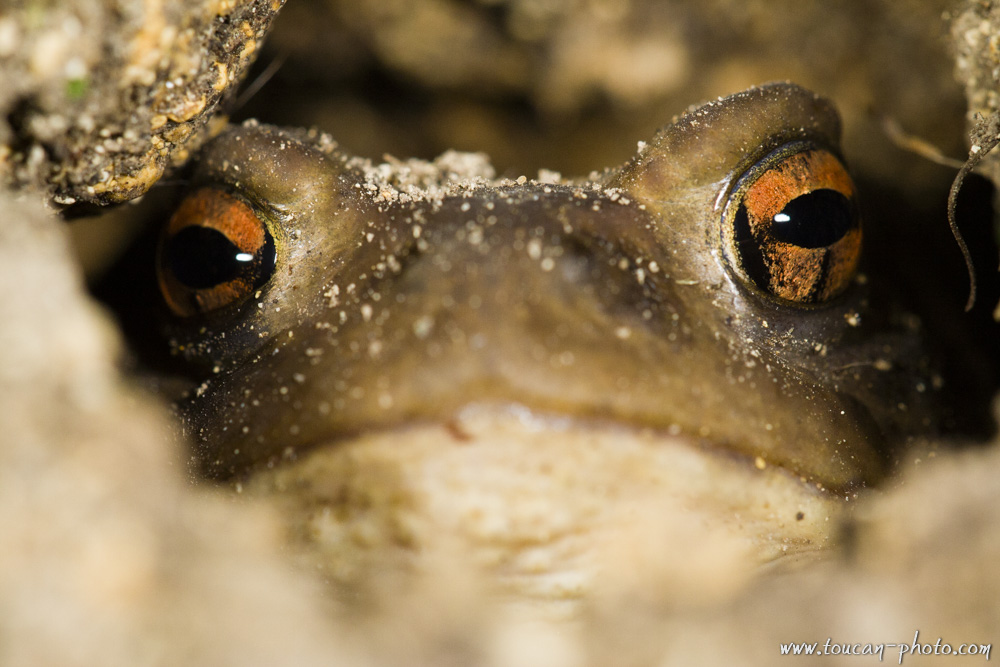 A toad eagerly awaiting in his hole
The bufo bufo is a nocturnal animal. This animal spends the day hidden in a hole he dug, in abandoned burrows or simply under a stone or a dead piece of wood. This hiding place serves also as base for hunting. Indeed, the common toad hunts mainly on the lookout. He stays at the exit of his hole until a prey (fly, caterpillar, slug…) passes nearby. Then, he can catch the prey with his sticky tongue.
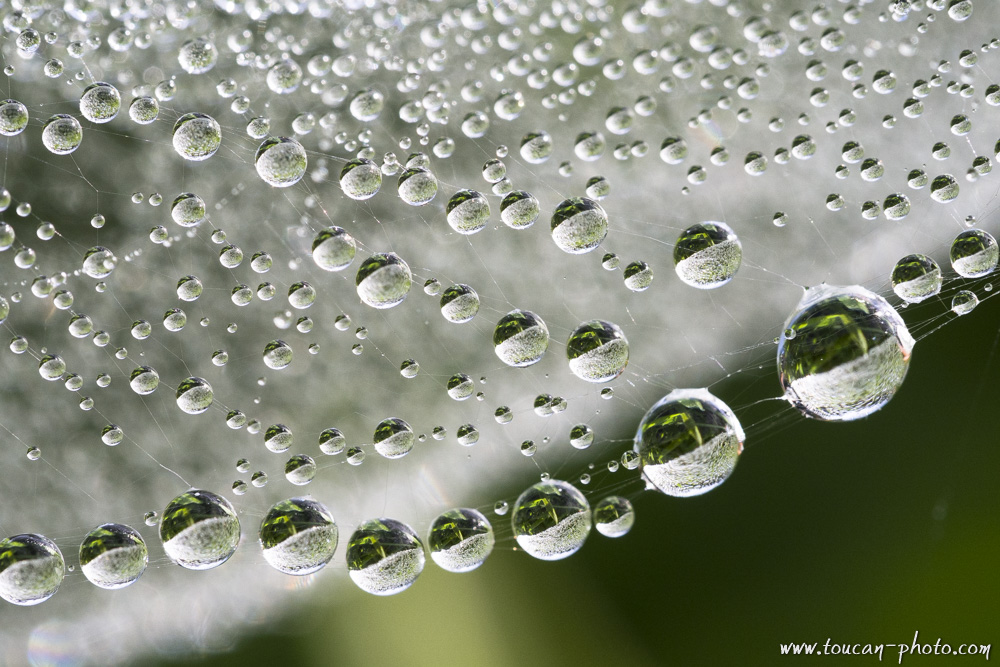
The life of a raindrop is full of adventure. Its journey will take it to the bottom of the ocean abyss at 11,000 meters below sea level. It will make its way around the world several times until one day it evaporates and climbs the great heights to join the clouds, 9,000 meters in the air.
However the life of a raindrop can also be a life of ongoing patience. Some raindrops wait, frozen in the antarctic ice for over 800,000 years. A raindrop that decides to take aim for a lake will have to wait 17 years before it can once again evaporate; its oceanic cousin will have to wait more than 3,000 years. Once evaporated, the raindrop still has an 8 day journey crossing layers of terrestrial atmosphere before finally rejoining its cloud.
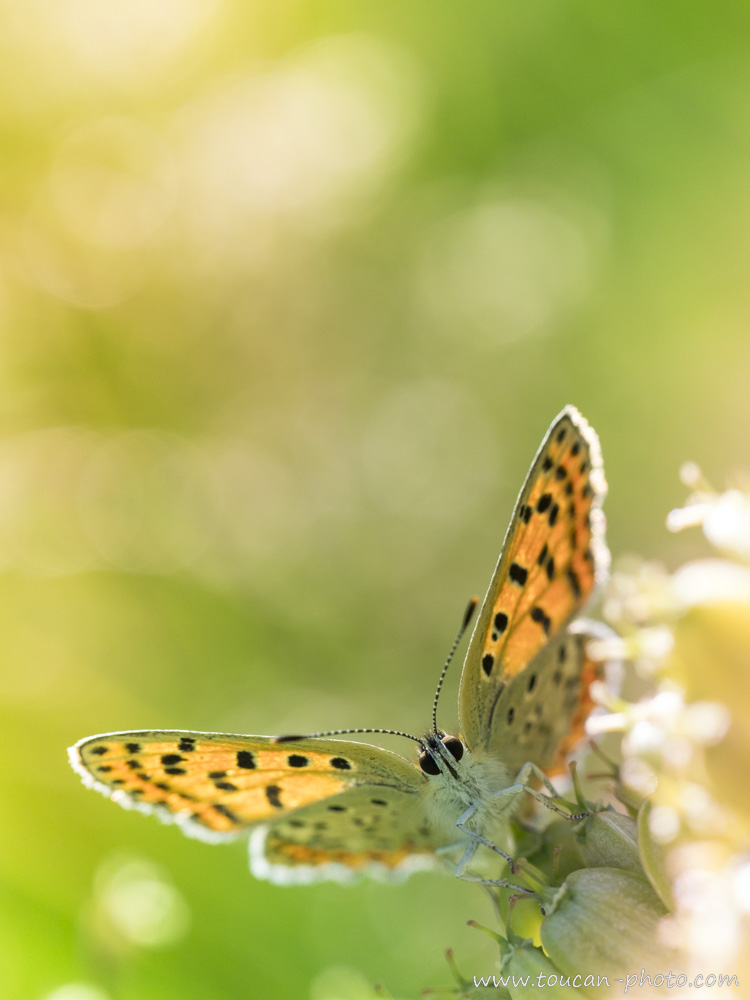
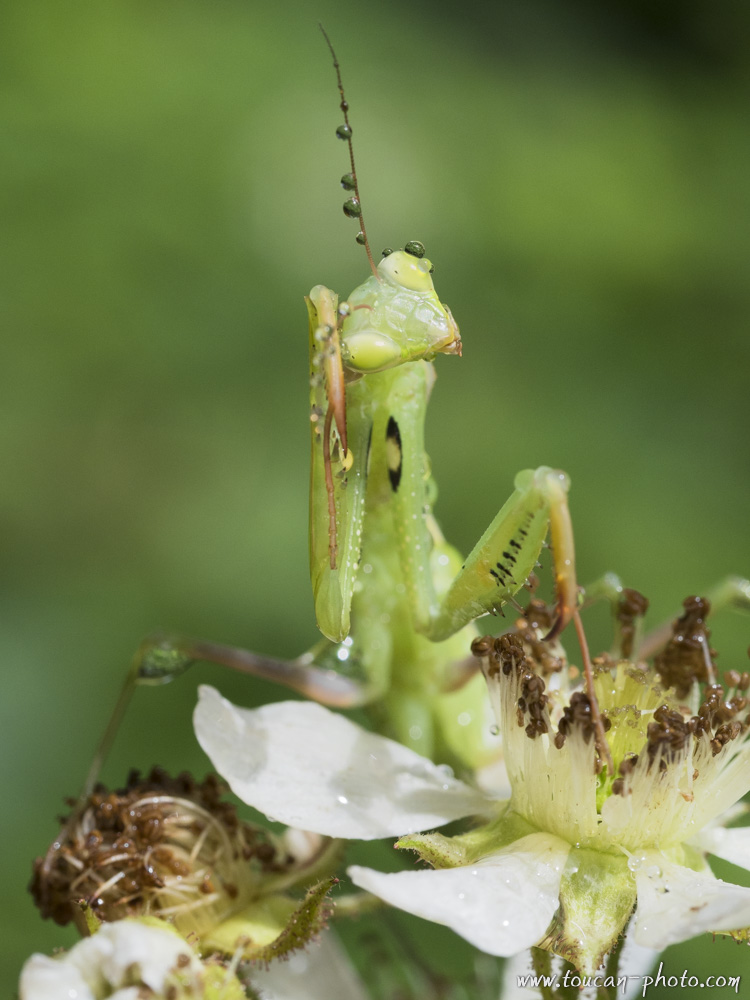
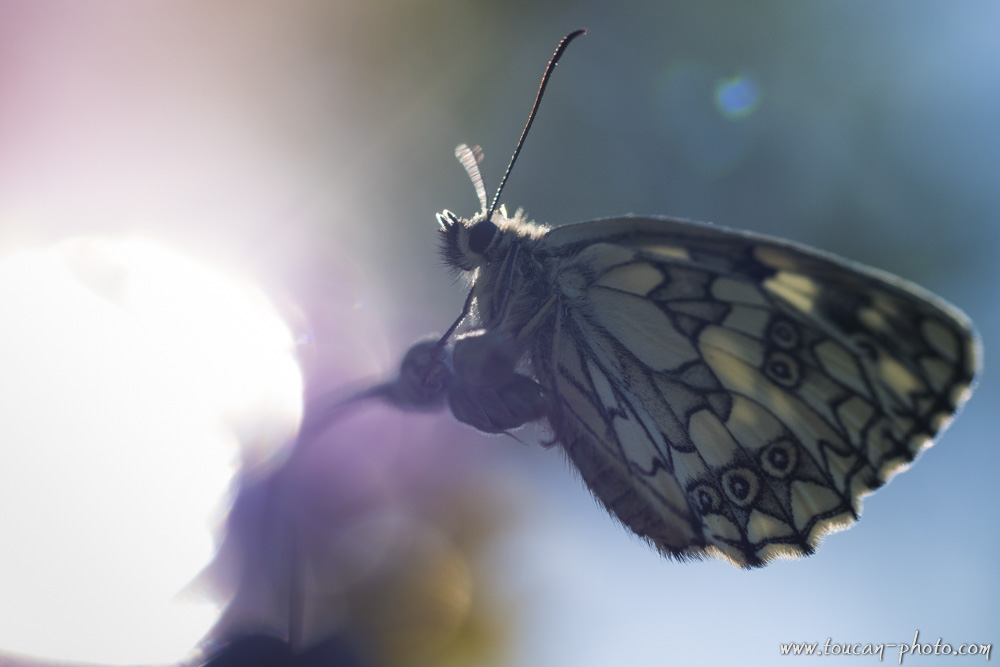 The marbled white (Melanargia galathea)
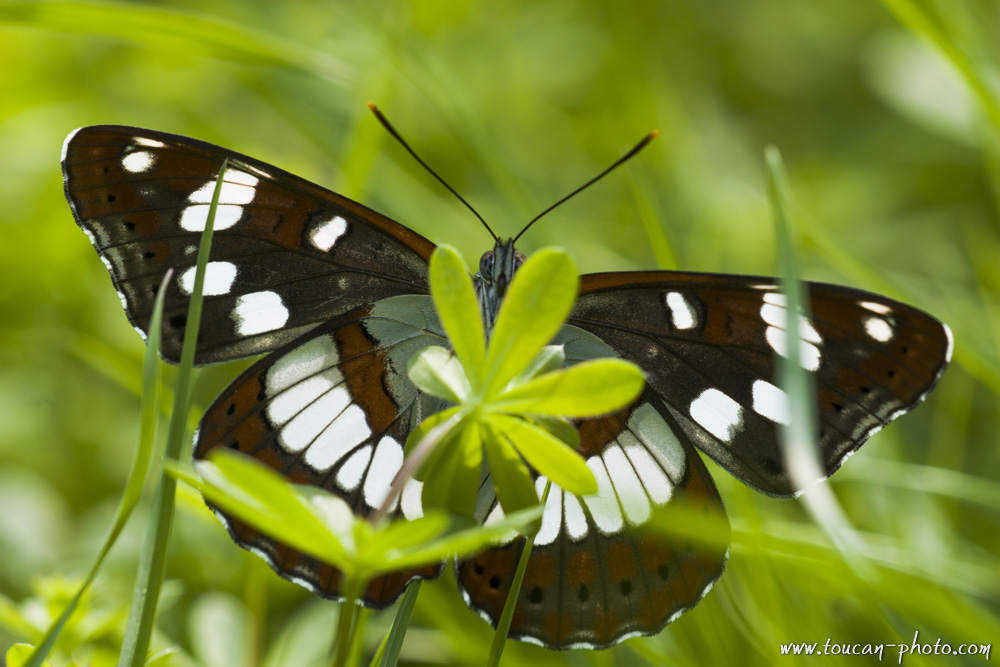 Sylvain azure (Limenitis reducta)
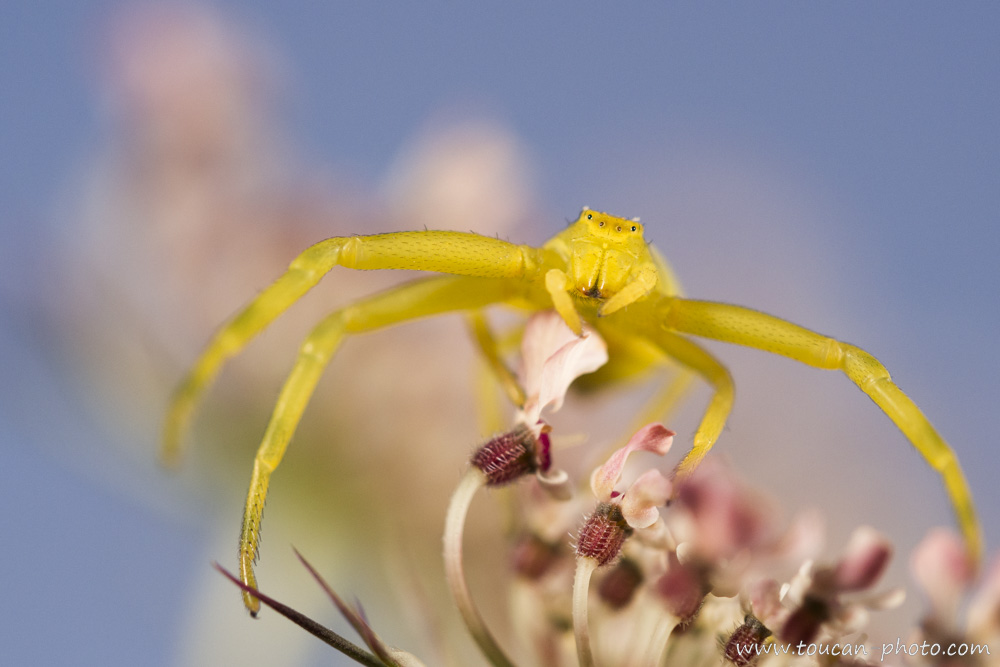
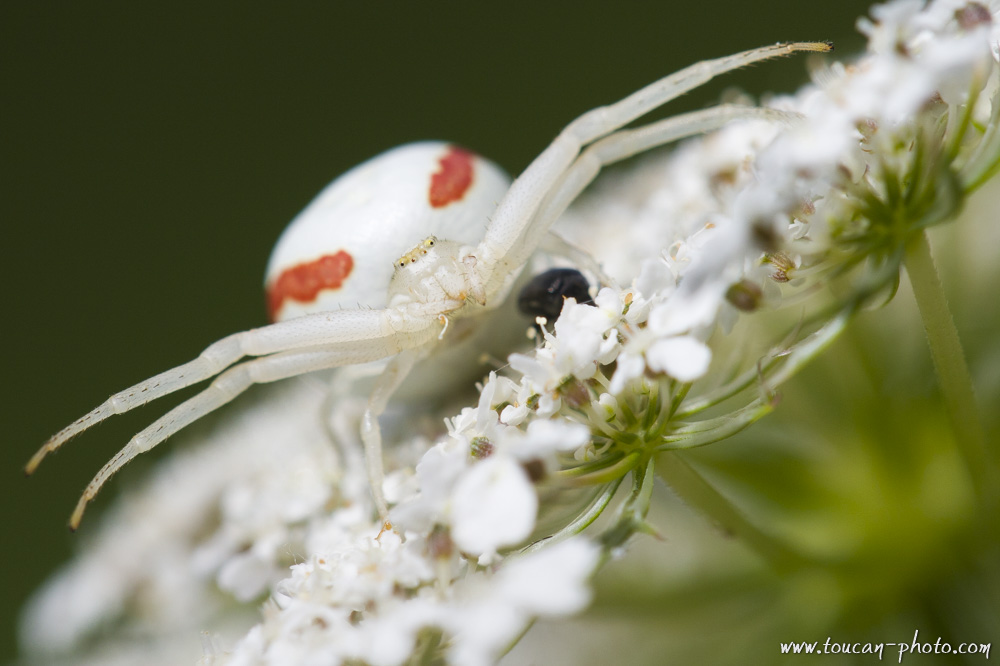 Flower crab spider (genius: Misumena)
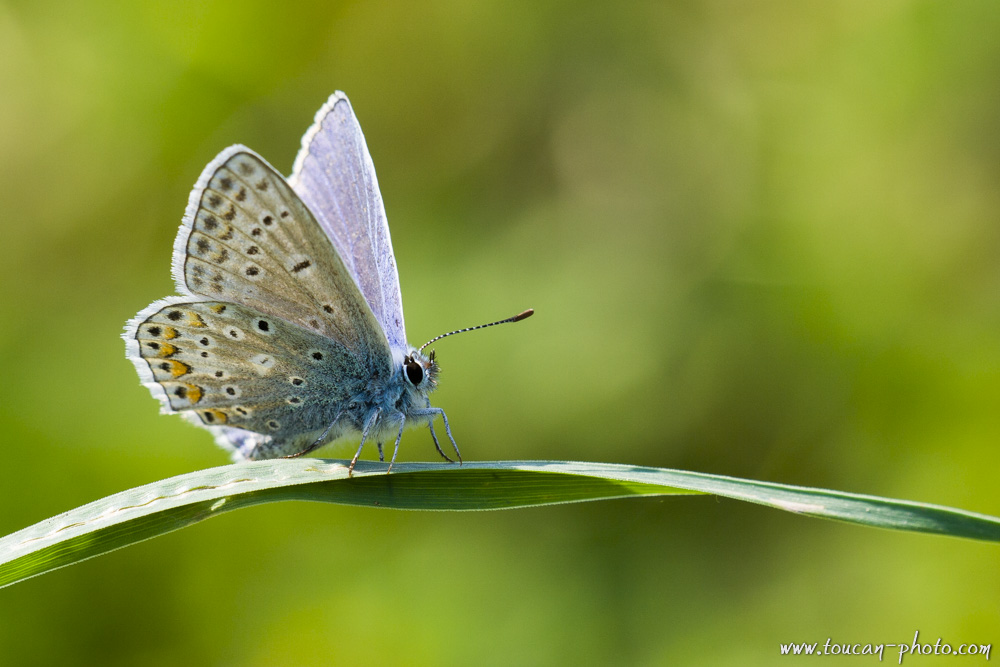 Common blue (Polyommatus icarus)
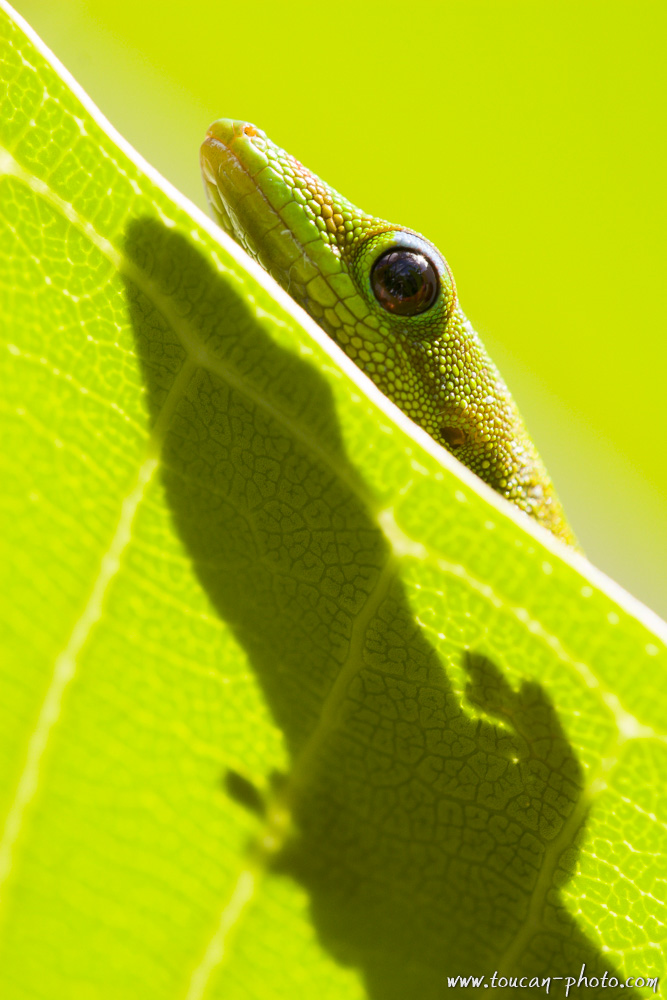 Gold dust gecko (Phelsuma laticauda), France, Reunion Island
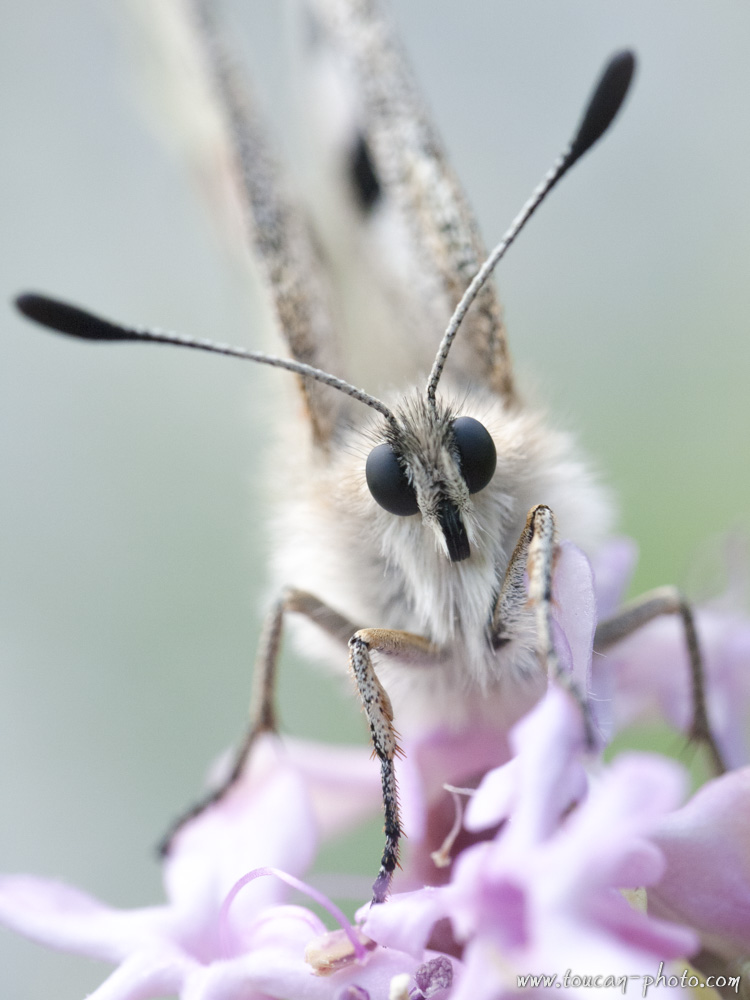 Apollo (Parnassius apollo rhodopensis)
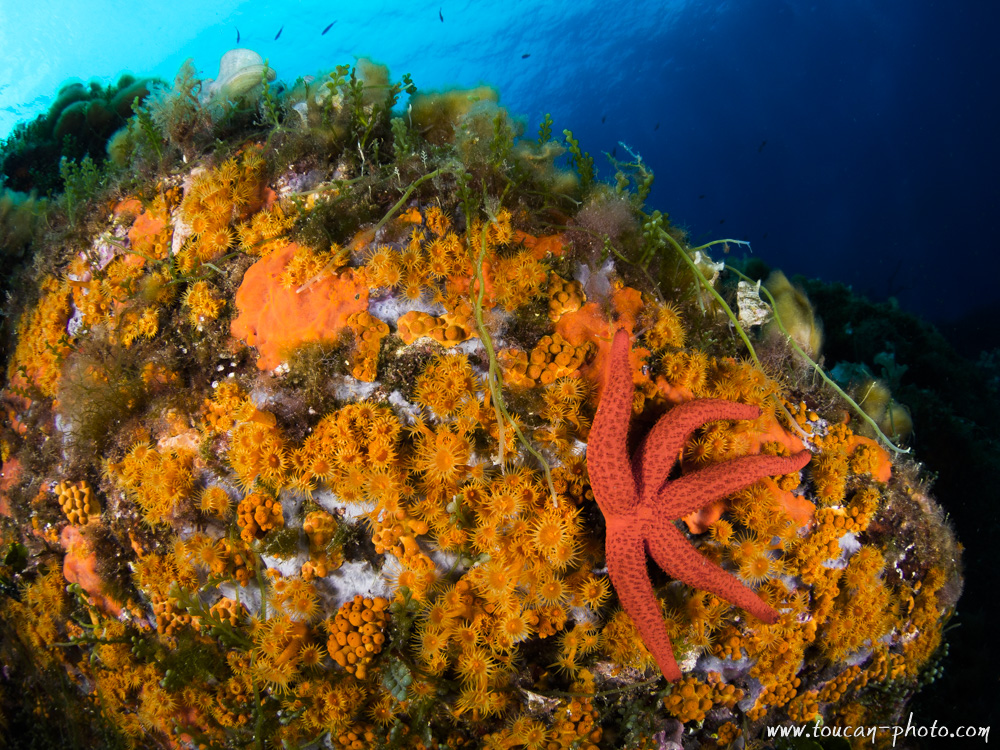 Mediterranean red sea star (Echinaster sepositus), France, Mediterranean Sea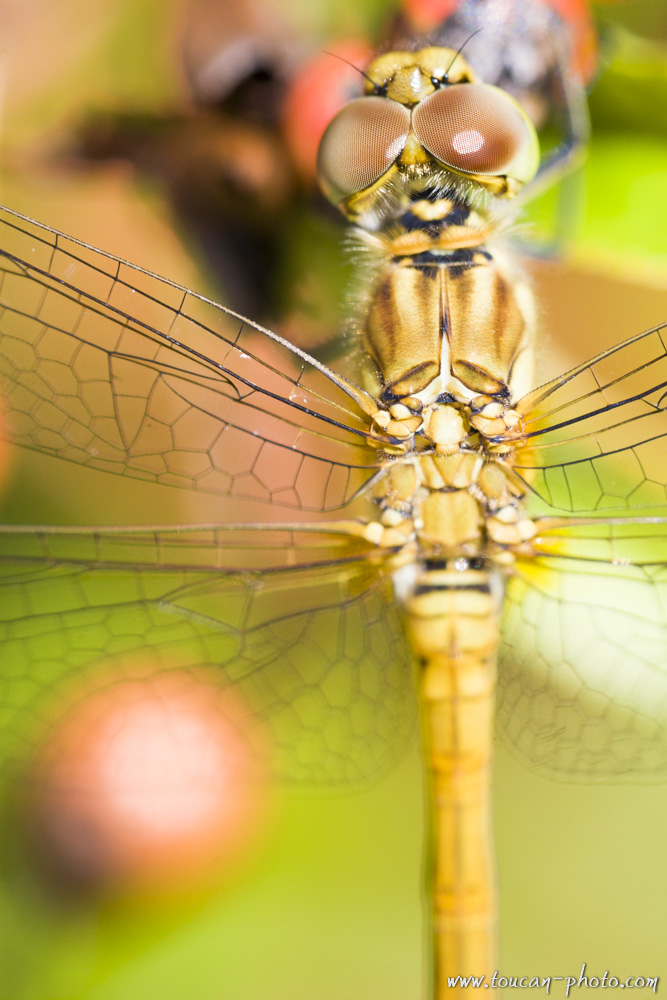
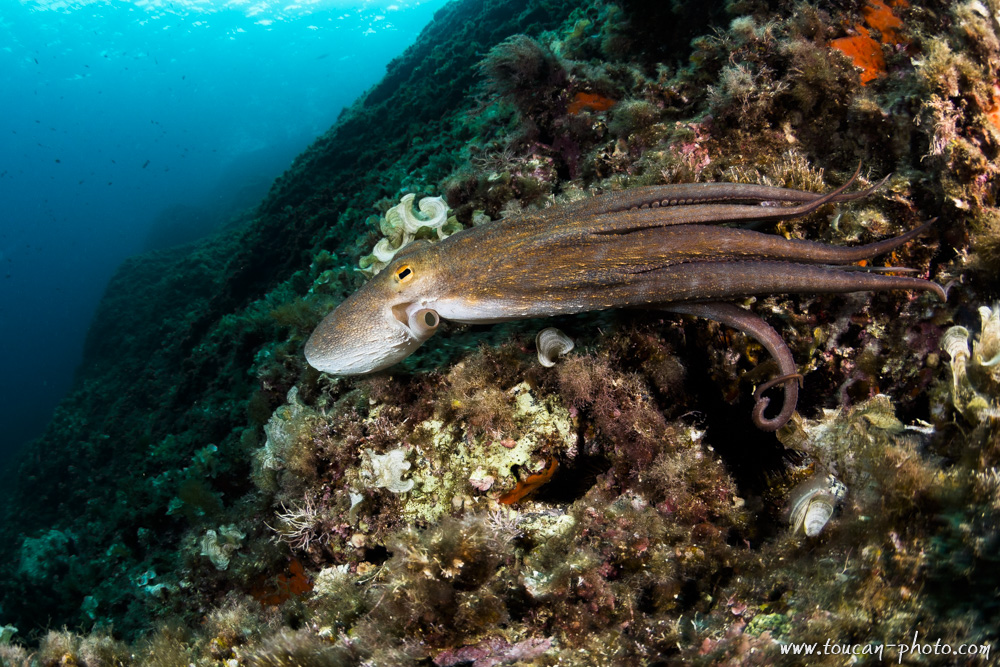 The common octopus (Octopus vulgaris) arms can length up to 1 meter long
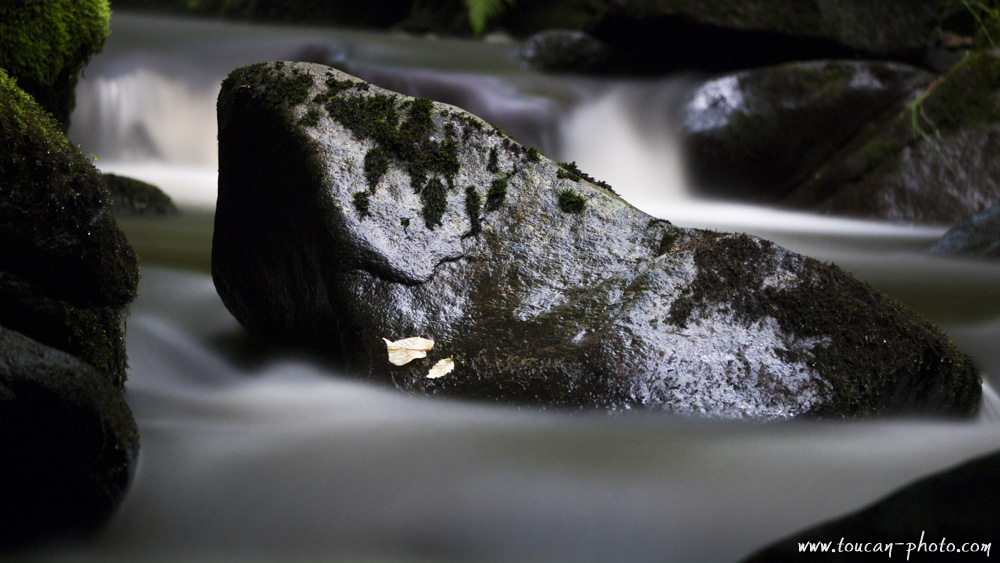 Stream, Auvergne, France
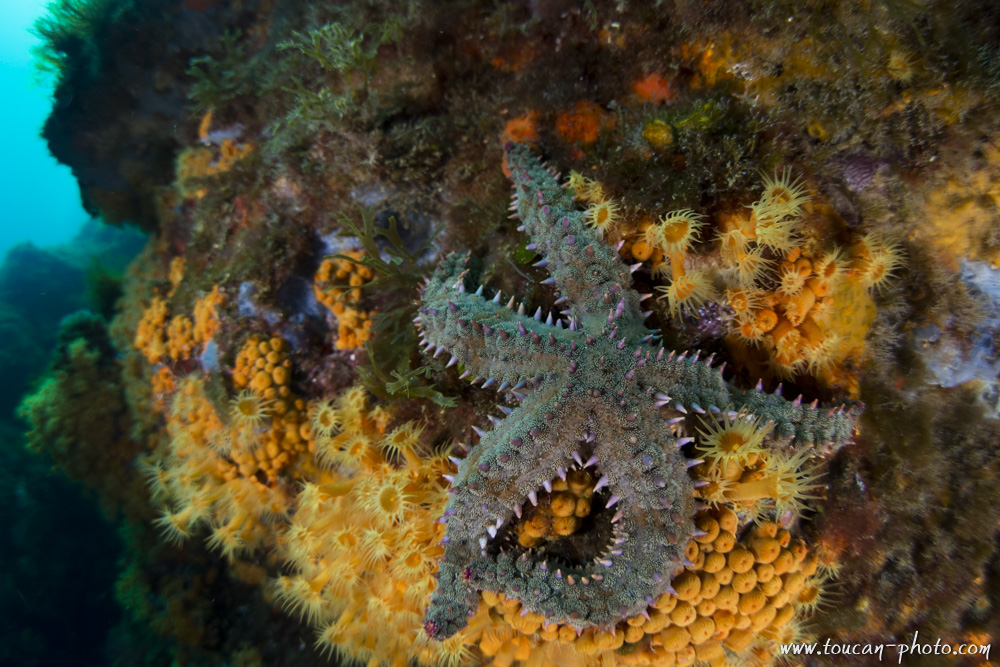 Spiny starfish (Marthasterias glacialis)
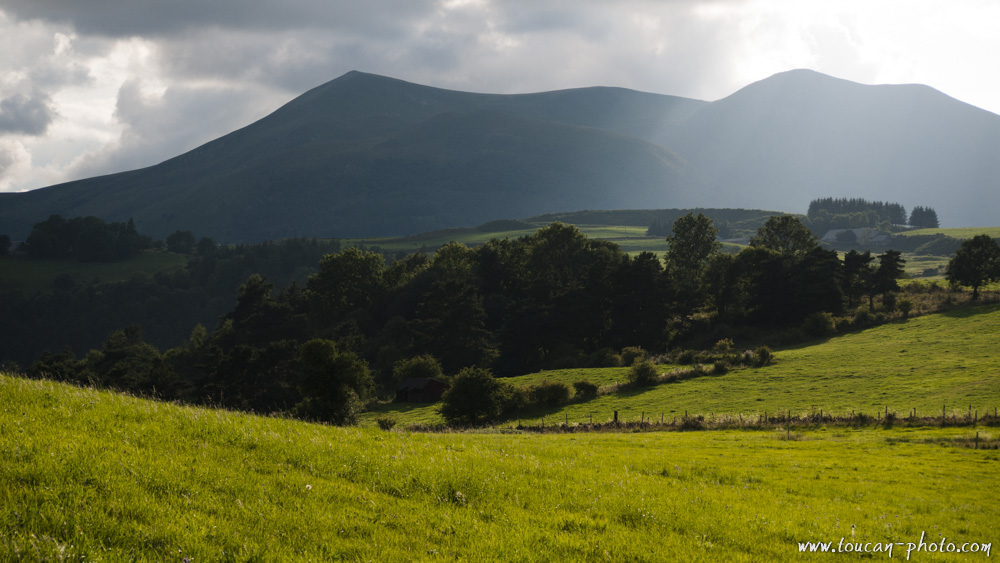 Auvergne, France
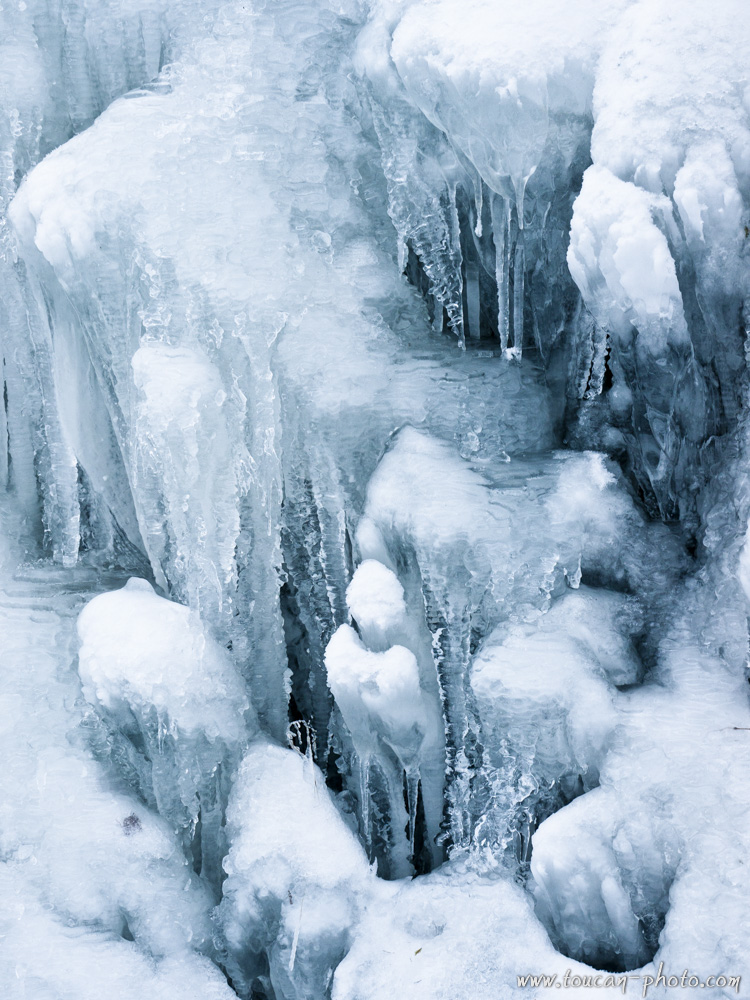 Icefall, Auvergne, France