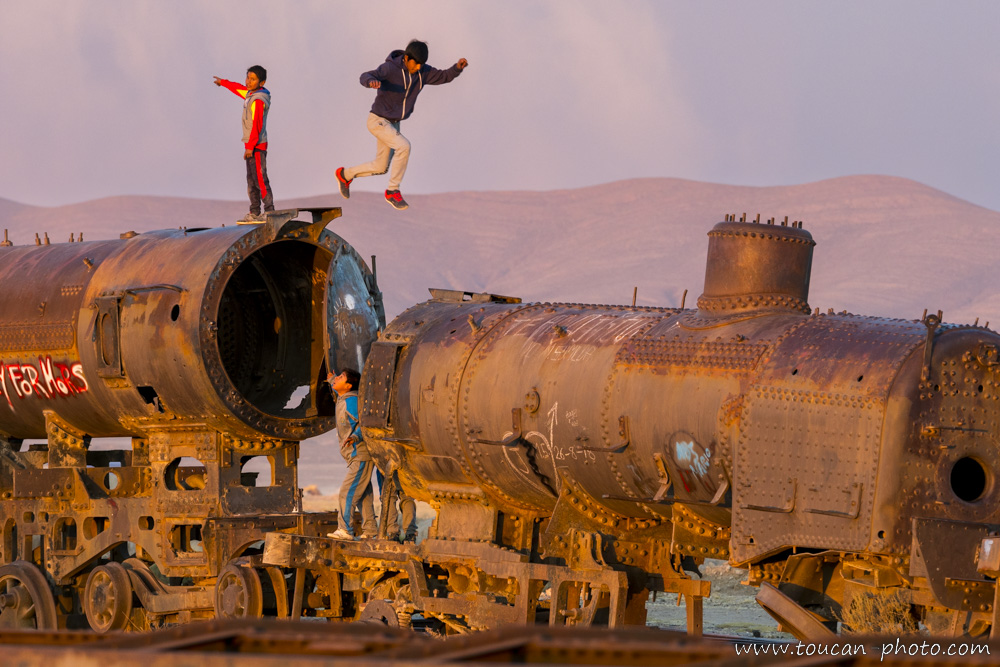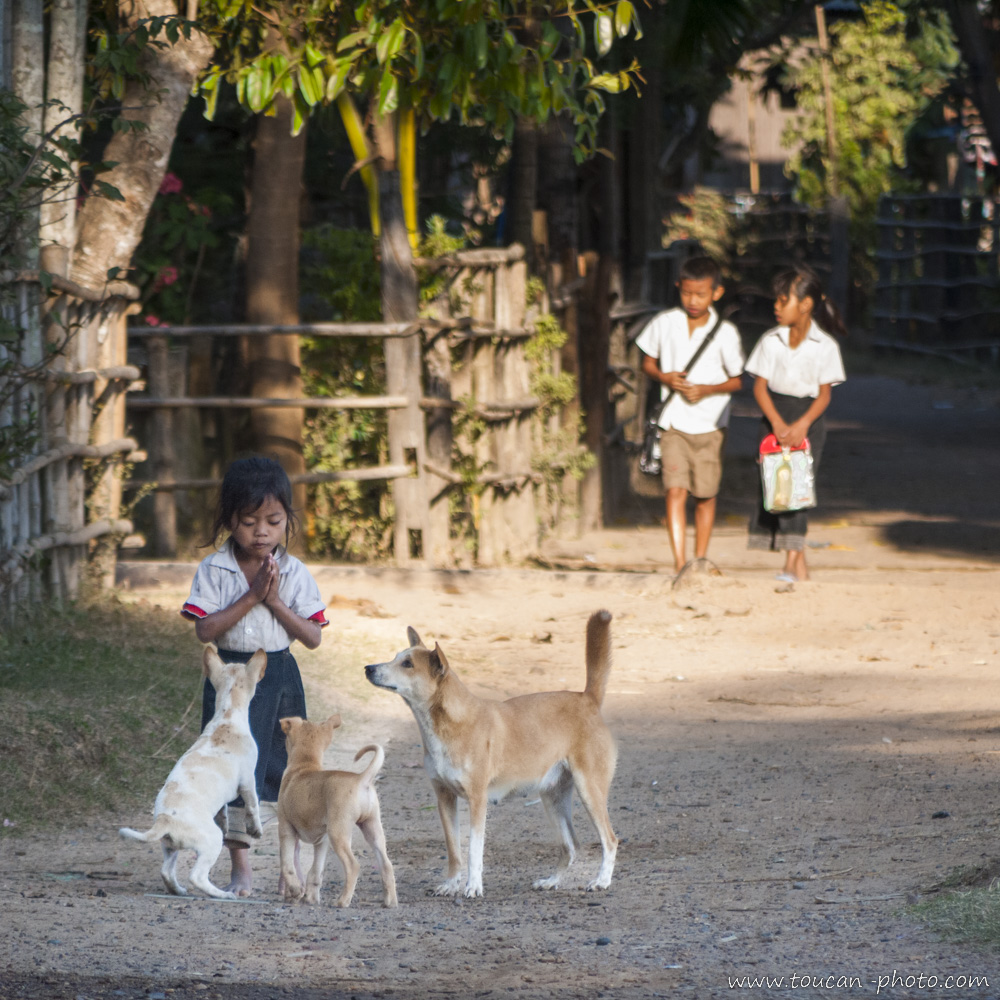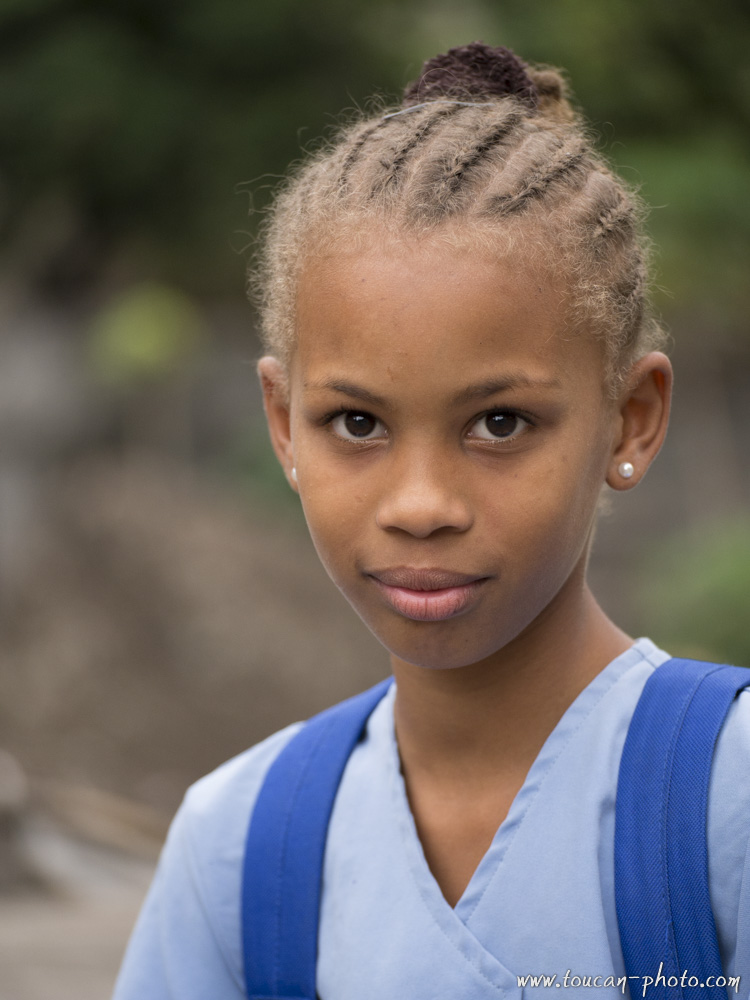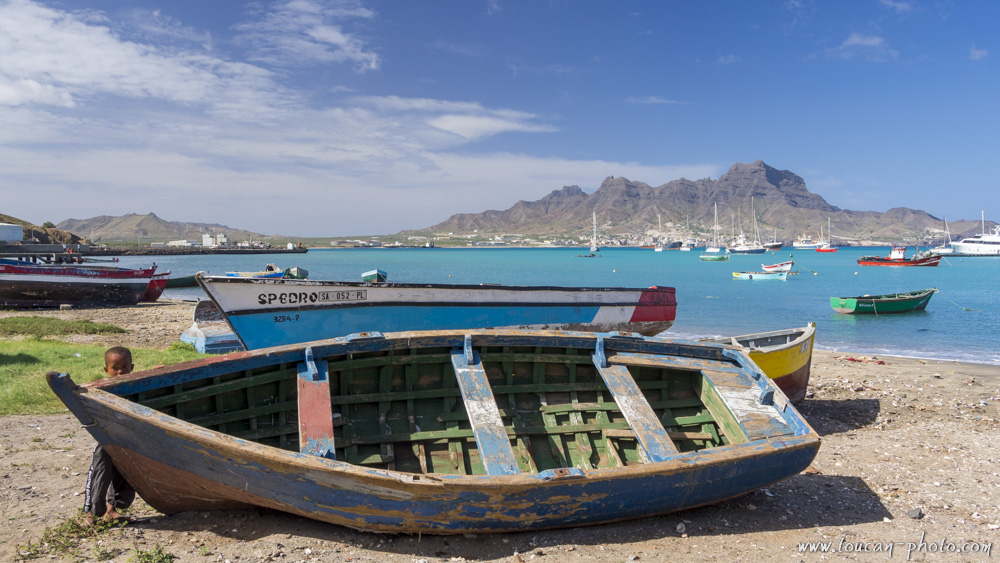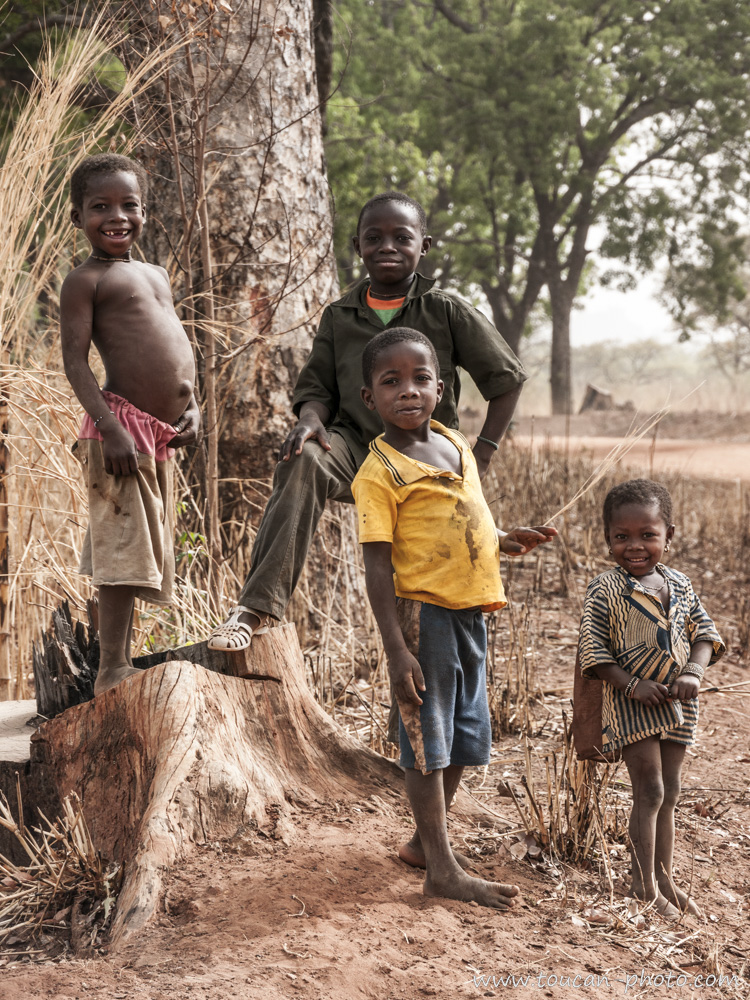
Kids, Burkina Faso
Travelling is about discovering landscapes, observing wildlife and exploring different cultures. Yet the memories that stay with us the longest are often the people we meet along the way.
On a remote trail, in a bustling market, in a small village or beside a dusty road, a simple smile or a brief conversation can become one of the most memorable moments of a journey. Even when words are few or a common language is missing, kindness, curiosity and human connection often speak for themselves.
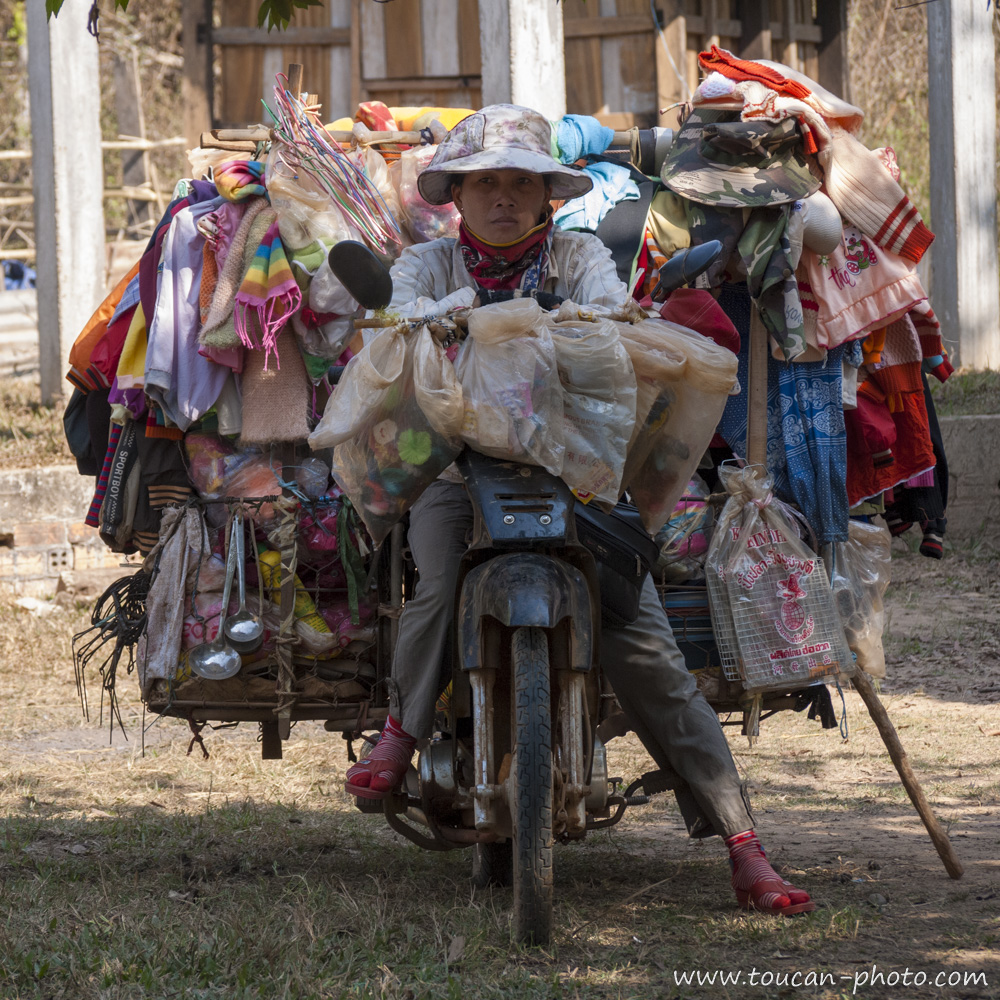
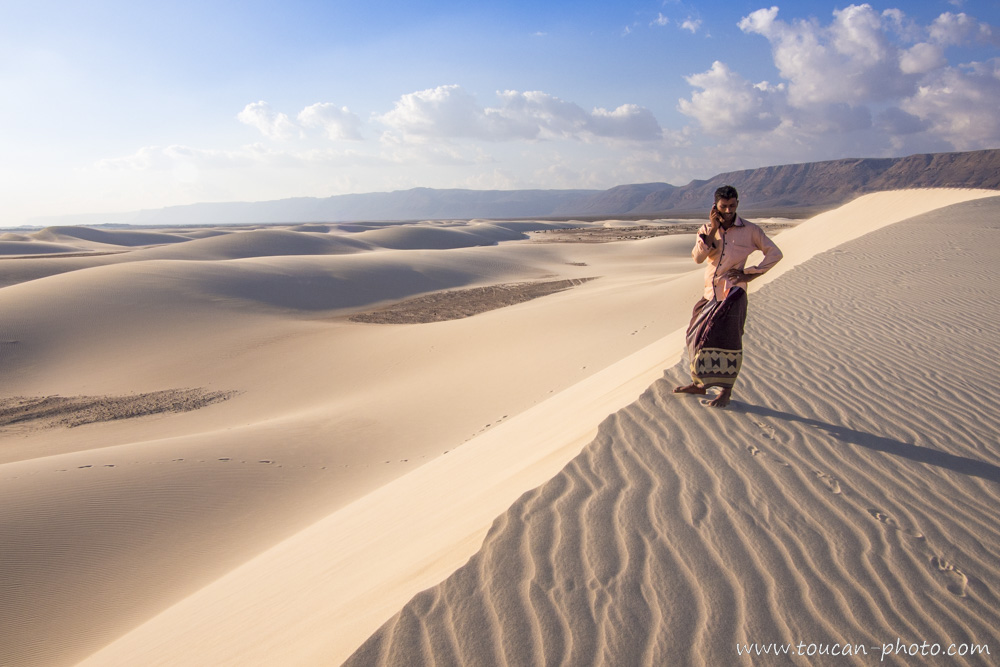
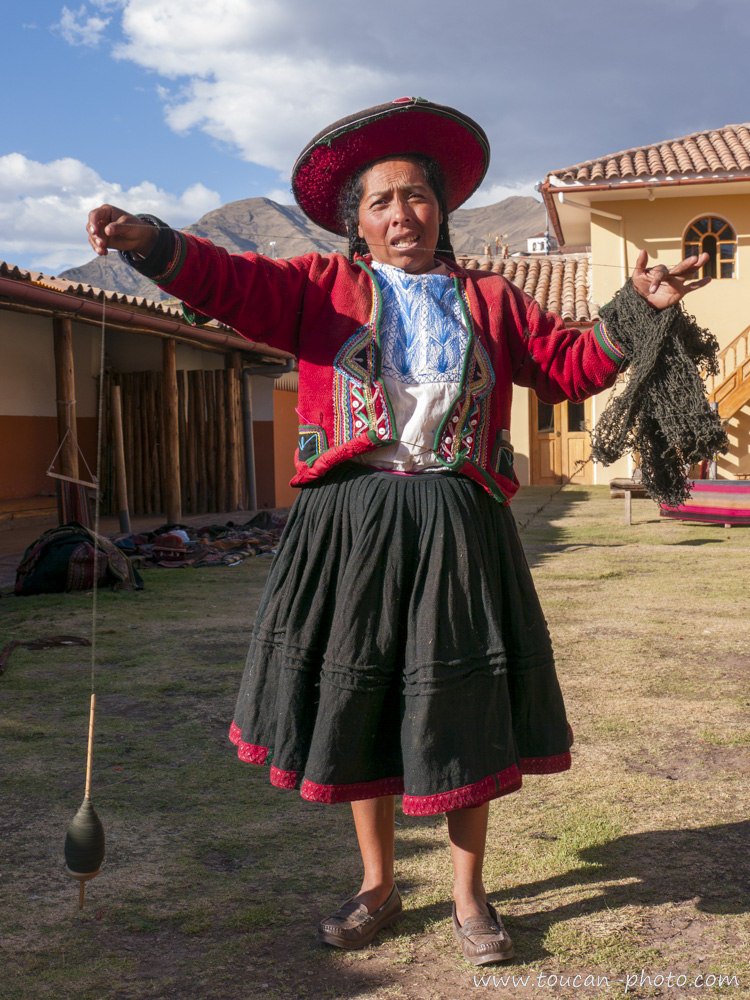
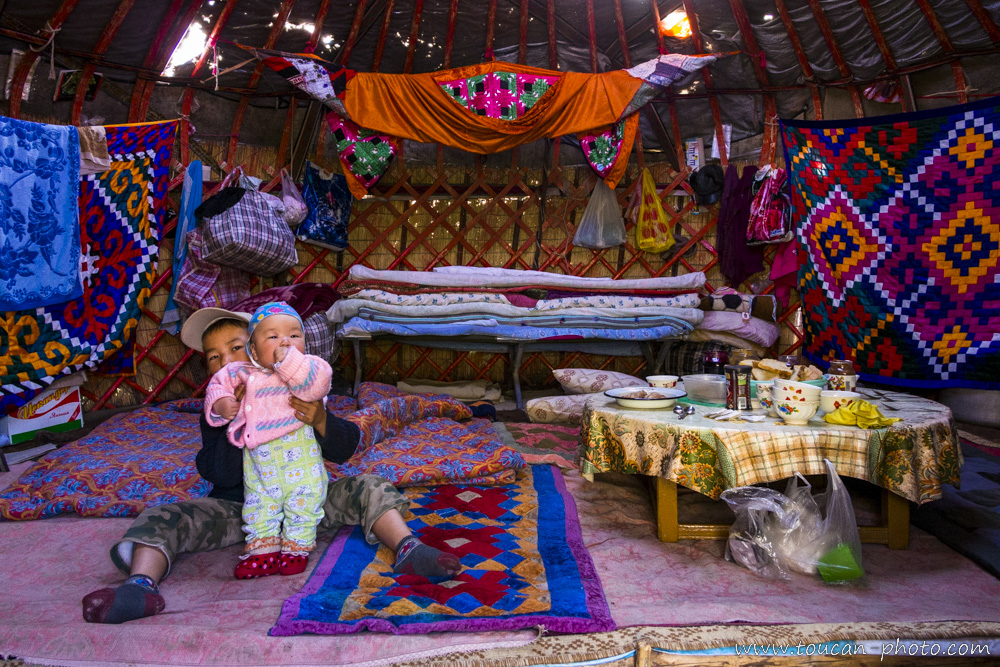
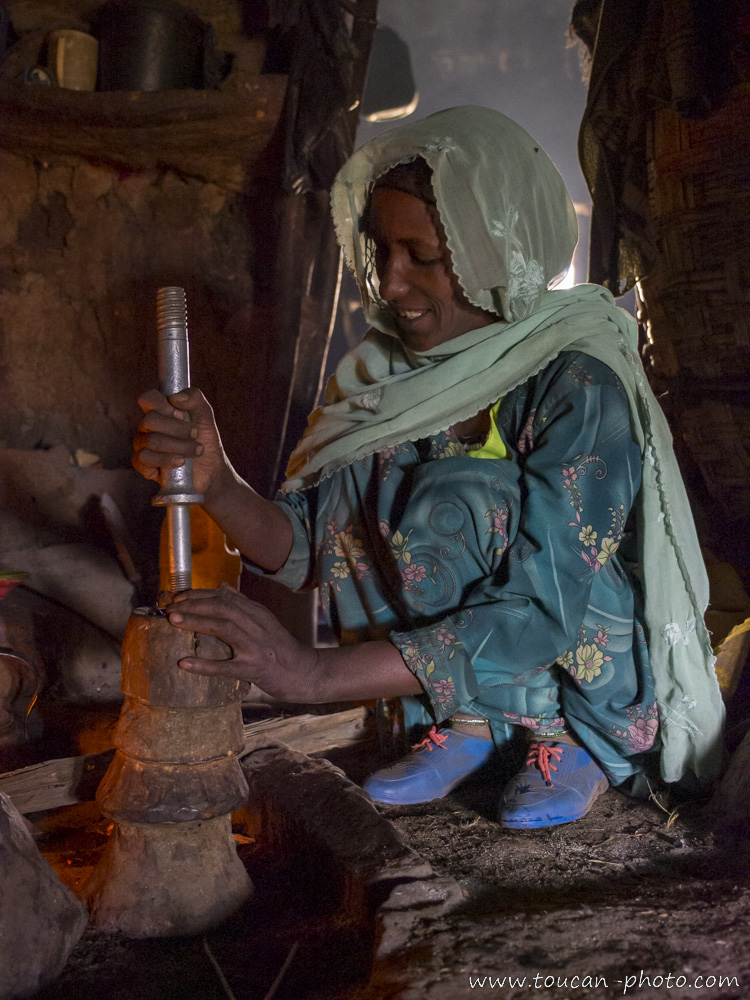
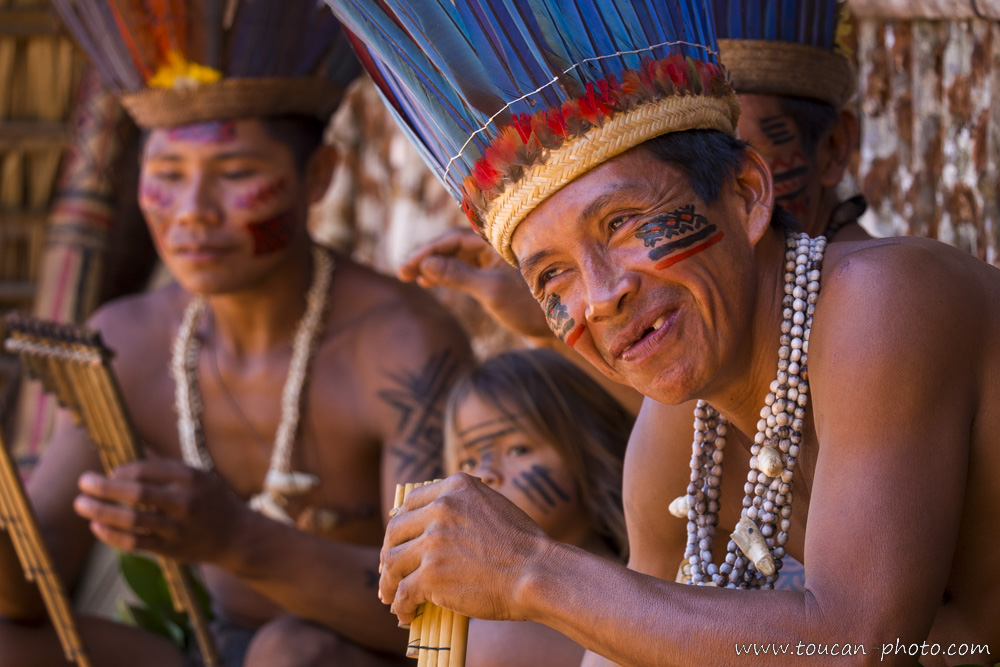
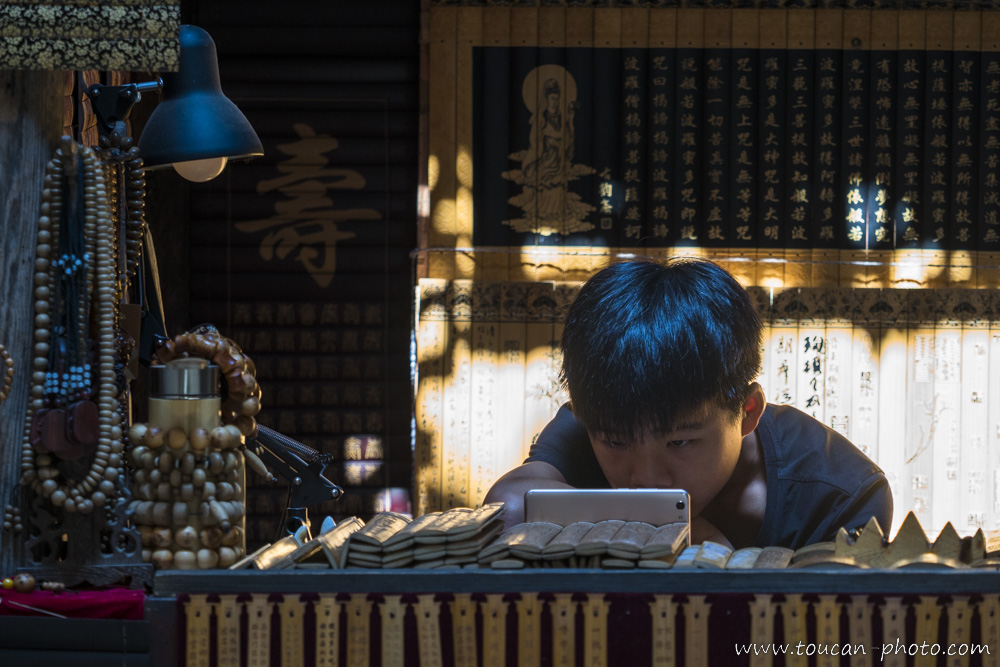
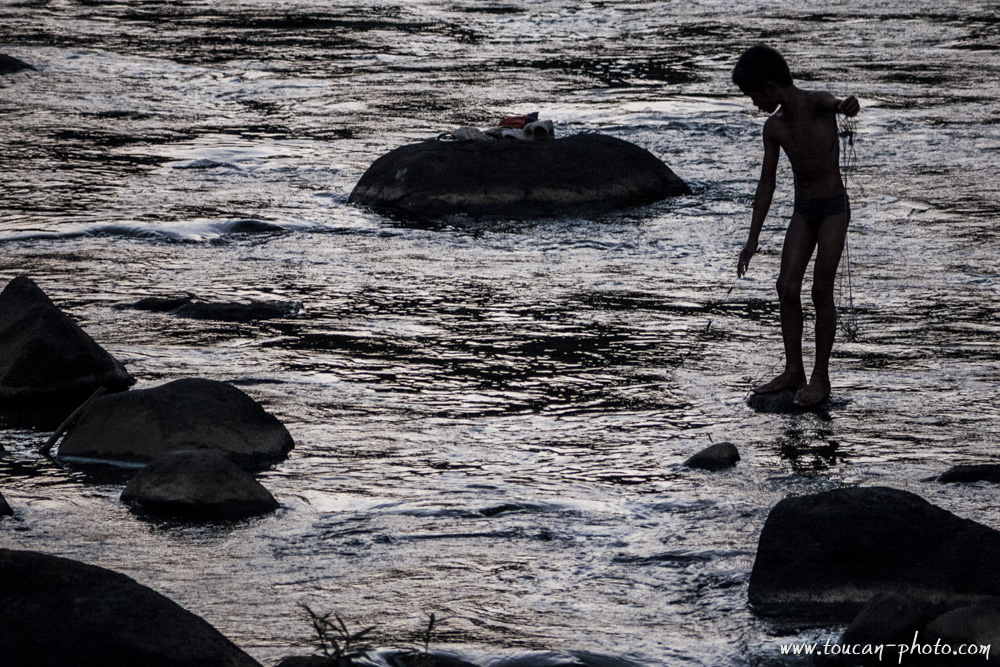
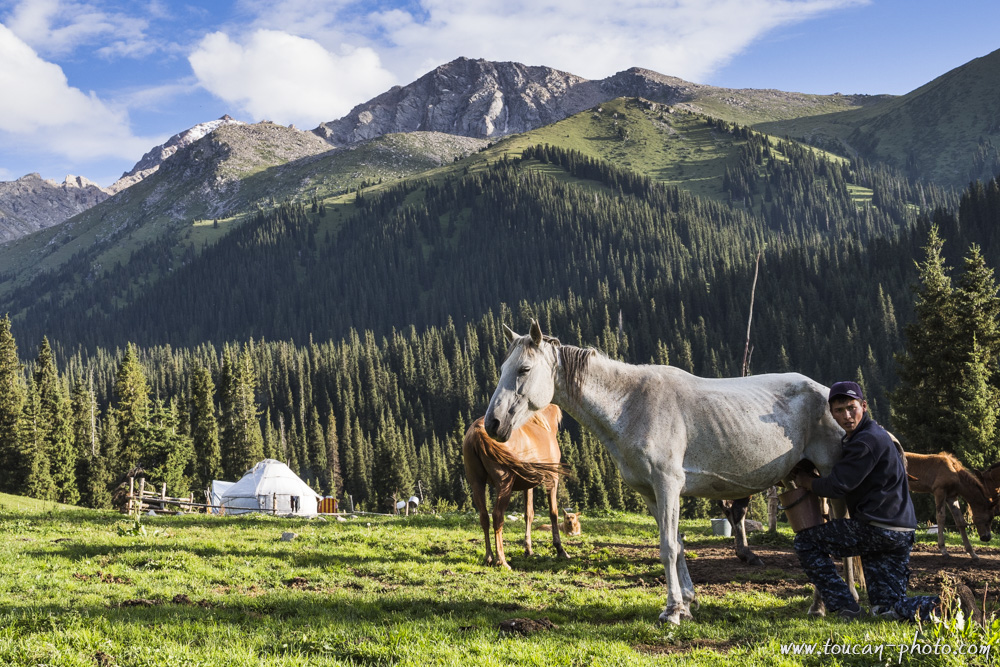
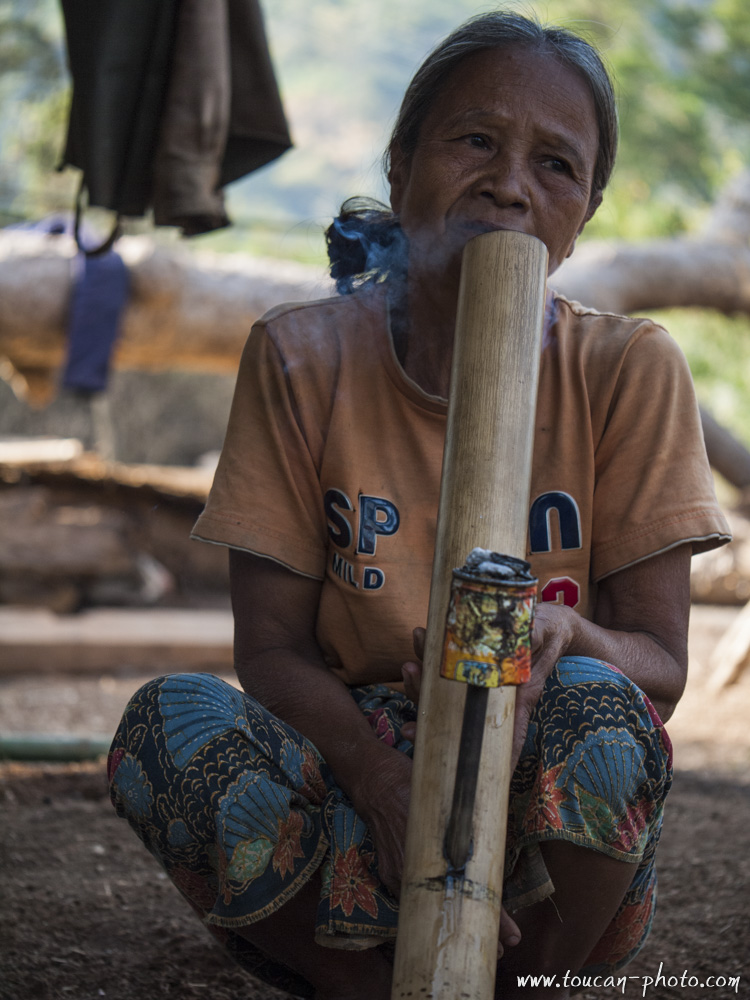
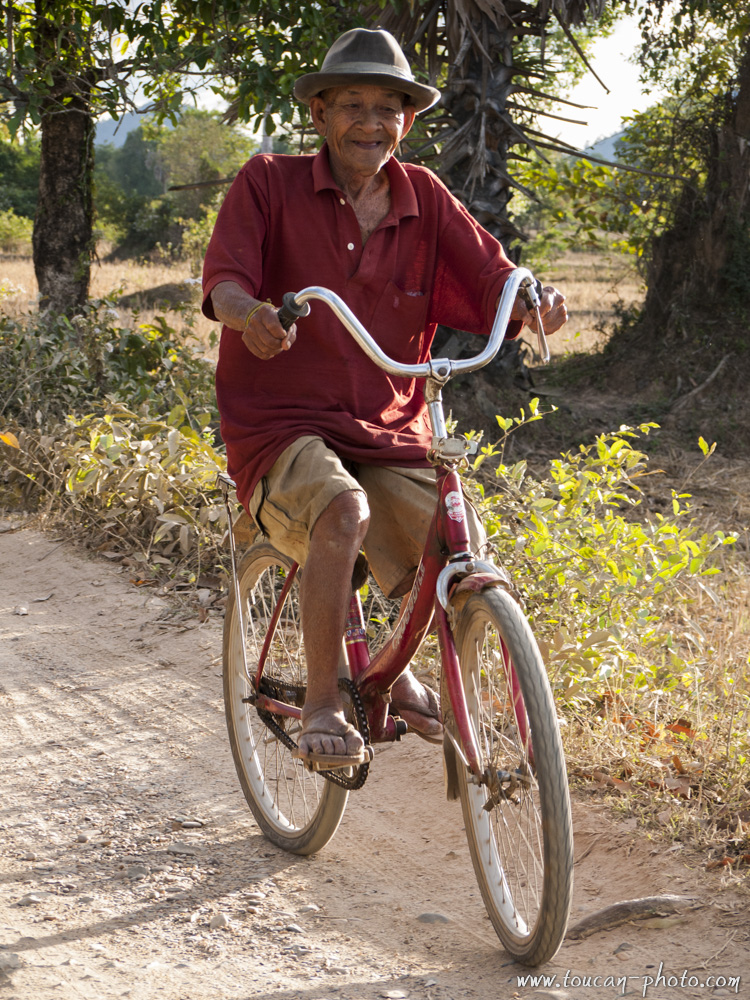
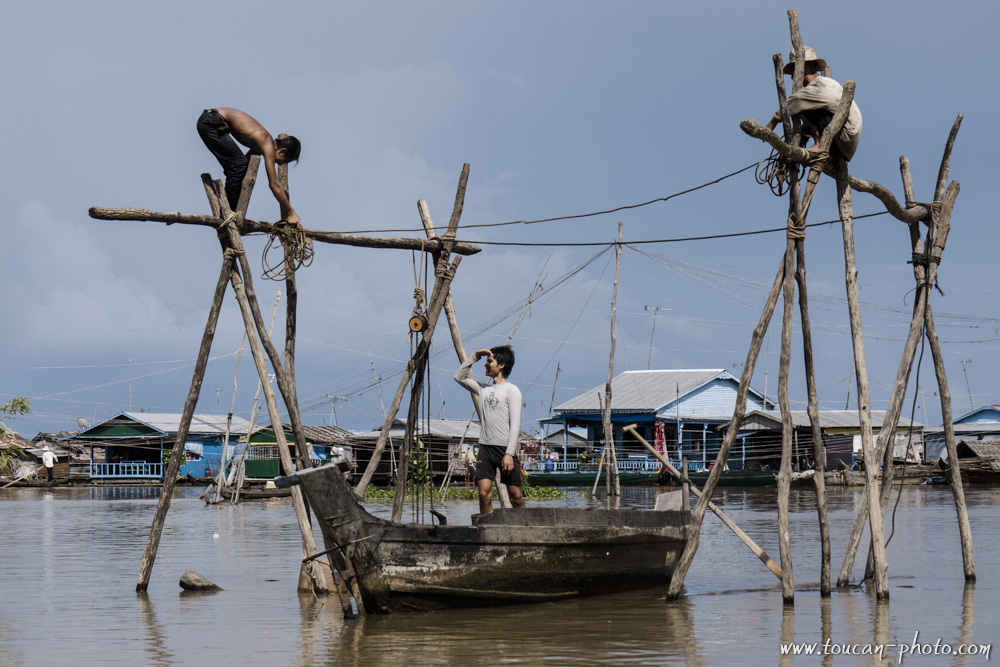
This gallery brings together the women, men and children I have had the privilege of meeting during my travels. Some portraits were taken after long conversations, while others capture only a fleeting moment before our paths separated again. Together, they reflect the extraordinary diversity of cultures, traditions and ways of life found across the world.
Beyond these differences, they also reveal something universal. A smiling schoolboy in Nepal, a young Afar in Ethiopia, a grandmother and her granddaughter in Mongolia… each encounter reminds us that, wherever we travel, the language of a smile is understood by everyone.
These photographs are an invitation to travel differently: not only to discover places, but above all to meet the people who give them meaning.
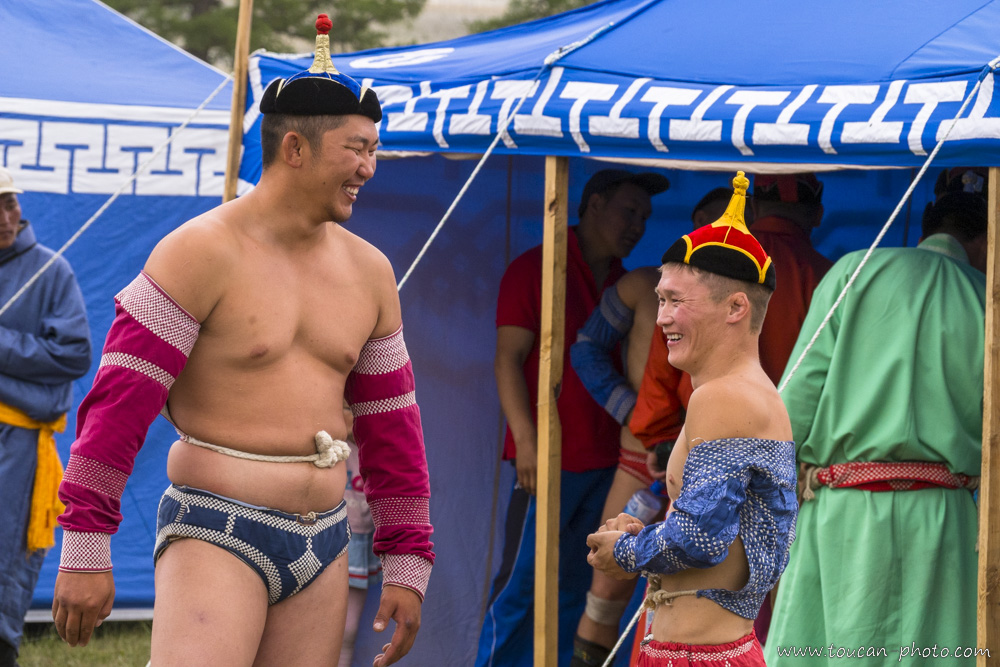
Wreslters relaxing during Naadam festival, Mongolia
The festival of Naadam (In Mongolian: Наадам, and in classical Mongolian: ᠨᠠᠭᠠᠳᠤᠮ) is a traditional festival celebrated in Mongolia, Inner Mongolia and in Tuva. During the Naadam festival, three different competitions are organized: Mongolian wrestling, archery and horse racing. The three games are held throughout the country during midsummer, but the most mongolian famous competitors participates at Ulaanbaatar events, the capital city. Women have started participating in the archery and girls in the horse-racing games, but not in Mongolian wrestling.
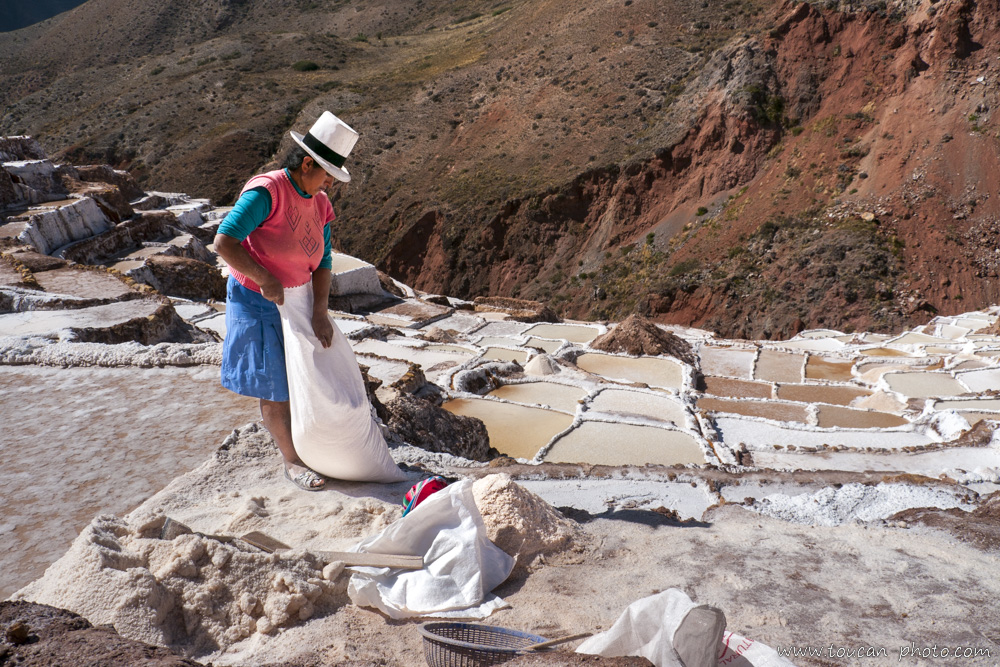
“Inca cachi”, the “Incas Salt”, Salt ponds of Maras, Peru
What makes Maras salt so special is that the ponds in which it is collected are located in the mountains, at more than 3300 meters above sea level and at a distance of more than 400 km from the sea.
The presence of salt in these ponds is due to the ingenuity of the pre-Inca peoples who lived in the region.
Indeed, more than 2000 years ago, they diverted a stream naturally saturated with sodium chloride, and brought it using channels and small canals to come and flow into terraced ponds dug on the side of Qaqawinay mountain, about 50km far from Cuzco.
Once the water is trapped in one of the 3600 ponds, it evaporates leaving the salt ready to be harvested. Today, salt has no longer the same value as in Inca times, during which it was a real “White Gold”, but about 700 to 800 Quechua families organized into cooperatives continues to live off its harvest.