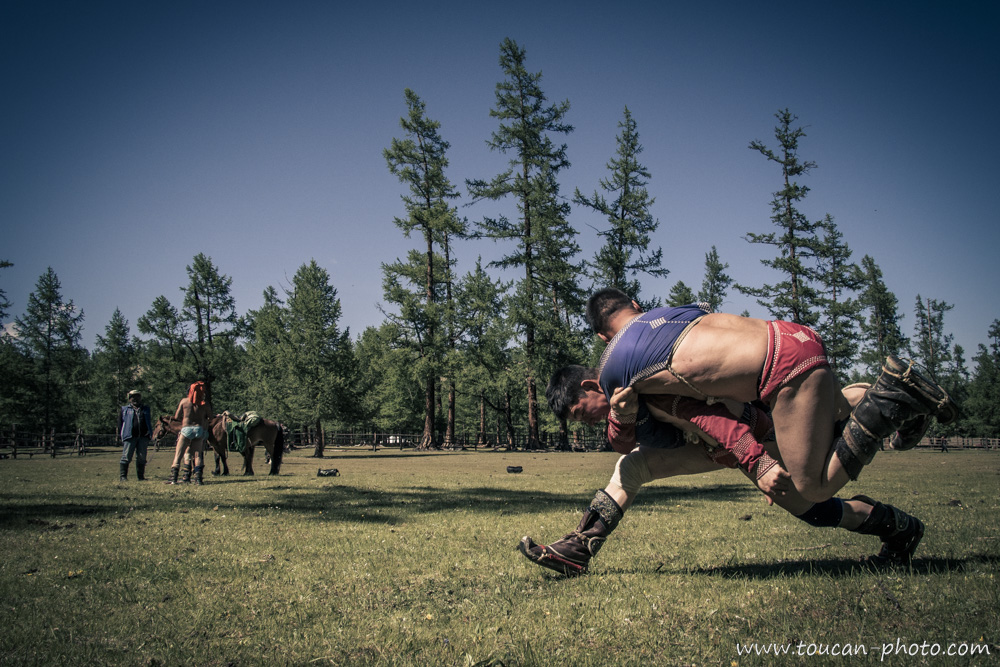
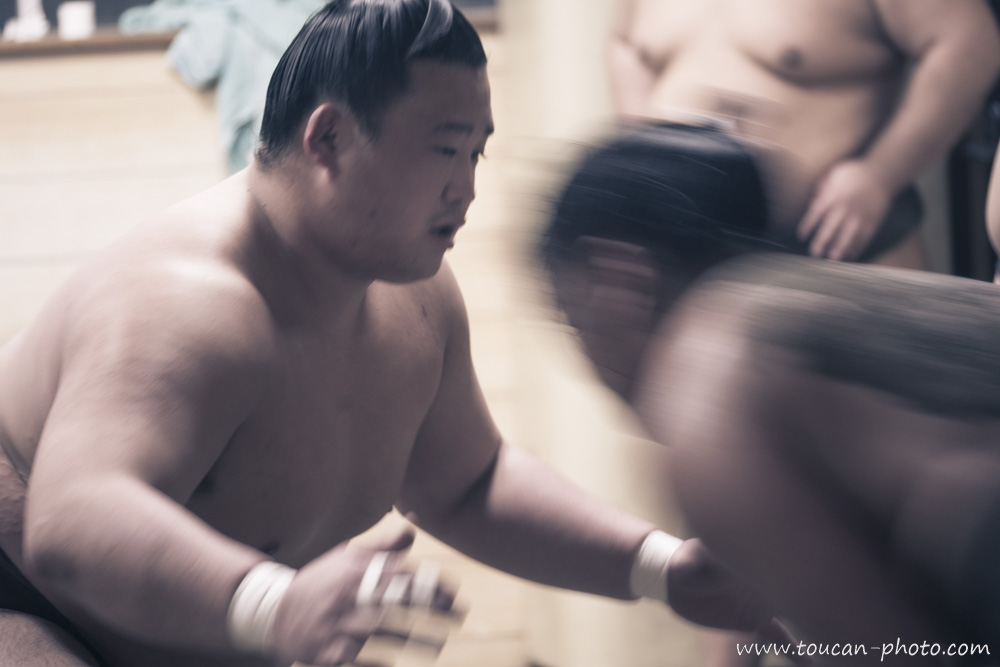
Mongolian wrestling training to be ready for the Naadam festival ᠨᠠᠭᠠᠳᠤᠮ
Travelling is about discovering landscapes, observing wildlife and exploring different cultures. Yet the memories that stay with us the longest are often the people we meet along the way.
On a remote trail, in a bustling market, in a small village or beside a dusty road, a simple smile or a brief conversation can become one of the most memorable moments of a journey. Even when words are few or a common language is missing, kindness, curiosity and human connection often speak for themselves.
This gallery brings together the women, men and children I have had the privilege of meeting during my travels. Some portraits were taken after long conversations, while others capture only a fleeting moment before our paths separated again. Together, they reflect the extraordinary diversity of cultures, traditions and ways of life found across the world.
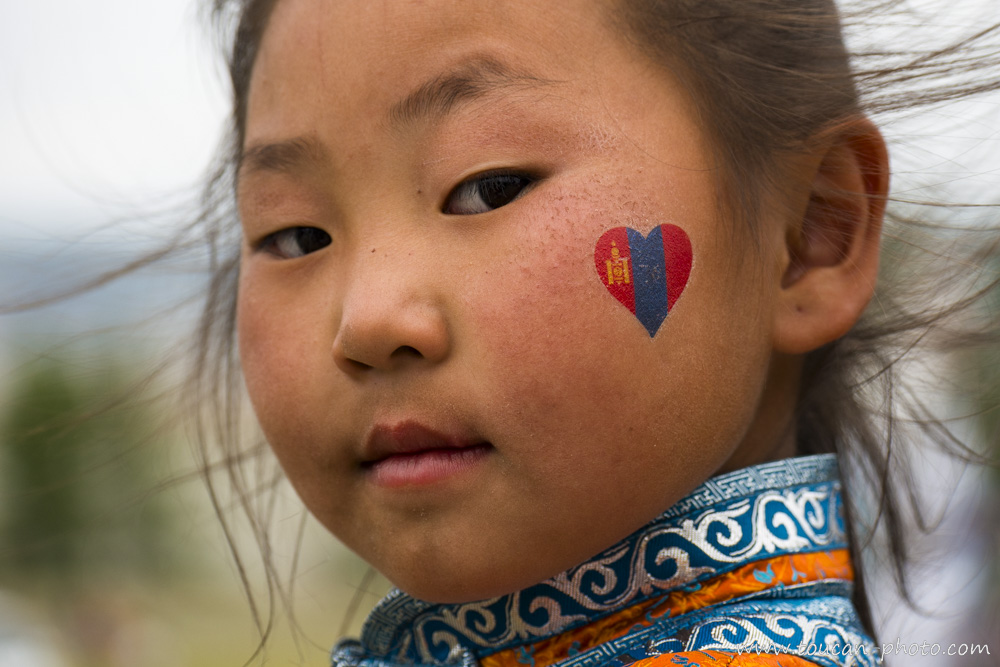
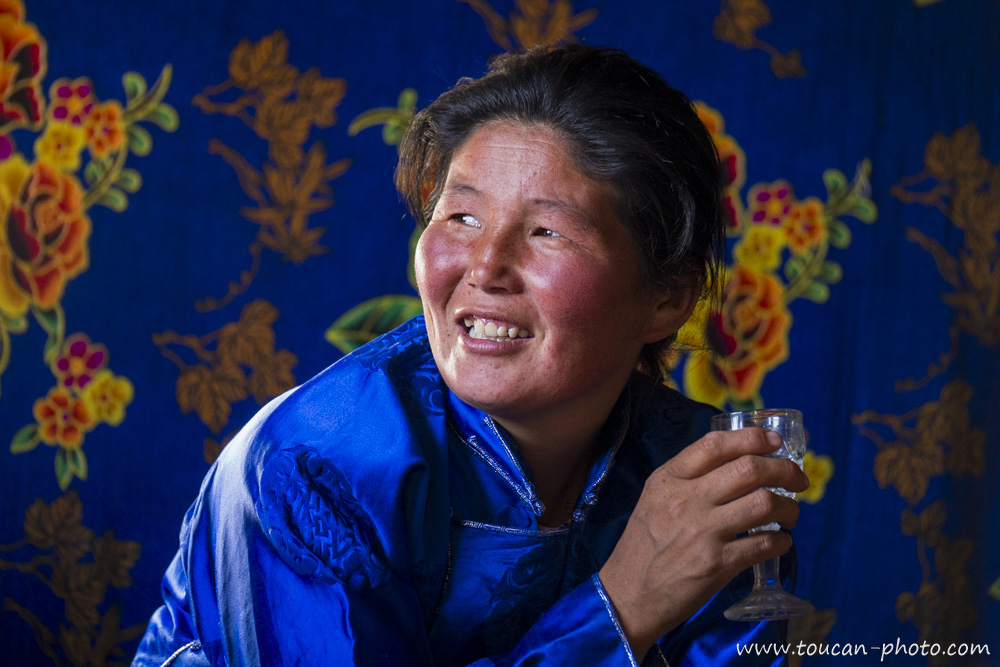
Beyond these differences, they also reveal something universal. A smiling schoolboy in Nepal, a young Afar in Ethiopia, a grandmother and her granddaughter in Mongolia… each encounter reminds us that, wherever we travel, the language of a smile is understood by everyone.
These photographs are an invitation to travel differently: not only to discover places, but above all to meet the people who give them meaning.
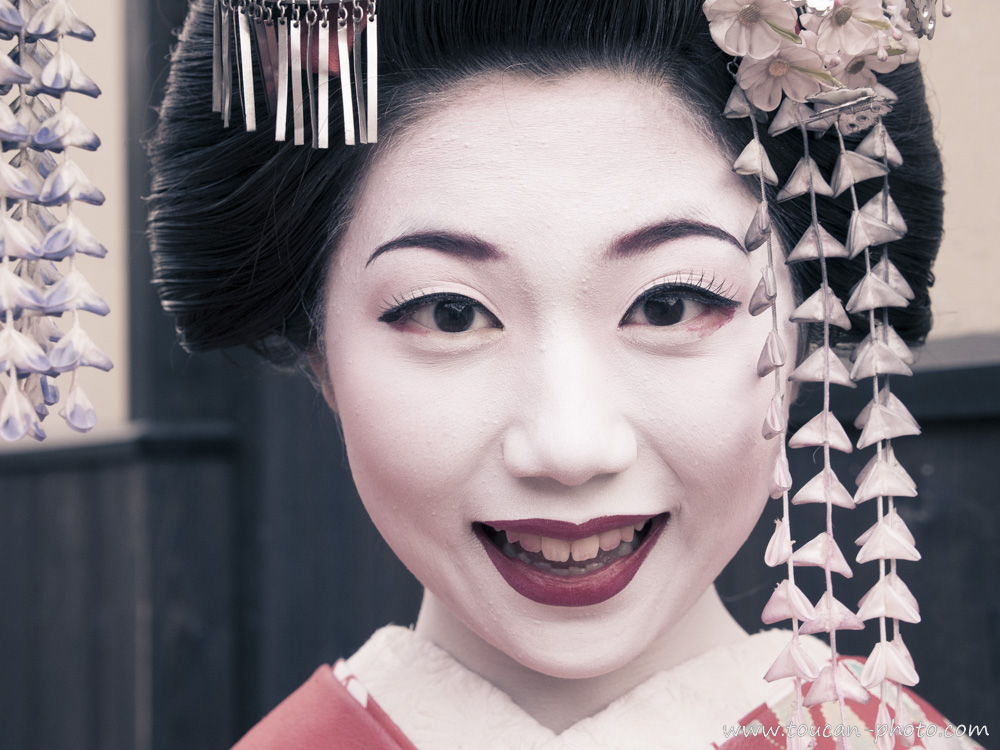
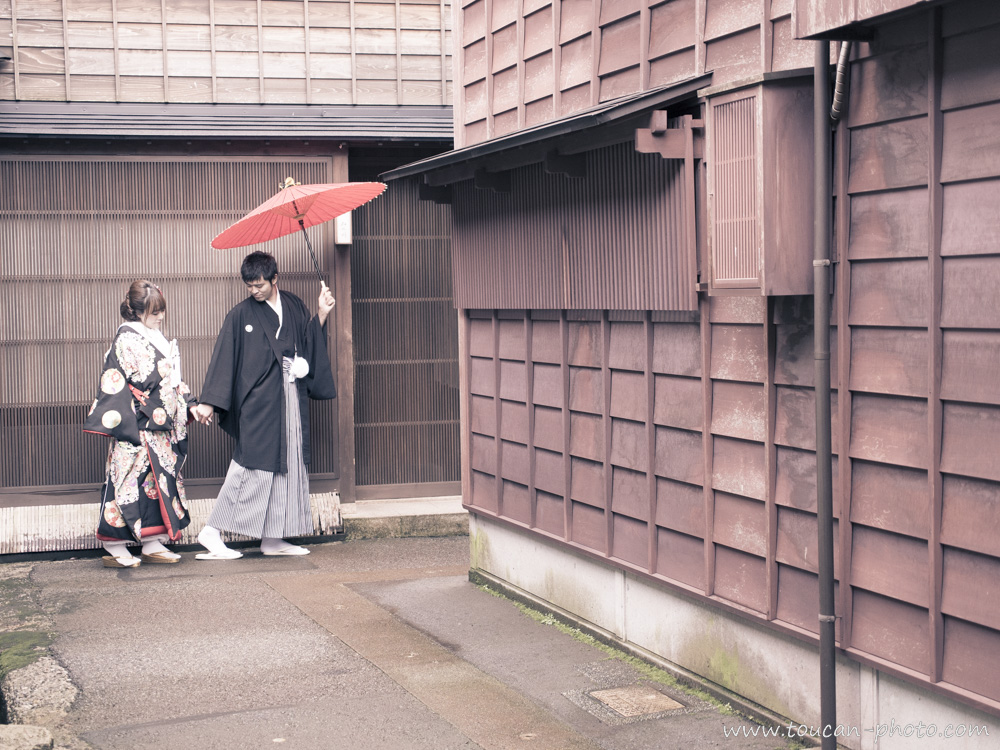
A maiko (舞妓) is an apprentice geisha. Their jobs consist of performing songs, dances, and playing traditional Japanese instruments as the shamisen
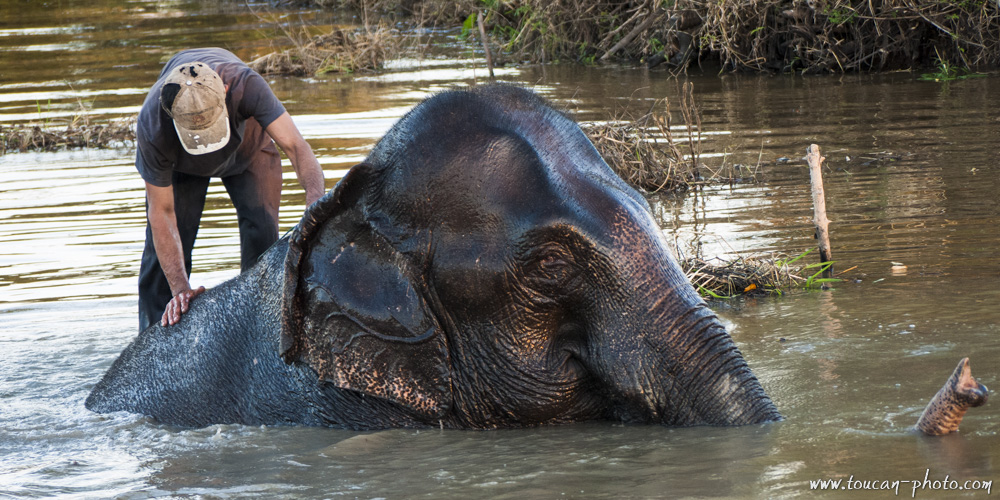 Hin giving the bath to Tombac – Laos
The Lao Loum (one of the 68 ethnic groups present in Laos) maintains traditional relationships with the elephants.
Each elephant belongs to an animal trainer (Cornac) and this exclusive relationship lasts most of their lives.
Here the Cornac Hin gives a bath to Tombac, a 35 years old elephant female
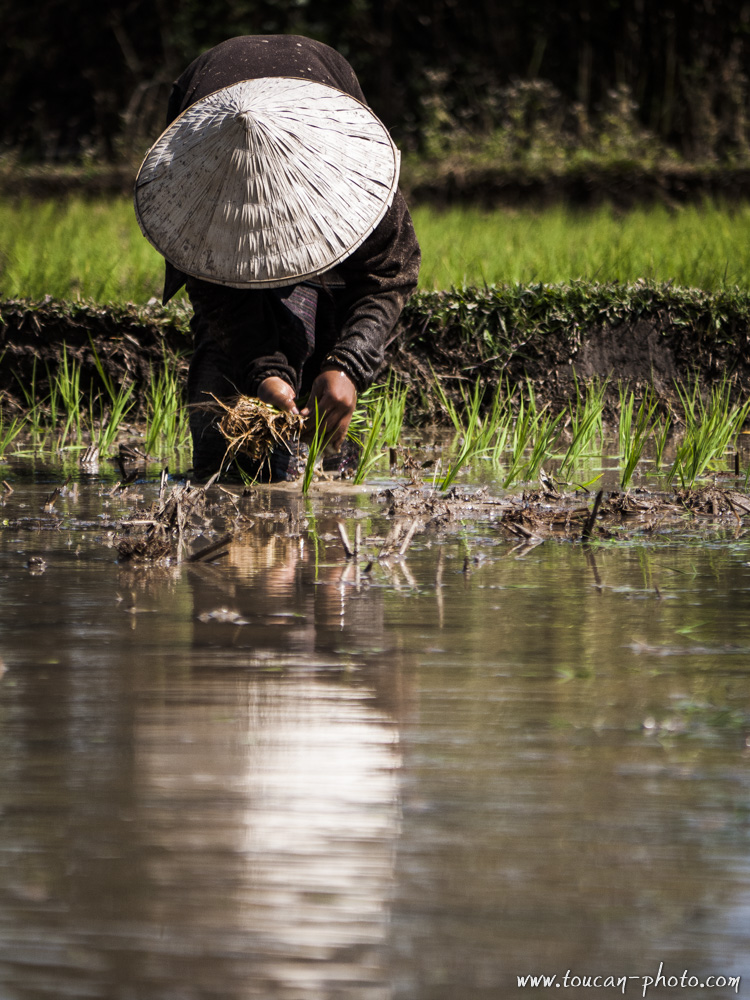
Rice is the second most produced food grain in the world. In 2015, global rice production was 491.5 million tonnes (source: fao.org). This represents a production of over 15 000 tonnes of rice per second.
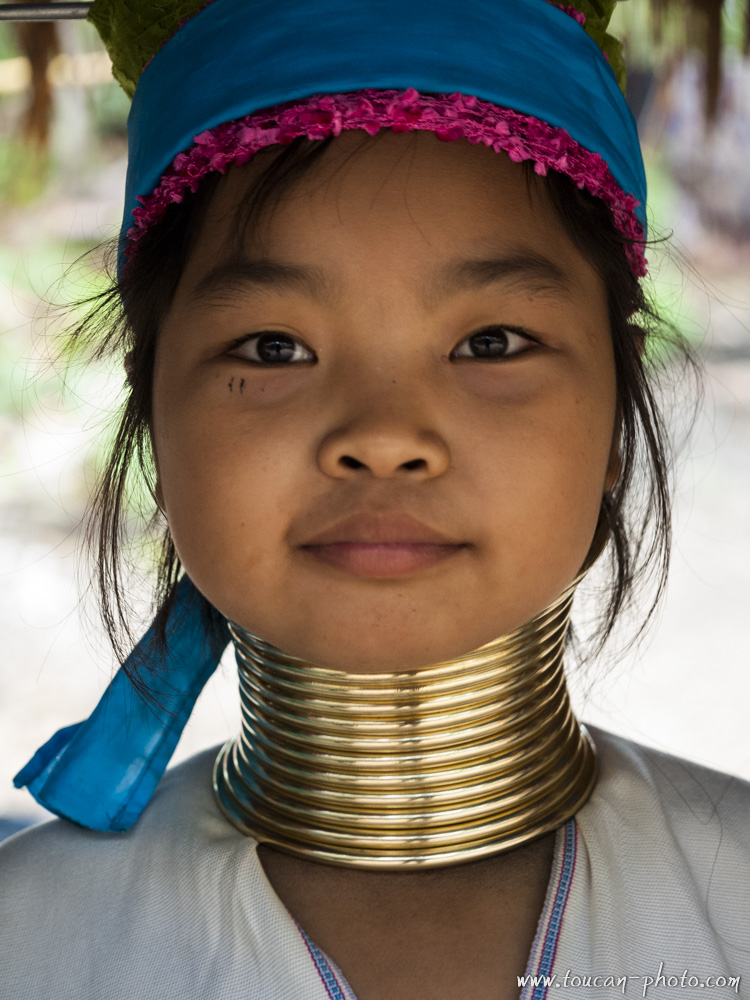 Young Padaung lady, Northern Thailand
The Padaung (or Kayan) is a Tibeto-Burman ethnic minority of Myanmar (Burma).
In 1990, some Padaung have fled the Burmese regime and crossed the border to settle in Northern Thailand. The Padaung women are known for wearing a spiral-necklace in brass, wrapped around the neck. They start wearing the first necklace at the age of 5. It will be then replaced time after time when the girl is growing up (it is not rings that are added). This tradition gave to Padaung the nickname of “giraffe women” or “long-neck tribe”.
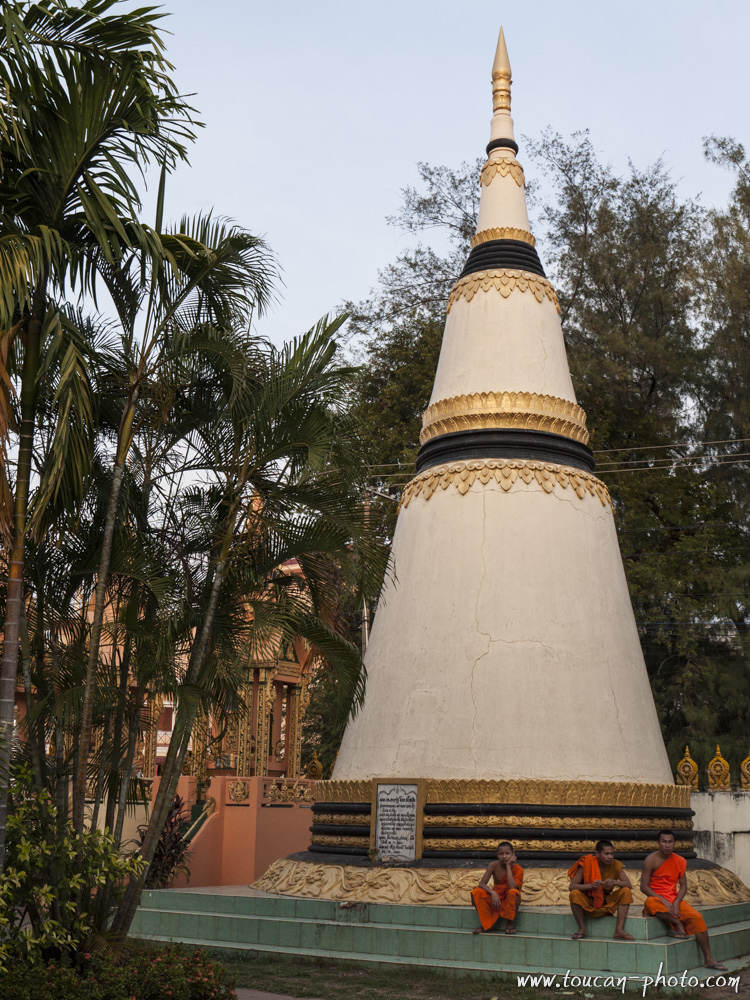 The stūpa (thât in laotian) from Wat Luang, Buddhist temple in Pakse, Laos
The stūpa is a Buddhist architectural structure and jaïna. Initially, a stūpa was a mausoleum containing a relic of Buddha. Today, just a few stūpa contain a relic of Buddha or an object that belonged to him. Nevertheless, they represent Buddha and remain monuments commemorating his death (the parinirvana).
The word stūpa is not known in all languages. In thai and in laotian, we call it “thât”, in Khmer “chetdei”, in Mongolian “suburghan”. In Sri Lanka, we use the term “dâgoba” to refer to this structure.
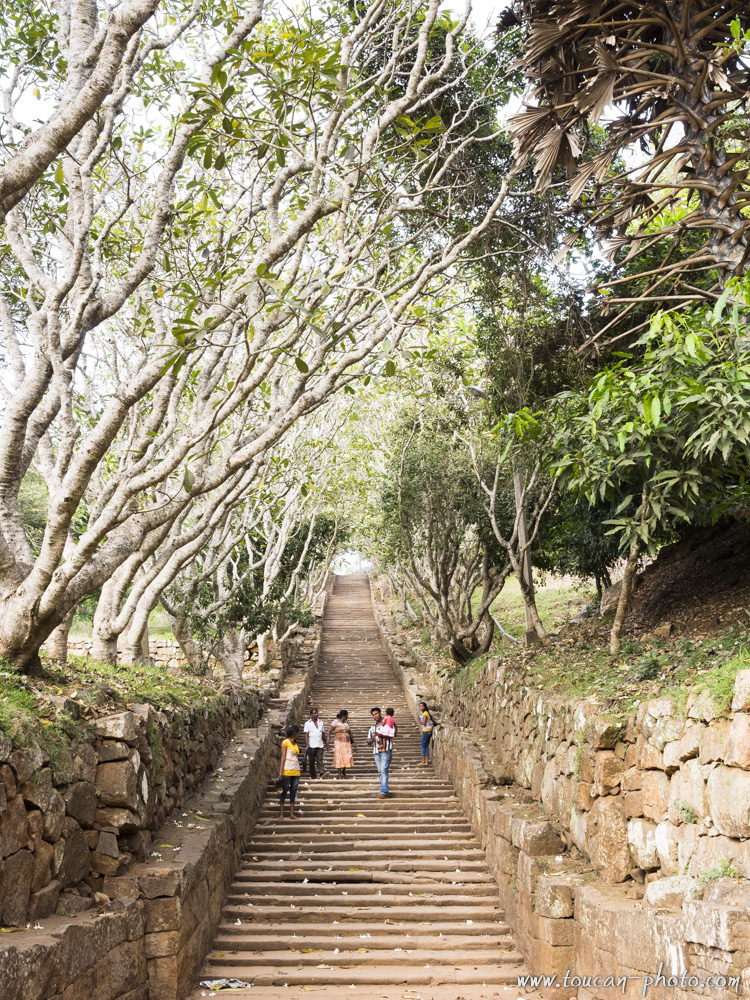 Mihintale is located in the north of Sri Lanka, close to d’Anurâdhapura. This site is a place of pilgrimage because it was the meeting place between Devanampiya Tissa and the emissaries of Ashoka ( Mahinda and Sanghamita ) who imported Buddhism in the island.
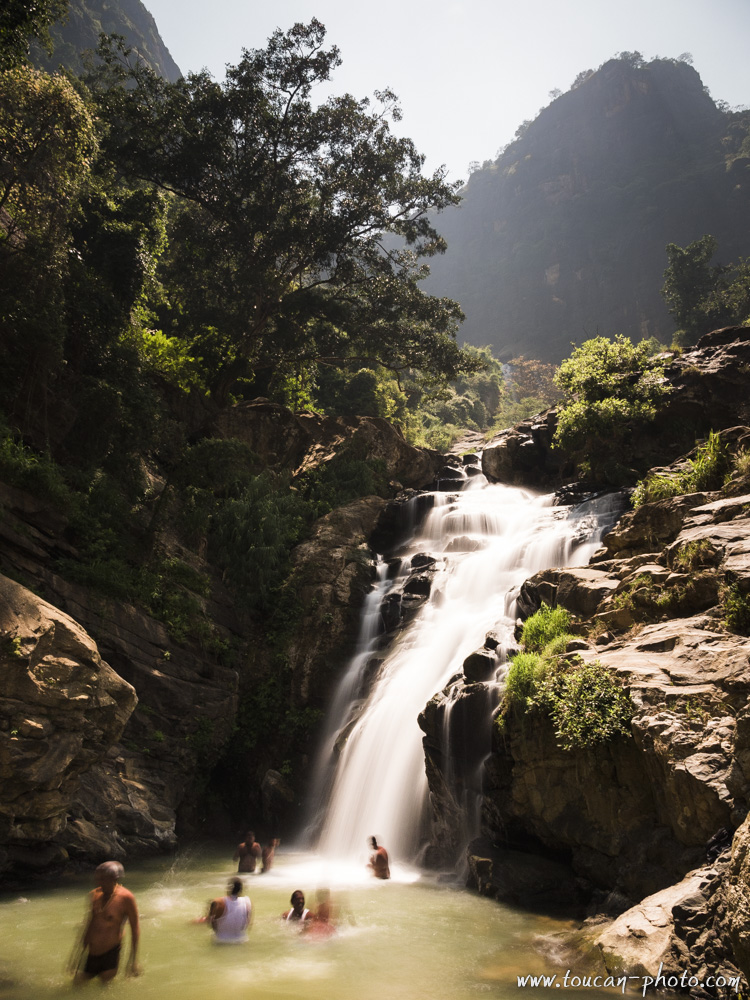 Ravana Falls – Sri Lanka
This waterfall measures approximately 25 m in height and it currently ranks as one of the widest falls in the country. The falls have been named after the legendary king Ravana, which is connected to the famous Indian epic, the Ramayana. In the Ramayana, Ravana (who was the king of Sri Lanka at the time) kidnaps Rama’s wife Sita to exact vengeance on Rama and his brother Lakshmana for having cut off the nose of his sister Shurpanakha. Ravana had hidden princess Sita in the caves behind this waterfall. At the time, the cave was surrounded with thick forests in the midst of wilderness. After a long and arduous search, Rama fights a colossal war against Ravana’s armies. In a war of powerful and magical beings, greatly destructive weaponry and battles, Rama slays Ravana in battle and liberates his wife.
It is also believed that Sita bathed in the pool at the waterfall feet. Nowadays this pool has a mystical status
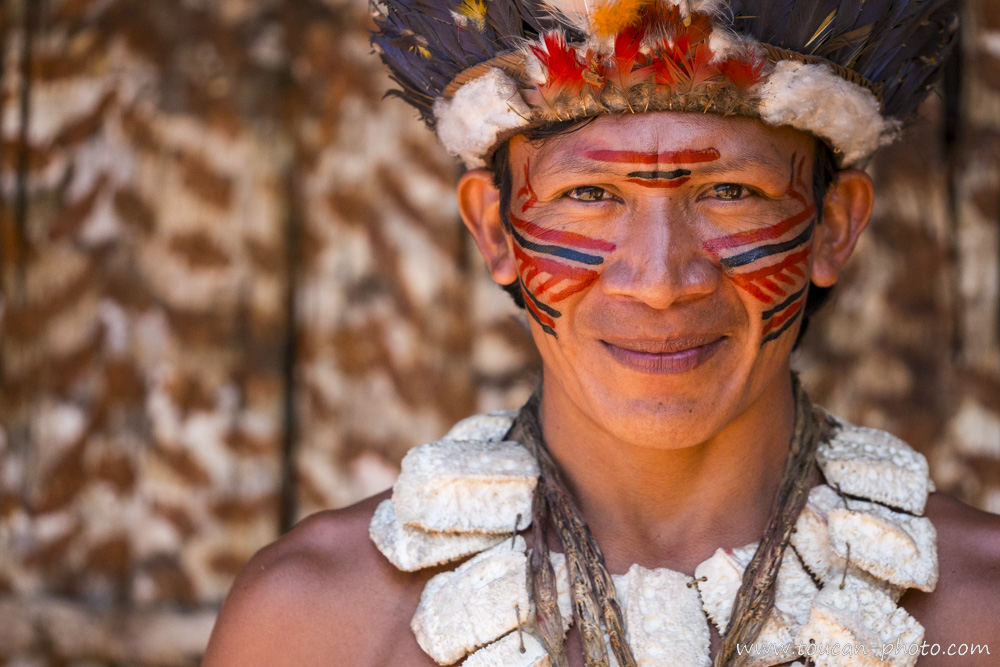
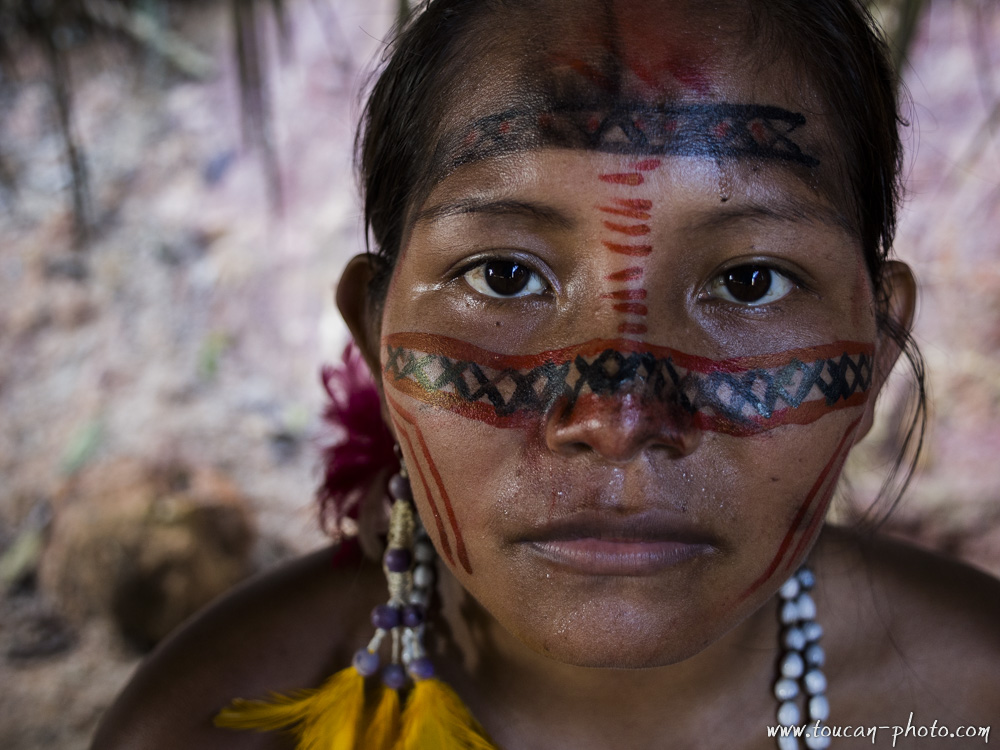 Young Tupé women, Amazonia, Brazil
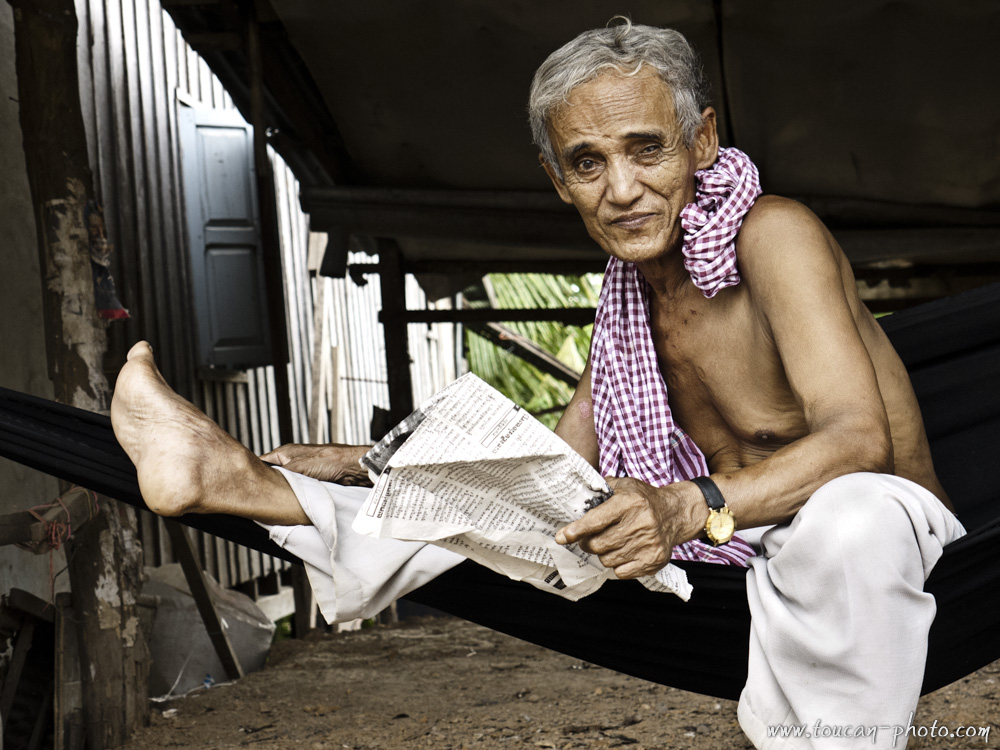
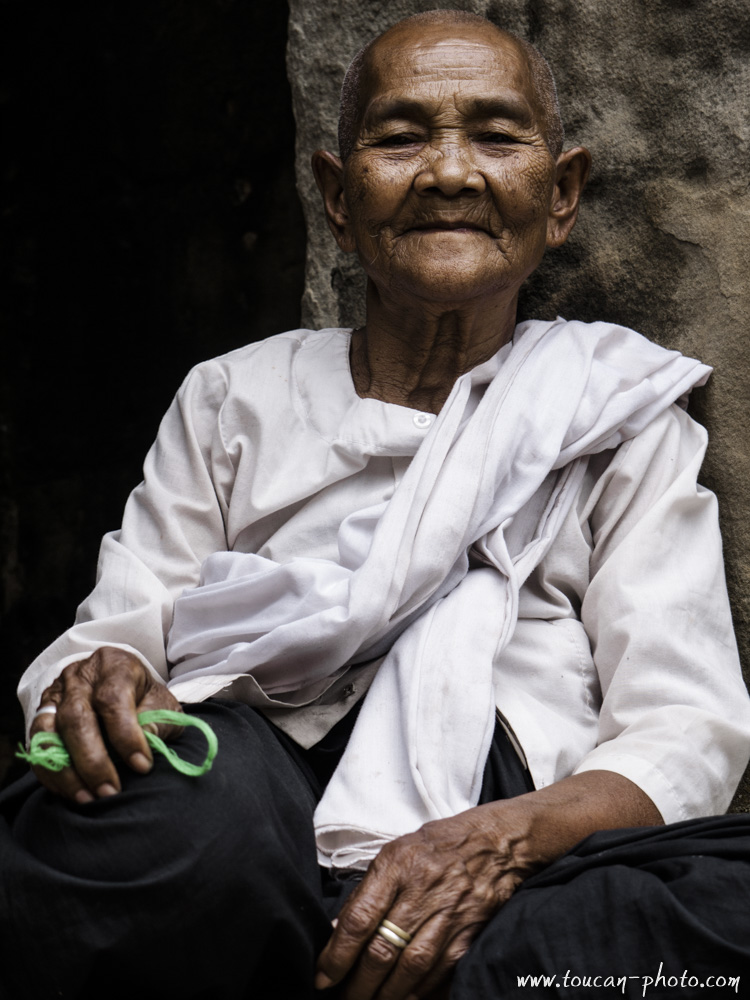 Cambodia
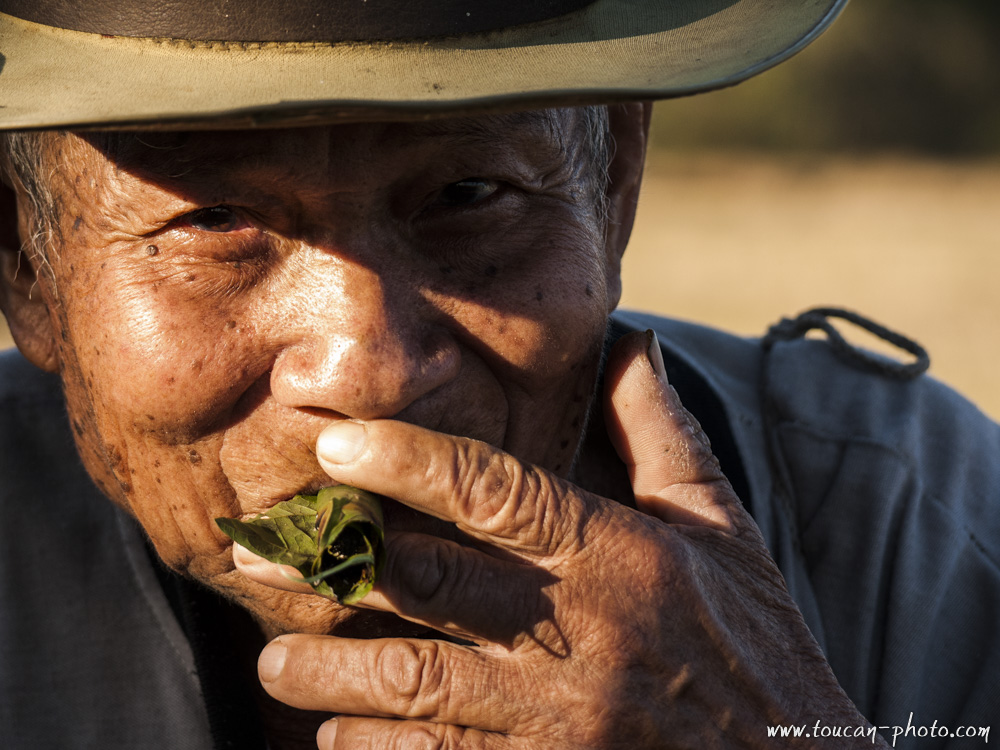 Smoker, Laos
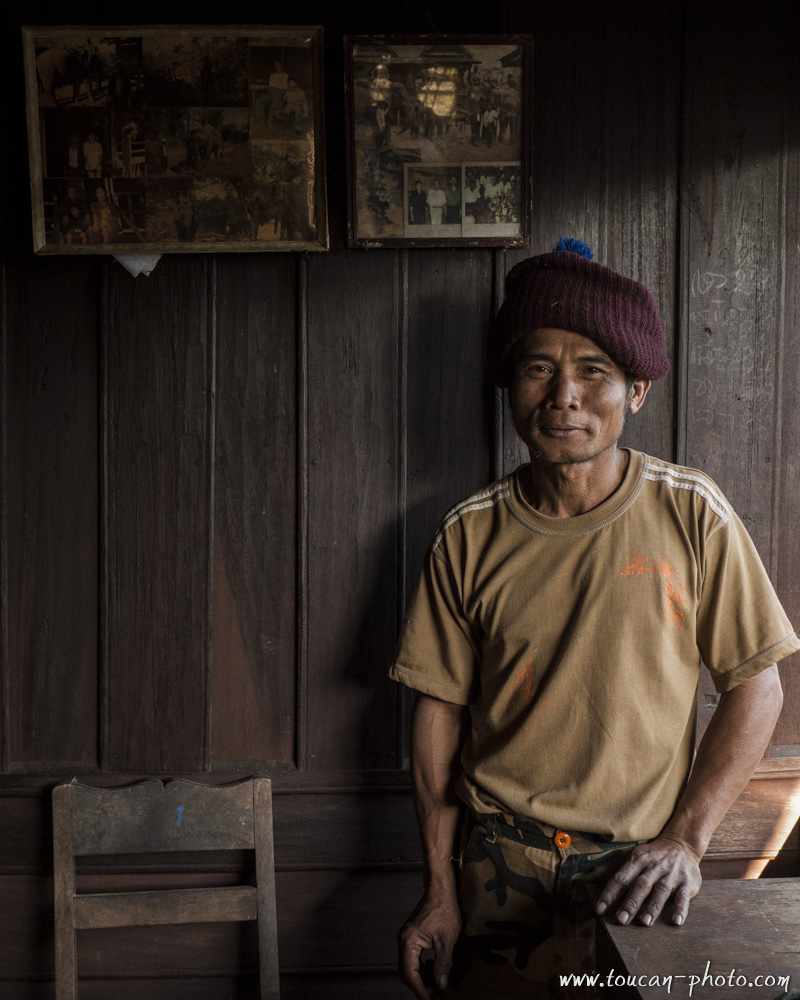 Portrait, Laos
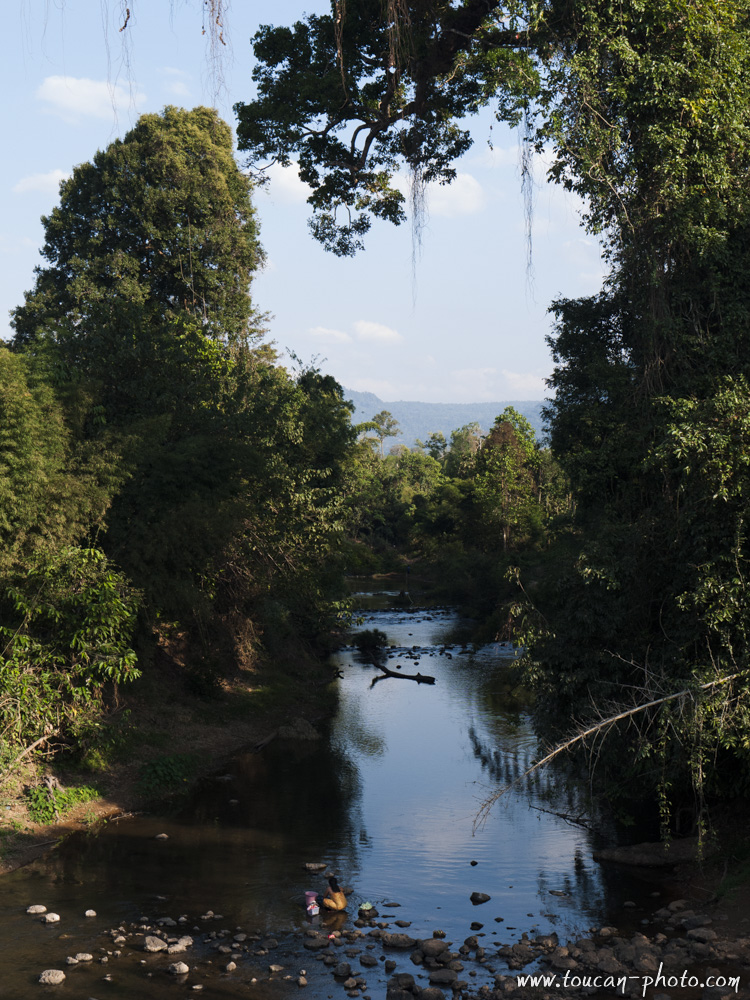 Laundry, Laos, Bolaven Plateau
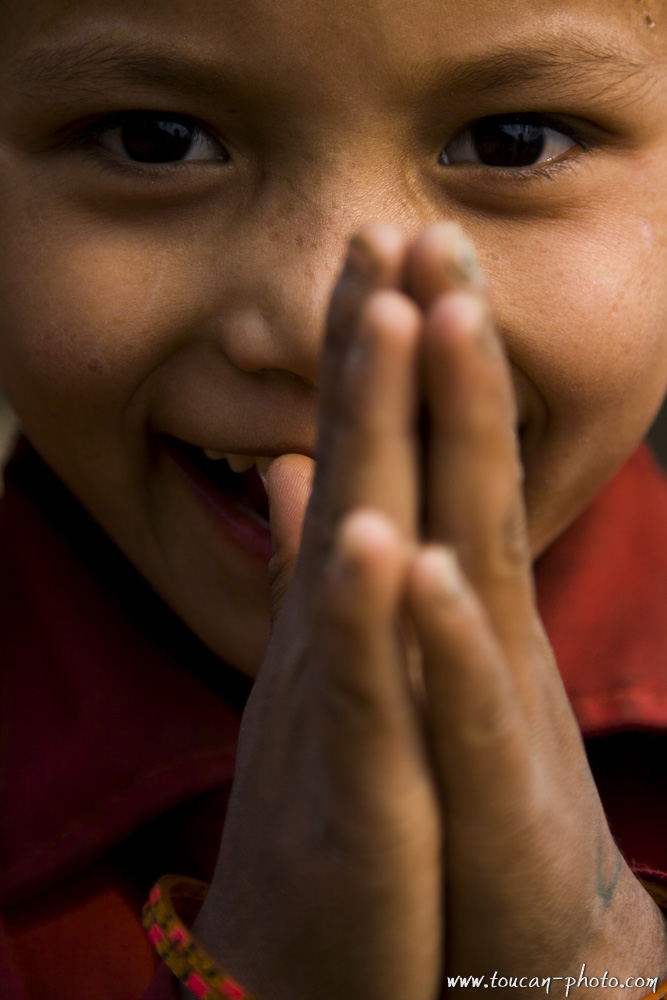 Kid, Nepal, Langtang
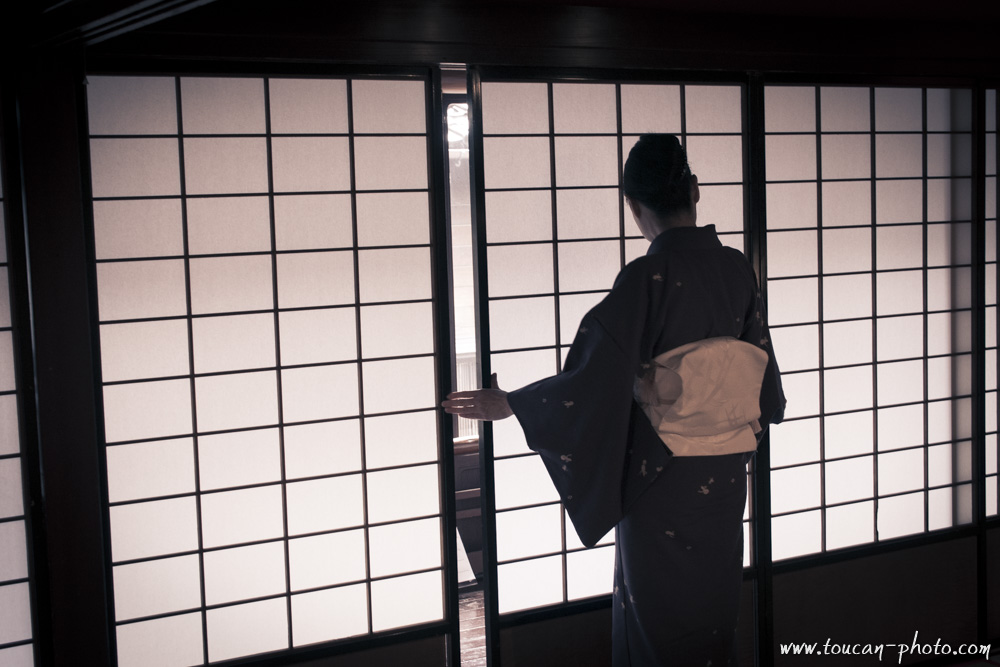 壁に耳あり、障子に目あり – Walls have ears, Shôji (paper sliding doors) have eyes. – Japanese proverb
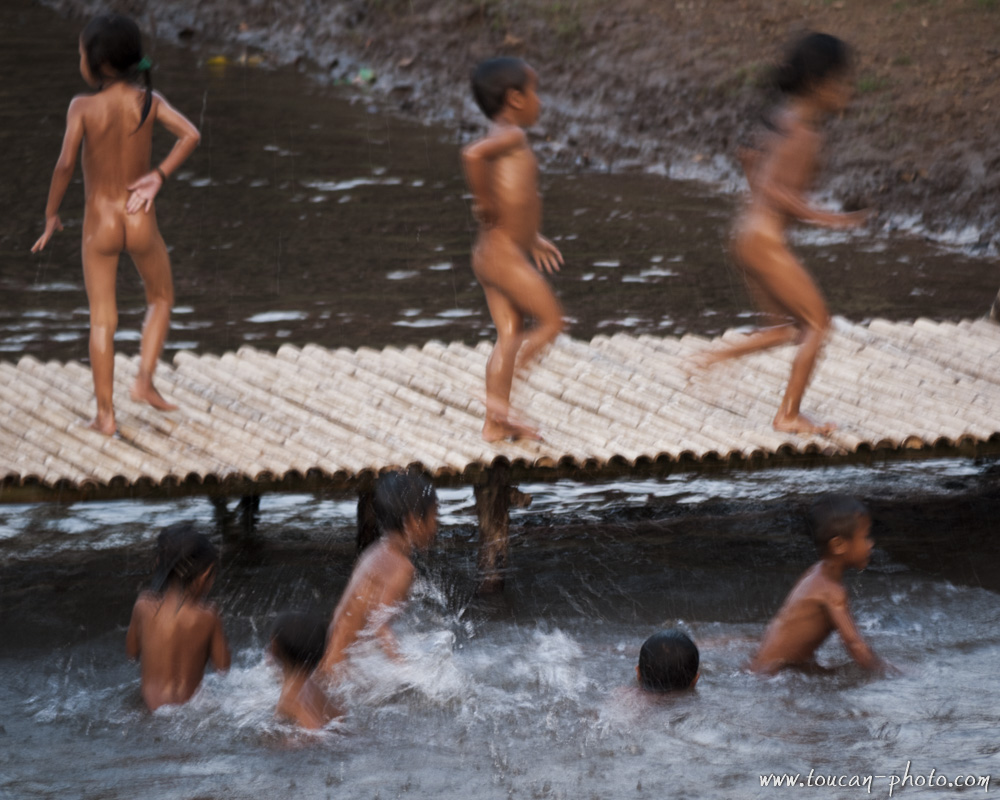 Playing the Mékong, Laos
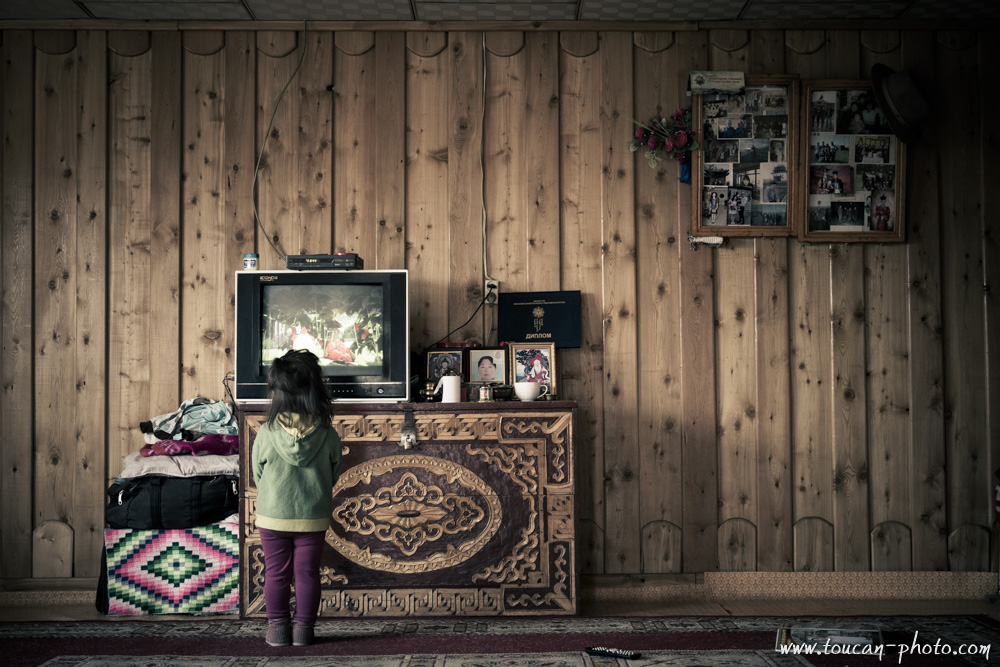 Captivating TV set, Mongolia
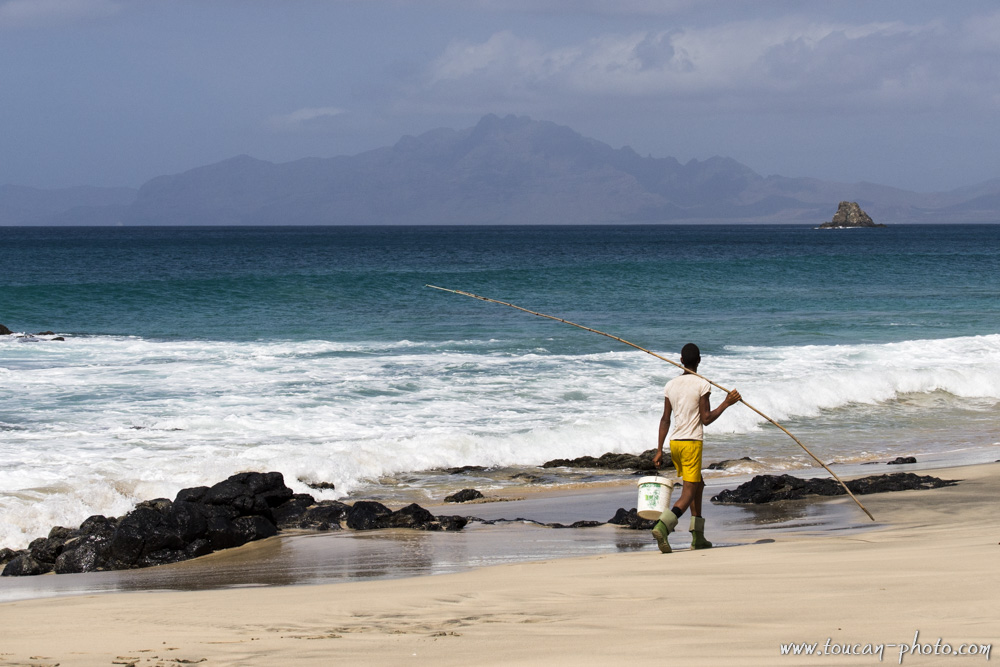 Fisherman, Capo-Verde