23 to 7 million years ago, during the Miocene era, Amazonia was partially covered by seawater. Cetaceans were living in this area. When seawater has been definitely out of Amazonia ground, a species would have adapted to continue living in rivers, drawing the Amazonian landscape. This species became the Boto, known also as the biggest pink dolphin of Amazonia.
Continue reading“Brazil: The Boto, pink dolphin of Amazonia”
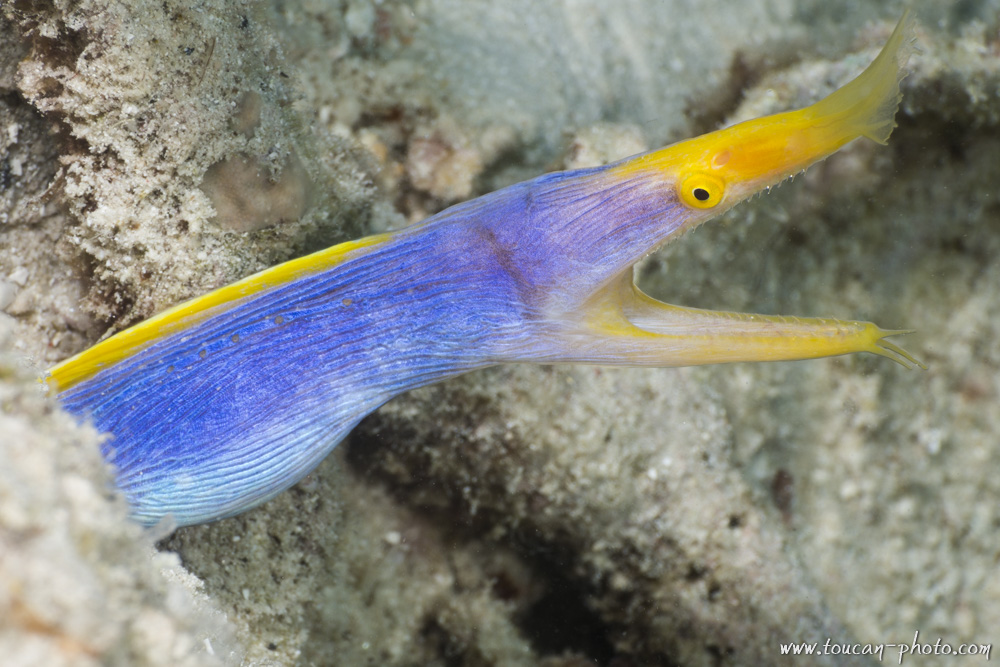 Ribbon eel (Rhinomuraena quaesita), Celebes Sea, Borneo
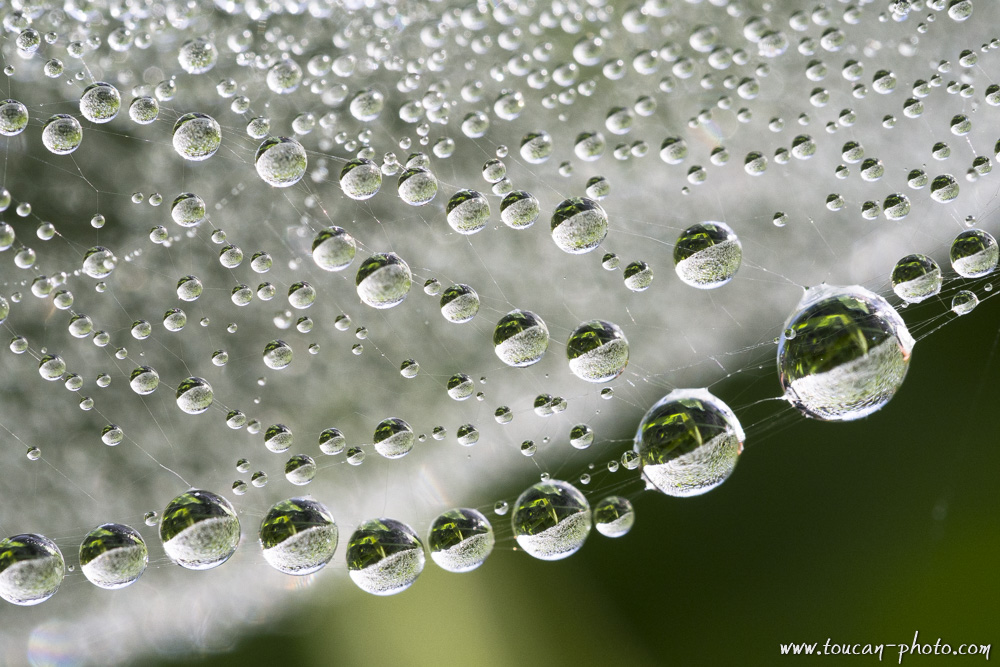
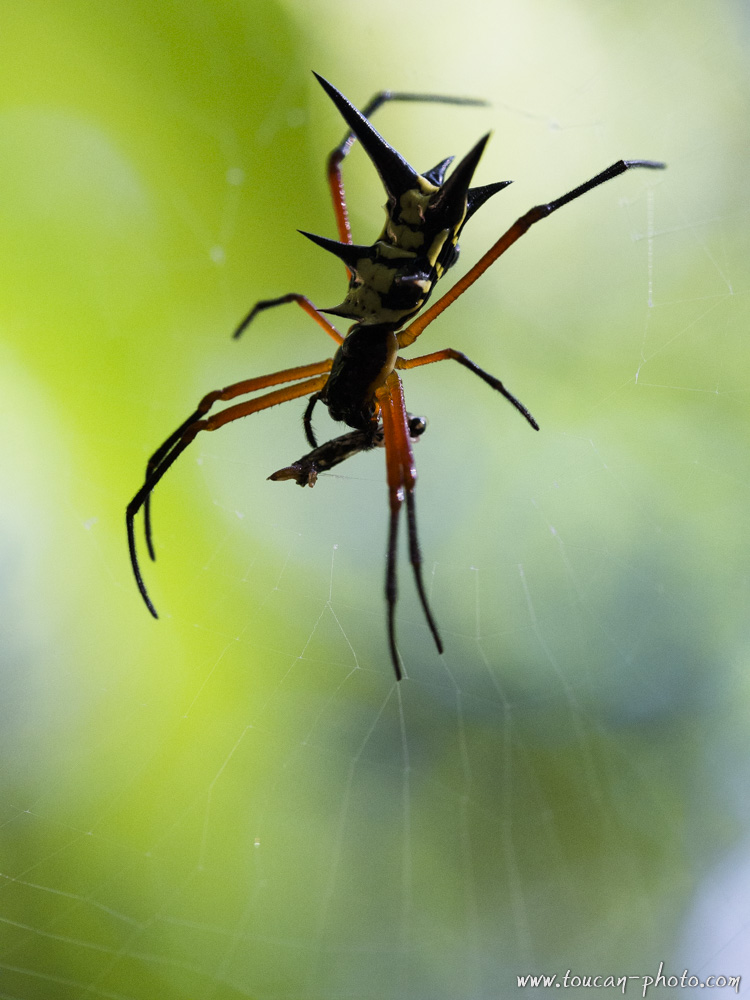 Spider (Micrathena kirbyi), Amazonia, Brazil
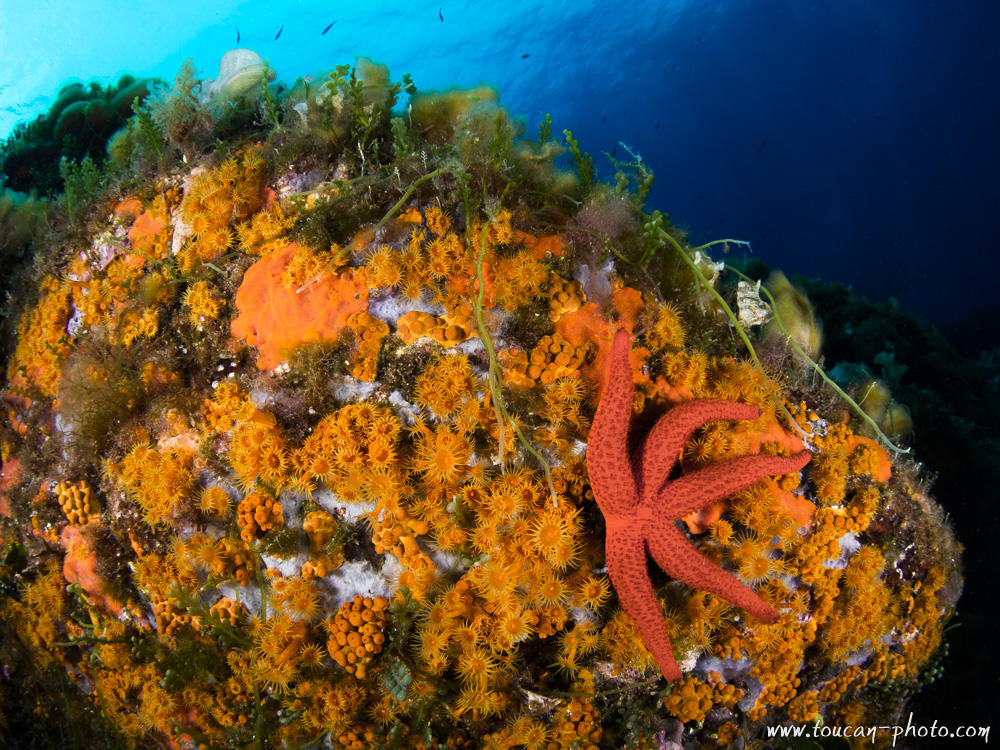 Mediterranean red sea star (Echinaster sepositus), France, Mediterranean Sea
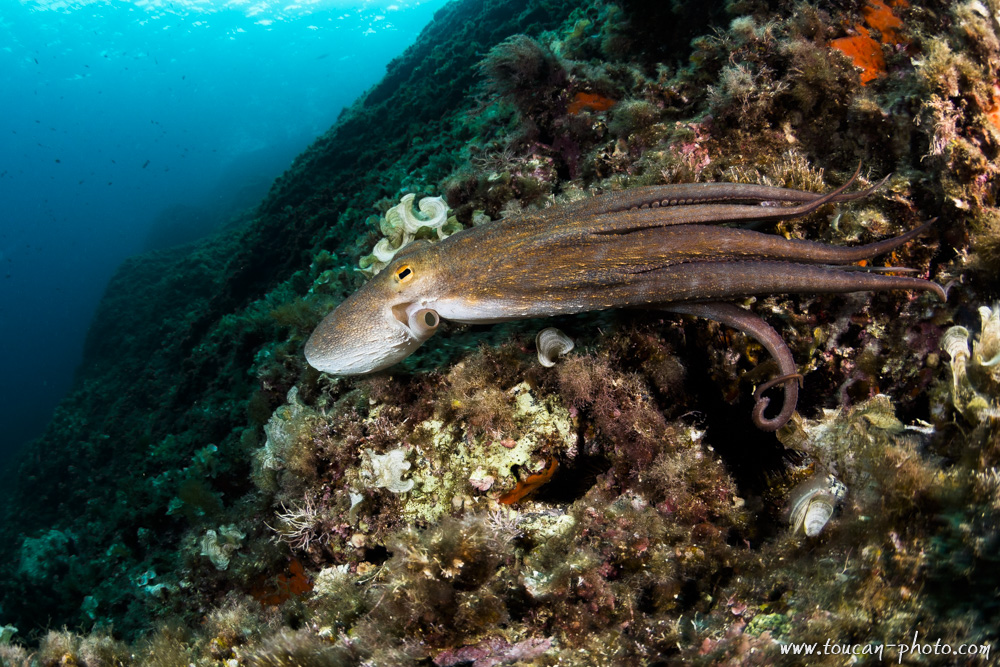 The common octopus (Octopus vulgaris) arms can length up to 1 meter long
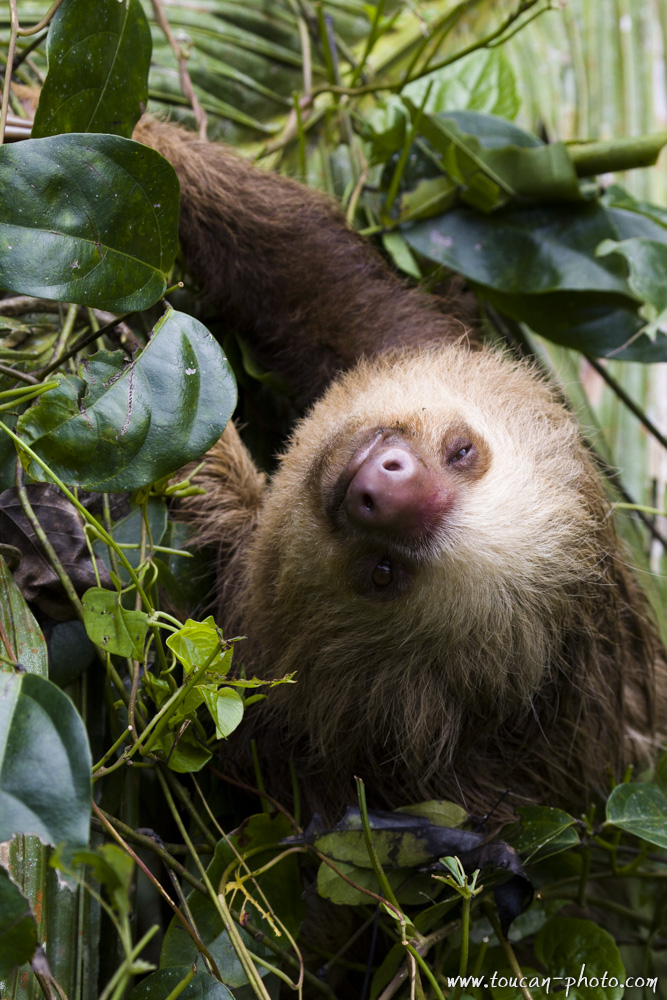 Hoffmann’s sloth (Choloepus hoffmanni)
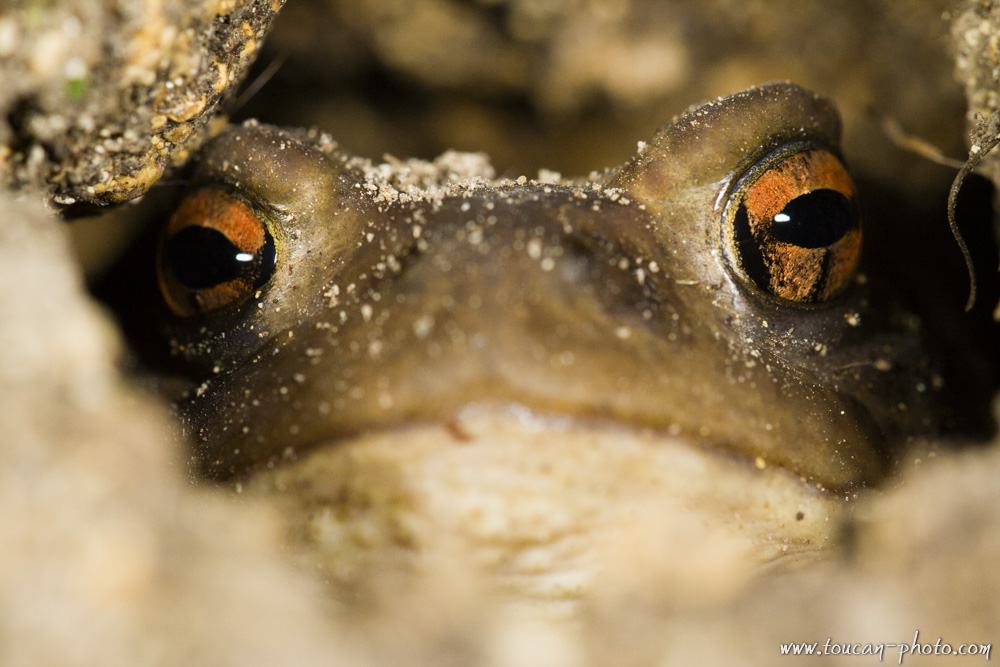 A toad eagerly awaiting in his hole
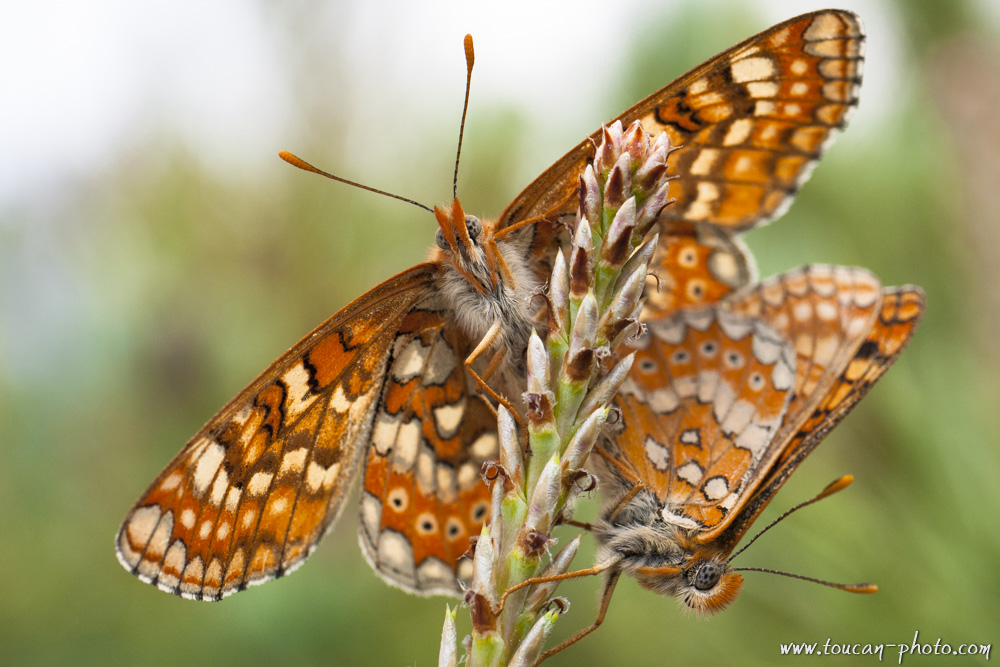 Marsh Fritillary (Eurodryas aurinia)
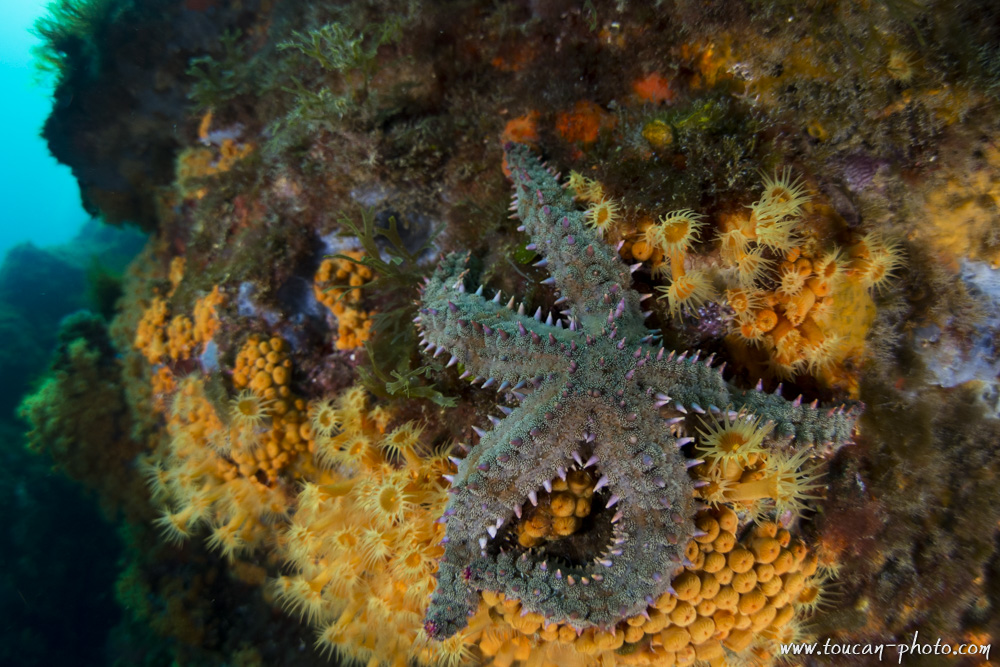 Spiny starfish (Marthasterias glacialis)
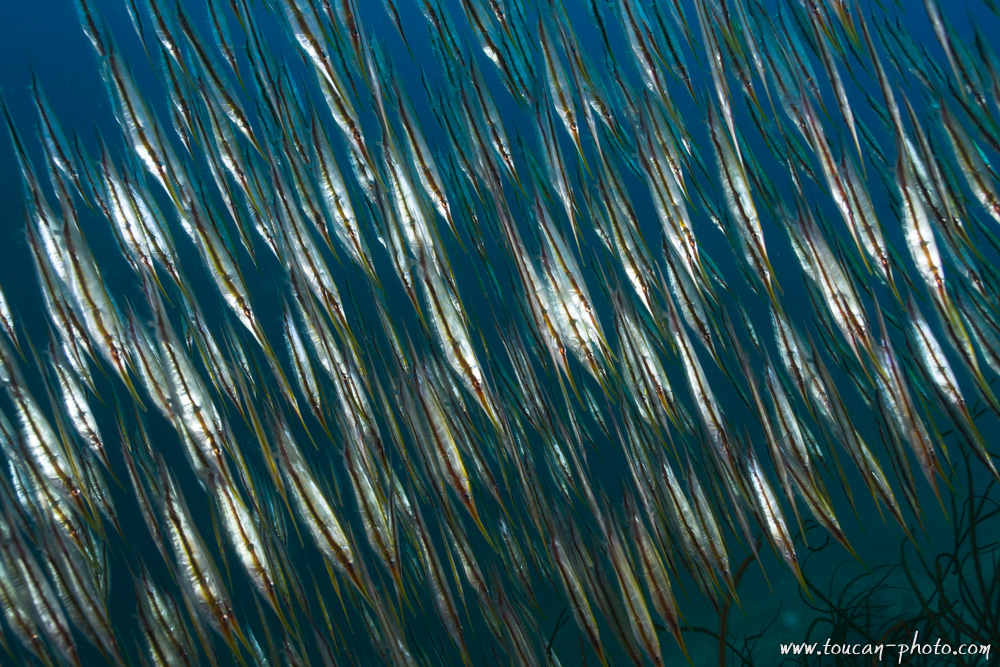 School of Rigid shrimpfish (Centriscus scutatus), Celebes sea
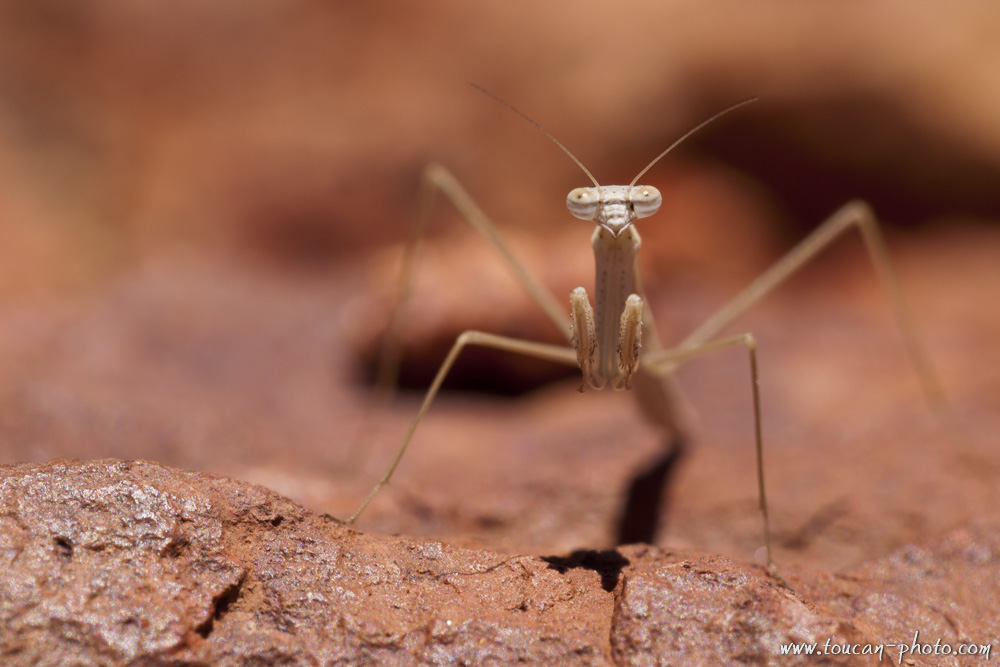 Praying mantis, Australia
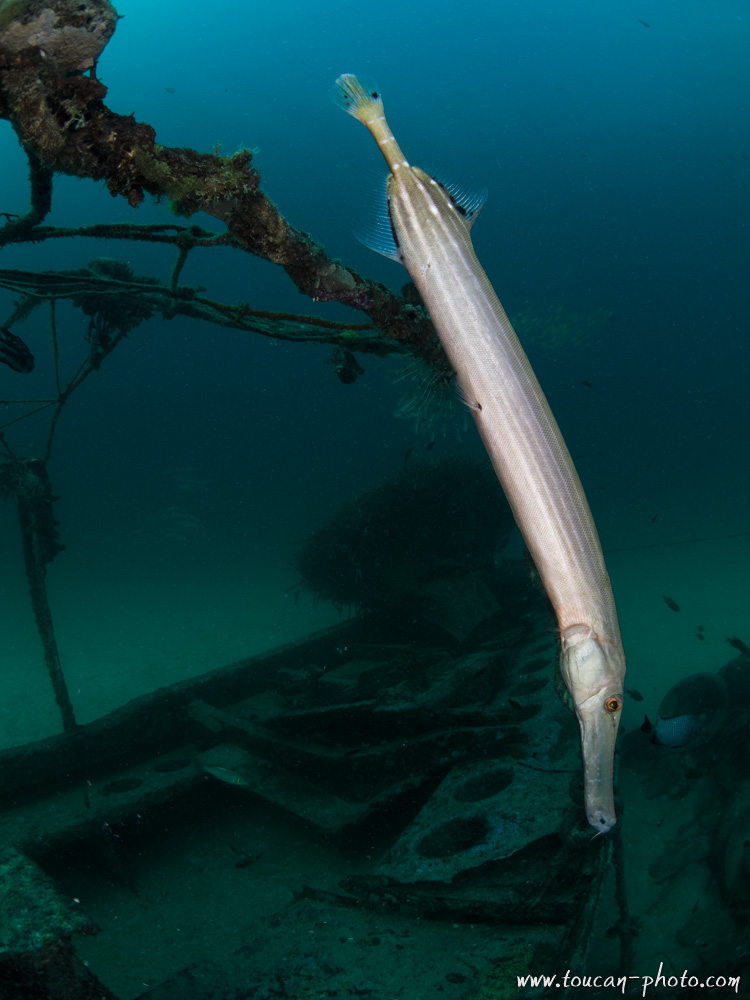 Chinese trumpetfish / Aulostomus chinensis
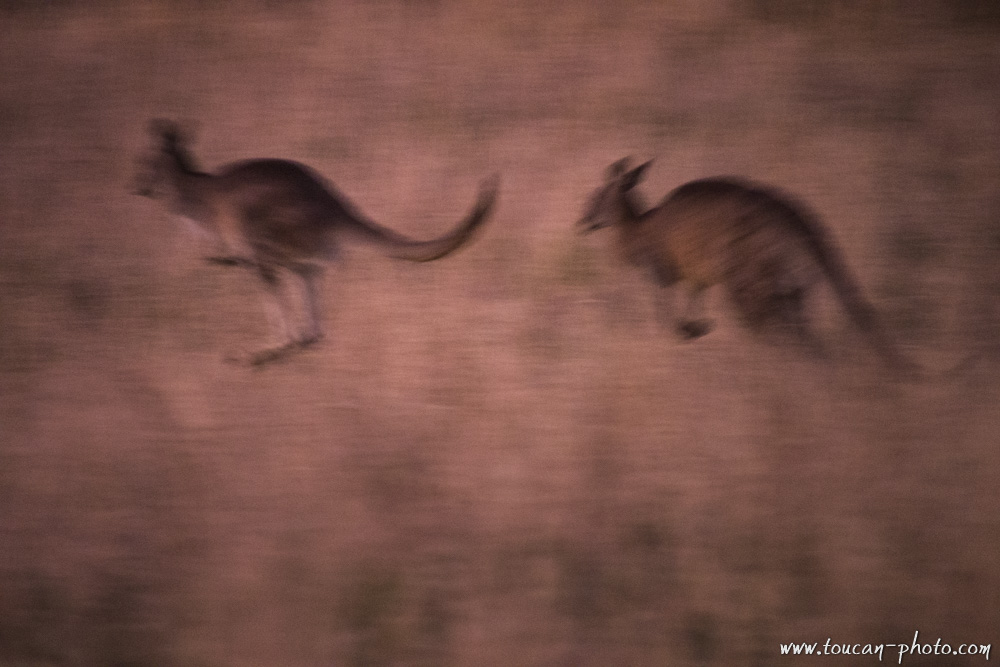 Red kangaroo jump (Macropus rufus), Australia
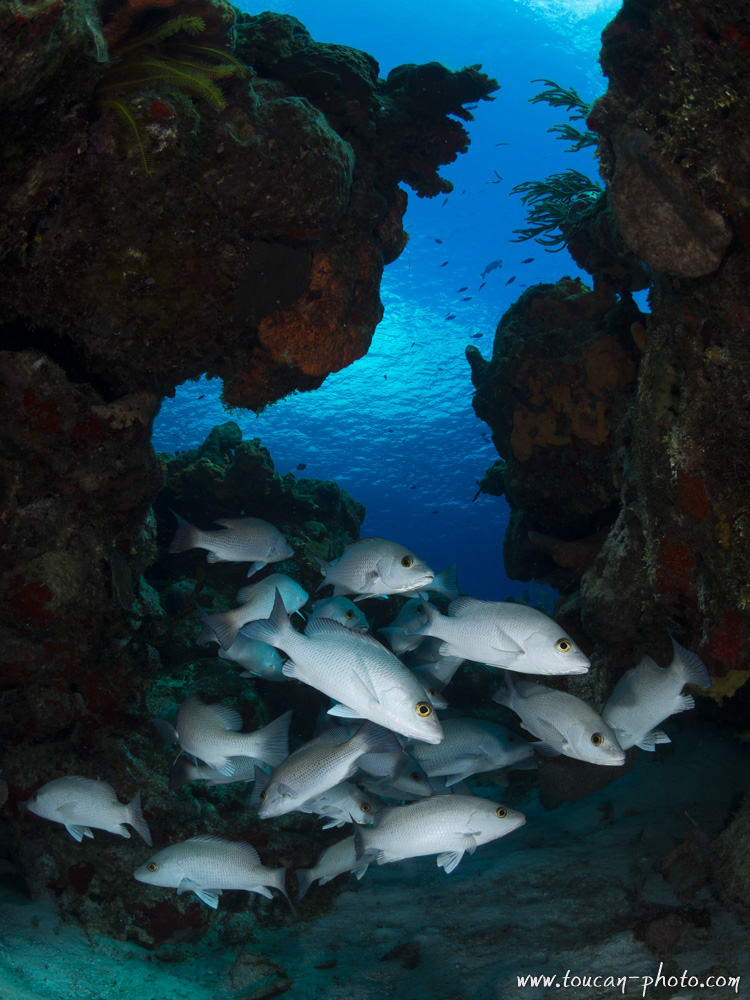 School of Grey Snapper (Lutjanus griseus), Caribbean Sea, Mexican Coast
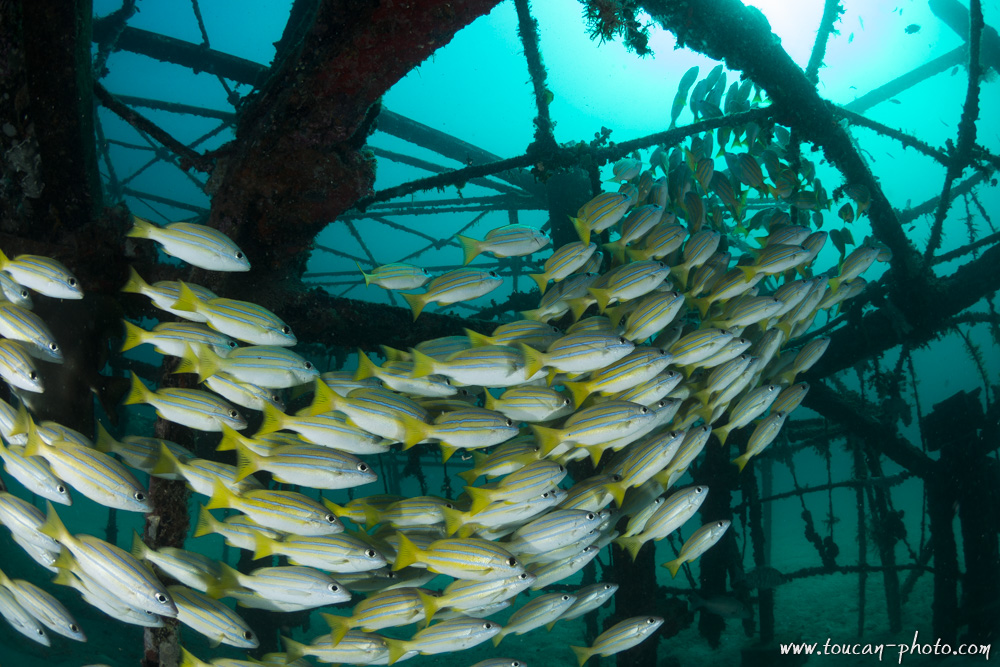 School of bluestripe snapper (Lutjanus kasmira)
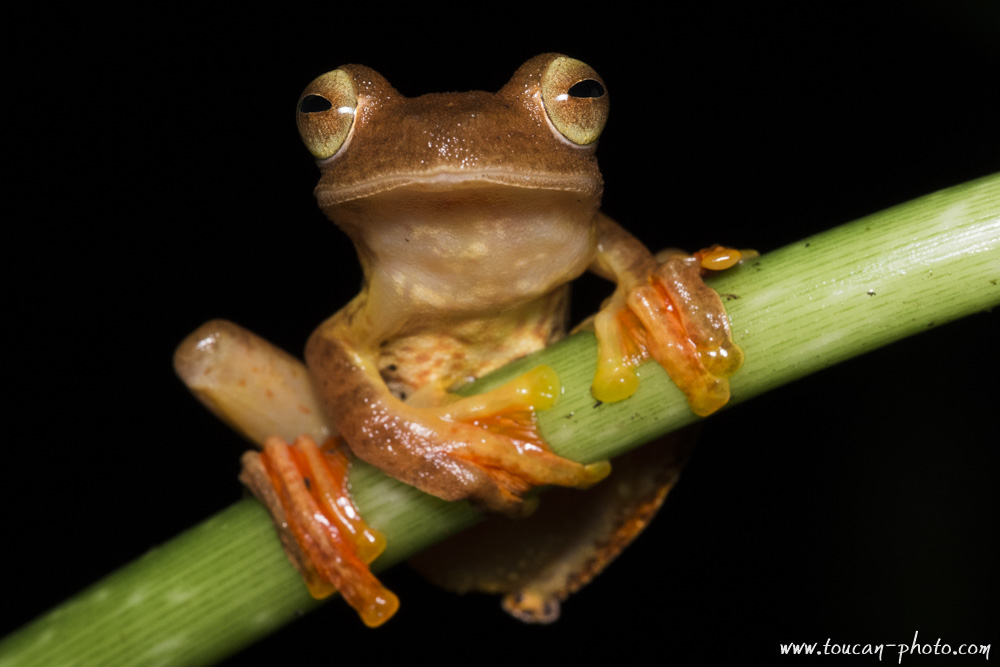 Harlequin tree frog (Rhacophorus pardalis), Borneo, Malaysia
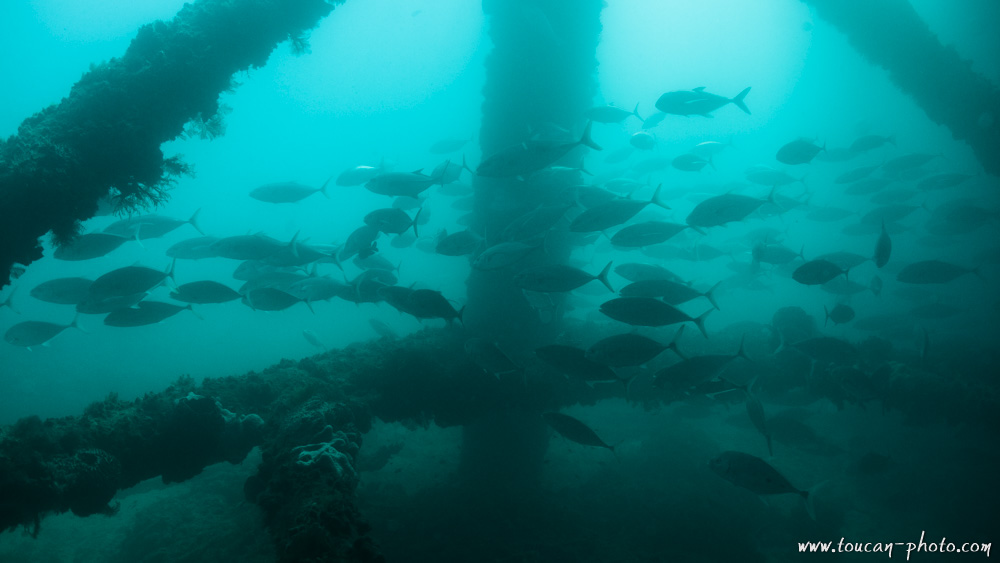 School of yellow-dotted trevally (Carangoides fulvoguttatus), North West Cap, Australia
 Peacock, early morning, on the top of the tree to escape predators. Bundala National Park, Sri Lanka
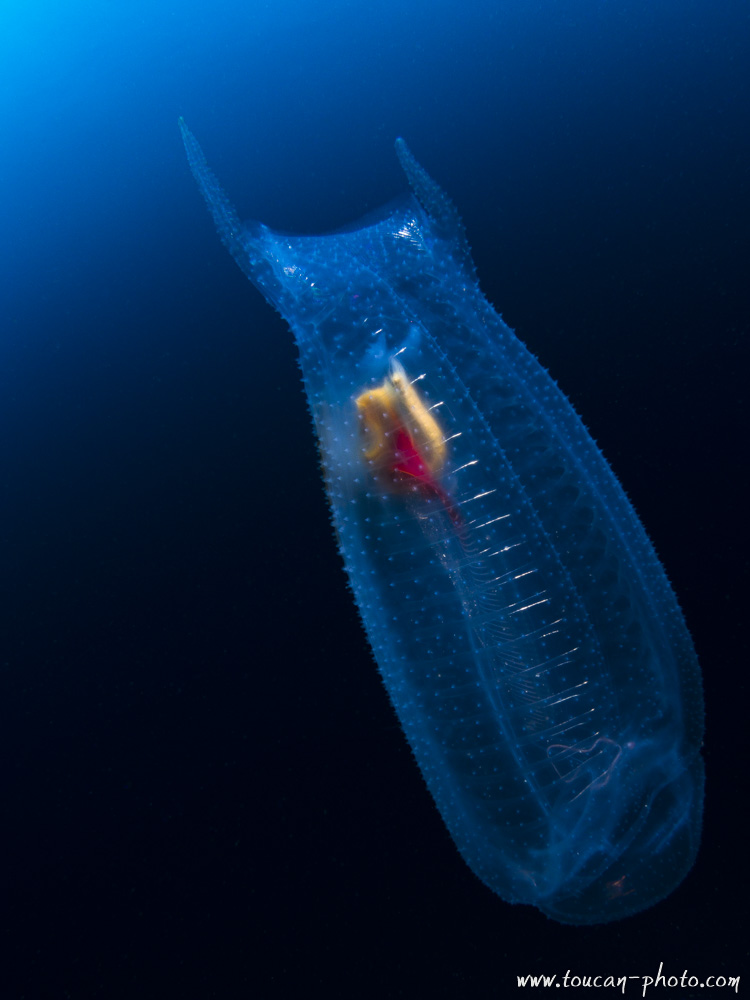 Salpa maggiore (salpa maxima), Celebes Sea, Borneo, Malaysia
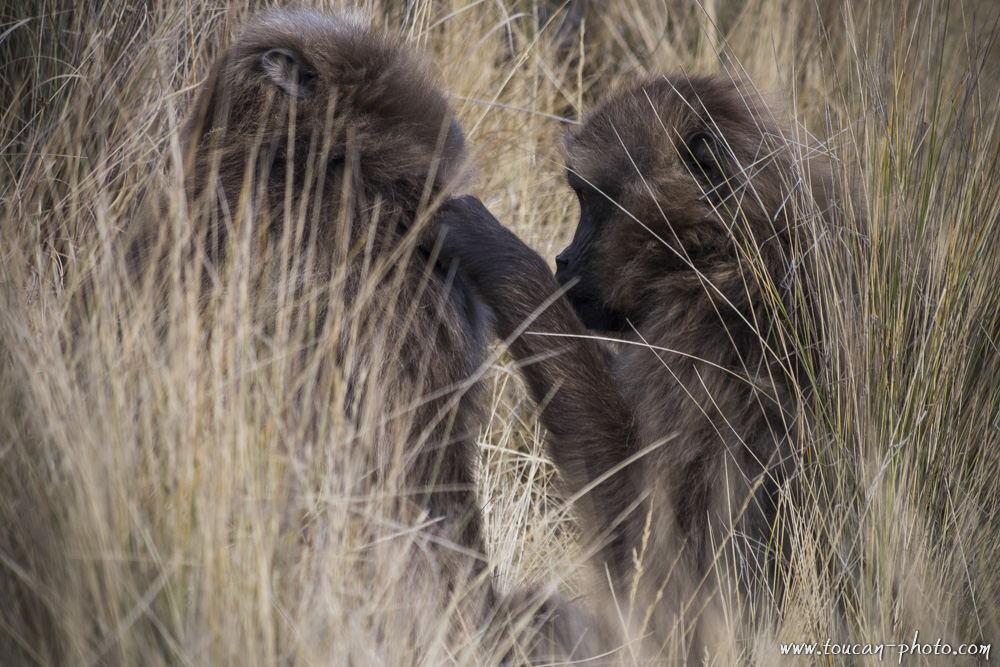 Gelada – Theropithecus gelada, Ethiopia
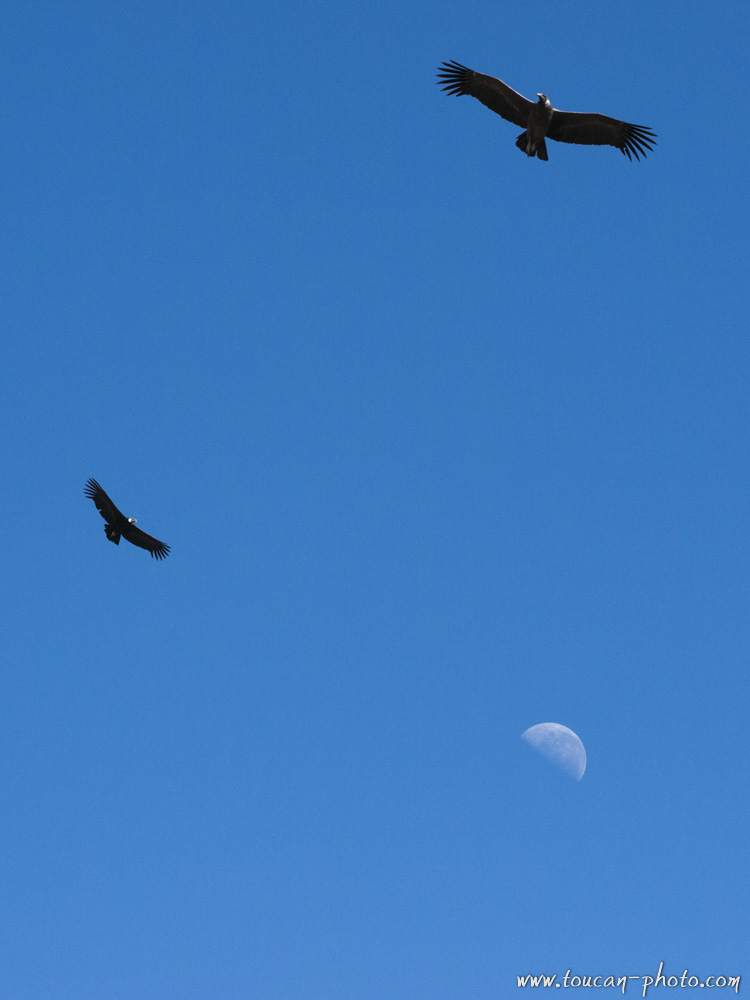 Andean Condor (Vultur gryphus), Peru
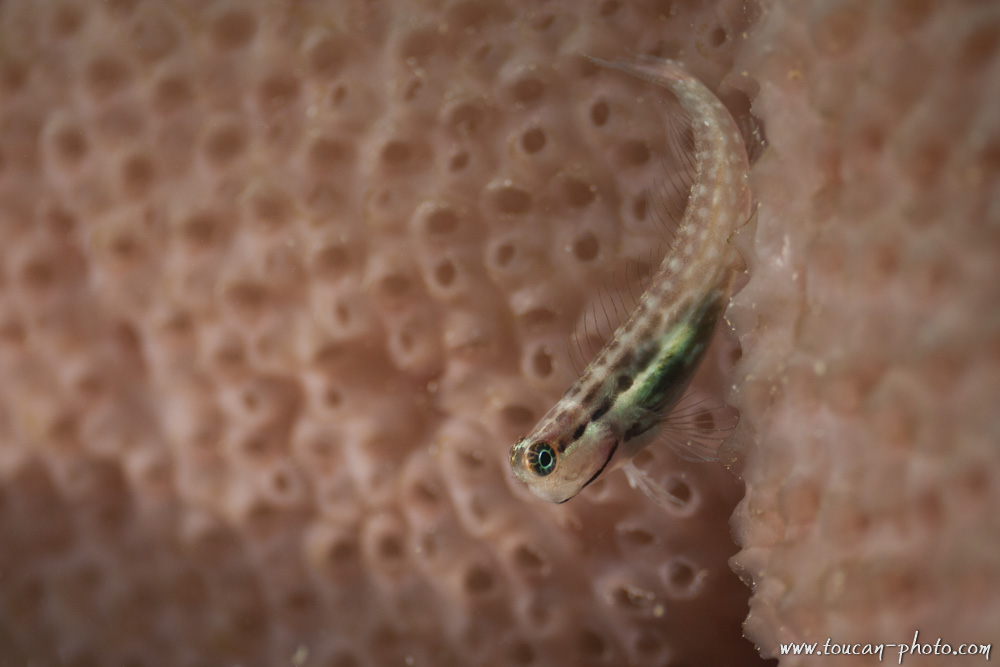 Blenny, Australia
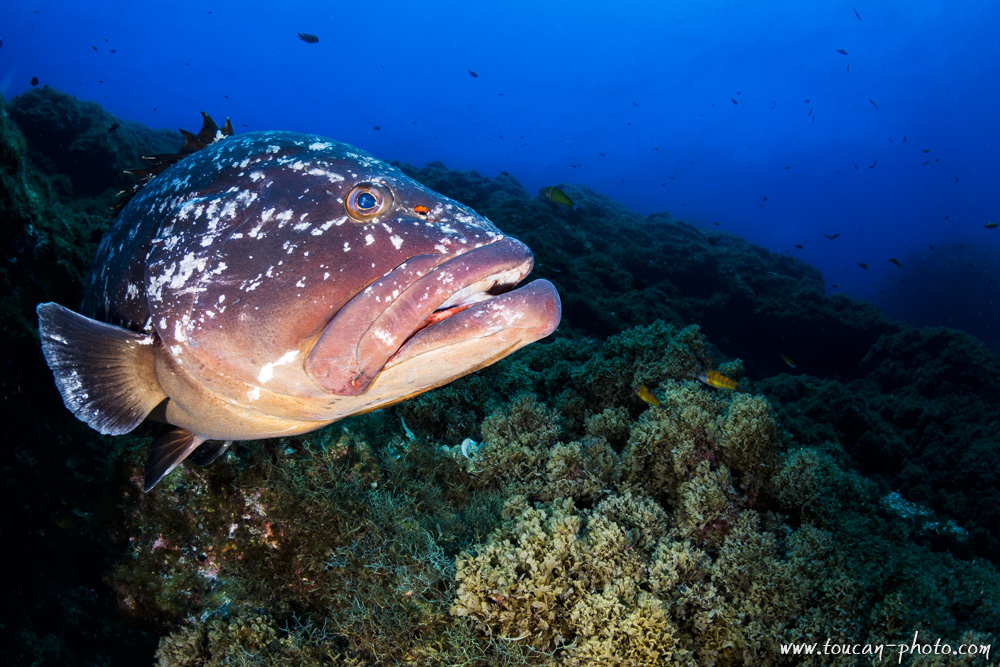 Grouper, Portugal, Azores
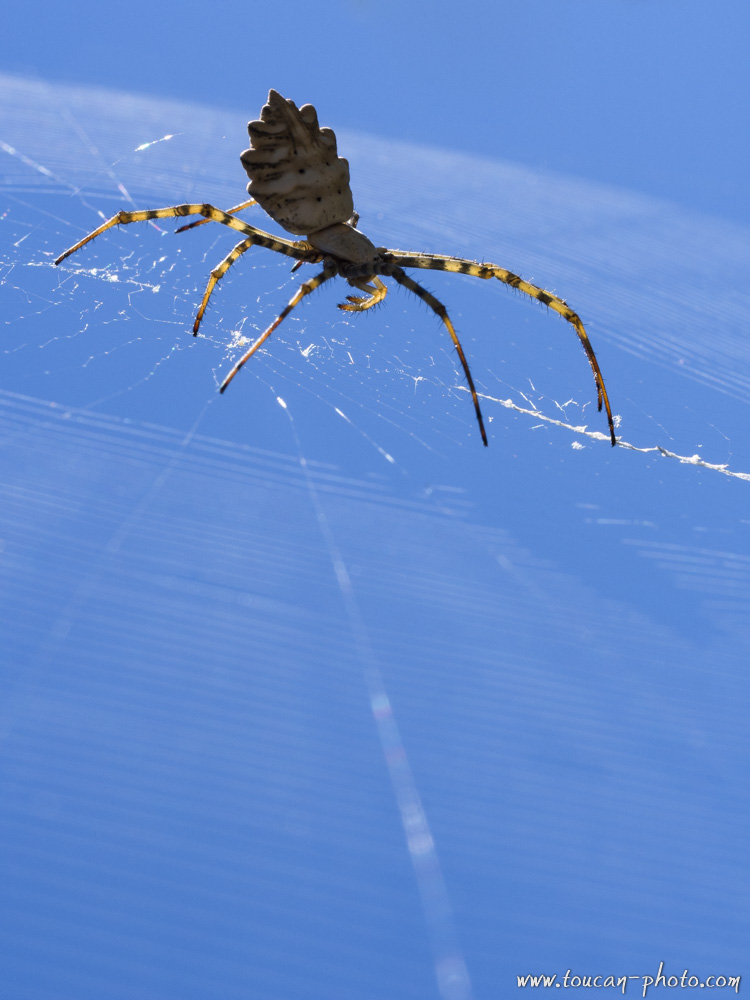 Spider
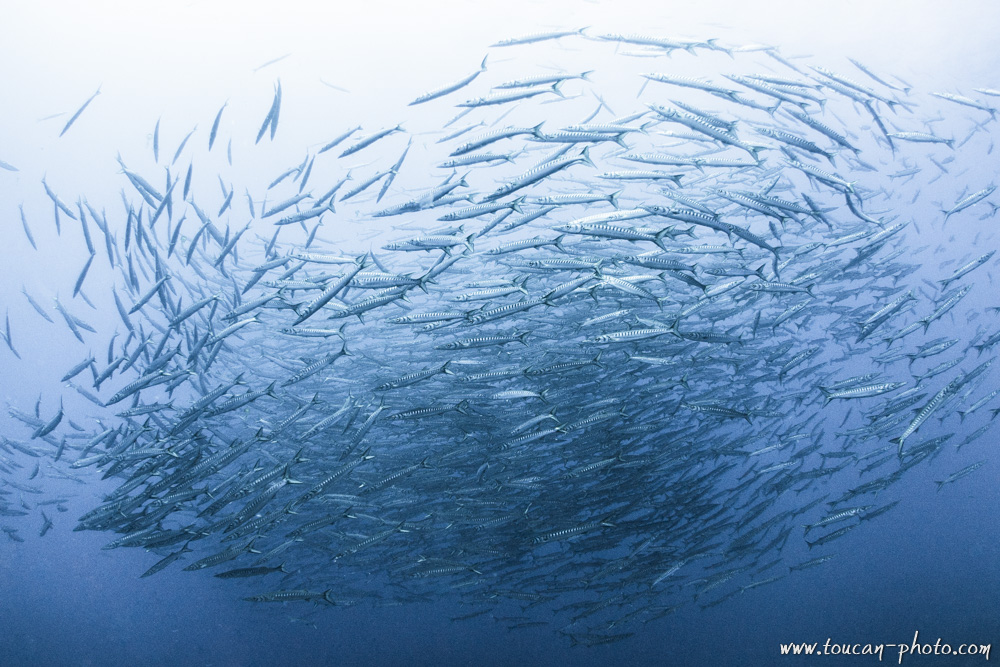 School of Barracudas (Sphyraena)
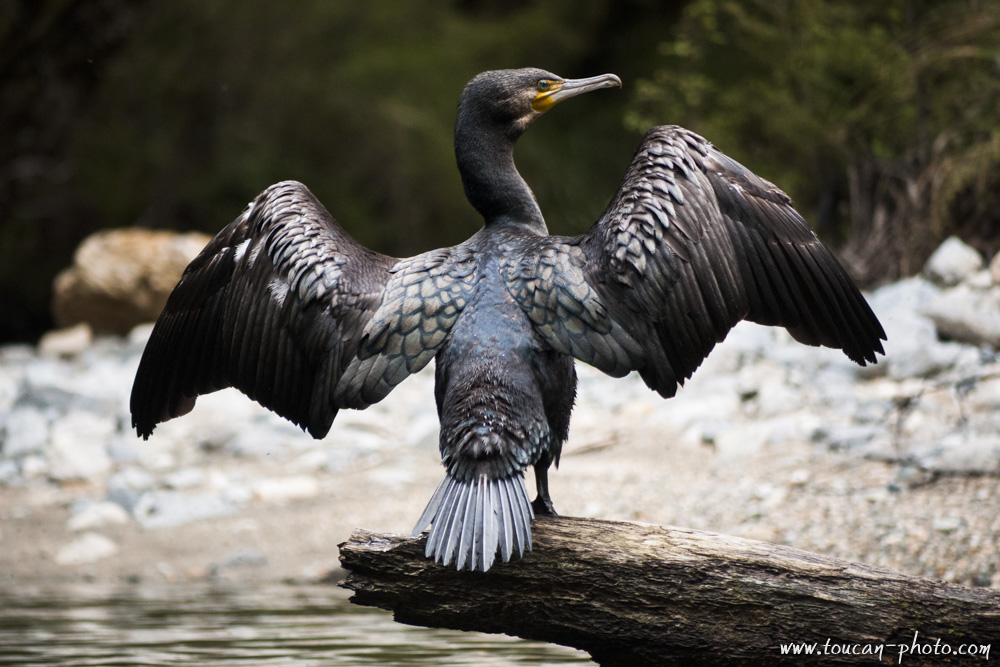 Great Cormoran (Phalacrocorax carbo)
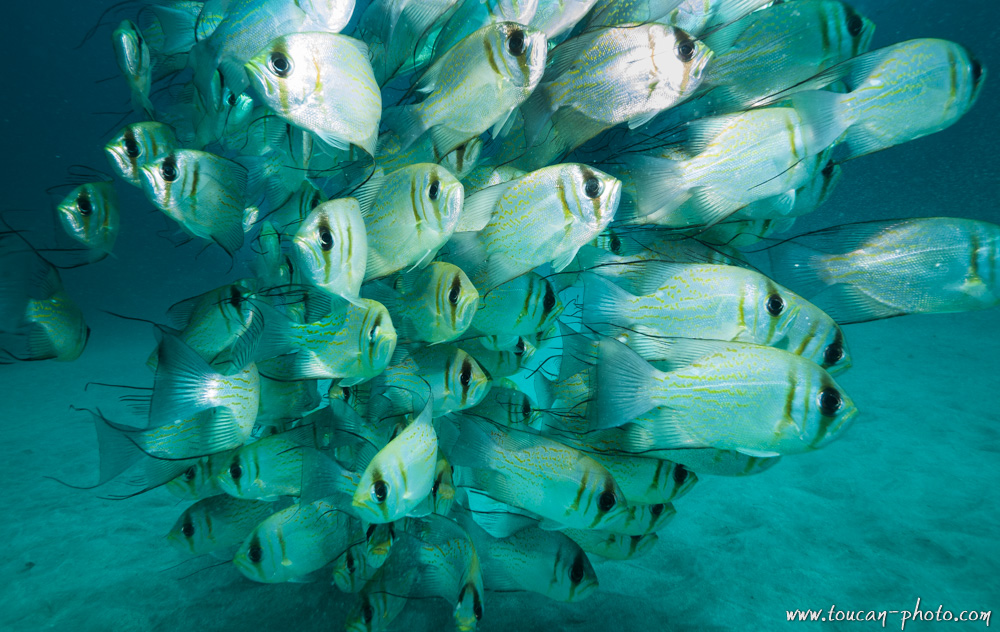 Threadfin pearl-perch (Glaucosoma magnificum)
 Orang-utang (pongo pygmaeus), Kinabatangan forest, Borneo, Malaysia