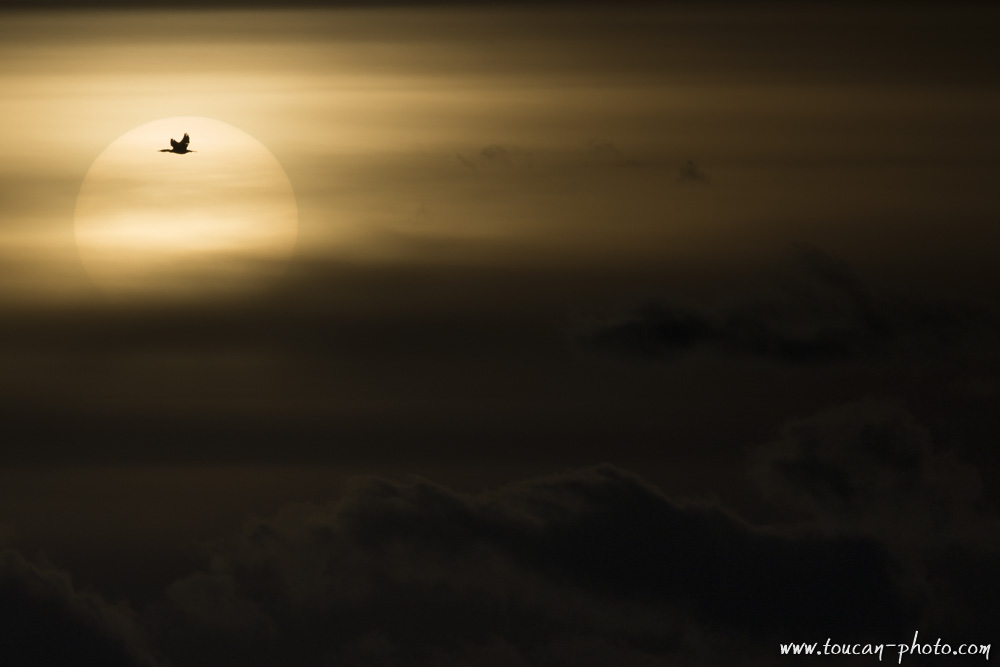
Flying over the clouds
Nature is an intricate web of life in which every species, from the smallest to the most iconic, plays an essential role. Mammals, birds, reptiles, amphibians, insects and marine life all contribute to the functioning of the ecosystems that sustain life on Earth. Observing this extraordinary diversity is a reminder that every living organism is connected through countless invisible relationships.
Through this collection, I invite you to discover wildlife from every corner of the world. Some photographs capture rarely observed behaviours, while others celebrate the beauty of a species or reveal the fragility of a natural environment. All of them share the same purpose: to tell a story, inspire wonder and deepen our understanding of the living world.
At a time when biodiversity is declining at an unprecedented rate, every photograph also becomes a testimony. More than a travel memory, it reminds us that protecting wildlife also means preserving the habitats on which every species—and ultimately humanity itself—depends.
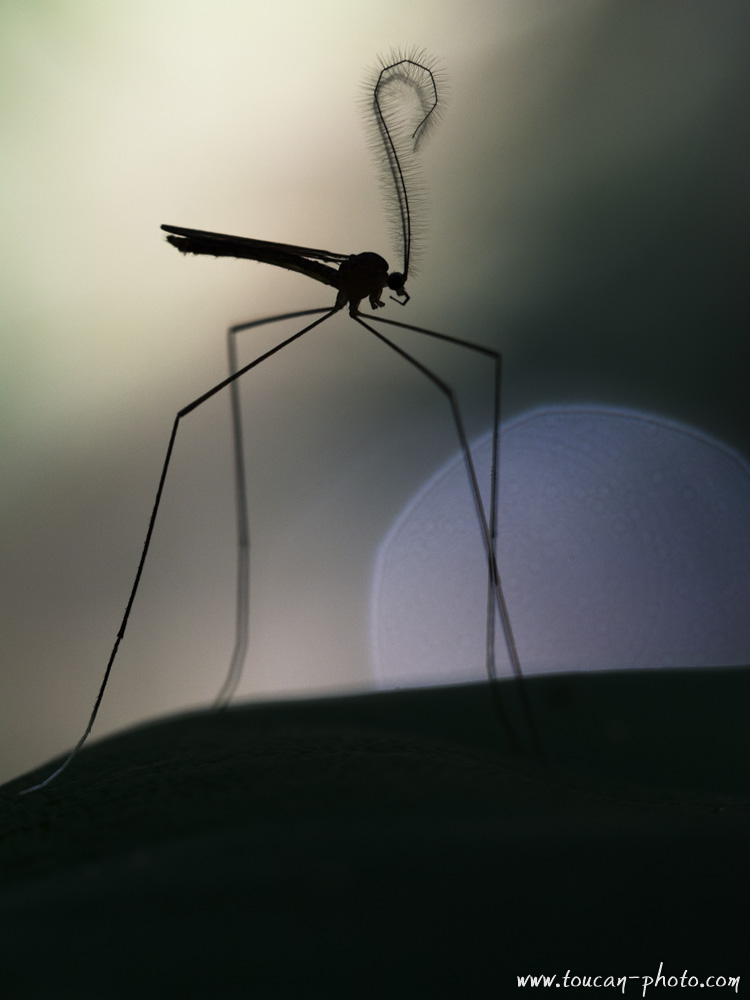
Mosquito, Amazonia, Brazil
Is the Mosquito the most dangerous animal living on earth?
Many diseases are transmitted by this insect, such as malaria (with 250 million cases annually, the disease kills more than 900,000 people per year), the yellow fever (affects 200,000 people per year and is fatal to 30 000 people), dengue (the most serious variation strikes 500 000 people per year) …
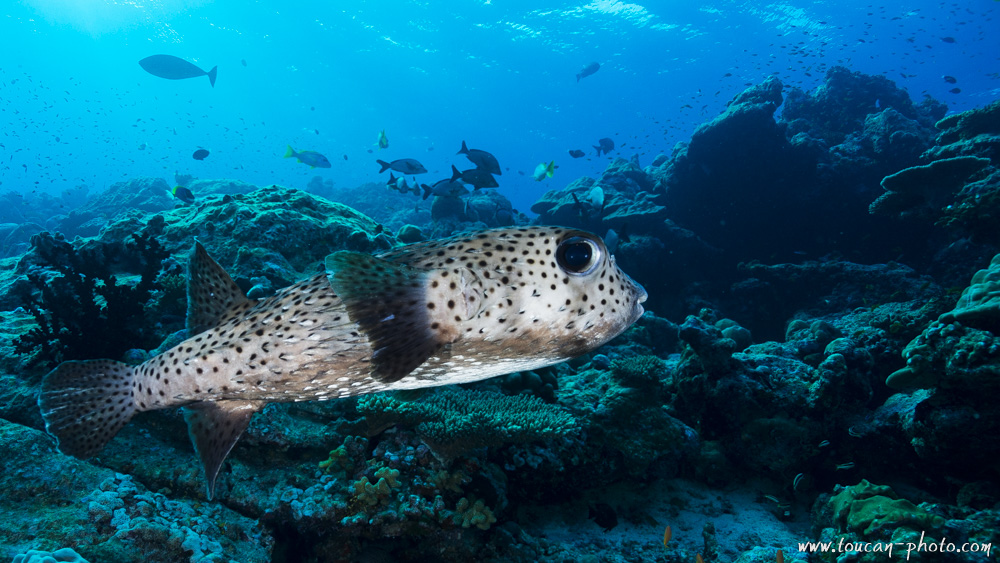 Spot-fin porcupinefish (Diodon hystrix), Maldives
The porcupinefish, in case of danger can inflate itself by swallowing water to deter the potential predator with its larger volume and it can raise its spines. In addition, it concentrates a mortal poison in certain parts of its body.
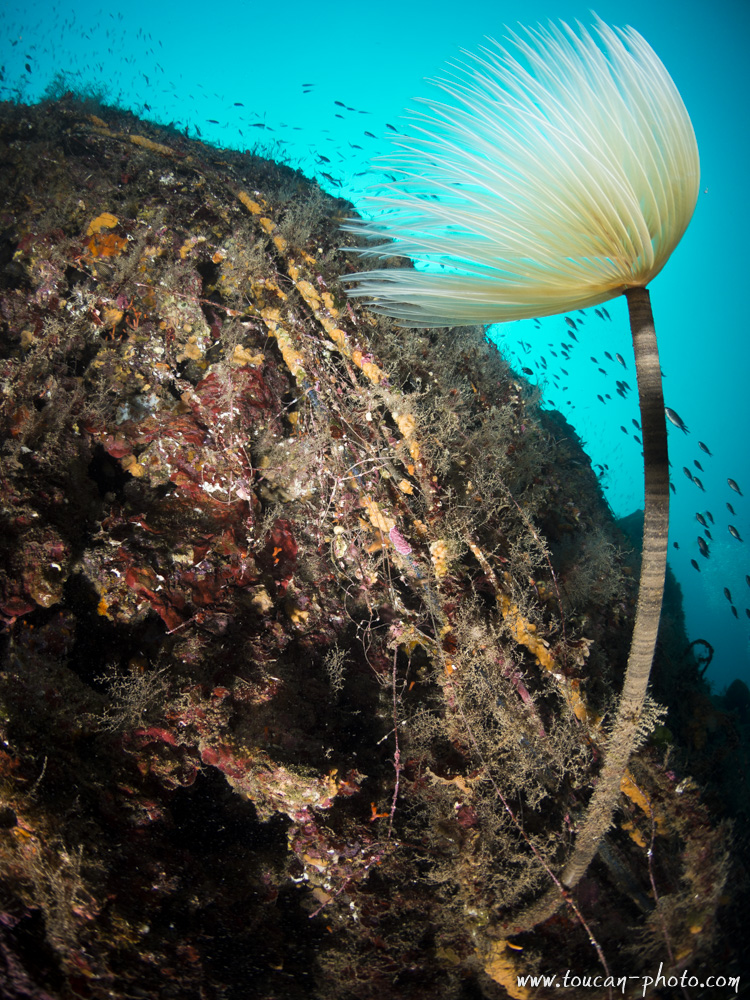 Spirographe (Spirographis spallanzani), Mediterranean sea
The Spirograph is a sea worm living in the Mediterranean Sea, in the Atlantic Ocean and in the North Sea.
This animal, living and fixed on a rock wall, can be seen up to 40 meters deep in the water. Being able to measure up to 35 centimeters long, this animal deploys from its mouth a feather duster of filaments enabling to catch its food and some air. The stem of this sea flower is in reality a tube made out of mucus and sand by the worm.
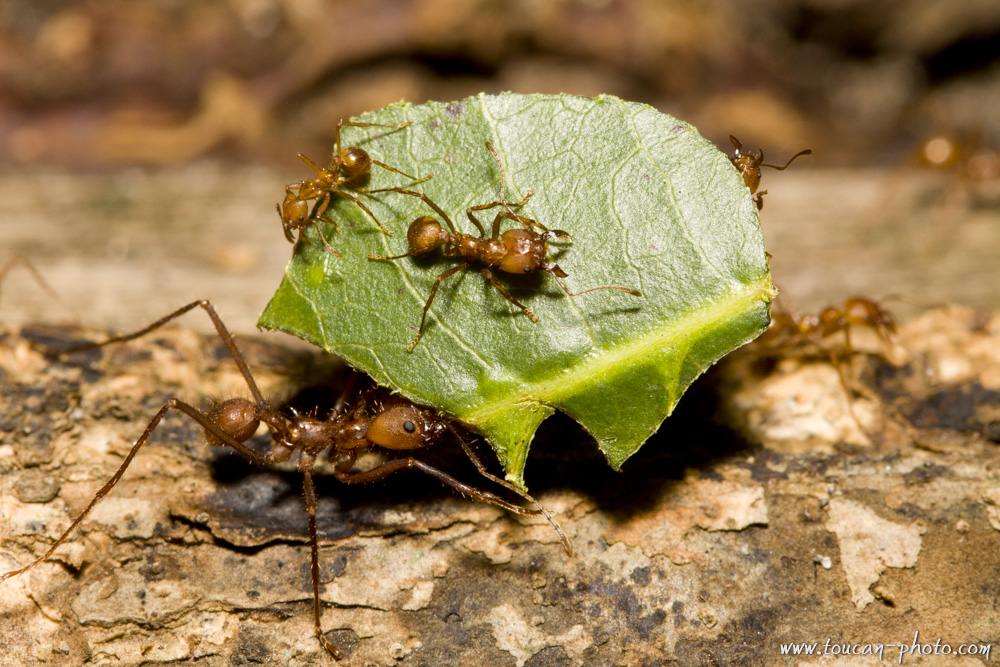 Leaf-cutting ant, Costa Rica
Also known as mushroom ants, the leaf-cutting ants live in tropical regions. These ants mainly feed themselves with a special mushroom they plant inside their anthill. This mushroom grows on substrate composed of leaves collected then chewed by leaf-cutting ants.
The photographed ant brings some pieces of leaves to the anthill. The ant is capable of lifting hundred times its own weight, so the illegal passengers who climbed up the leaf should not be a problem for the ant.
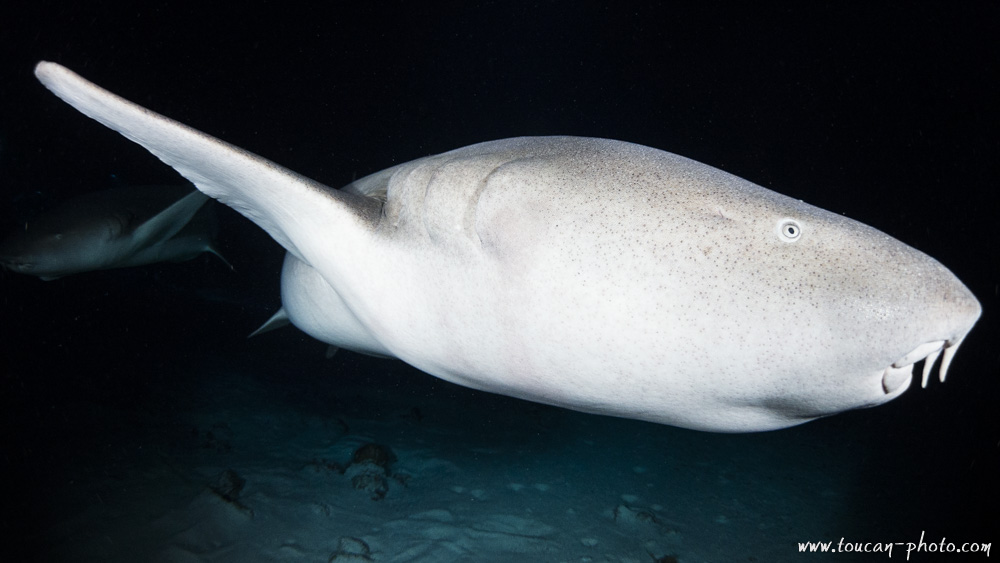 Tawny nurse shark (Nebrius ferrugineus), Maldives
Nocturnal in habits, the tawny nurse shark tends to spend the day resting in piles of two dozen or more individuals inside caves or under ledges. At night, it is an active-swimming predator that uses a powerful suction force to extract prey from inside holes and crevices. The diet of this species consists mainly of octopus, crustaceans such crabs, small fishes.
23 to 7 million years ago, during the Miocene era, Amazonia was partially covered by seawater. Cetaceans were living in this area. When seawater has been definitely out of Amazonia ground, a species would have adapted to continue living in rivers, drawing the Amazonian landscape. This species became the Boto, known also as the biggest pink dolphin of Amazonia.
Continue reading“Brazil: The Boto, pink dolphin of Amazonia”
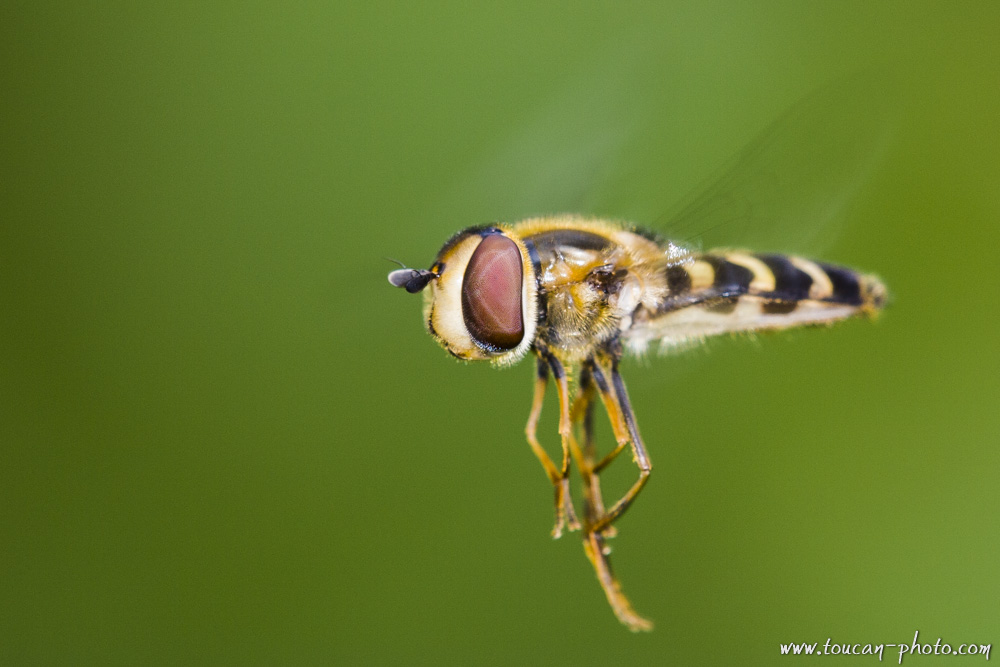
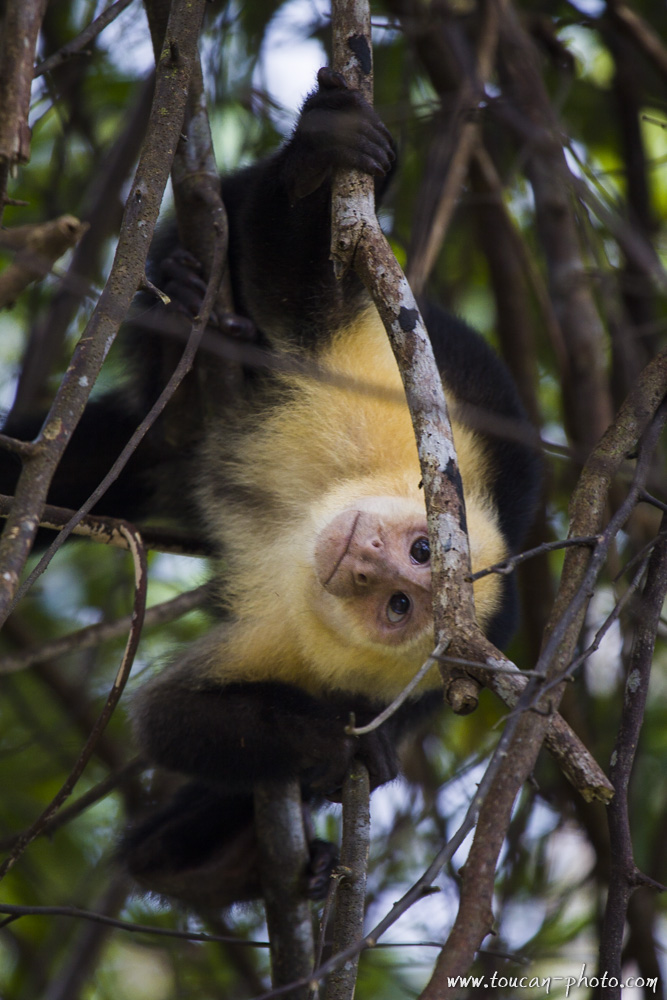
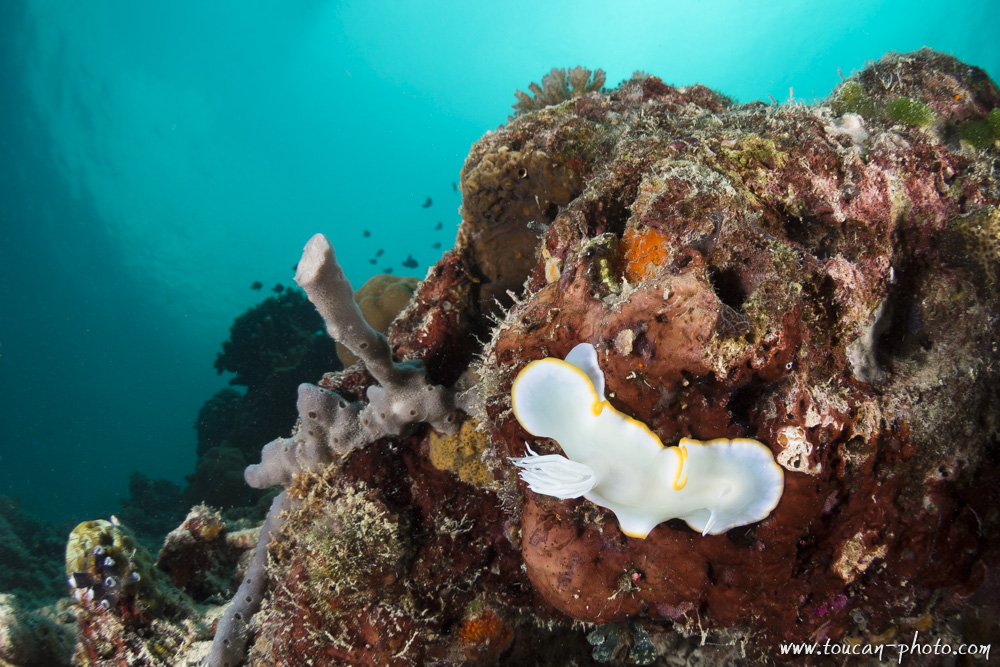
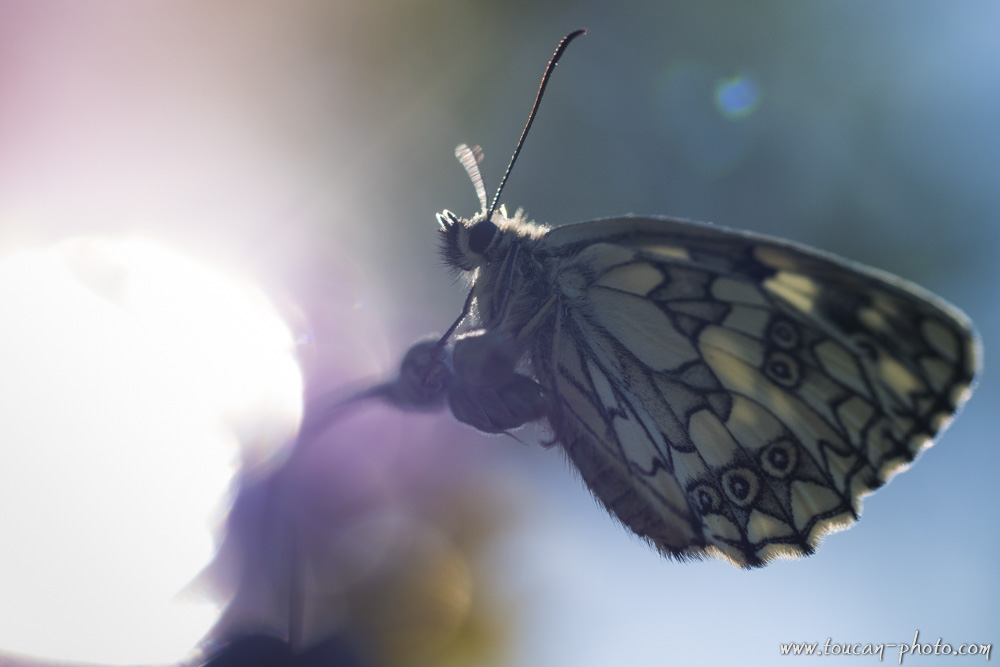 The marbled white (Melanargia galathea)
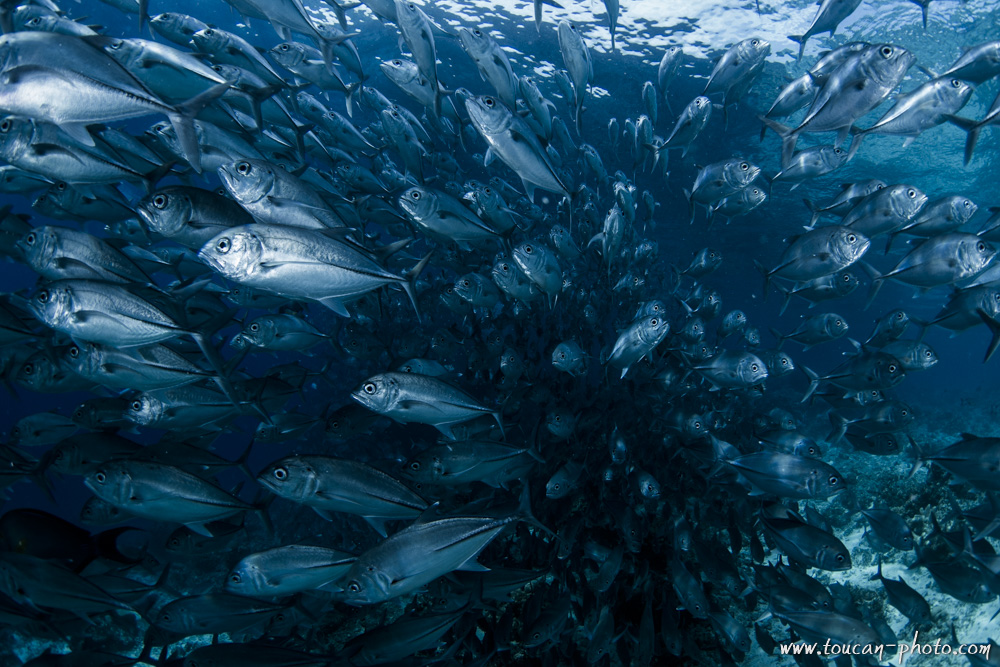 School of bigeye trevally (Caranx sexfasciatus), Celebes Sea
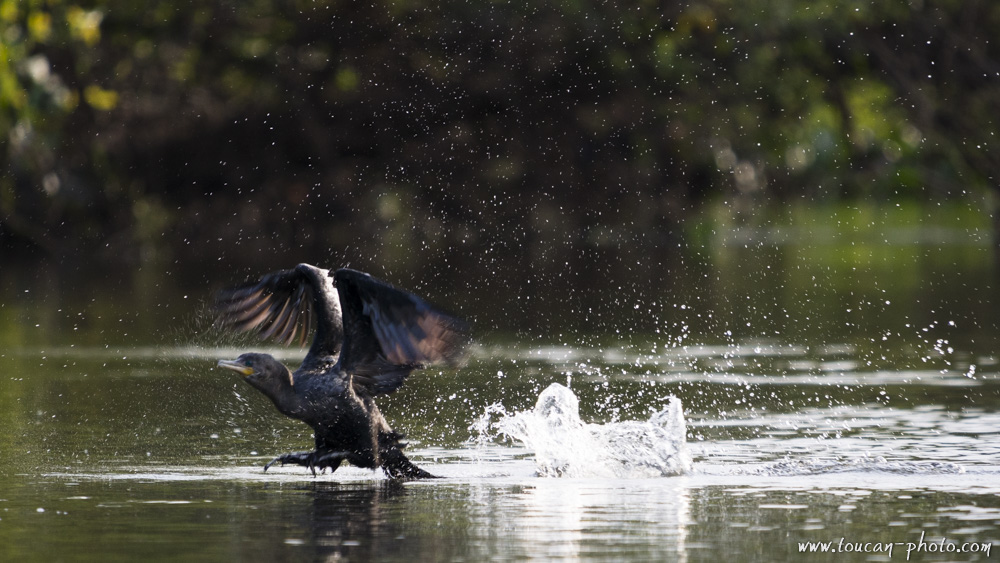 Neotropic cormorant, “O biguá” (Phalacrocorax brasilianus), Brazil
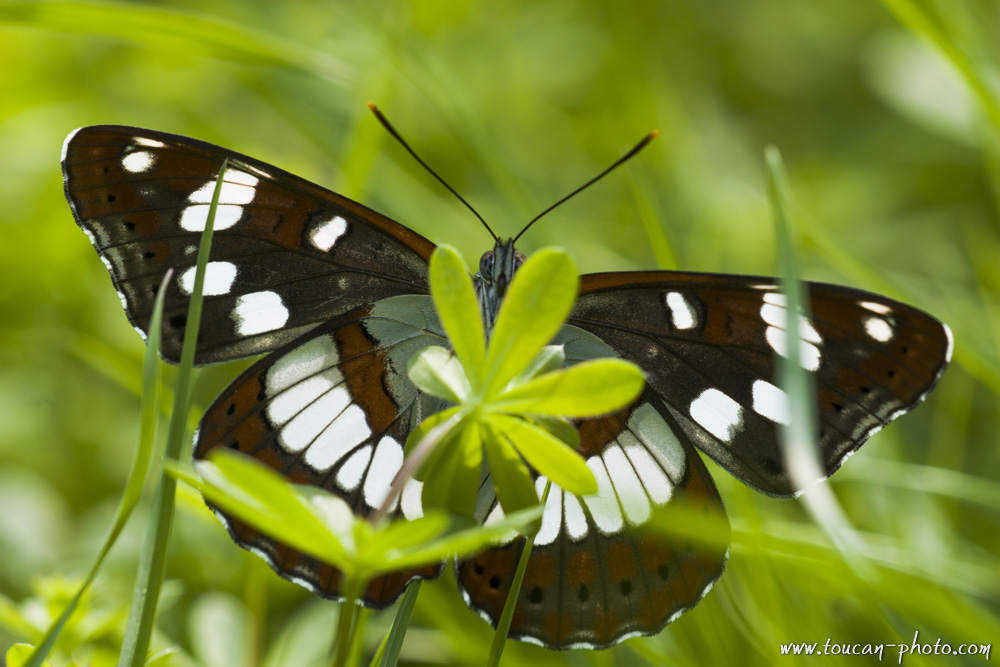 Sylvain azure (Limenitis reducta)
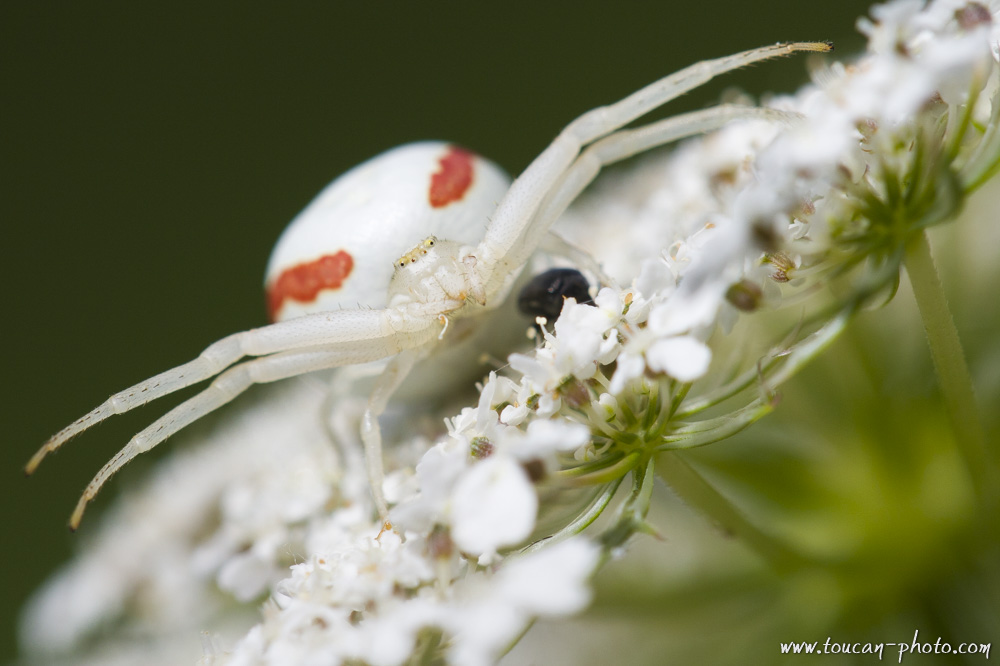 Flower crab spider (genius: Misumena)
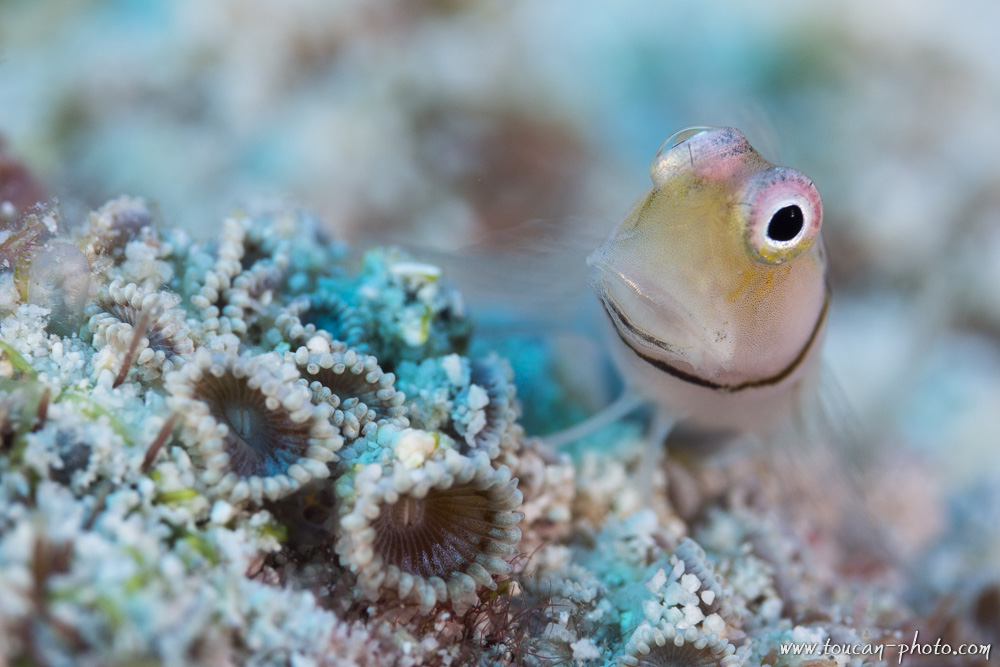 Maldives Blenny (Ecsenius minutus)
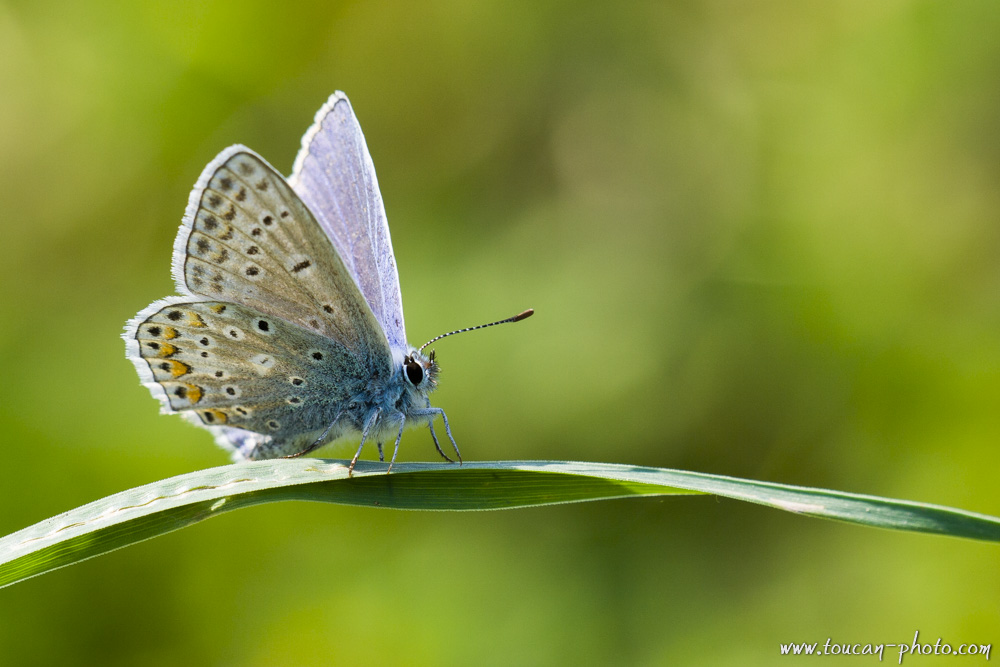 Common blue (Polyommatus icarus)
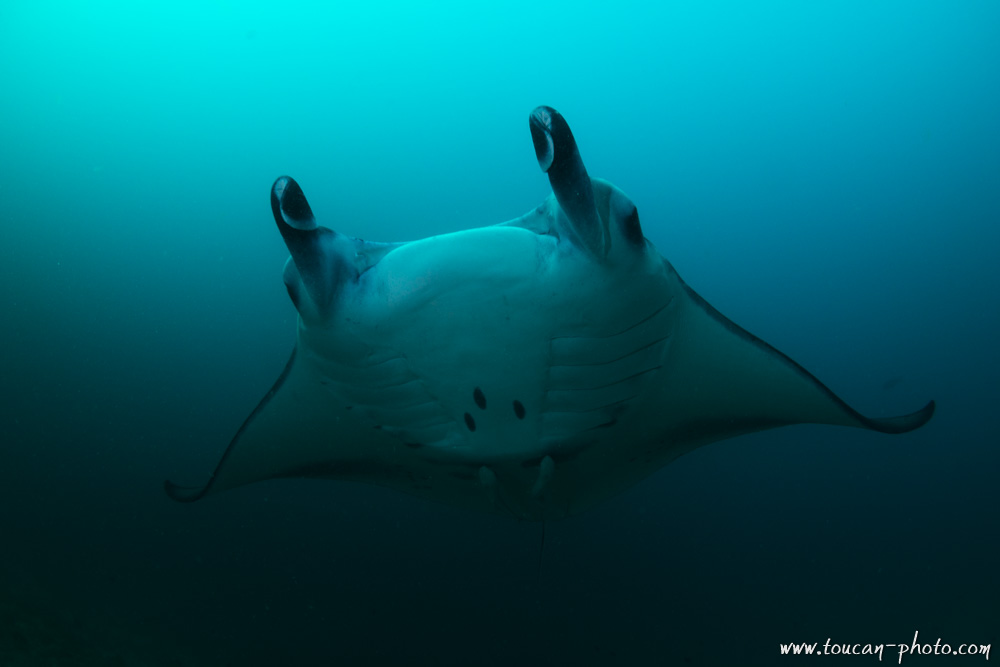 Manta Ray
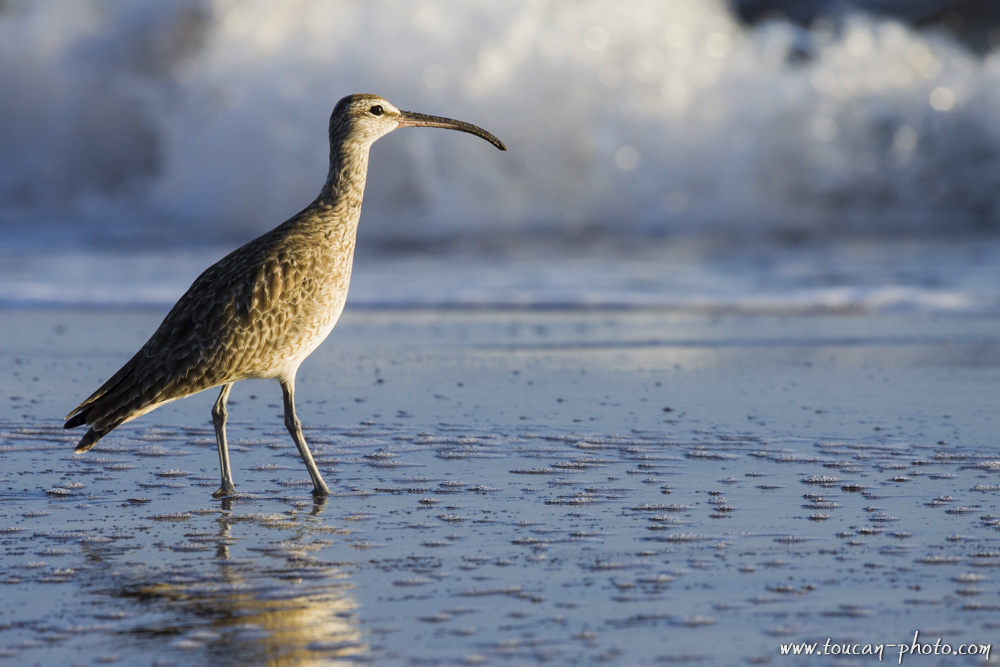 Whimbrel, Numenius phaeopus
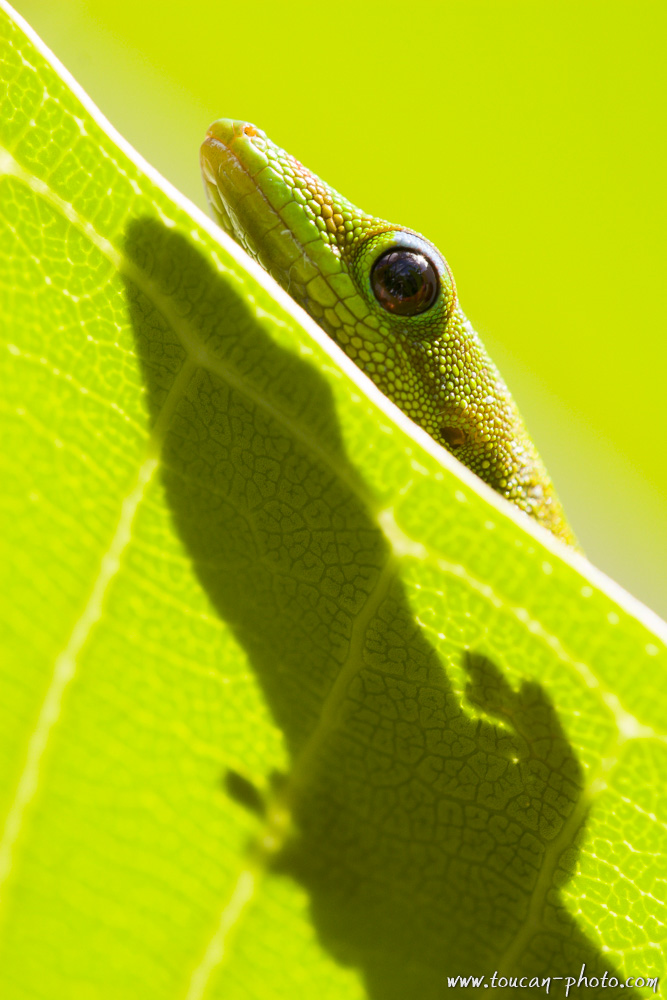 Gold dust gecko (Phelsuma laticauda), France, Reunion Island
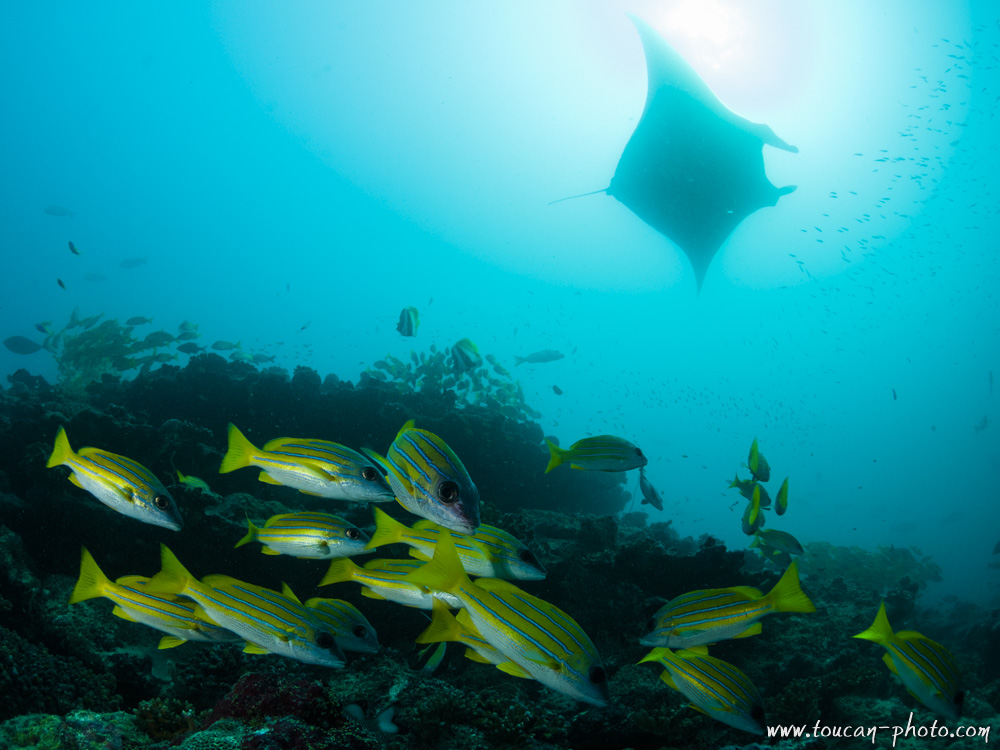 School of bluestripe snapper (Lutjanus kasmira) and Manta Ray, Maldives
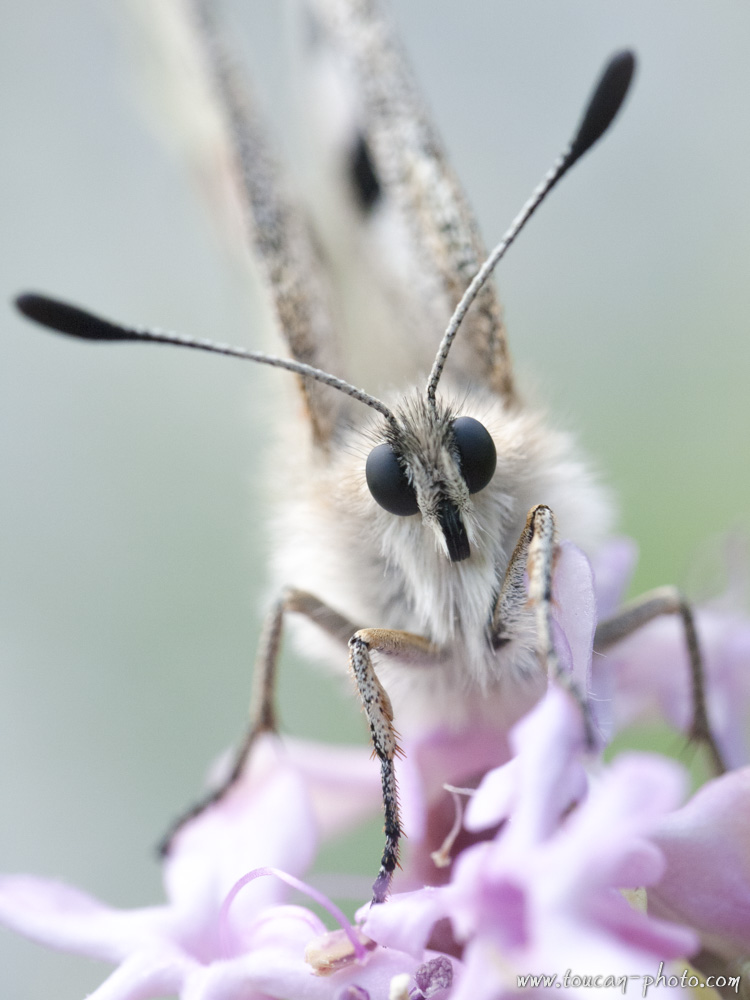 Apollo (Parnassius apollo rhodopensis)
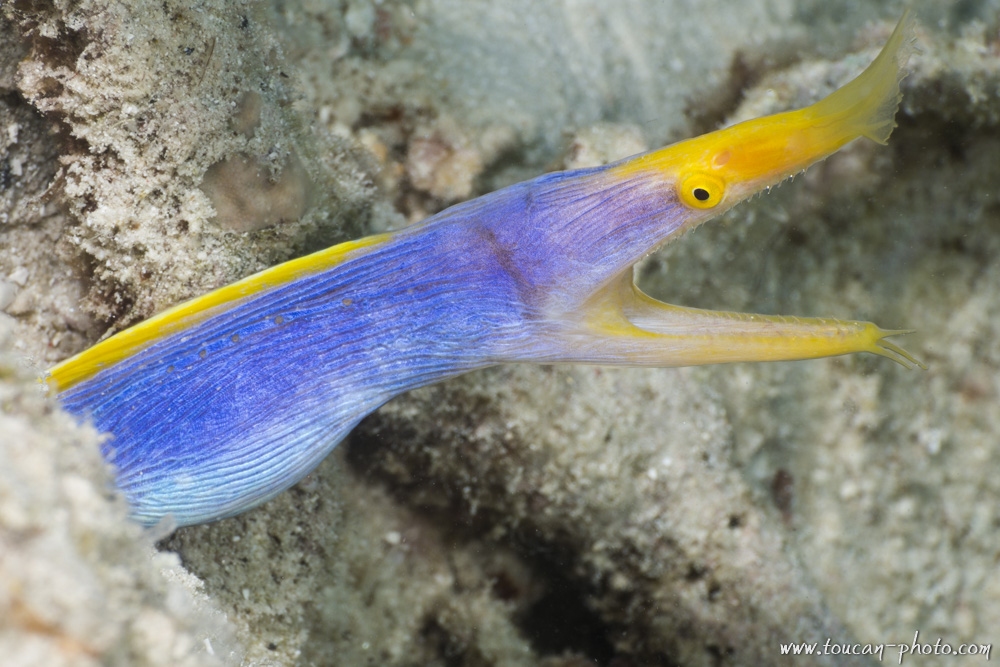 Ribbon eel (Rhinomuraena quaesita), Celebes Sea, Borneo
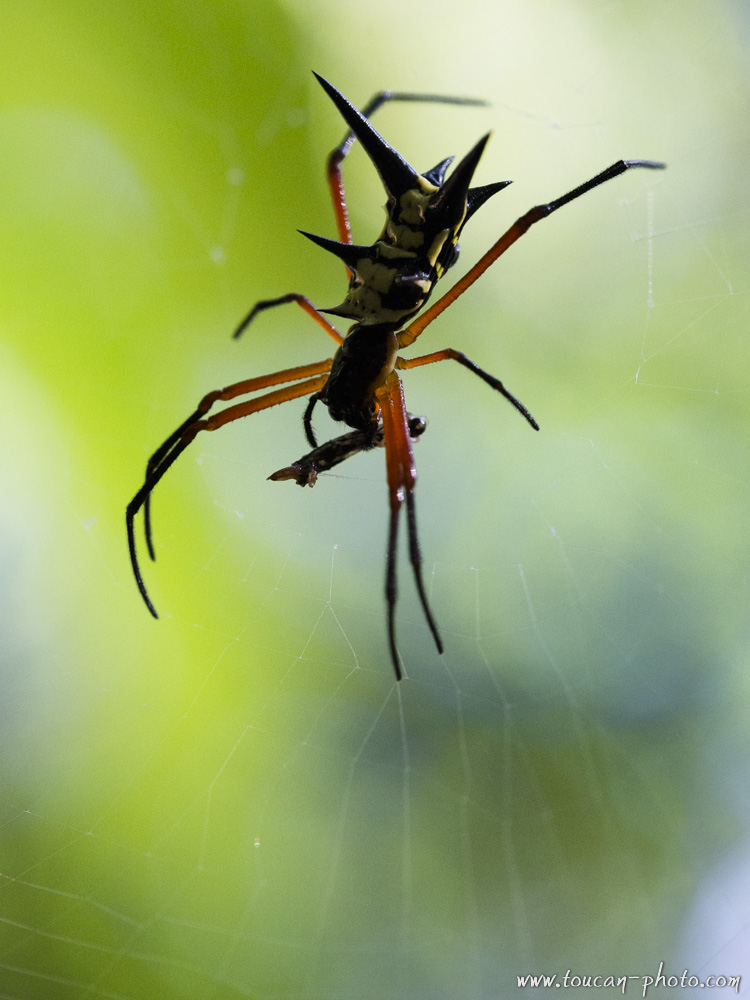 Spider (Micrathena kirbyi), Amazonia, Brazil
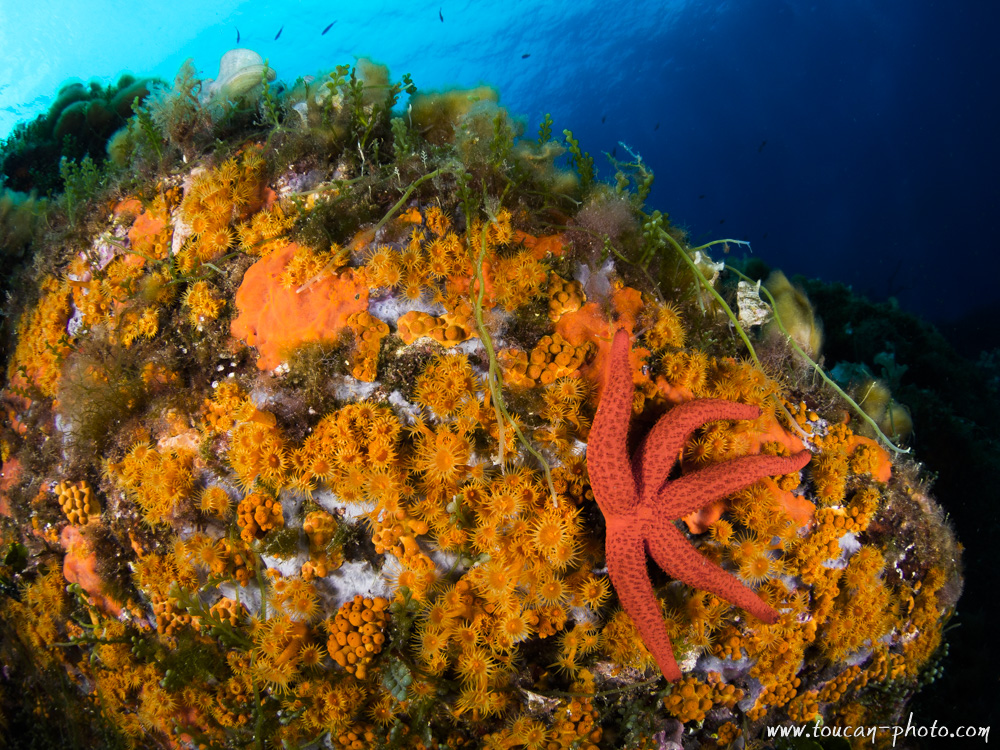 Mediterranean red sea star (Echinaster sepositus), France, Mediterranean Sea