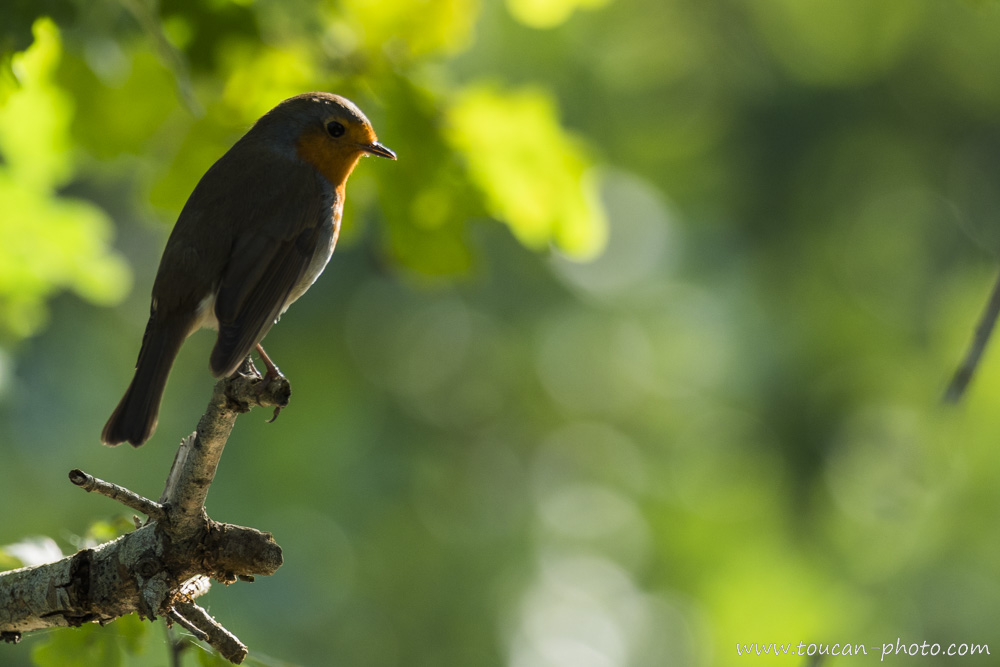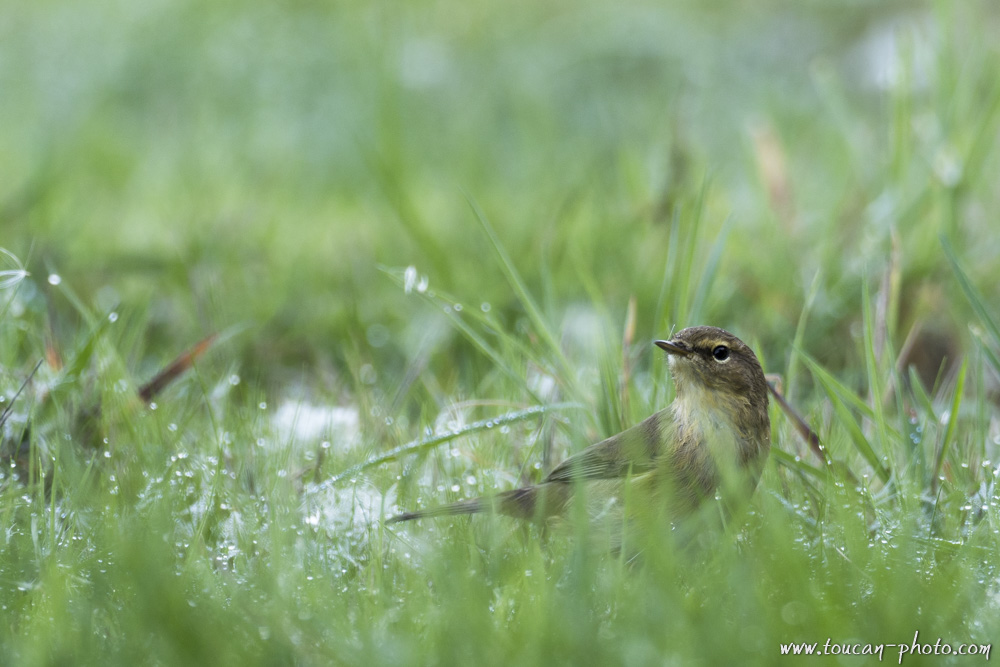
Common chiffchaff (Phylloscopus collybita)
Nature is an intricate web of life in which every species, from the smallest to the most iconic, plays an essential role. Mammals, birds, reptiles, amphibians, insects and marine life all contribute to the functioning of the ecosystems that sustain life on Earth. Observing this extraordinary diversity is a reminder that every living organism is connected through countless invisible relationships.
Through this collection, I invite you to discover wildlife from every corner of the world. Some photographs capture rarely observed behaviours, while others celebrate the beauty of a species or reveal the fragility of a natural environment. All of them share the same purpose: to tell a story, inspire wonder and deepen our understanding of the living world.
At a time when biodiversity is declining at an unprecedented rate, every photograph also becomes a testimony. More than a travel memory, it reminds us that protecting wildlife also means preserving the habitats on which every species—and ultimately humanity itself—depends.
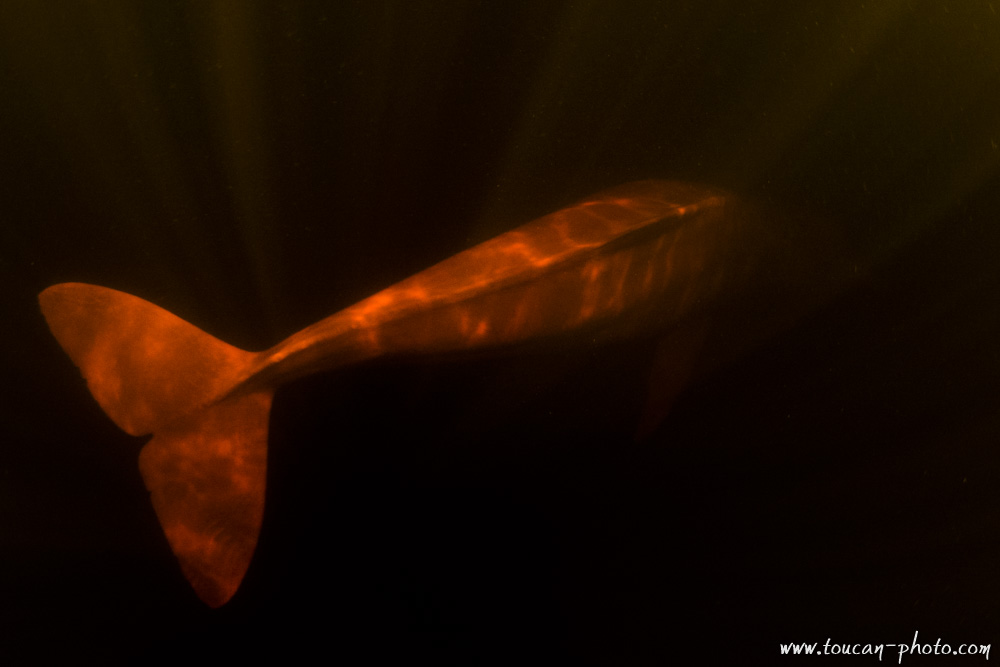
A Boto (Inia g. geoffrensis), a south american species of fresh water dolphin disappears into the dark waters of the Rio Negro river
Read the paper about the Boto to learn more from this dolphin
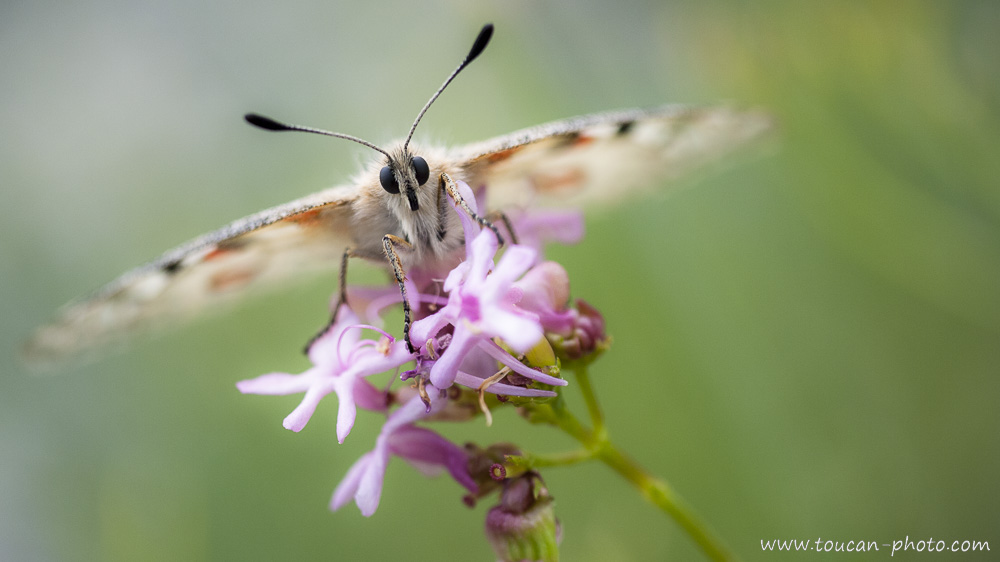
A fragile symbol of alpine landscapes, the Apollo reminds us of the richness—and vulnerability—of mountain biodiversity.
Emerging each summer on the sun-drenched slopes of the Alps, the Apollo (Parnassius apollo) is one of Europe’s most iconic and protected butterfly species.
Its white wings, dotted with black spots and two distinctive red ocelli (eyespots), serve a vital purpose: startling predators by mimicking the eyes of a larger animal. Highly sensitive to temperature fluctuations, the Apollo acts as a “barometer” for climate change. Its larvae depend exclusively on stonecrop plants (Sedum) found in rocky screes. As alpine habitats change, this species is increasingly forced to seek refuge at higher altitudes to survive.