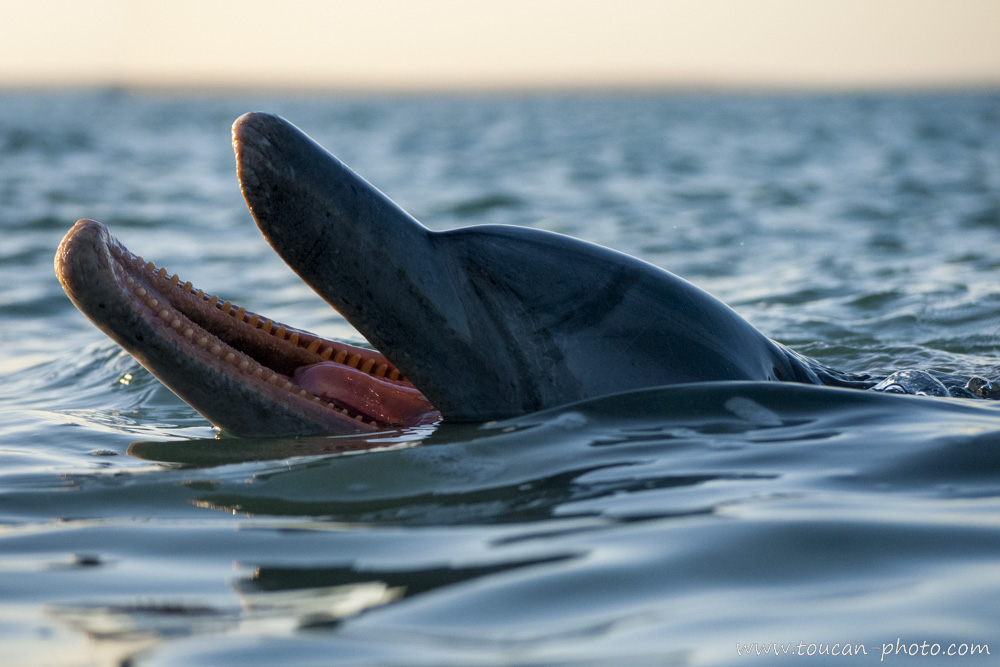
The perfect teeth of the common bottlenose dolphin (Tursiops truncatus), Australia
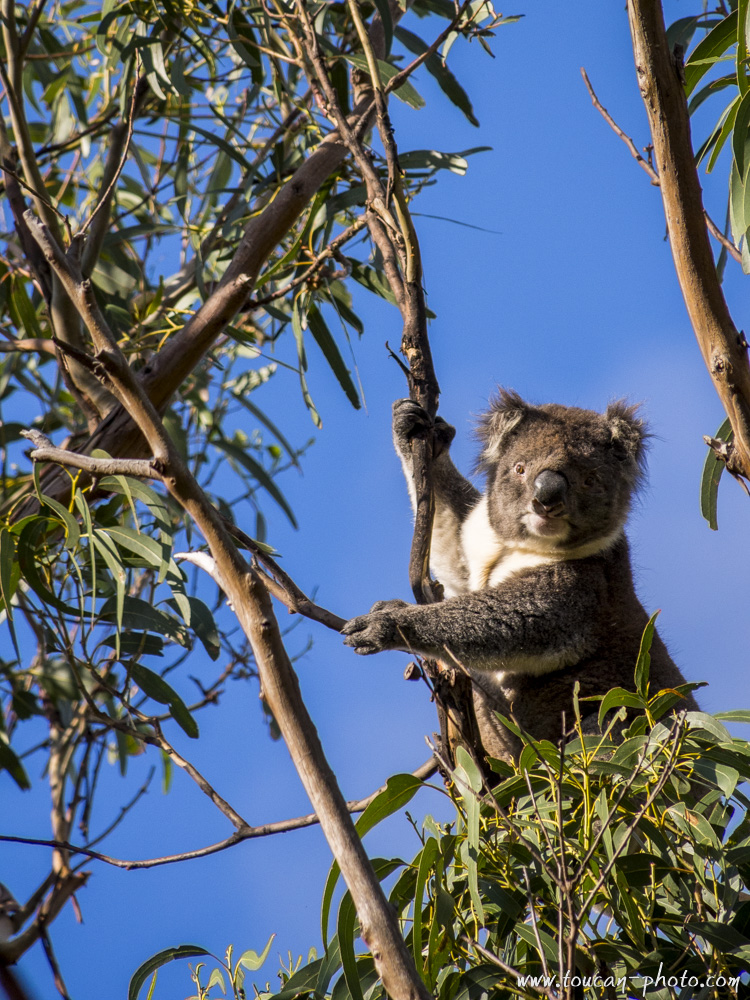
Australia is at once a country, an island and a continent. Isolated from the rest of the world for nearly 45 million years, it has given rise to a unique flora and fauna found nowhere else on Earth. Kangaroos, koalas, wombats, platypuses and countless marsupials are the result of this long independent evolution, while the surrounding coral reefs and oceans support some of the richest marine biodiversity on the planet.
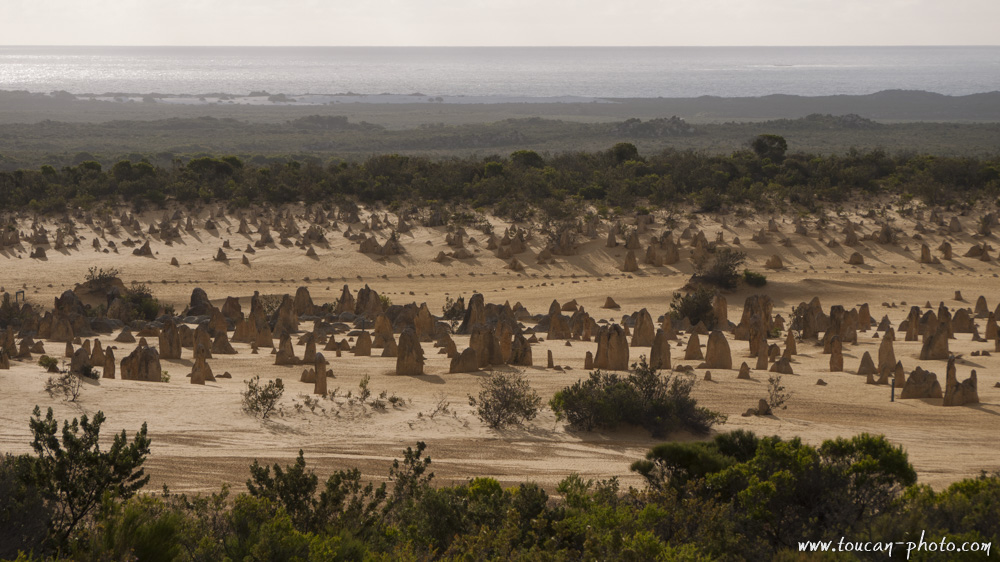
Australia is also an ancient land. Its deserts, mountain ranges and remarkable geological formations tell a story that spans hundreds of millions of years. Iconic landscapes such as Uluru, the sacred monolith of the Aboriginal peoples, and the Pinnacles Desert, where thousands of limestone pillars emerge from the sand, illustrate how geology has shaped the identity of this extraordinary continent.
The photographs in this category invite you to explore this exceptional diversity, from the vast expanses of the Outback to vibrant coral reefs, and from its extraordinary terrestrial wildlife to its rich underwater world. They also pay tribute to Aboriginal cultures, whose traditions and the Dreamtime continue to give profound meaning to the Australian landscape, far beyond its natural beauty.
Through these photographs, I invite you to discover an Australia where nature, geology and ancestral stories remain inseparable, making this island continent one of the most extraordinary places on Earth.
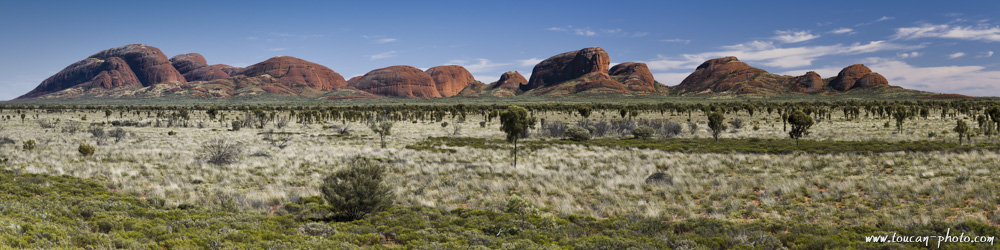
Panoramic view of Kata Tjuṯa, Australia (See picture in High Definition)
Kata Tjuṯa (Olgas) is a massif made up of 36 domes located in Uluṟu-Kata Tjuṯa National Park, in Australia.
Like its neighbor Uluru, this geological formation is a sacred area for the Pitjantjatjara people, originally from this region of Australia
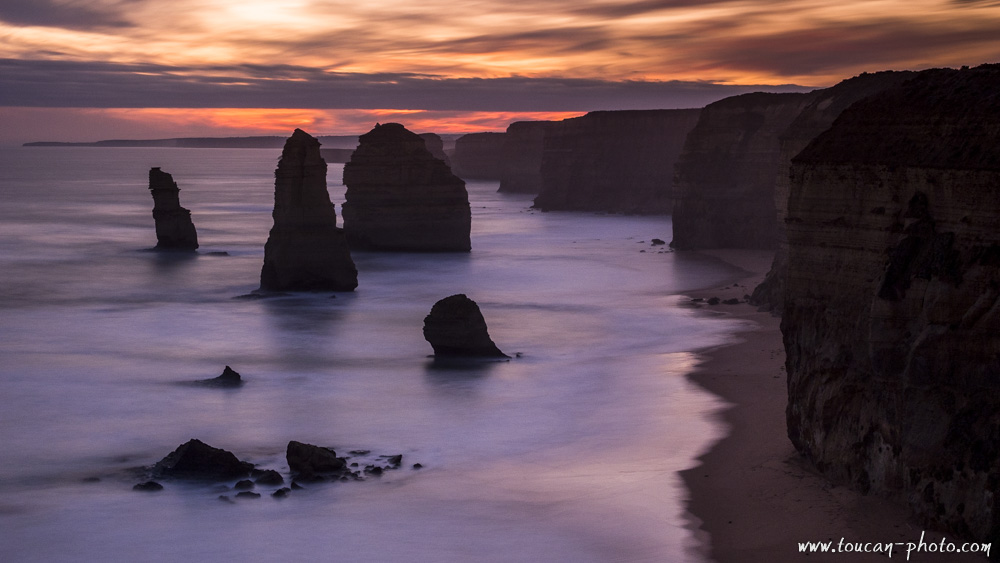 The Twelve Apostles, Victoria, Australia
The Twelve Apostles is a collection of limestone stacks off the shore of the Port Campbell National Park, by the Great Ocean Road in Victoria, Australia.
Their proximity to one another has made the site a popular tourist attraction. Initially, the site was called Sow and Piglets, and during the 50s it war renamed “The Twelve Apostles” to make it more popular, even if it had only 9 pilars. Currently there are eight apostles left, the ninth stack having collapsed dramatically in July 2005.
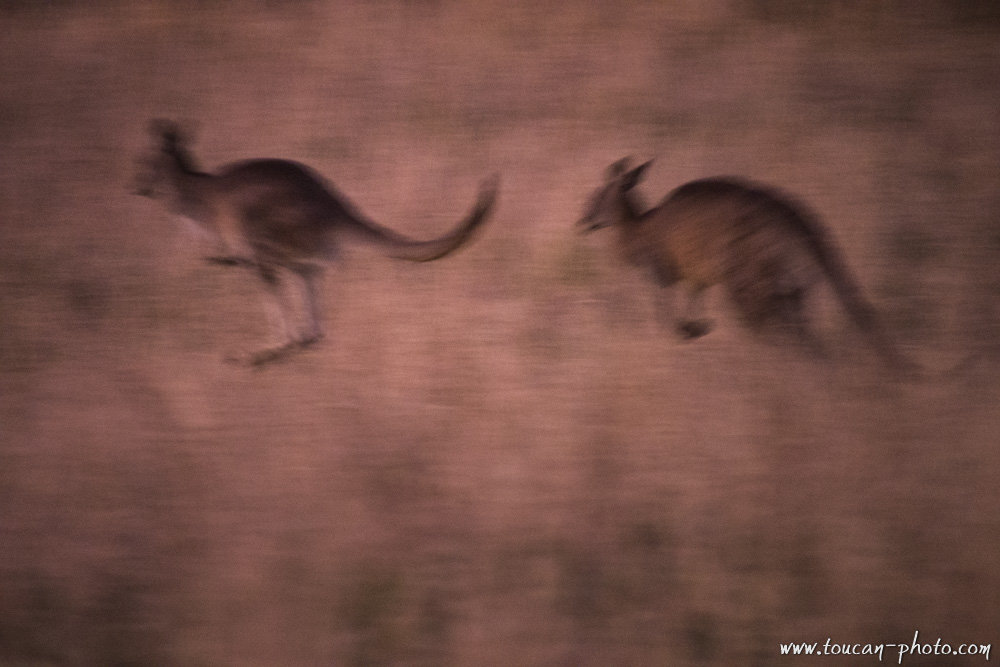 Red kangaroo jump (Macropus rufus), Australia
In a jump, the kangaroo is able to travel more than 9 meters away. It is also able to jump up to 3.30 m in height.
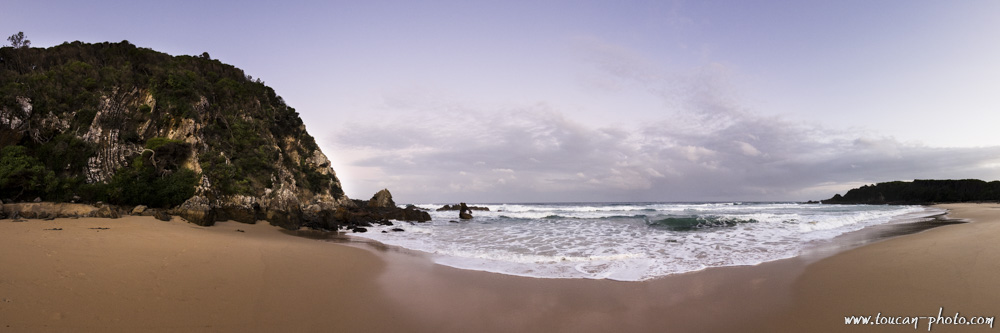 Shipwreck creek beach, mallocota, Australia
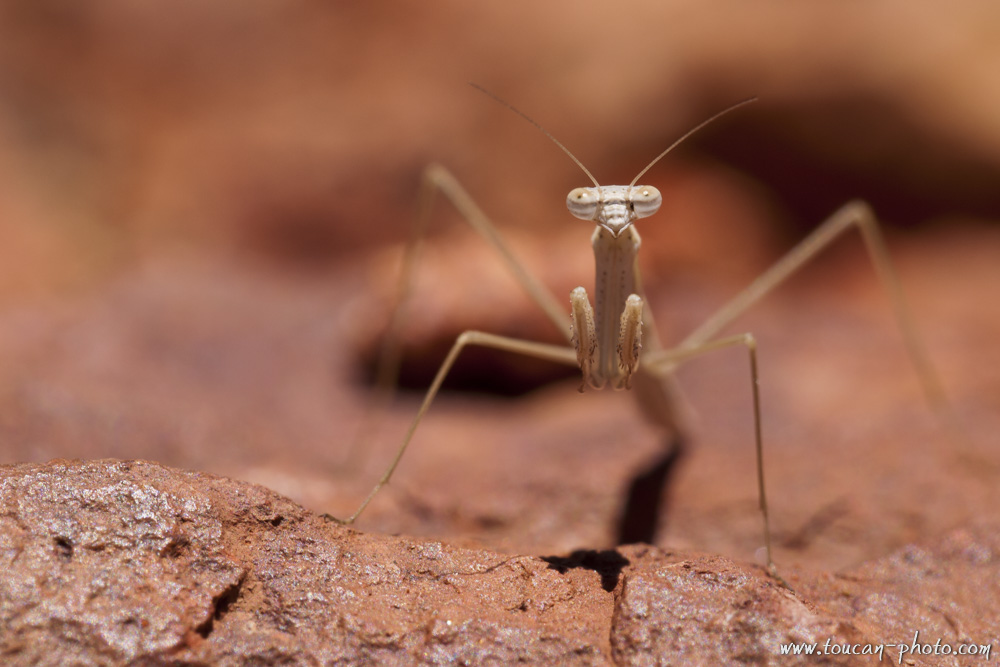 Praying mantis, Australia
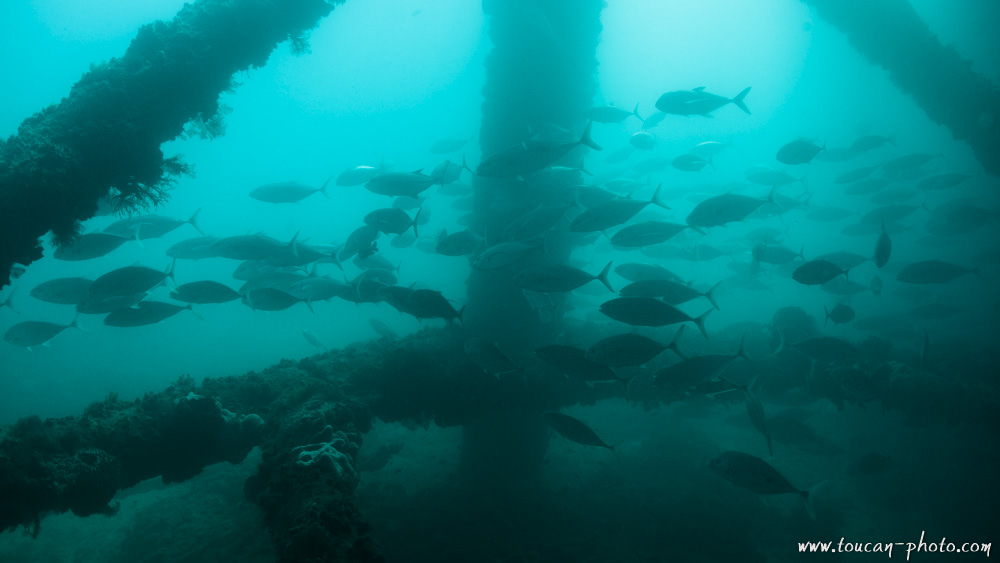 School of yellow-dotted trevally (Carangoides fulvoguttatus), North West Cap, Australia
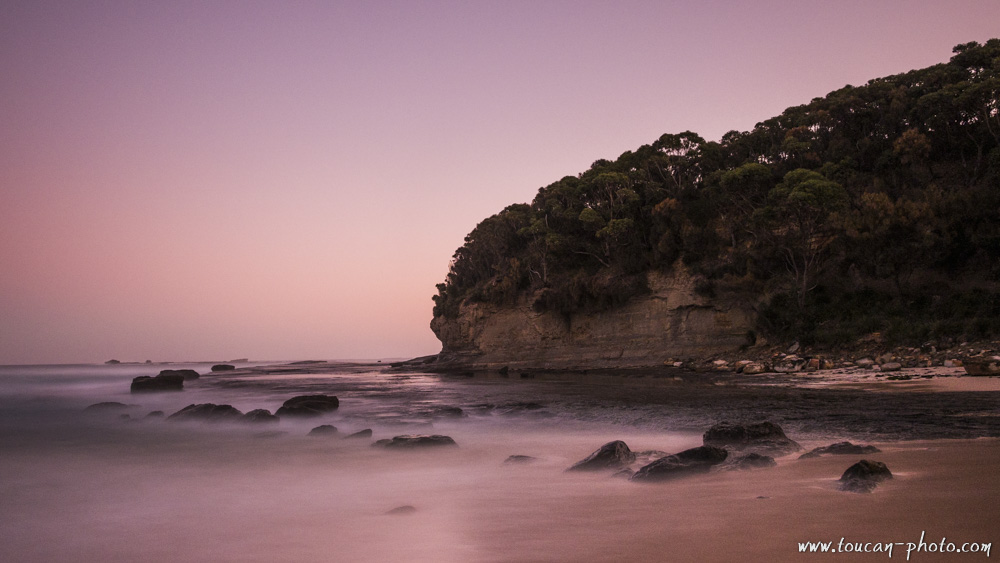 Australia, Pretty Beach
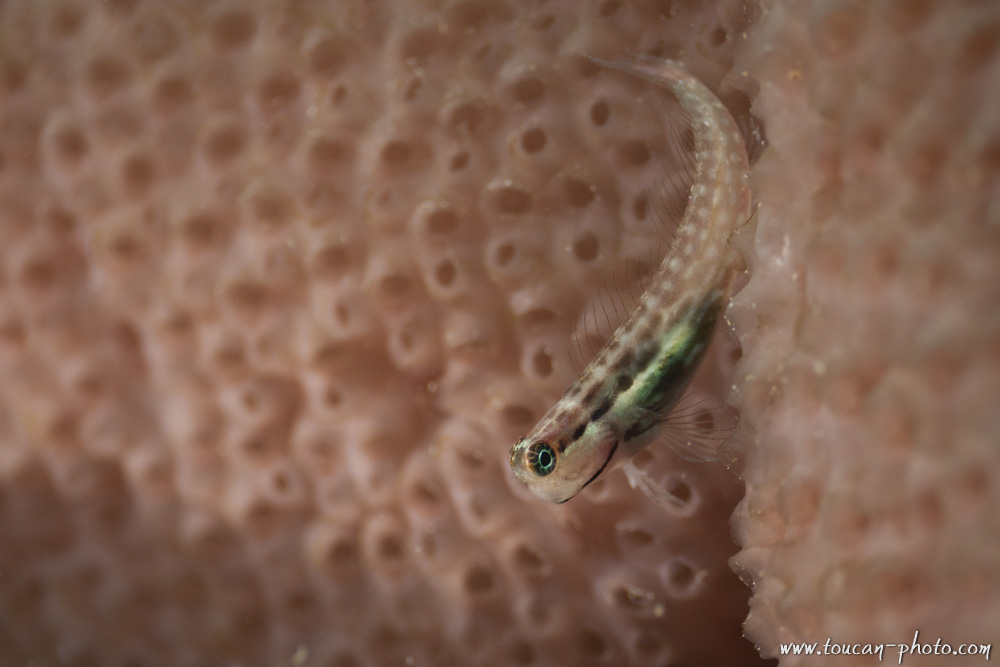 Blenny, Australia
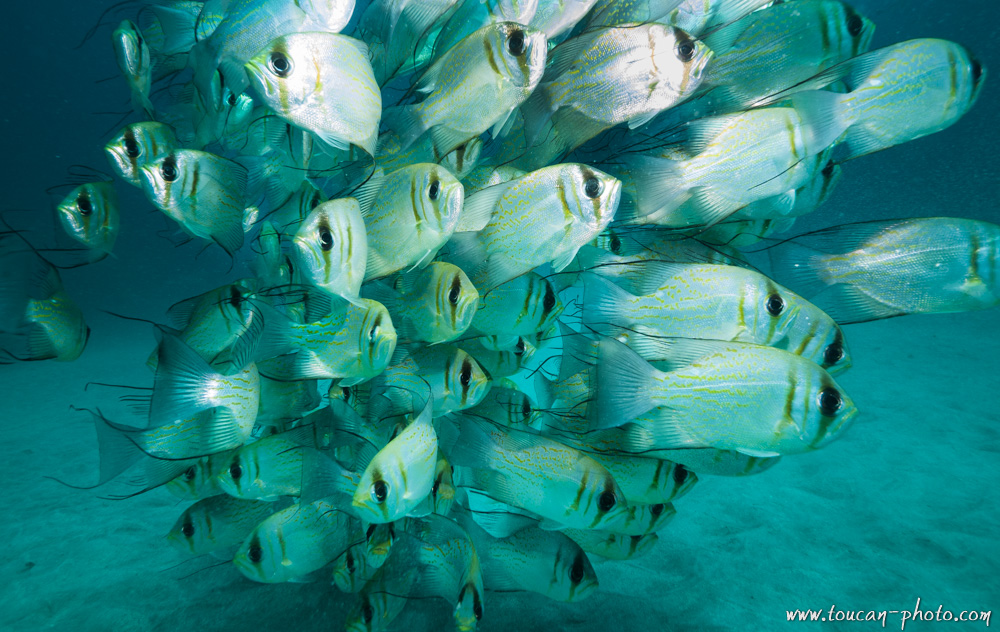 Threadfin pearl-perch (Glaucosoma magnificum)
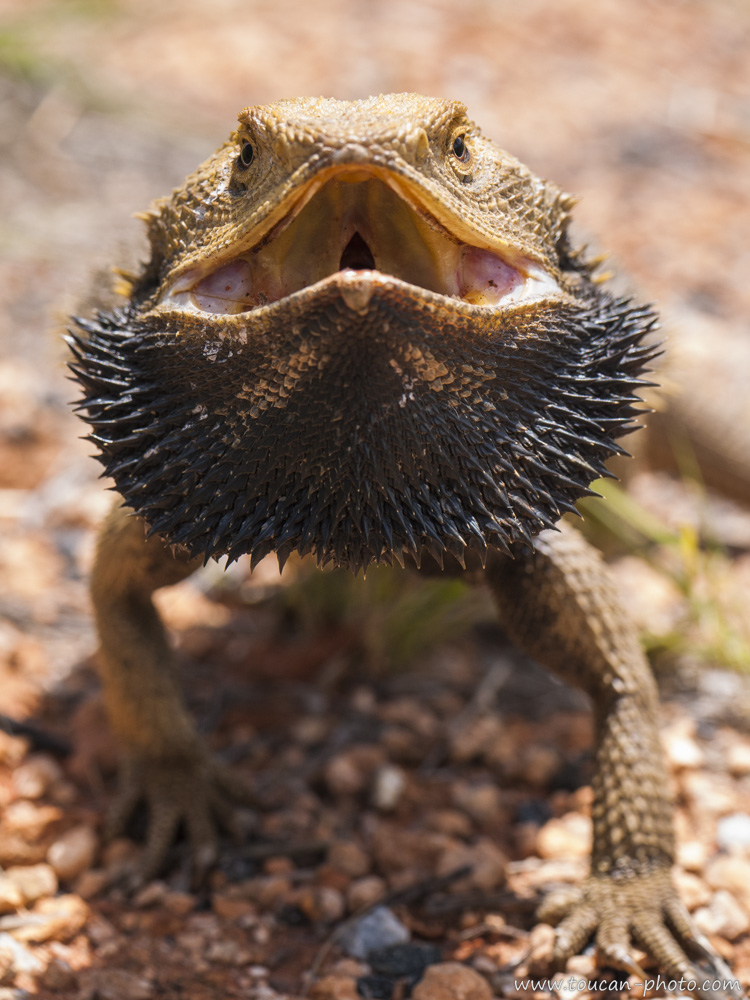
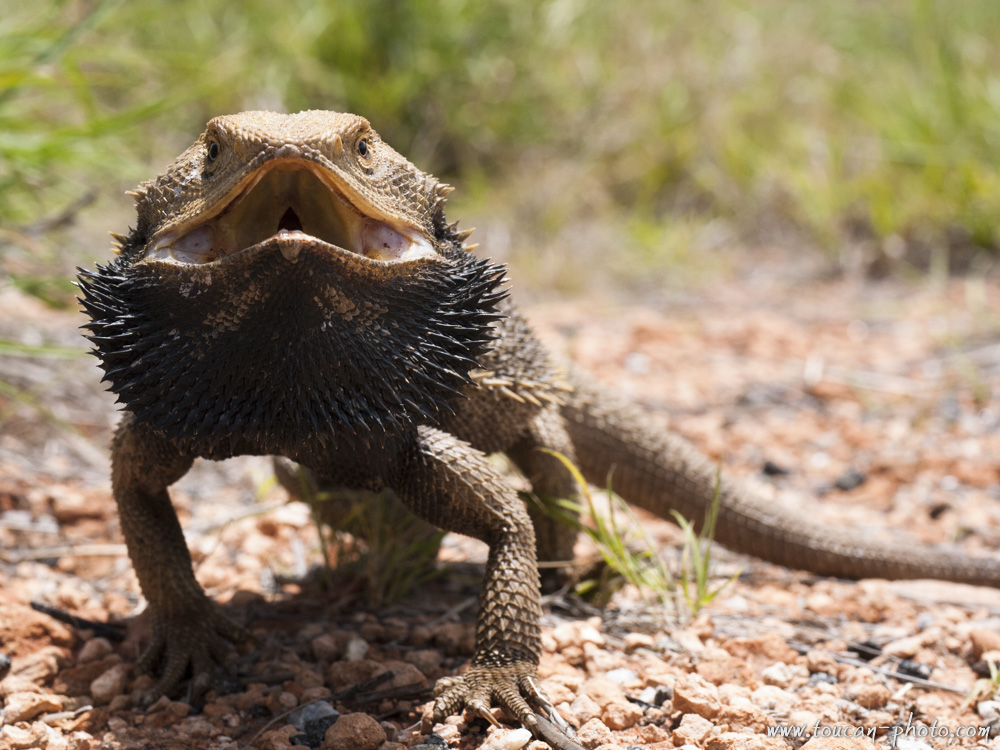 Agame (Pogona vitticeps)
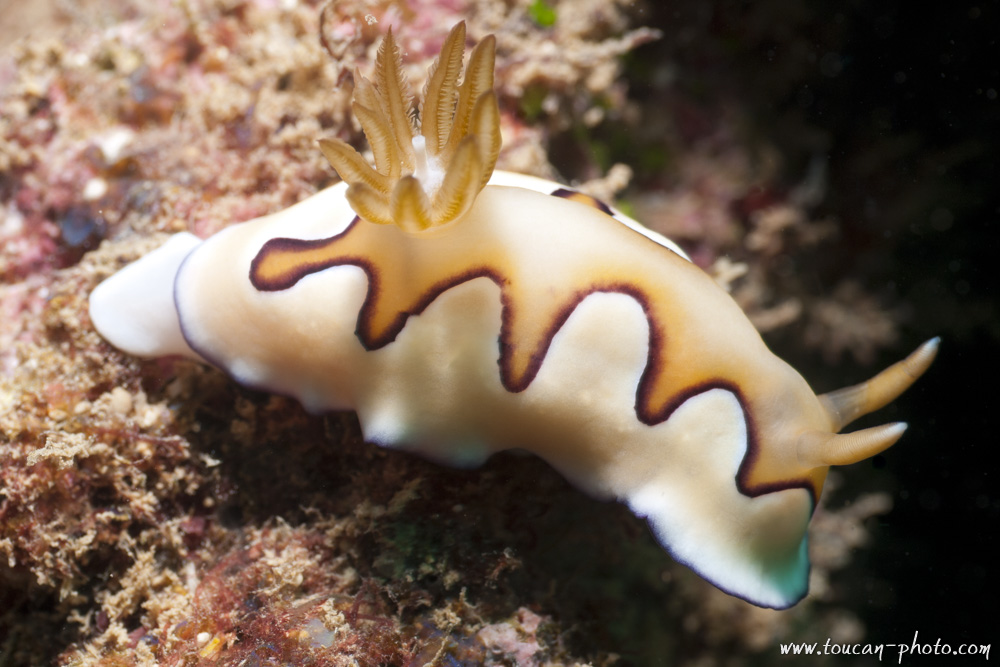 Nudibranch (Chromodoris coi)
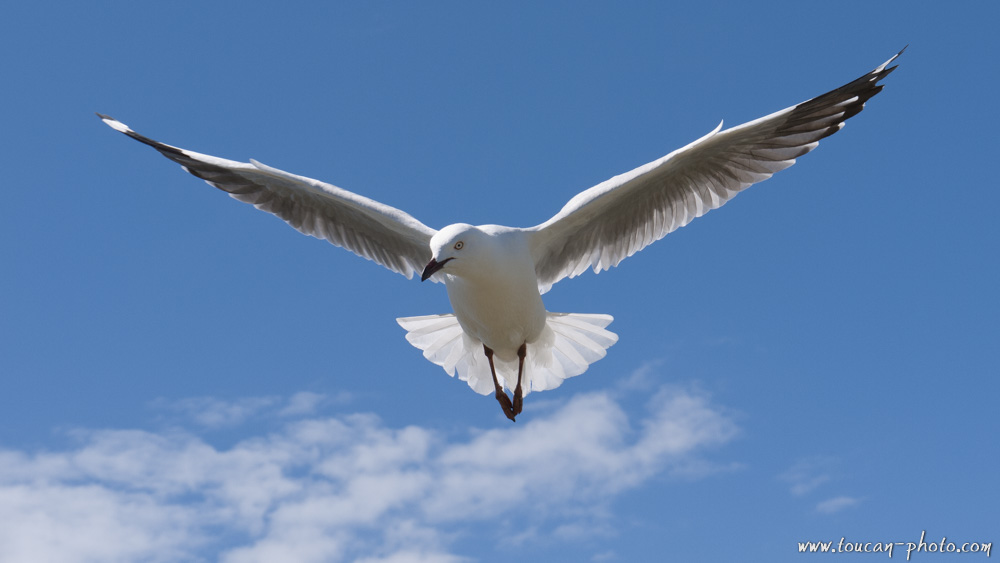 Silver Seagul
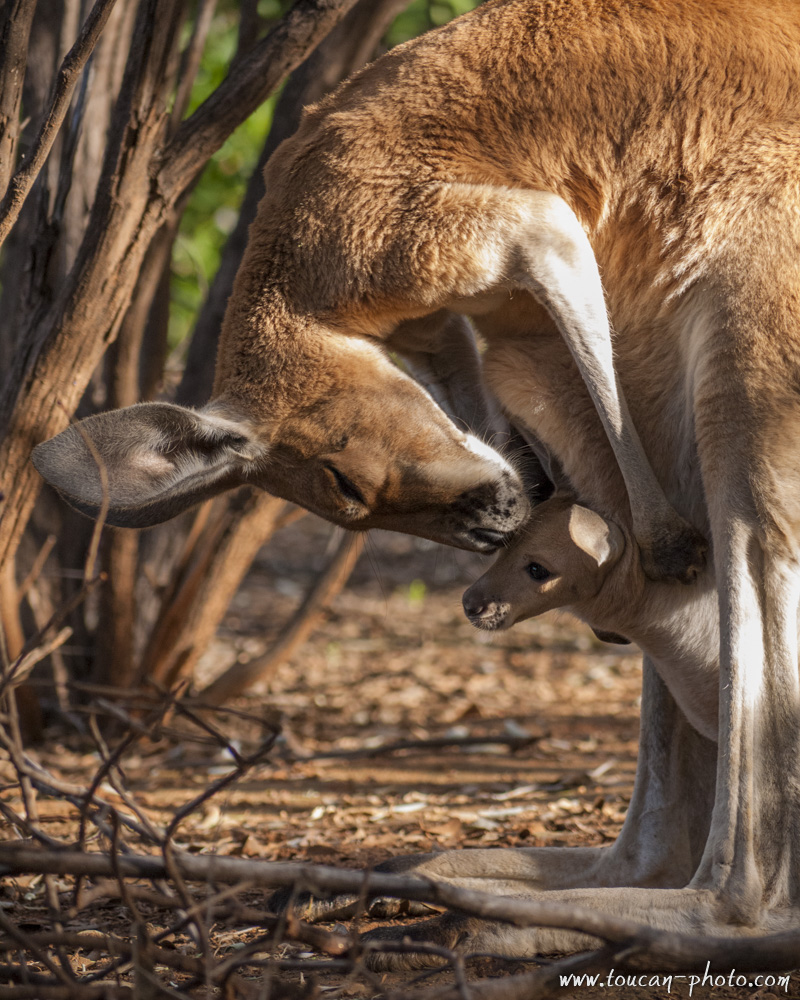 Red Kangaroo (Macropus rufus)
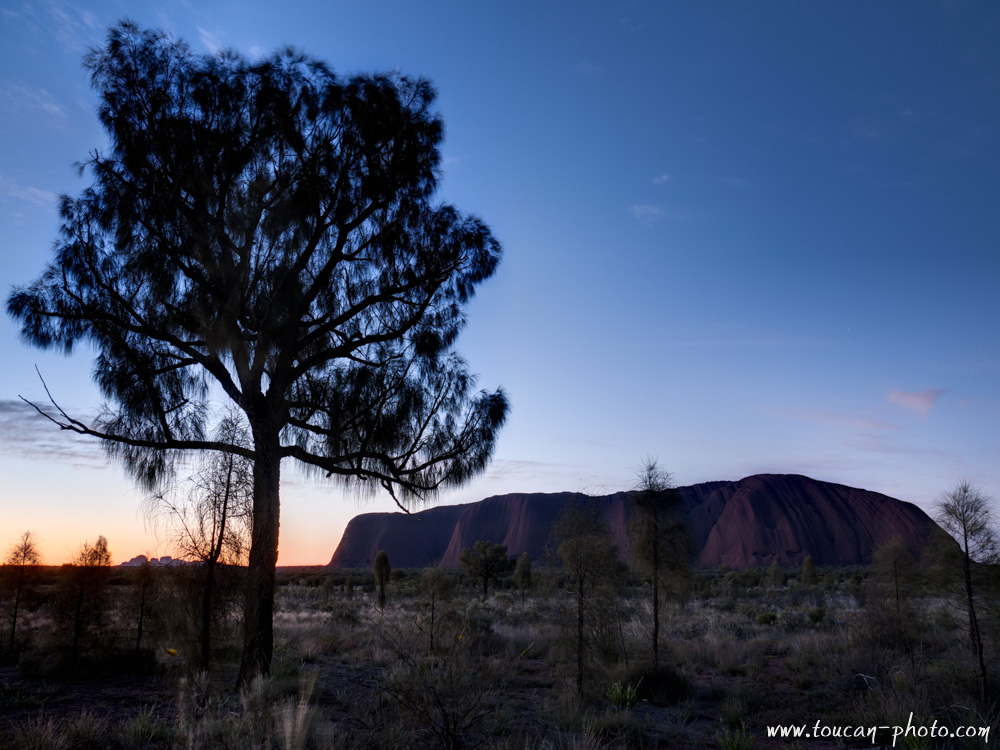 Australia, Uluru
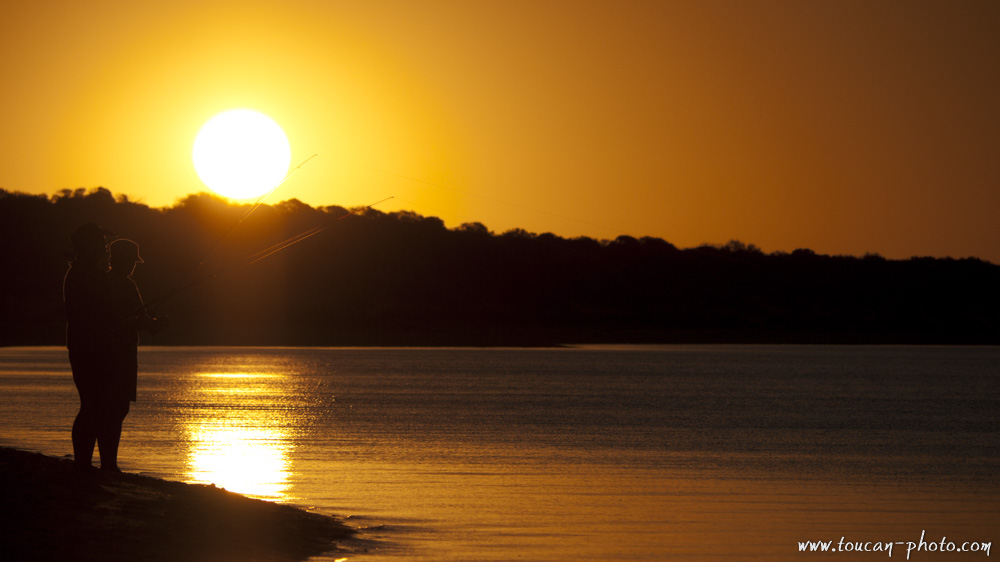 Australia, West Coast
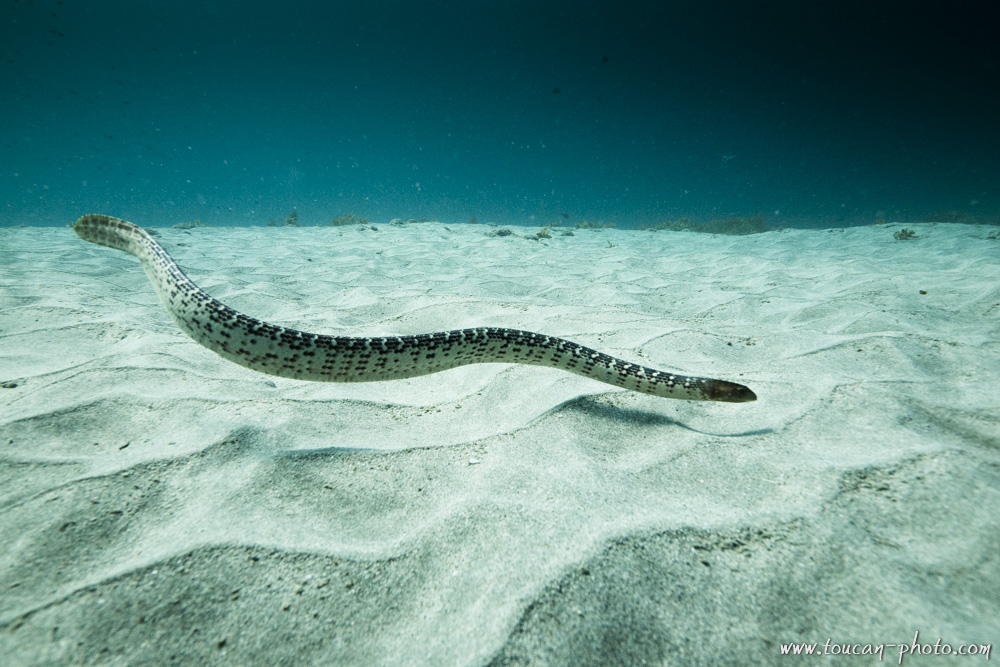 Sea snake
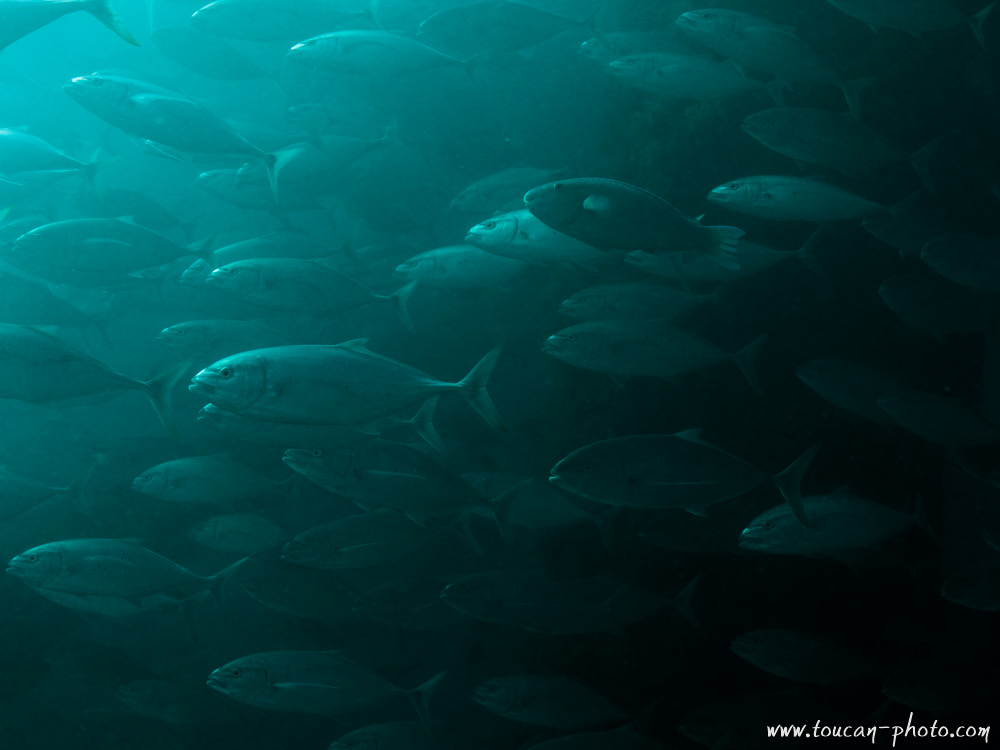 Yellowspotted trevallies
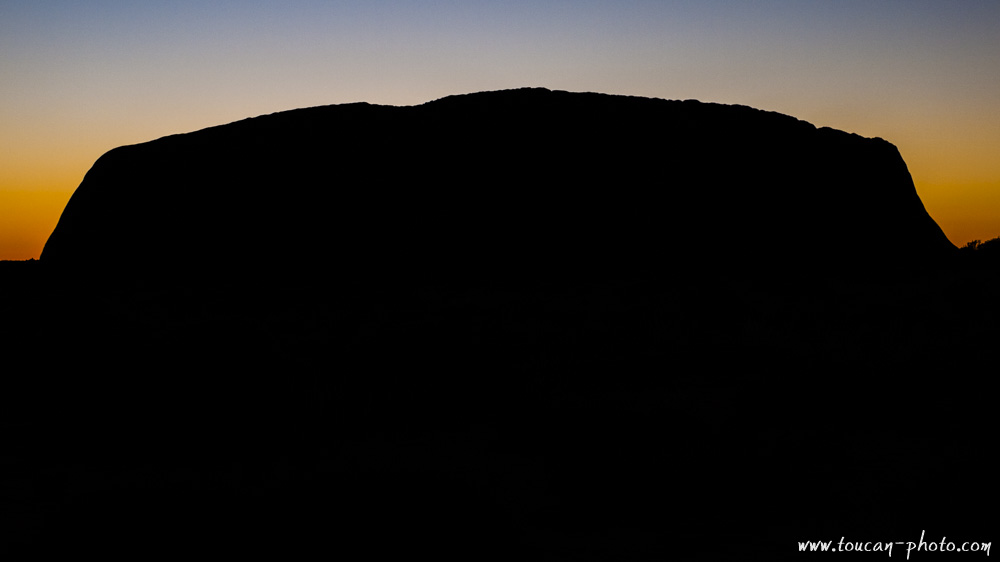 Uluru, Australia
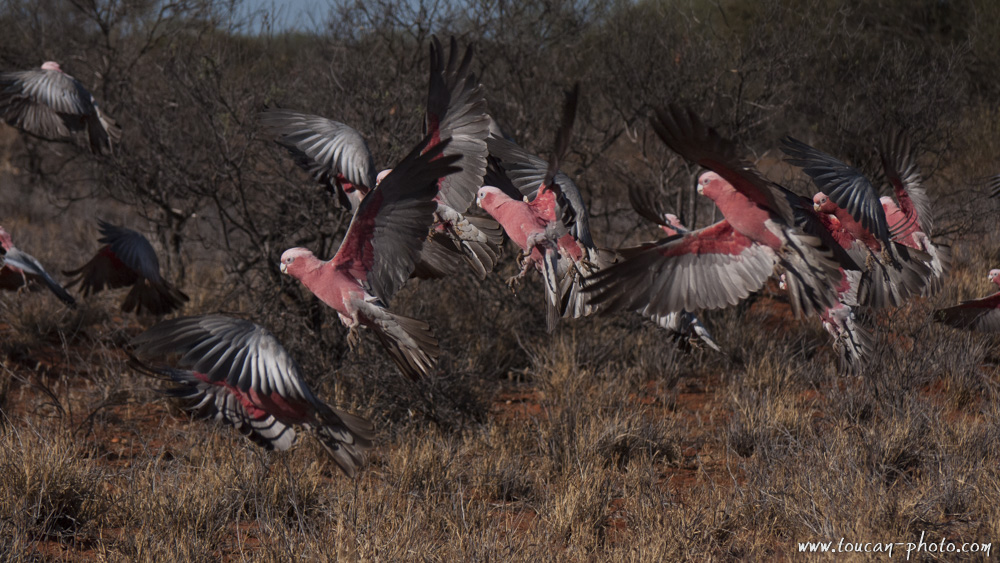 Eolophus roseicapilla – Cacatoès rosalbin – Galah
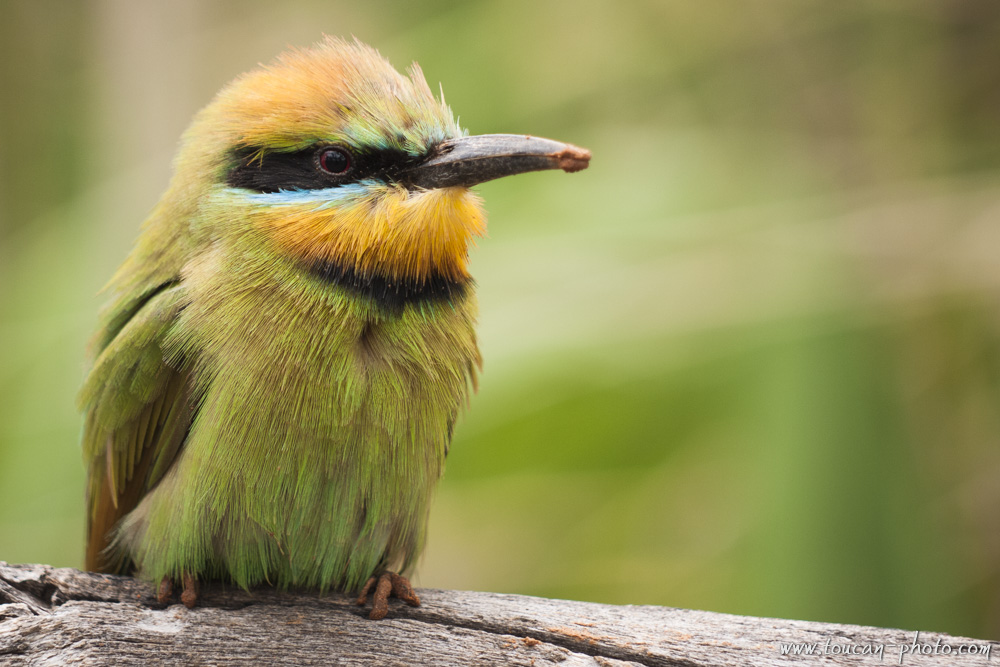 Rainbow bee-eater
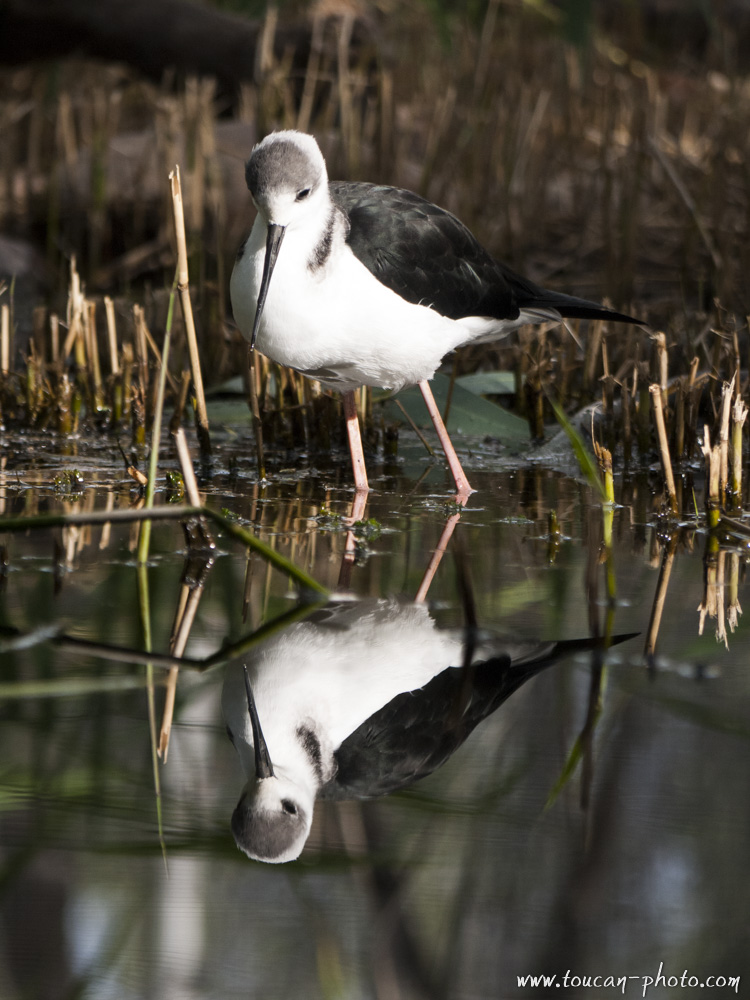 White Stilt