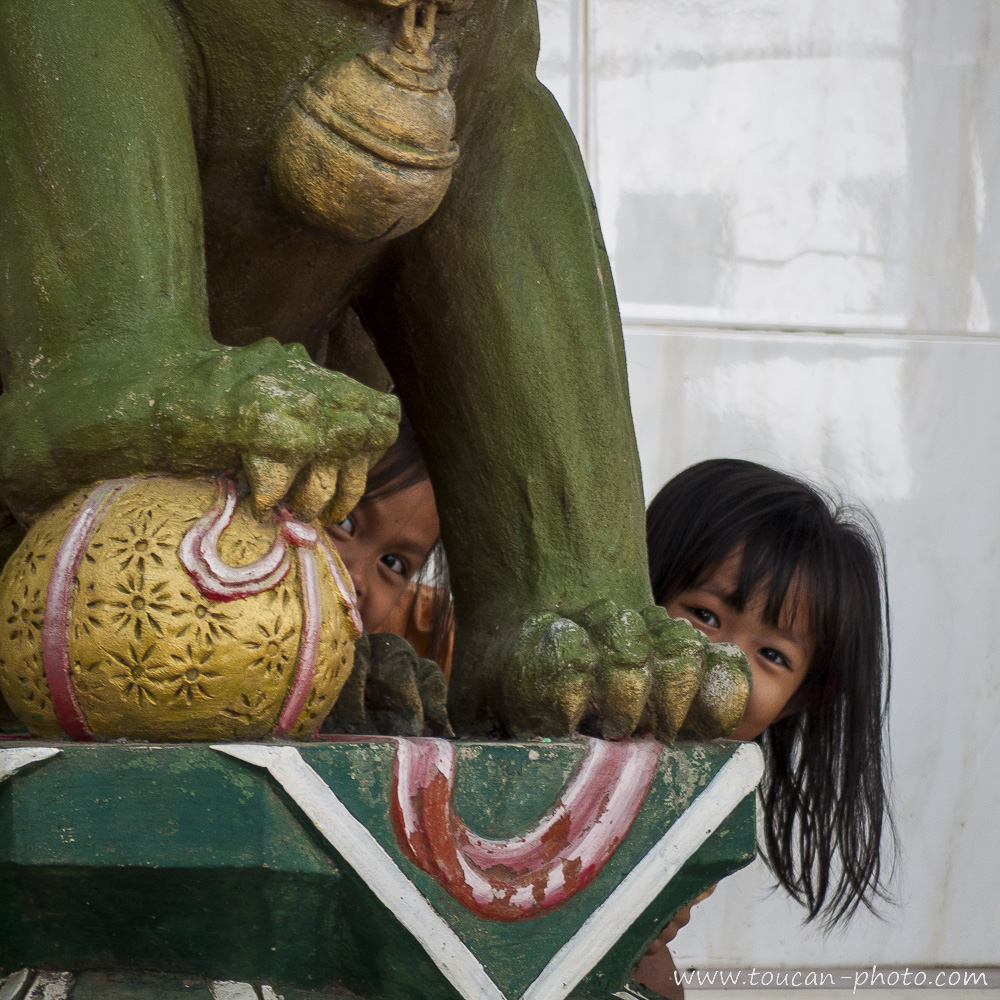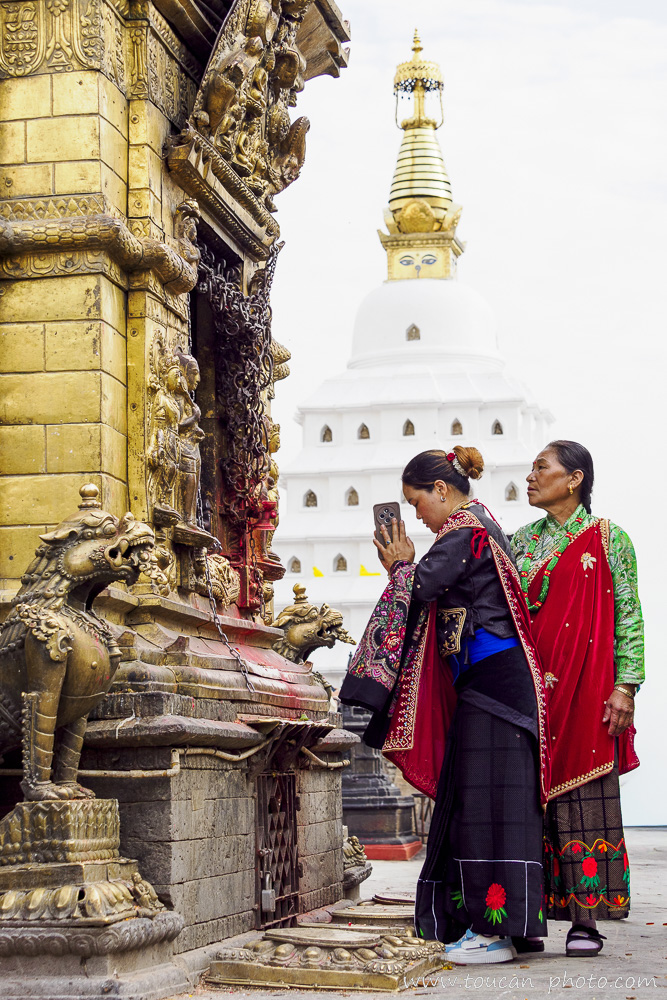
Children playing hide and seek, Ben Tou Gong Temple, Pakse, Laos

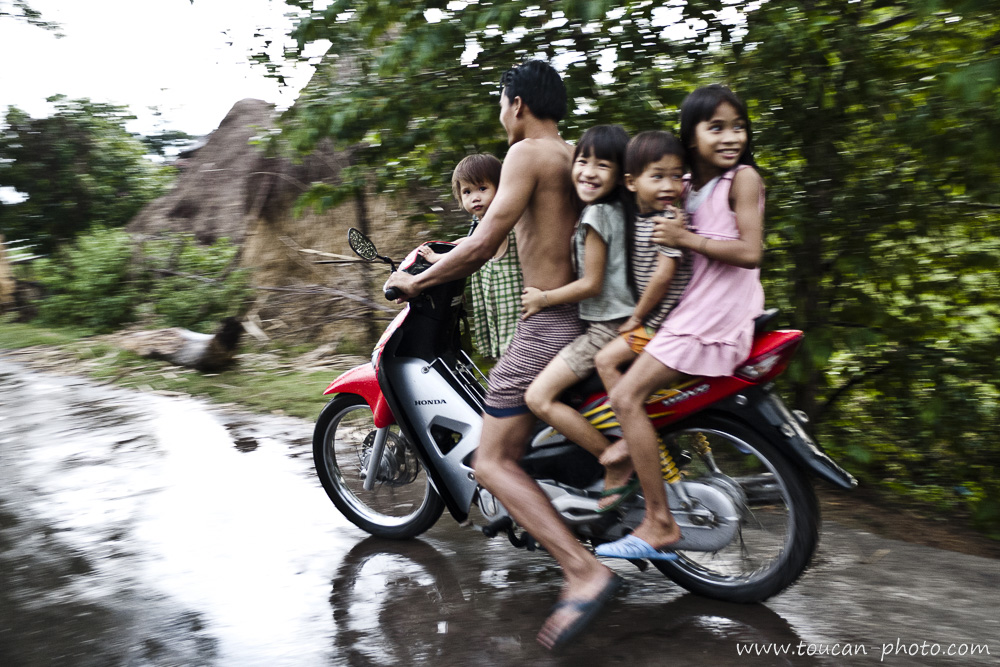
Children playing hide and seek, Ben Tou Gong Temple, Pakse, Laos

Hide and Seek, Pakse (Laos).

In the shadow of the Ben Tou Gong Temple, the sacred and the carefree meet in a moment of laughter.

Located in Pakse, the Ben Tou Gong Temple (本頭公廟) is a vital hub for the Sino-Laotian community. Dedicated to the “Local Lord” or Spirit of the Soil, this sanctuary is much more than a place of worship: it is a protective space watching over the neighborhood and its residents from the banks of the Sedone River.

Here, the imposing lion guardian statues, or Chinthes, do more than just ward off evil spirits. They become silent accomplices in children’s games.

Desert Bonds: A Moment of Connection in Immidir (Algeria)

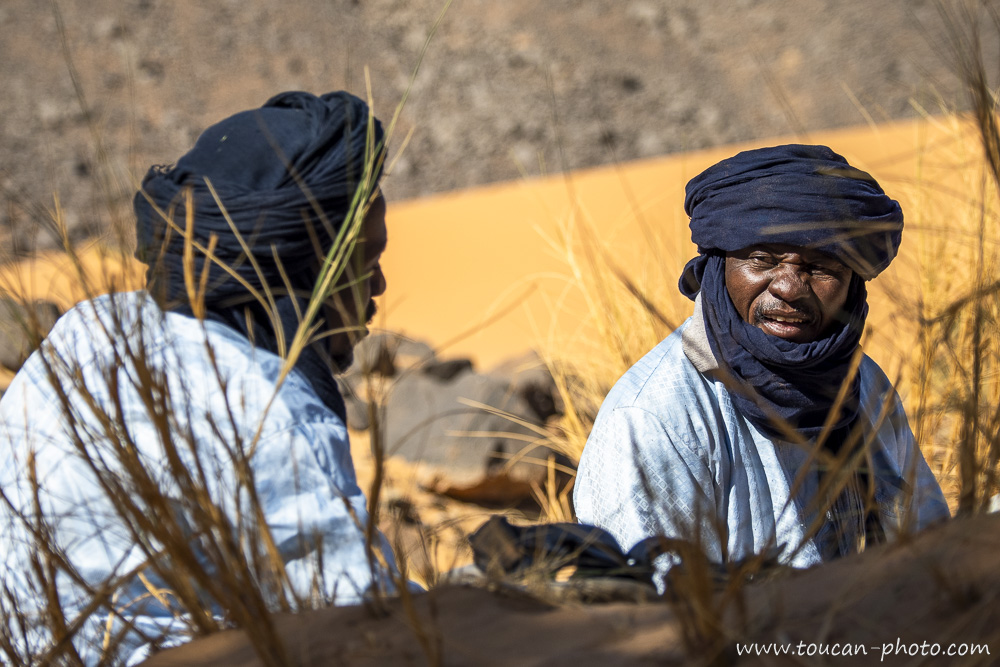
Two Tuareg men sharing a moment in the Immidir desert, Algeria

Their weathered faces tell as many stories as the landscape that surrounds them.

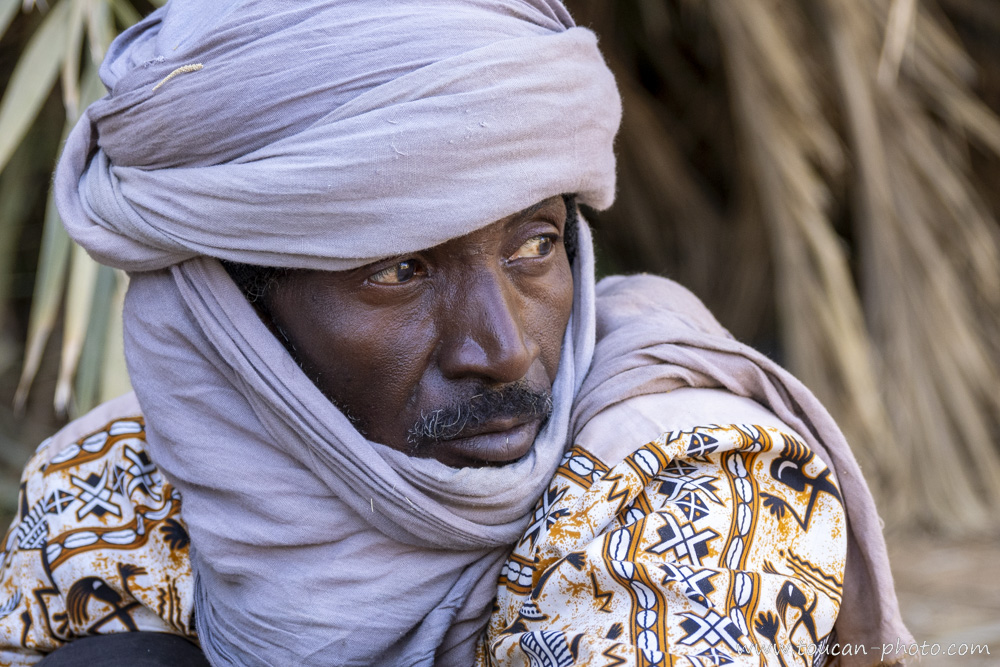
Two Tuareg men exchange looks and words in the heart of the Algerian Sahara.

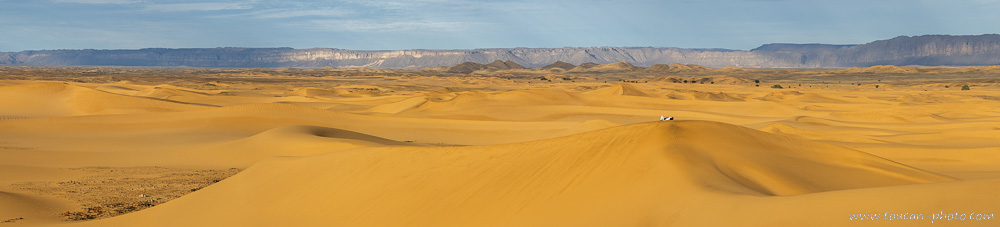
Their weathered faces tell as many stories as the landscape that surrounds them—a harsh yet familiar Sahara made of stones, sand, and silence. Their dark tagelmusts (chechs) contrast with the brilliant desert light, filtered through the golden grasses of the foreground. This scene from Immidir illustrates the strength of human bonds within the mineral vastness.

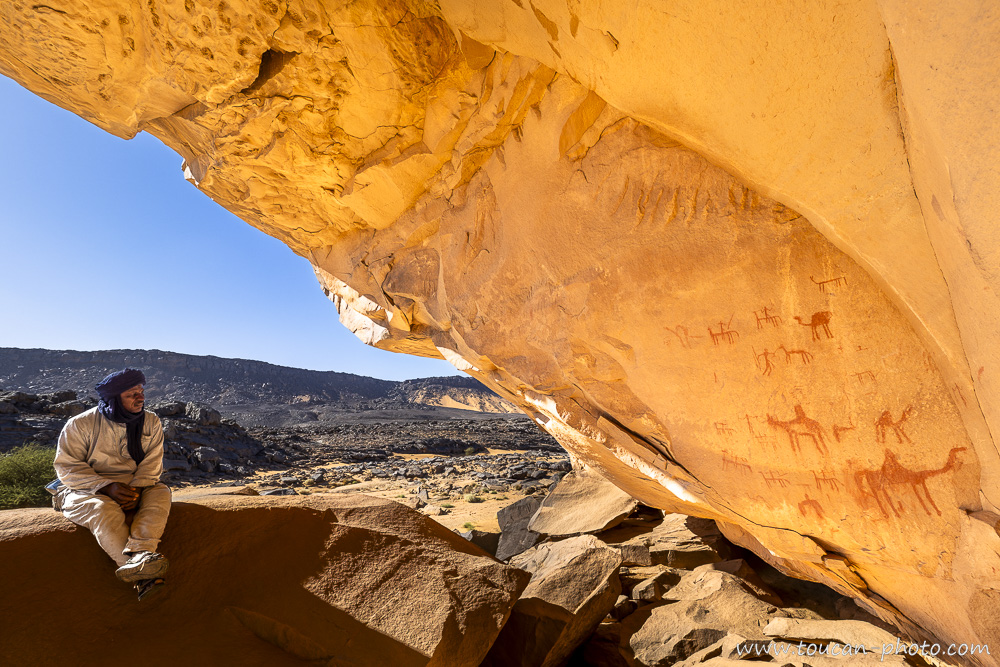
When the Desert Remembers – Algeria, Immidir Massif

When the Desert Remembers - Algeria, Immidir Massif

When the Desert Remembers – Algeria, Immidir Massif.

Beneath the golden shelter of the rock, the voices of the past still whisper in the heart of the Immidir mountains, in the Algerian Sahara.

Cave paintings stretch across the walls of a natural shelter, protected from the wind and time. Drawn in red ochre, camels, cattle, and human silhouettes form a silent fresco—a graphic memory of an ancient, humid, and vibrant Sahara. Sitting before these ancestral traces, a man of today contemplates the marks of yesterday. Between the present and the past, an invisible thread connects today’s nomads to vanished peoples, sharing the same relationship with the land, the herd, and the light. Here, rock art is not a mere vestige: it is a motionless bridge between eras, where the desert still speaks to those who know how to listen.

The Smile of Tea – Kyrgyzstan

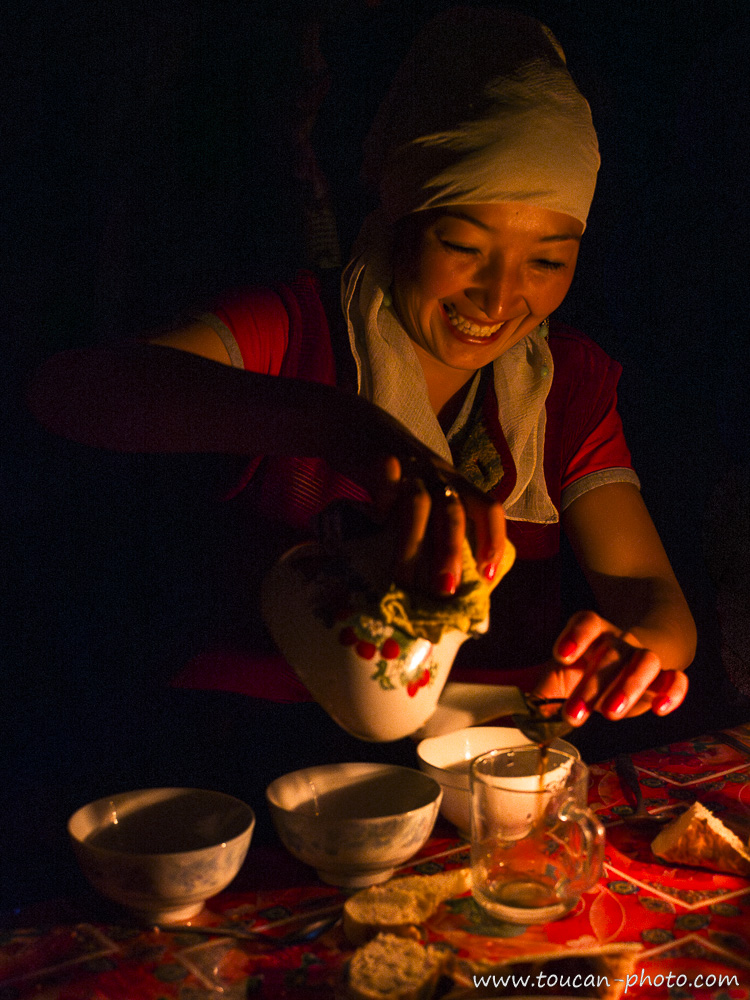
Tea ritual in a yurt, Kyrgyzstan

The Art of Nomadic Hospitality, Kyrgyzstan.

By the flickering light of a storm lantern, gestures are precise, repeated since childhood in the heart of the Kyrgyz highlands.

In this high-altitude yurt, black tea simmers in an enameled teapot. The hostess delicately pours the brew into piala, the small handleless bowls typical of Central Asia. In Kyrgyzstan, serving tea is much more than a daily task: it is a ritual of hospitality deeply rooted in nomadic culture. Never filled to the brim—out of respect and modesty—the bowl is offered with a smile, often accompanied by boorsok or warm bread. Here, around the tea, stories flow and bonds are forged; it is the heart of the home and the beginning of every encounter.

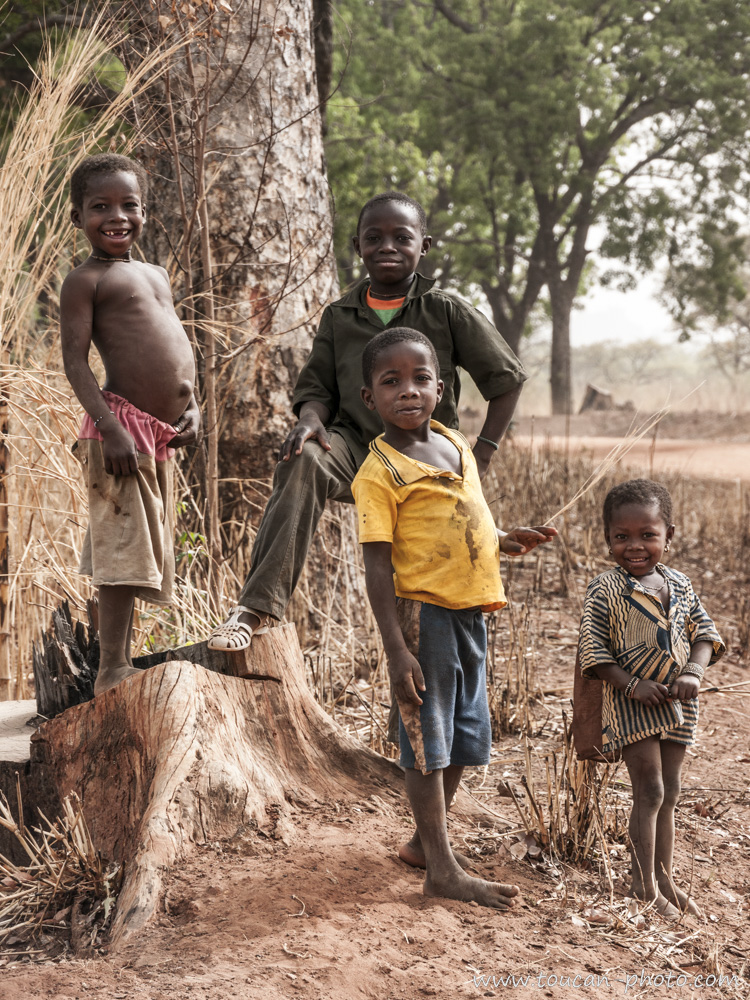
Smile, Burkina Faso

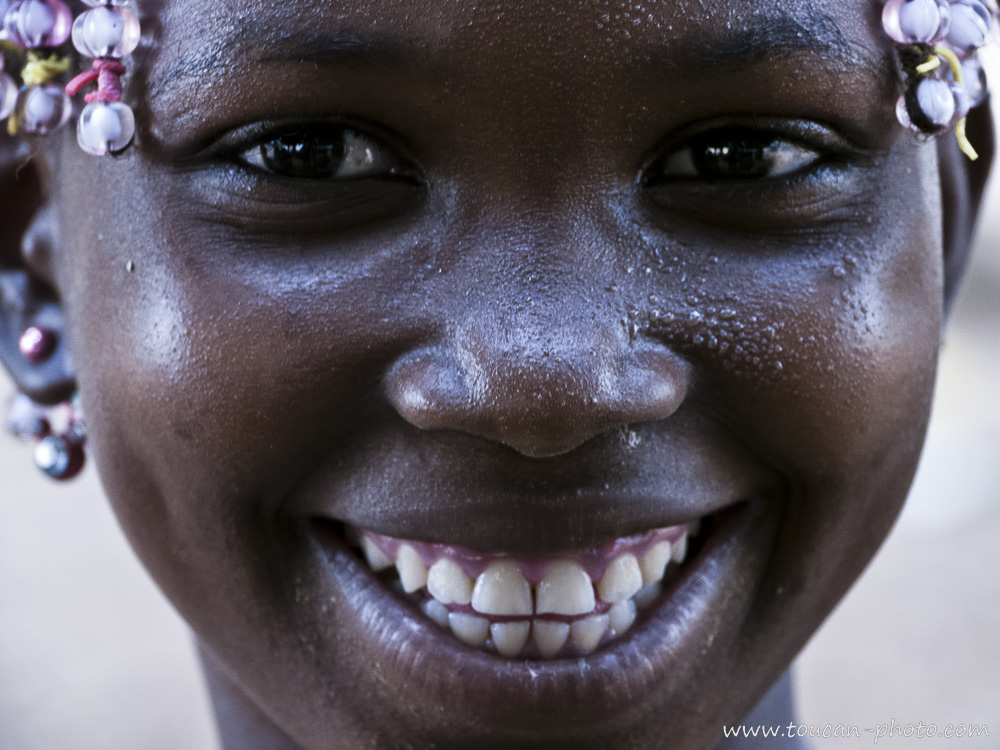
Smile, Burkina Faso

Smile, Burkina Faso.

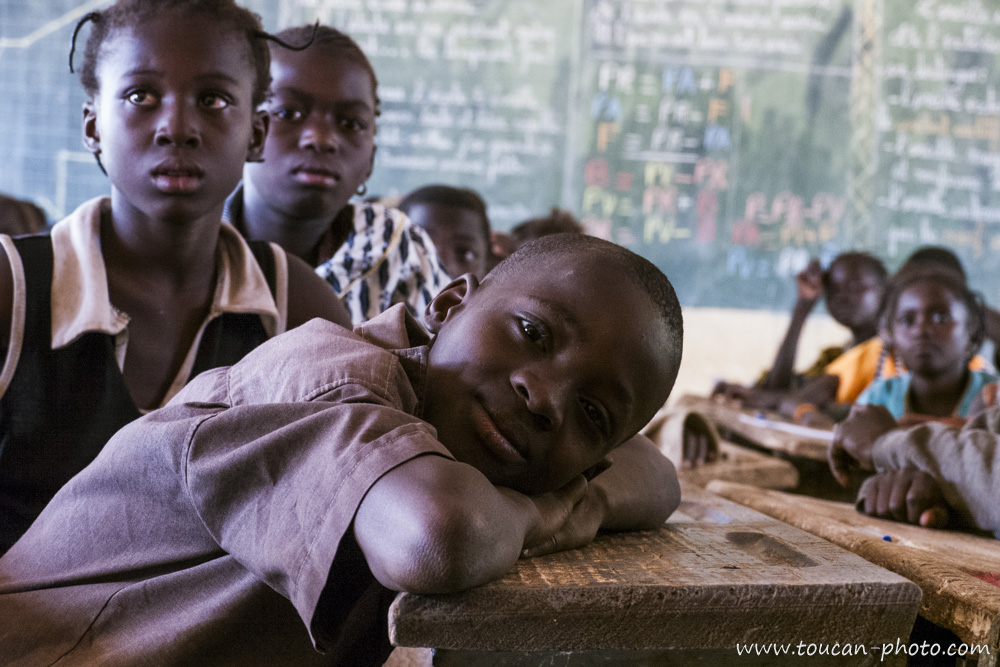
Beyond the savannah landscapes, the essence of Burkina Faso lies in the warmth of encounters and the sincerity of exchanges.

This photograph captures the expression of Sahelian hospitality, where a smile is not merely a politeness but a truly universal language. In the “Land of Upright People,” the human dimension takes precedence over the setting, reminding us that travel is, above all, about shared glances.

Reunion among the Mongolian farmers

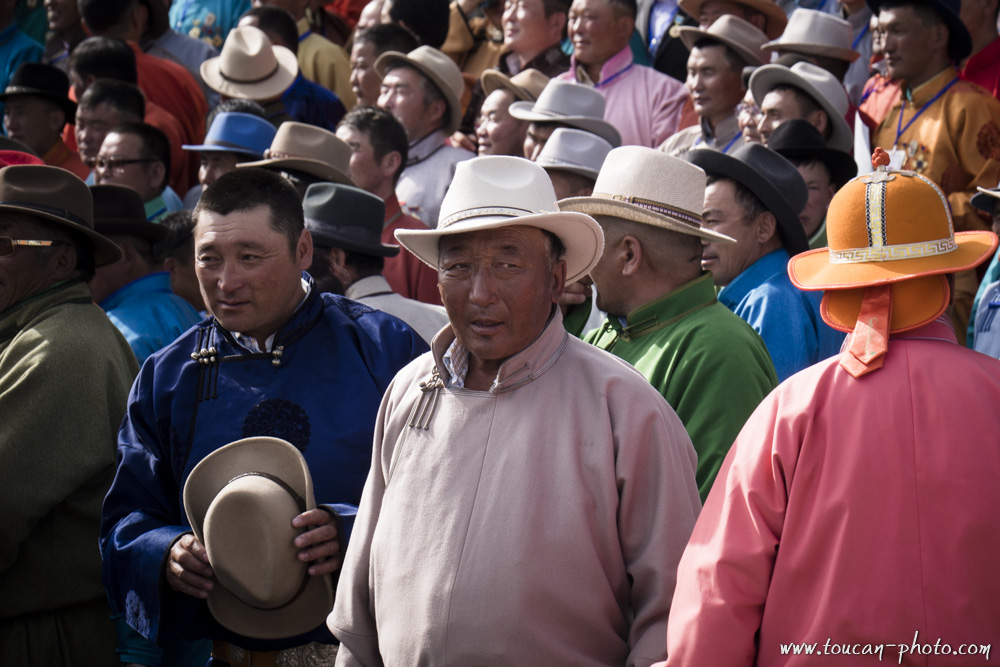
A colorful meeting for a sensitive debate - Mongolia

A colorful meeting for a sensitive debate.

This photo was taken in 2015 in Ulaanbaatar, the capital of Mongolia.

Large livestock owners from all over the country met once again to discuss the consequences of the latest “white dzud” that had just hit Mongolia. A “dzud” is a climatic phenomenon (sometimes a summer drought, sometimes a freezing winter, or sometimes a combination of both) that leads to the death of many head of livestock. In recent years, “dzuds” have been occurring one after another. Annual losses are counted in the millions of animals.

?>
Next page