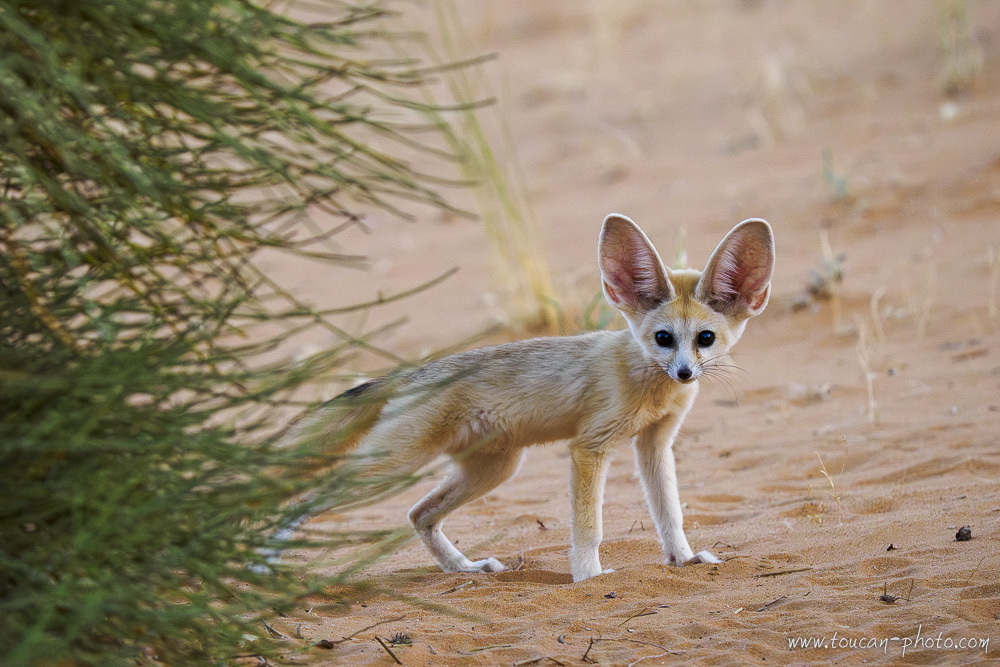
Young fennec fox in the Moroccan desert

Young fennec fox in the Moroccan desert

A young fennec fox pauses to observe its surroundings in the heart of the desert.

The enormous ears of the fennec fox are impossible to overlook. Far more than a distinctive feature, they are an extraordinary adaptation to desert life, allowing the animal both to dissipate heat and to detect prey hidden beneath the sand.

Measuring up to 15 centimetres in height on an animal weighing little more than two kilograms, the fennec’s ears are proportionally the largest of any wild canid. Their thin skin reveals an extensive network of blood vessels. As blood circulates through these capillaries, heat is released into the surrounding air, providing an efficient natural cooling system for survival in the extreme conditions of the Sahara.

The ears also function as highly sensitive acoustic antennas. Their mobility enables the fennec to pinpoint the movements of rodents, reptiles and even insects beneath the sand. This remarkable hearing compensates for the limited visibility often encountered among dunes and desert vegetation.
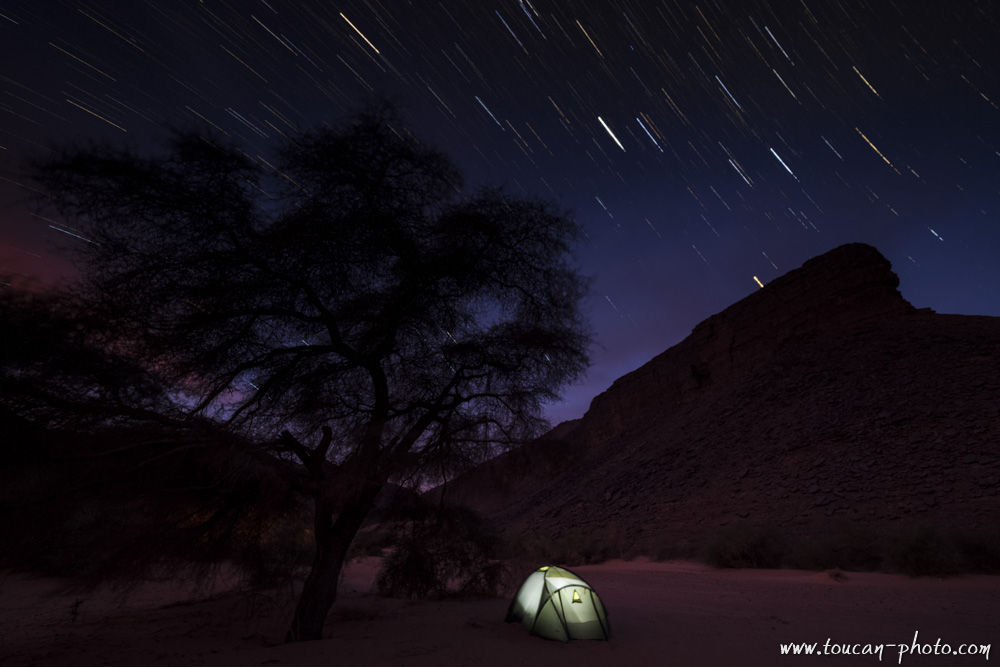
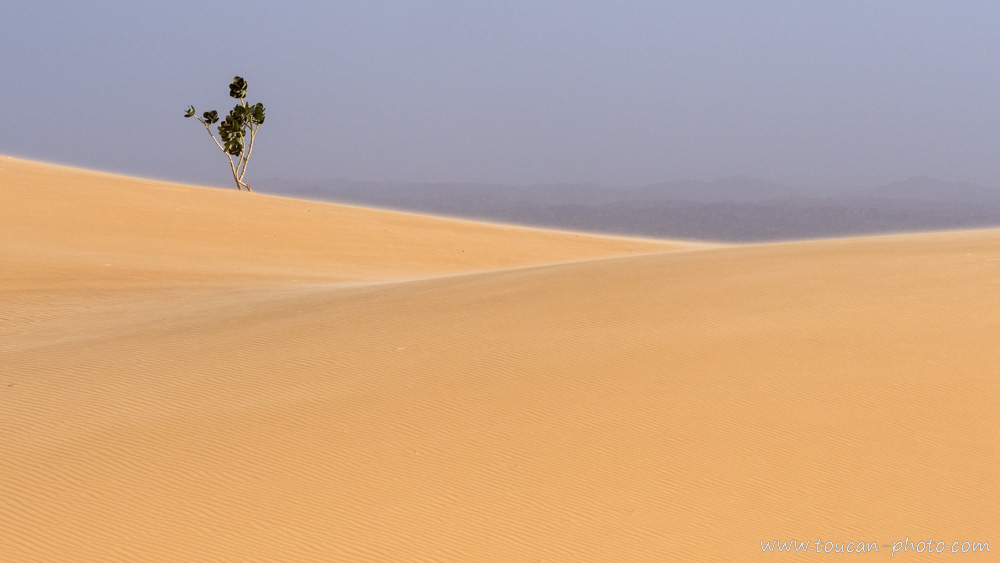
Algeria: The Tadrart Rouge, a window to the Sahara and its history

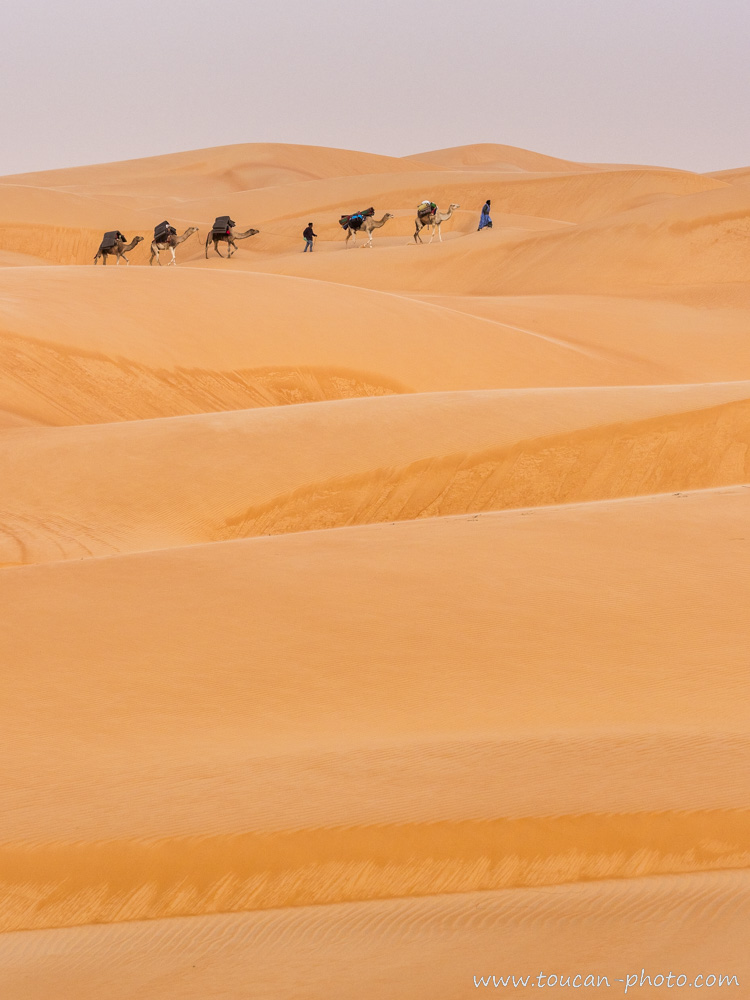
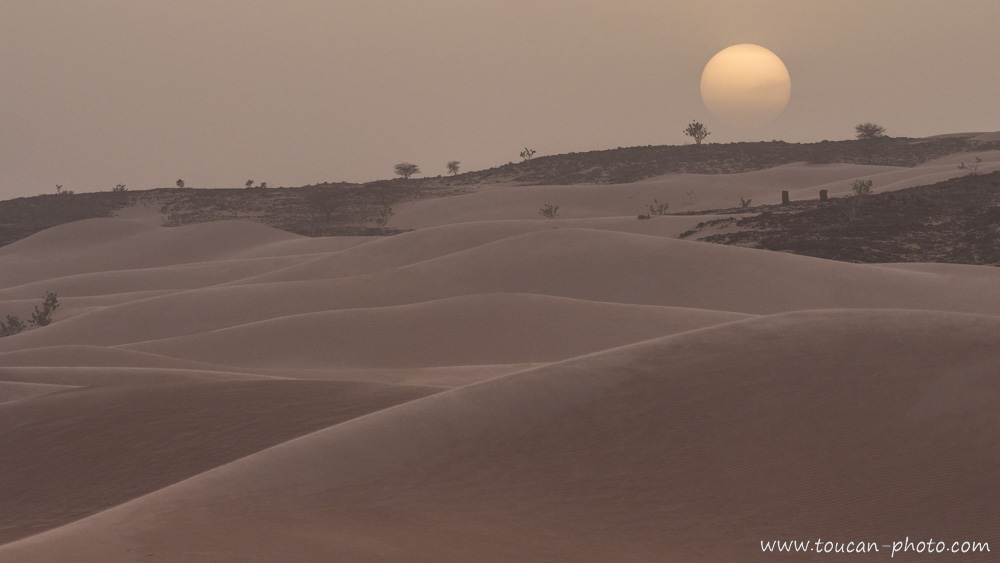
Larger than Australia with its 8 million square kilometres, the Sahara has not always been the biggest hot desert on the planet. About 15,000 years ago, it was a green period brought about by a warming phase that had intensified evaporation from the top of the ocean and pushed the monsoons into the heart of the North African continent. The arid landscapes that we know today were then covered by large lakes and rich vegetation. Elephants were living there, as well as hippos, crocodiles and humans too. Those ones, as to immortalize this full of life period, have drawn paintings and engravings cut out of rock. These testimonies of the past are omnipresent in Tadrart Rouge. Indeed, this Sahara’s fragment is located in south-eastern Algeria and offers the vision of over 15,000 engravings to the brave who dare adventuring themselves into there. Over the sand dunes and rocky peaks, the traveller will discover, at the same time as breathtaking landscapes, a touching testimony of the past.

Continue reading“Algeria: The Tadrart Rouge, a window to the Sahara and its history”

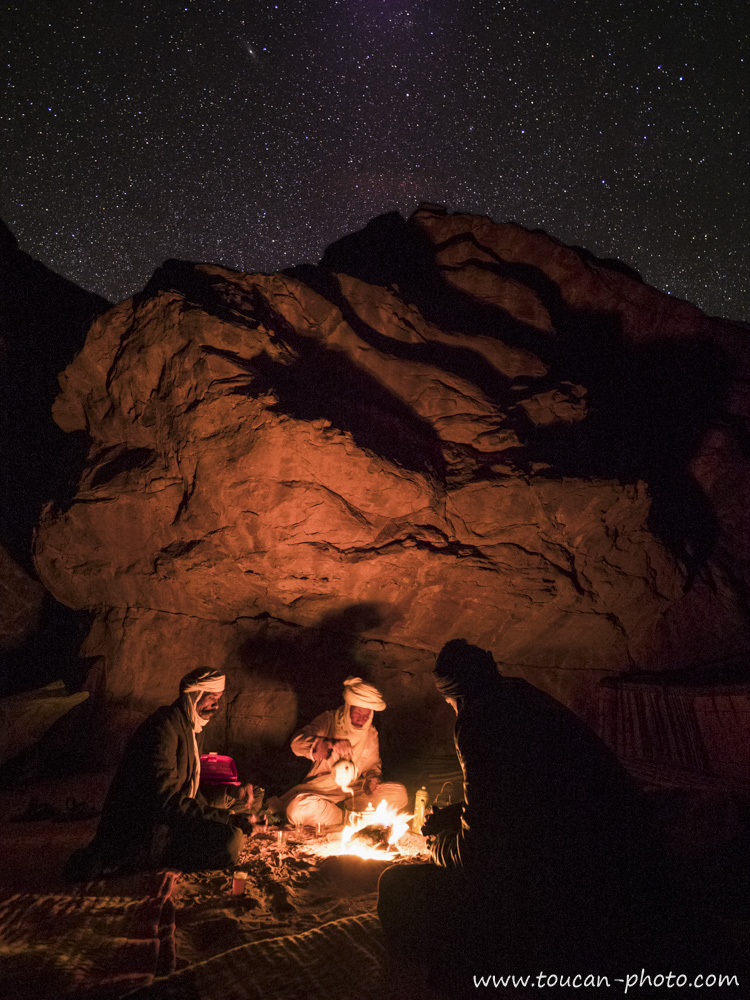
Tea time for the Tuaregs of the algerian sahara desert

Tea

Tea time for the Touaregs of the algerian sahara desert

The preparation of tea is a ritual of extreme refinement among the Tuaregs. Using the same leaves, three consecutive tea are prepared. The flavors of each tea evolve infusion after infusion.
A Tuareg saying says: “The first is bitter like life; the second is sweet like love; and the third is gentle like the breath of death.”.

Read the paper about the Tadrart Rouge, a window to the Sahara and its history

?>